Russia Systematically Erasing Ukrainian Identity Through Forced Russification and Militarization of Schools in Occupied Territories
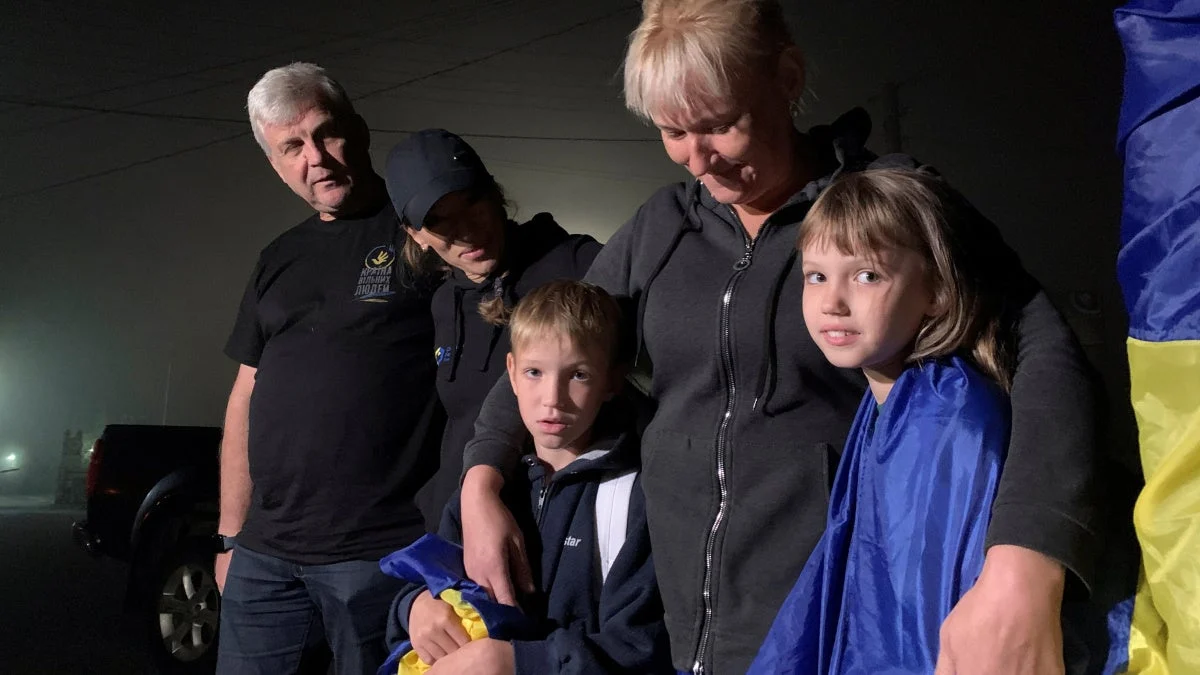
In a comprehensive report released on July 16, 2026, Human Rights Watch (HRW) has documented a systematic and intensifying campaign by Russian occupation authorities to dismantle the Ukrainian national identity of children living in occupied territories. Through the forced imposition of the Russian national curriculum, the suppression of the Ukrainian language, and the integration of children into militarized youth programs, Moscow is reportedly violating the fundamental right to education and international humanitarian law. According to HRW, an estimated 1.6 million children remain in Russian-occupied regions, including approximately 600,000 of school age, all of whom are subject to an education system designed to instill loyalty to the Kremlin and prepare them for eventual conscription into the very military force occupying their homes.
The Systematic Dismantling of Ukrainian Education
The current crisis in the occupied territories is the culmination of a process that began following the 2022 full-scale invasion but has its roots in the 2014 occupations of Crimea and parts of the Donbas. Since 2022, the Russian Federation has transitioned from a period of transitional administration to a total overhaul of the educational landscape. Ukrainian-language instruction has been effectively abolished in most regions, replaced by a curriculum that mirrors the one used within the Russian Federation. This curriculum is not merely a change in language but a fundamental shift in narrative, where Ukrainian statehood is characterized as non-existent or illegitimate, and the ongoing invasion is glorified as a "special military operation" of liberation.
Bill Van Esveld, associate children’s rights director at Human Rights Watch, emphasized the gravity of the situation, stating that Russia is using the classroom as a tool of war. The report details how schools have been transformed into centers for political indoctrination where children are required to sing the Russian national anthem, participate in flag-raising ceremonies, and attend "Conversations about Important Things"—a mandatory lesson plan introduced by the Russian Ministry of Education to promote state-approved patriotic narratives.
Chronology of Occupation and Educational Coercion
The timeline of educational suppression has followed a distinct pattern of escalation. In the immediate aftermath of the 2022 invasion, many Ukrainian families attempted to continue their children’s education through online platforms provided by the Ukrainian Ministry of Education. However, by 2024 and 2025, Russian authorities intensified their efforts to close these digital loopholes.
- February 2022 – Late 2023: Initial chaos followed by the forced reopening of schools under Russian administration. Teachers were often given ultimatums: switch to the Russian curriculum or face unemployment and potential detention.
- 2024: The introduction of mandatory Russian citizenship requirements for students reaching the age of 14. Without a Russian passport, students began facing barriers to taking graduation exams or receiving diplomas.
- 2025: A "Digital Iron Curtain" was established. Messaging apps like WhatsApp were blocked, and access to YouTube and Telegram was throttled to prevent students from accessing Ukrainian online schooling. The "MAX" messaging app, developed under Russian oversight, became a required tool for communication, raising significant surveillance concerns.
- 2026: The full integration of the "Fundamentals of Security and Protection of the Fatherland" course, which includes tactical military training, drone operation, and weapons handling for secondary school students.
Surveillance and the Climate of Fear
The HRW report highlights a pervasive atmosphere of surveillance that extends from the classroom into the home. Occupation authorities and military personnel frequently conduct raids on private residences to search for evidence of "pro-Ukrainian" activities. This includes checking computers and mobile phones for Ukrainian educational materials or links to online classes.
In one harrowing account from 2023, a 12-year-old boy suffered a nervous breakdown after armed Russian soldiers confronted him in a principal’s office for having Ukrainian school materials on his phone. Such incidents are not isolated; they serve as a deterrent to other families. Parents have reported being threatened with the loss of parental rights and the transfer of their children to residential institutions in Russia (often referred to as orphanages in Rostov-on-Don or Siberia) if they refuse to enroll their children in Russian-run schools.
The impact of this pressure is reflected in the data. According to Ukrainian government figures, approximately 12,000 students from occupied areas dropped out of Ukrainian online schools between the 2024-25 and 2025-26 academic years. This decline is attributed not to a loss of interest, but to the increasing danger and technical difficulty of maintaining a connection to the Ukrainian educational system.
Militarization and the Path to Conscription
Perhaps the most alarming aspect of the HRW findings is the direct link between the school system and the Russian military apparatus. Schools in occupied areas now function as entry points for military registration. Boys as young as 15 and 16 are reportedly being bused from vocational colleges to military enlistment offices for pre-registration.
The curriculum now includes compulsory military-patriotic education. Students are encouraged—and in many cases, coerced—to join state-backed youth organizations such as the "Youth Army" (YunArmiya) and the "Movement of the First." These groups facilitate "Zarnitsa 2.0," a series of tactical war games where children as young as seven are taught the basics of combat.
In more extreme cases, children have been sent to "re-education" camps, such as the Voin Avangard Center. One 17-year-old girl described a "vacation" that turned into a military training intensive in Volgograd, Russia. There, Ukrainian children were dressed in cadet uniforms and trained in trench digging, landmine warfare, and the use of automatic weapons. Such programs are designed to normalize the concept of armed conflict and prepare Ukrainian youth to fight against their own country.
Legal Framework and International Violations
The actions documented by Human Rights Watch constitute significant violations of international law. Under the Fourth Geneva Convention, an occupying power is prohibited from compelling residents of the occupied territory to serve in its armed forces. Furthermore, international humanitarian law prohibits the use of pressure or propaganda aimed at securing voluntary enlistment.
The forced "passportization" and the alteration of the educational curriculum also violate the Convention on the Rights of the Child, which guarantees a child’s right to preserve their identity, including nationality and language. By replacing Ukrainian law with Russian administrative structures, Moscow is in breach of the laws of war, which require an occupying power to maintain the existing legal and educational frameworks of the territory as much as possible.
Psychological Trauma and Reintegration Challenges
For the children who manage to escape to Ukrainian-controlled territory, the transition is fraught with psychological and social hurdles. Psychologists working with organizations like "Save Ukraine" and the "Ukraine Child Rights Network" report high levels of entrenched anxiety and trauma among these children. Many suffer from "surveillance paranoia," fearing that even in safe zones, they are being watched or that their words might bring harm to relatives still living under occupation.
Reintegration into the Ukrainian school system is also complicated by educational gaps. Children may have missed years of Ukrainian language and history instruction. Furthermore, there have been documented instances of bullying, where children from occupied areas are ostracized for their Russian language proficiency or for repeating narratives they were forced to learn.
While the Ukrainian government provides resettlement grants of 50,000 hryvnia (approx. $1,160) and access to medical care, local authorities often lack the financial resources to provide long-term psychological support and remedial tutoring. Civil society groups are calling for a national strategy that includes specialized teacher training to handle the unique needs of children returning from occupation.
Analysis of Long-Term Implications
The HRW report underscores a long-term strategy by the Russian Federation to fundamentally alter the demographic and cultural landscape of Ukraine. By targeting the youngest generation, Moscow aims to create a "fait accompli" where, even if territories are eventually liberated, the population remains ideologically aligned with Russia.
This "weaponization of education" presents a profound challenge for the future of Ukrainian sovereignty. The erosion of national identity among hundreds of thousands of children could lead to deep societal fractures that persist for decades. International observers suggest that the global community must treat these educational abuses not as a secondary concern, but as a central component of the conflict’s humanitarian crisis.
The findings of Human Rights Watch serve as an urgent call to action for international bodies and donor nations. Beyond military aid, there is a critical need for "educational defense"—funding for secure online learning platforms, mental health services for displaced youth, and international legal pressure to hold those responsible for the forced Russification of Ukrainian children accountable for what many experts are now defining as a systematic attempt at cultural erasure.

Related Posts
Human Rights Watch Calls for Investigation into Death of Detainee Following Removal from Najaf Hospital by Iraqi Drug Police
Human Rights Watch Urges UN Security Council to Extend Lebanon Peacekeeping Mission Amid Escalating Conflict and Humanitarian Crisis