Taras Kachka Appointed as Ukraine’s New Ambassador to the European Union in Strategic Diplomatic Realignment
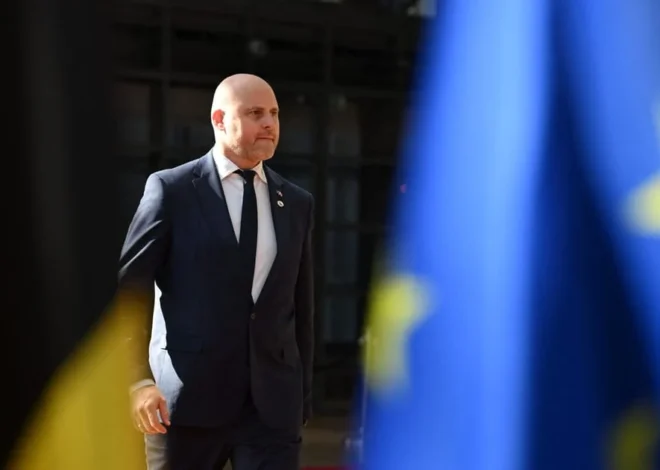
BRUSSELS — In a significant diplomatic pivot aimed at accelerating Ukraine’s path toward European integration, President Volodymyr Zelenskyy announced on Friday the appointment of Taras Kachka as the nation’s new ambassador to the European Union. This high-stakes transition is part of a broader, ongoing wartime government reshuffle in Kyiv, designed to streamline communication between the Ukrainian administration and the Brussels-based bureaucracy as negotiations for membership intensify.
Kachka, who previously served as the Deputy Prime Minister for European and Euro-Atlantic Integration, will replace Vsevolod Chentsov. In a rare and calculated administrative maneuver, Chentsov will assume Kachka’s former portfolio in Kyiv, effectively executing a role-swap at the highest levels of the diplomatic and executive hierarchy.
The Context of the Wartime Reshuffle
The appointment arrives during a period of considerable domestic volatility for the Ukrainian government. The reshuffle follows the controversial dismissal of Defense Minister Mykhailo Fedorov, a move that triggered public demonstrations in Kyiv and several other major cities. Analysts suggest that the administration is attempting to balance the need for military stability with the urgent requirement for diplomatic progress, as the war with Russia enters a grueling phase of exhaustion and long-term economic strain.
For President Zelenskyy, the decision to place Kachka in Brussels is a clear signal that Kyiv intends to prioritize the technical and legal requirements of EU accession. With the war necessitating constant aid and international cooperation, the position of Ambassador to the EU has become perhaps the most critical diplomatic post in the Ukrainian foreign service.
Chronology of the Accession Path
The journey toward EU membership has been marked by both rapid diplomatic breakthroughs and frustrating bureaucratic inertia. The timeline of recent developments highlights the complexity of the task facing the incoming ambassador:
- December 2023: The European Council officially decides to open accession negotiations with Ukraine, marking a historic turning point in Kyiv’s geopolitical orientation.
- June 2026: Following months of intensive lobbying, Ukraine successfully opens its first "negotiating clusters"—the formal legal framework required to align Ukrainian law with the EU acquis—after a long-standing veto by Hungary is finally lifted.
- July 14, 2026: Taras Kachka visits Brussels to oversee the opening of a subsequent negotiating cluster, underscoring his deep involvement in the granular details of the accession process.
- July 17, 2026: President Zelenskyy formally announces the appointment of Kachka to the Brussels mission, tasking him with the dual responsibility of serving as Ambassador and Ukraine’s trade representative to the EU.
Analyzing the "Cluster" Strategy
Accession to the EU is not a singular event but a rigorous process divided into six primary "clusters" covering 35 chapters of EU law. These clusters range from fundamental rights and the rule of law to energy, agriculture, and environmental standards. While Ukraine had set an ambitious target to open all six clusters by mid-July 2026, progress has been hampered by external diplomatic friction.
Currently, only two clusters are officially open. The primary obstacle remains the Hungarian government, which has cited concerns regarding the rights of the ethnic Hungarian minority living in the Transcarpathia region of Ukraine. The ongoing negotiations are delicate; they require Kyiv to pass specific legislative reforms while simultaneously managing the expectations of a war-weary population that views EU membership as a vital security guarantee.
Official Responses and Diplomatic Friction
Kachka’s transition into his new role comes with a candid assessment of the current state of EU-Ukraine relations. In a recent interview with POLITICO, he expressed a "certain disappointment" regarding the pace of negotiations. He noted a "lack of a feeling of urgency" among certain member states, an observation that reflects the frustration within the Ukrainian delegation regarding the slow release of accession milestones.

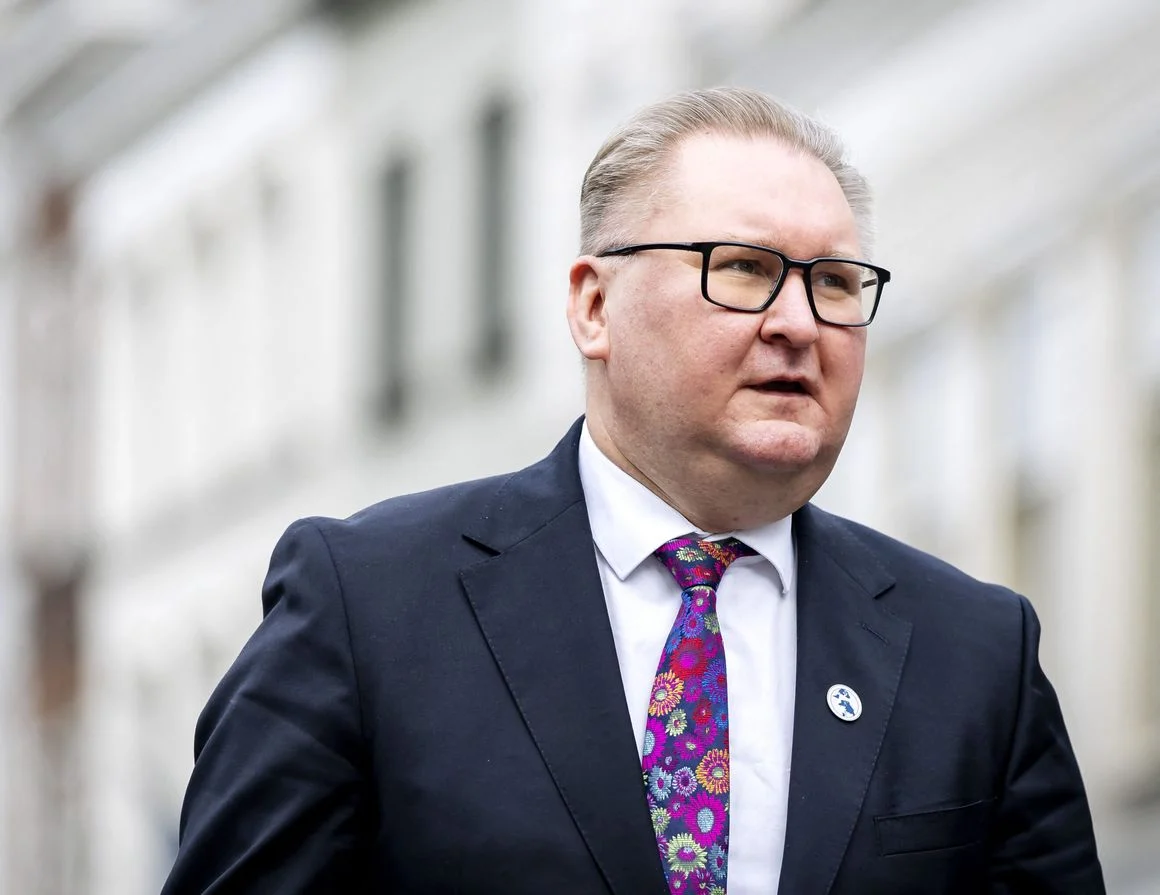
Despite these hurdles, Kachka has been at the forefront of mediation efforts. He has maintained a direct line of communication with Hungarian Foreign Minister Anita Orbán. "There is political inertia and a lot of prejudice that still exists in Hungarian society," Kachka stated. "That is why our common task is to show that the enlargement process is not undermining them [the Hungarian minority]."
From the perspective of the Ukrainian presidency, the appointment is a pragmatic move. "I believe Taras will be able to carry out this work most effectively at Ukraine’s Mission to the European Union in Brussels," Zelenskyy stated in his announcement. By consolidating the roles of ambassador and trade representative, the government hopes to create a more cohesive strategy for navigating the economic complexities of the European Single Market.
Broader Economic and Geopolitical Implications
The implications of this appointment extend far beyond simple personnel management. As Ukraine navigates the reconstruction of its economy, the alignment of its trade regulations with EU standards is paramount. The trade representative aspect of Kachka’s new mandate suggests that Kyiv is looking to move away from temporary "wartime" trade concessions toward a permanent, legally binding economic integration.
Data from the European Commission indicates that trade between the EU and Ukraine has remained resilient despite the conflict, yet the transition to a full integration model will require significant structural reform. Kachka’s background as a seasoned negotiator makes him well-suited to manage these pressures. His tenure will likely be defined by his ability to maintain the "momentum of accession" while the country remains in a state of partial mobilization.
Furthermore, the appointment of Vsevolod Chentsov to the post of Deputy Prime Minister in Kyiv ensures that the institutional memory of the Brussels mission is transferred back to the cabinet. This continuity is essential for the rapid implementation of reforms mandated by the European Commission. The domestic side of the integration process—passing laws, updating the judiciary, and fighting corruption—will now be led by a diplomat intimately familiar with the demands and standards of the European institutions.
Challenges Ahead: The Winter of Diplomacy
As the winter months approach in late 2026, the pressure on the Ukrainian government to demonstrate tangible progress will likely intensify. The European Union is currently undergoing its own internal debates regarding budget allocations and the long-term feasibility of further expansion. For the new Ambassador, the challenge will be to keep Ukraine at the top of the European agenda, even as other global crises vie for the attention of Brussels.
The role of the Ukrainian Mission in Brussels is evolving from one of seeking emergency assistance to one of deep, technical policy coordination. Taras Kachka’s mandate is clear: bridge the gap between the battlefield realities of Ukraine and the rigid, procedural requirements of the European Union. His success or failure will not only impact the timeline of membership but will also play a critical role in the broader effort to solidify Ukraine’s place within the Western democratic framework.
In conclusion, the reshuffle represents a consolidation of power and a strategic refocusing of the Ukrainian diplomatic corps. By placing one of his most experienced negotiators at the heart of the European Union, President Zelenskyy is signaling that the path to membership is no longer just a long-term aspiration—it is the central pillar of Ukraine’s national survival strategy. Whether this change in personnel will be sufficient to overcome the political inertia in member states like Hungary remains to be seen, but the appointment certainly underscores the gravity with which Kyiv views the upcoming months of accession negotiations.