Lockheed Martin Successfully Tests Grizzly Containerized Launcher with Hellfire Missile Vertical Launch
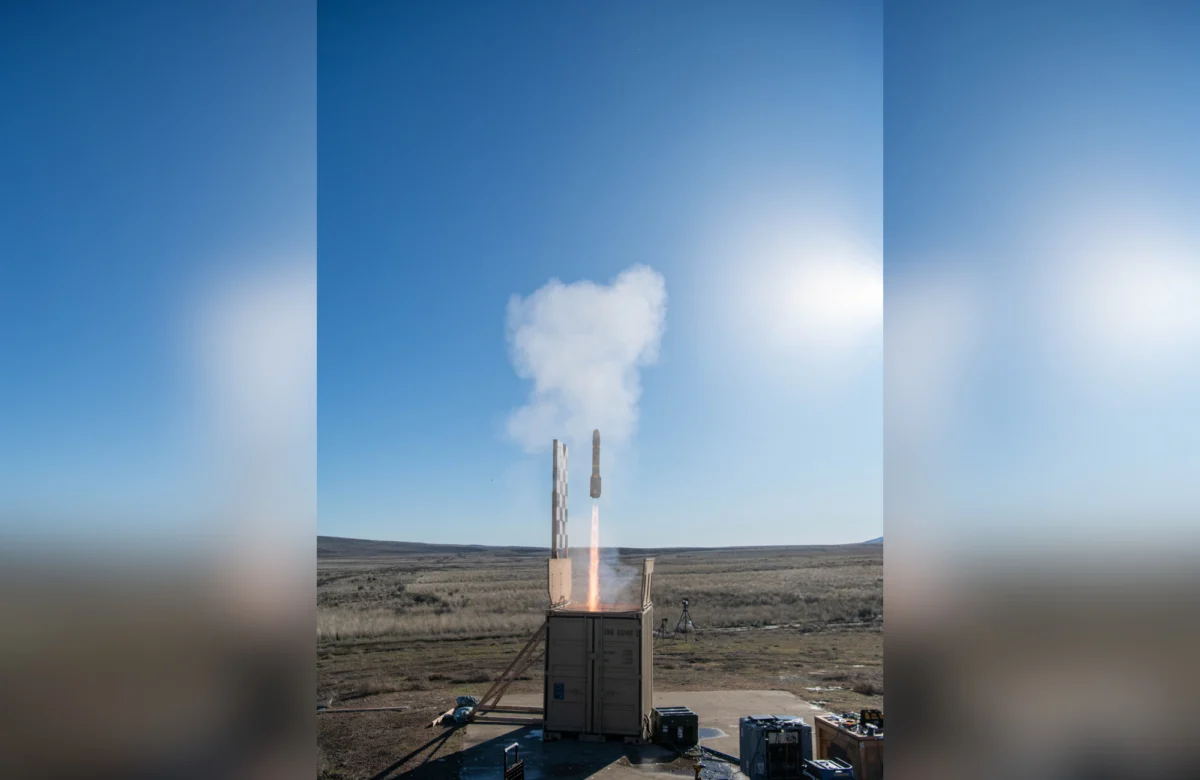
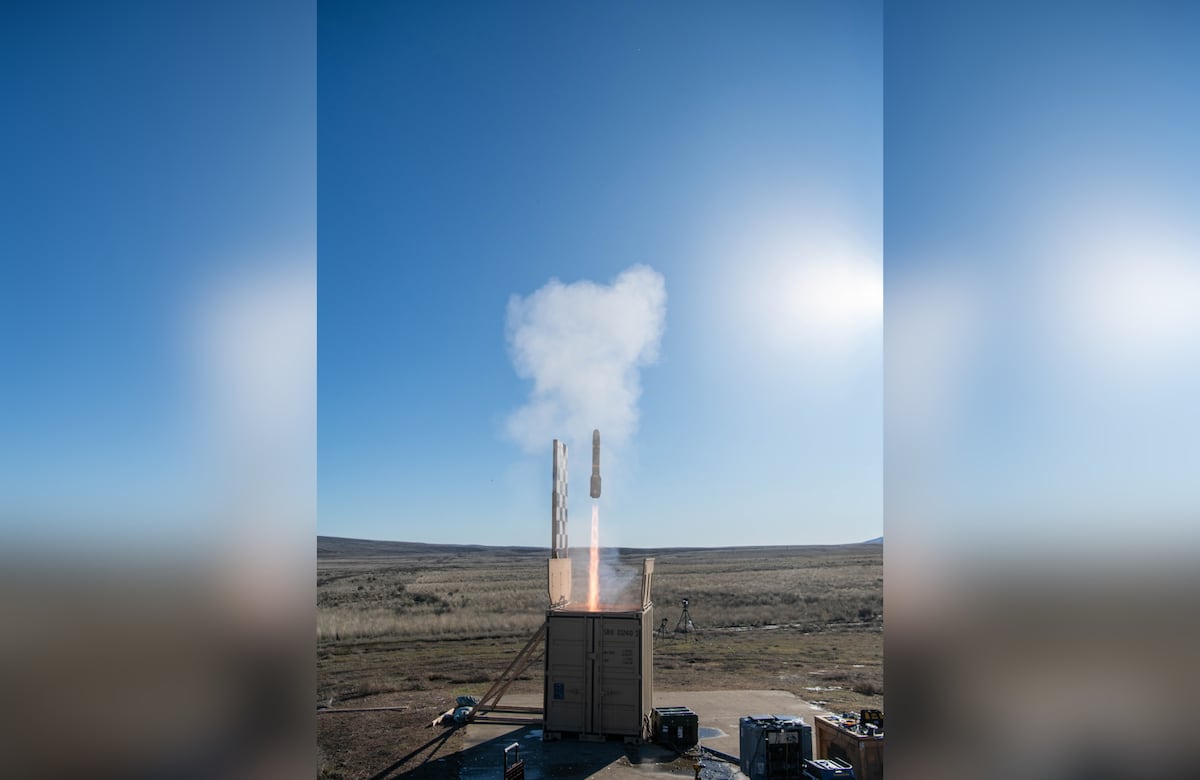
Lockheed Martin announced on Tuesday the successful completion of a series of live-fire tests involving its new Grizzly containerized launcher, a modular system designed to deploy high-precision ordnance from within a standard 10-foot cargo container. The demonstration, conducted at the Yakima Training Center in Washington, featured the successful vertical launch of an AGM-114 Hellfire missile, marking a significant milestone in the defense giant’s efforts to provide rapid, versatile, and low-cost strike capabilities across multiple military domains. The Grizzly system represents a strategic shift toward modularity and "distributed lethality," allowing the U.S. military and its international partners to disguise and deploy sophisticated weaponry using standard commercial logistics infrastructure.
The Evolution of Modular Weaponry
The Grizzly launcher is not an entirely new invention but rather a sophisticated evolution of combat-proven technology. It incorporates core design elements from Lockheed Martin’s M299 missile launchers, which have long served as the primary firing mechanism for Hellfire missiles on platforms such as the AH-64 Apache and the AH-1Z Viper. By adapting the M299’s reliable electronics and rail systems into a containerized format, Lockheed Martin has created a system that can be configured in three distinct ways to meet specific mission requirements. This adaptability ensures that the Grizzly can fire both the legacy Hellfire missile and the newer Joint Air-to-Ground Missile (JAGM), providing a bridge between current and future precision-guided munitions.
The decision to house the launcher within a 10-foot cargo container is a calculated move to leverage the global shipping and logistics ecosystem. Standardized containers are ubiquitous in modern transport, moving seamlessly between trucks, trains, ships, and aircraft. By utilizing this form factor, the Grizzly system can be integrated into existing supply chains without the need for specialized trailers or dedicated military transport vehicles, significantly reducing the logistical footprint of a strike unit.
Technical Specifications and Launch Capabilities
The successful test at Yakima Training Center focused on the vertical launch capability of the Grizzly. While Hellfire missiles are traditionally launched from rails on aircraft or vehicles moving forward, the vertical launch capability allows the Grizzly to be positioned in confined spaces or hidden within a dense urban or maritime environment. The containerized design provides a "plug-and-play" solution for various platforms, including Unmanned Surface Vessels (USVs), medium-duty trucks, and even stationary defensive positions.
One of the primary advantages of the Grizzly is its use of low-cost, commercially available materials for the outer housing. This approach aligns with the Department of Defense’s broader initiative to reduce procurement costs while increasing the volume of available assets. Despite its economical construction, the system maintains the high standards of reliability required for modern warfare. The Hellfire missile itself is a semi-active laser-guided or millimeter-wave radar-guided weapon capable of tracking targets autonomously. With over 15 platforms currently utilizing the Hellfire across land, sea, and air domains, the Grizzly adds a critical new dimension to how this weapon can be projected into a theater of operations.
A Rapid Development Timeline
The speed at which the Grizzly moved from concept to live-fire testing is a testament to Lockheed Martin’s internal research and development (IRAD) strategy. According to company officials, the first live-fire tests occurred just six months after the program began its R&D phase. This rapid turnaround was made possible by leveraging existing components from the M299 program and focusing on an agile engineering process.
Randy Crites, vice president of Lockheed Martin Advanced Programs, emphasized the importance of this speed in a formal statement following the test. "Our first live fire tests come just six months after the program began research and development, through internal Lockheed Martin investment, demonstrating our focus on quickly delivering a mobile and versatile launcher capability to defeat evolving threats," Crites said. This internal investment model allows defense contractors to bypass some of the lengthy bureaucratic hurdles associated with traditional government-funded development cycles, delivering prototypes to the field in a fraction of the time.
The Strategic Role of Hellfire and JAGM
The Grizzly’s primary payloads, the Hellfire and the JAGM, are cornerstones of modern precision strike operations. The Hellfire has a storied history of service with the U.S. Army and Navy, as well as numerous international allies. It is renowned for its "fire-and-forget" capability and its effectiveness against a wide range of targets, including armored vehicles, bunkers, and small maritime craft.
The Joint Air-to-Ground Missile (JAGM), which the Grizzly is also designed to fire, represents the next generation of this technology. JAGM features a dual-mode seeker that combines semi-active laser (SAL) and millimeter-wave (MMW) radar sensors. This allows the missile to strike targets in adverse weather conditions or through smoke and obscurants that might defeat a purely laser-guided weapon. By ensuring the Grizzly is compatible with both systems, Lockheed Martin has ensured that the launcher remains relevant as the U.S. military transitions its inventory to newer munitions.
Maritime Implications: Strengthening the Ghost Fleet
Perhaps the most significant impact of the Grizzly system will be felt in the maritime domain. The U.S. Navy is currently engaged in a major strategic pivot toward Distributed Maritime Operations (DMO). This doctrine emphasizes spreading out the Navy’s firepower across a larger number of smaller, less expensive platforms rather than concentrating it on a few large, high-value targets like aircraft carriers or cruisers.
Central to this strategy is the development of the "Ghost Fleet"—a fleet of Unmanned Surface Vessels (USVs) and Optionally Manned Vessels. The Grizzly launcher is a perfect fit for these platforms. Because it is self-contained and modular, it can be quickly bolted onto the deck of a USV, instantly turning a reconnaissance vessel into a lethal strike platform. This containerized approach also allows for "deceptive lethality." To an adversary’s satellite or surveillance drone, a vessel carrying Grizzly launchers looks no different from a standard commercial transport ship carrying cargo containers. This ambiguity complicates the enemy’s targeting cycle and forces them to expend resources monitoring a wider array of potential threats.
Land and Air Versatility: Redefining Logistics
Beyond the sea, the Grizzly offers transformative potential for ground forces. The U.S. Army and Marine Corps are increasingly focused on Expeditionary Advanced Base Operations (EABO), which require small units to operate in austere environments with limited support. The Grizzly can be transported via C-130 aircraft, CH-47 Chinook helicopters, or standard 2.5-ton trucks. Once on the ground, it can be offloaded and hidden in a treeline or a warehouse, providing a persistent "pop-up" threat to enemy armor or low-flying aircraft.
The ability to transport the system via commercial freight equipment further enhances its utility in international theaters. In scenarios where military transport may be congested or unavailable, the Grizzly could theoretically be moved using civilian trucking companies or commercial cargo ships, provided the legal and security frameworks are in place. This flexibility is a key component of what military planners call "logistics as a weapon."
Economic Efficiency and Commercial Integration
The use of commercially available materials in the Grizzly’s construction addresses a growing concern within the defense industrial base: the rising cost of specialized military hardware. By utilizing the 10-foot ISO container standard, Lockheed Martin avoids the need for bespoke housing units that require unique manufacturing tools. This not only lowers the unit cost but also ensures that the launcher can be repaired or maintained using more common industrial tools and parts.
Furthermore, the Grizzly’s design allows for rapid scalability. If a conflict were to escalate, production could be ramped up more quickly than with traditional, complex missile systems. The reliance on the M299’s internal architecture also means that there is already an established supply chain for the most critical electronic and mechanical components of the launcher, reducing the risk of production bottlenecks.
The Broader Impact on Modern Warfare
The successful testing of the Grizzly comes at a time of heightened global tensions, particularly in the Indo-Pacific and Eastern Europe. In these theaters, the ability to deploy long-range precision fires from non-traditional platforms is highly valued. The Grizzly provides a solution that is both "attritable"—meaning it is inexpensive enough to be lost in combat without a catastrophic strategic or financial impact—and highly lethal.
The vertical launch test at Yakima Training Center proves that Lockheed Martin has successfully miniaturized and modularized a capability that was previously reserved for larger, more expensive platforms. As the U.S. military continues to refine its "Joint All-Domain Command and Control" (JADC2) concept, systems like the Grizzly will act as the "teeth" of the network, providing distributed nodes of firepower that can be triggered by sensors located hundreds of miles away.
The Grizzly launcher is more than just a box for missiles; it is a manifestation of a new era of warfare where modularity, deception, and cost-efficiency are as important as raw firepower. By successfully launching a Hellfire from a standard shipping container, Lockheed Martin has demonstrated that the future of the battlefield may look a lot like the world of global commerce—standardized, efficient, and capable of appearing anywhere at a moment’s notice. As the program moves forward from its initial research and development phase, the defense community will be watching closely to see how quickly the Grizzly is integrated into the operational architecture of the U.S. armed forces and their allies.

Related Posts
Pentagon Forges Landmark Seven-Year Agreements with Boeing and RTX to Accelerate Standard Missile-3 Production and Stabilize Defense Supply Chains
Boeing Unveils Ultra Low-Cost Seeker to Enhance Missile Inventory and Combat Cost Challenges in Modern Warfare