A Pro-Iranian Militia in Iraq Released a Video of an Attack on a U.S. Installation in Baghdad
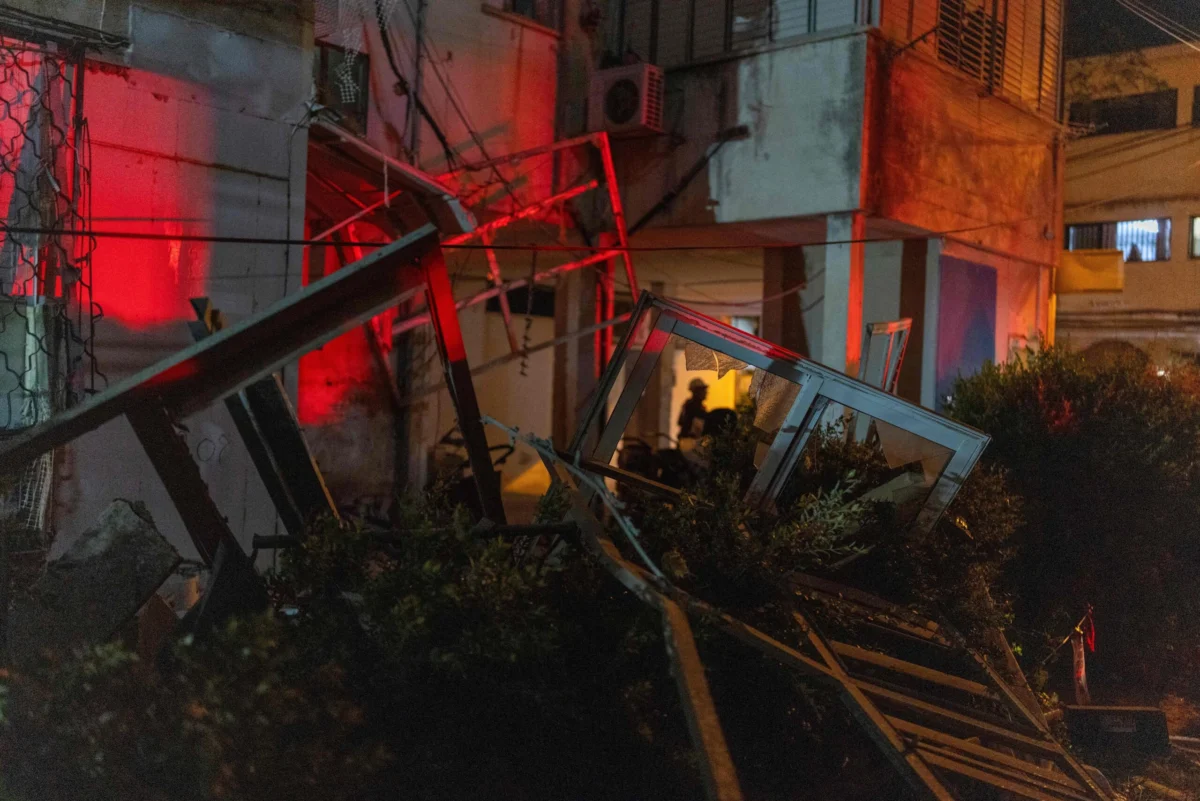
The escalating tensions in the Middle East have reached a critical juncture, with a pro-Iranian militia in Iraq releasing a video that purports to show a drone attack on a U.S. installation at Baghdad’s international airport. The minute-long footage, independently verified by CNN, depicts a drone flying at a low altitude over the complex housing the U.S. Diplomatic Support Center before striking a radar system, resulting in a significant explosion. This incident is part of a broader pattern of heightened hostilities involving Iran, its proxies, and regional and international powers, including the United States and Israel. The attack, if confirmed to be the work of a pro-Iranian militia, underscores the continued instability in Iraq and the persistent threat posed by non-state actors in the region.
The release of this video comes amidst a complex diplomatic landscape. U.S. President Donald Trump has reportedly presented a 15-point peace plan to Iran, aiming to de-escalate the ongoing conflict. However, the efficacy and reception of this plan remain uncertain, with Iran’s military spokesmen expressing skepticism and mockery regarding U.S. intentions. This dynamic highlights the deep-seated mistrust and divergent objectives between Washington and Tehran, making any diplomatic breakthrough a formidable challenge. The peace proposal, reportedly transmitted through Pakistan, is said to include severe limitations on Iran’s nuclear program and the potential reopening of the Strait of Hormuz. Specifically, the plan allegedly calls for an end to all uranium enrichment on Iranian soil and the handover of enriched material, a key point of contention given U.S. and Israeli concerns about Iran’s potential to develop nuclear weapons.
The ripple effects of these geopolitical maneuvers are being felt across global markets, most notably in the price of oil. Following President Trump’s announcement of a peace plan with Iran, the price of Brent crude, the global benchmark, saw a sharp decline of nearly 6%. Brent North Sea crude futures fell by 6.3% to $97.90 per barrel, while West Texas Intermediate (WTI), the U.S. benchmark, dropped 5.2% to $87.52 per barrel. This market reaction suggests that investors perceive a reduced risk of supply disruptions in the Middle East, a region critical to global energy markets, as a result of potential diplomatic progress. However, the volatile nature of the region means that any resurgence of conflict could rapidly reverse these trends.
A Chronology of Escalating Tensions and Diplomatic Overtures
The current situation is the culmination of a series of events that have significantly heightened tensions in the Middle East over recent years. The strategic importance of the Strait of Hormuz, a vital chokepoint for global oil shipments, has been a recurring flashpoint. Iran has previously threatened to disrupt shipping in the strait, prompting increased naval presence and heightened alert levels from the U.S. and its allies.
- Recent Weeks: Reports have emerged of a potential U.S. peace initiative, with a 15-point proposal reportedly sent to Iran via Pakistan. This initiative aims to address key concerns, including Iran’s nuclear program and regional security.
- Simultaneous Military Actions: Despite diplomatic overtures, military actions have continued. The video released by the Iraqi militia showing an attack on a U.S. installation in Baghdad is a stark reminder of the ongoing proxy conflicts.
- Israeli Strikes: Israel has also engaged in military operations, reportedly launching a new wave of attacks against Iranian government infrastructure. Al Jazeera reported that a school in Tehran was damaged following missile strikes attributed to Israel.
- Lebanese Casualties: In southern Lebanon, state media reported that Israeli attacks resulted in the deaths of at least six people in Adloun and the Palestinian refugee camp of Mieh Mieh. These strikes underscore the regional spillover of the conflict.
- Kuwait Airport Incident: Further compounding the regional instability, an Iranian drone attack reportedly caused a severe fire at a fuel tank at Kuwait International Airport, although no casualties were reported.
Iran’s Response to Diplomatic Initiatives
The Iranian military has publicly dismissed President Trump’s peace proposals. Lieutenant Colonel Ebrahim Zolfaghari, spokesperson for the Khatam Al-Anbiya Central Headquarters, which jointly commands the regular army and the paramilitary Revolutionary Guard, questioned the sincerity of the U.S. approach. "Have your internal conflicts reached the point where you are negotiating with yourselves?" he remarked, underscoring the deep skepticism within Iran regarding the U.S. administration’s motives. This response suggests that the 15-point plan, even if officially delivered, faces significant hurdles in gaining traction with the Iranian leadership.
Broader Implications and Regional Dynamics
The ongoing conflict and the proposed peace plan have profound implications for regional stability and the global energy market. The Strait of Hormuz remains a critical artery for global trade, and any disruption there could have devastating economic consequences. Iran’s statement to the International Maritime Organization (IMO) that "non-hostile vessels" can transit the strait, provided they adhere to safety regulations and do not engage in acts of aggression against Iran, is a significant development. This statement, dated March 22nd, 2026, and distributed via the IMO, suggests a potential willingness to maintain a degree of maritime freedom, albeit under specific conditions. The IMO’s distribution of this note to its member states and NGOs indicates the international community’s close monitoring of the situation.
The involvement of various actors, including militias, national armies, and international mediators like Pakistan, paints a complex picture of the geopolitical landscape. The United States, under President Trump, has pursued a strategy of "maximum pressure" against Iran, coupled with an apparent willingness to engage in dialogue. Israel, meanwhile, continues to assert its security interests through direct military action against perceived threats emanating from Iran and its proxies.
The Humanitarian and Spiritual Dimension
Amidst the geopolitical maneuvering and military actions, the human cost of the conflict remains a grave concern. Pope Leo XIV has voiced his profound distress over the escalating violence. "The war is getting worse and worse," he stated, describing the conflict in the Middle East as a "scandal for all of humanity." His call for a ceasefire and a commitment to peace through dialogue, rather than arms, resonates with the broader international community’s desire for de-escalation. Speaking from Castel Gandolfo, Italy, the Pope emphasized the need for a genuine solution for all, highlighting the moral and spiritual dimensions of the ongoing crisis. The damage to a school in Tehran, as reported by Al Jazeera, underscores the devastating impact of these conflicts on civilian populations, particularly the most vulnerable.
The situation in the Middle East remains fluid and highly volatile. The interplay between military actions, diplomatic overtures, and regional power dynamics suggests that a peaceful resolution will be a long and arduous process. The effectiveness of the U.S. peace plan, the response from Iran, and the actions of regional players will be critical in determining the future trajectory of this complex and consequential conflict. The global community, meanwhile, watches with bated breath, hoping for a de-escalation that prioritizes dialogue and the well-being of all affected populations. The economic implications, particularly for the global oil market, remain a significant factor, with any renewed escalation threatening to send prices soaring once again.

Related Posts

The Electric Vehicle Battery Health Debate Emerges as Argentina’s EV Market Accelerates
President Donald Trump Confirms Secret Departure from Turkey Amidst Assassination Threat