34 workers killed in Pakistan coal mine blast — Report
The death toll from a catastrophic explosion in a coal mine in Pakistan’s Balochistan province has reached at least 34, with authorities confirming that a massive rescue operation remains ongoing to locate additional miners feared trapped underground. The incident, which occurred late Thursday near the provincial capital of Quetta, was triggered by a lethal accumulation of methane gas, a recurring hazard in the region’s poorly regulated mining sector.
The Provincial Disaster Management Authority (PDMA) of Balochistan issued a statement in the early hours of Friday confirming the recovery of 34 bodies. As of Friday morning, emergency response teams, including specialized mine rescue units and paramilitary personnel, were working in grueling conditions to navigate the structural damage caused by the blast. The total number of miners present in the pit at the time of the explosion remains officially unconfirmed, fueling concerns that the final death toll may rise significantly as debris is cleared.
Chronology of the Disaster
The incident began on Thursday afternoon when a sudden ignition of methane gas—a colorless, odorless, and highly explosive byproduct of coal formation—ripped through the subterranean tunnels. Preliminary reports suggest that inadequate ventilation systems in the mine failed to disperse the gas, allowing it to reach a critical concentration.
By sunset on Thursday, the scale of the disaster became apparent, prompting an emergency call-out of regional disaster management teams. Throughout the night, search-and-rescue operations were hampered by the volatile state of the mine shafts, which suffered partial collapses following the blast. By Friday morning, the focus of the operation shifted from rescue to recovery, as the likelihood of finding survivors in the affected zones diminished.
Contextualizing Mining Hazards in Balochistan
Balochistan, the largest of Pakistan’s four provinces by landmass, holds the country’s most significant coal reserves. However, the mining industry there is plagued by systemic issues that have historically contributed to high mortality rates. Many mines in the region are operated by small-scale contractors who often bypass international safety protocols to minimize costs.
The lack of advanced gas-detection equipment, coupled with archaic shoring methods and the absence of emergency exits, renders these mines death traps. Historically, miners in Balochistan earn meager wages while operating in environments that lack basic occupational health oversight. The provincial government has faced repeated criticism from labor unions for failing to enforce safety standards, though officials often cite the logistical difficulty of monitoring hundreds of remote, privately-owned pits scattered across the rugged landscape.
Socio-Economic Vulnerability and Infrastructure
The disaster has once again highlighted the stark economic disparities facing Balochistan. Despite being resource-rich, the province ranks at the bottom of almost every human development index in Pakistan, including literacy rates, life expectancy, and access to healthcare. For many, coal mining is the only available source of income in an area where agricultural and industrial development has stagnated.
Labor rights activists note that the miners are often migrant workers from other impoverished areas of Pakistan who have little leverage to demand safer working conditions. The cyclical nature of these accidents—dozens of which have occurred in the last decade alone—has led to demands for a comprehensive overhaul of the mining regulatory framework. Analysts suggest that until the government mandates the installation of digital gas monitoring systems and provides adequate protective gear, the sector will continue to pose an existential threat to its workforce.
Official Responses and Institutional Accountability
In the wake of the tragedy, provincial authorities have pledged to conduct a thorough investigation into the specific cause of the blast. A spokesperson for the Balochistan government stated that an inquiry commission would be established to determine if the mine owners were in violation of the Mines Act of 1923, a colonial-era law that remains the primary, albeit outdated, legal framework governing mining operations in the country.
Meanwhile, representatives of the Miners’ Welfare Board have called for immediate compensation packages for the families of the deceased. There is growing pressure on the federal government to intervene, as local provincial authorities have frequently been accused of lacking the resources and the political will to challenge powerful mining syndicates. International labor organizations have also signaled that they are monitoring the situation, as the incident brings focus to the broader issue of hazardous working conditions in South Asia’s informal mining sector.
Broader Implications for the Energy Sector
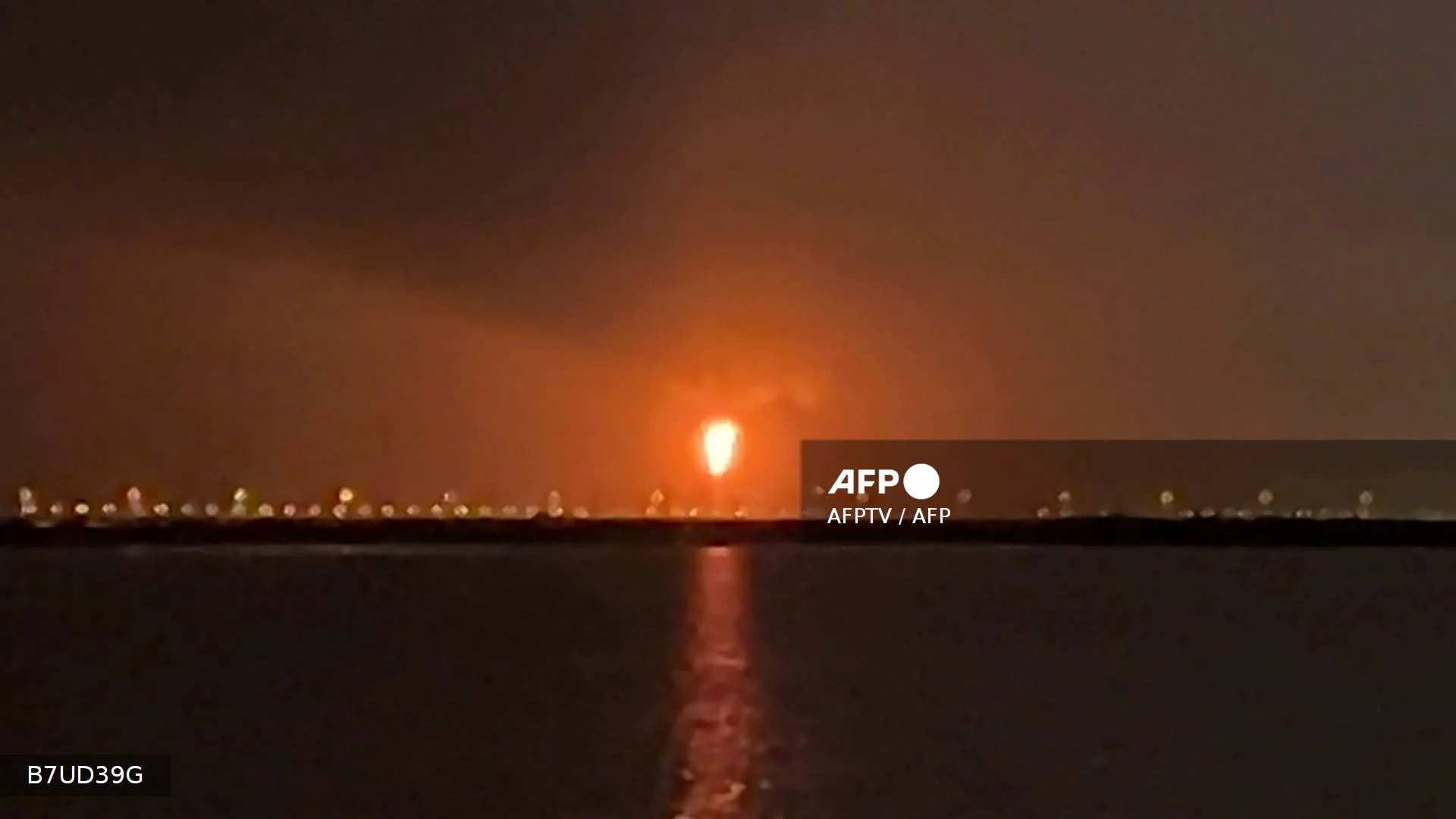
The blast occurs against a backdrop of regional industrial tension. While the current disaster is localized to a coal mine, it underscores the inherent risks associated with resource extraction in Pakistan. The incident follows unrelated technical disruptions in other industrial sectors, such as the recent explosion at the Ras Laffan industrial zone in Qatar, which has heightened concerns regarding infrastructure safety and the management of high-risk energy facilities globally.
The economic impact of such disasters is twofold. First, the loss of life represents a devastating blow to the families of the miners and the local community. Second, the disruption to mining operations further destabilizes an already fragile energy supply chain. As Pakistan grapples with persistent energy shortages, the reliance on domestic coal—often extracted through such precarious means—remains a contentious point in the nation’s energy policy.
The Path Forward: Reform vs. Reality
For meaningful change to occur, experts argue that Pakistan must move beyond reactive measures. Each time a major accident occurs, government officials typically issue statements of condolences and announce "investigations," but these rarely lead to systemic reform or the criminal prosecution of negligent owners.
Structural improvements require significant capital investment in ventilation, the introduction of mandatory underground communication systems, and the training of personnel in emergency response. However, the fragmented nature of ownership in Balochistan’s mining sector complicates the implementation of these standards. Many mines are operated in a semi-legal or informal capacity, making them invisible to the regulatory agencies tasked with safety enforcement.
As the search for missing miners continues, the focus will soon turn to the accountability of the mine operators. Whether this tragedy serves as a turning point for safety reform or becomes another statistic in a long history of industrial negligence remains to be seen. For now, the families in Quetta and the surrounding districts are left mourning, awaiting the recovery of their loved ones from the dark, unstable depths of the earth.
Data Summary and Future Outlook
- Casualties: At least 34 confirmed dead; rescue operations ongoing for an unknown number of trapped individuals.
- Cause: Methane gas explosion; preliminary reports indicate ventilation failure.
- Region: Balochistan, Pakistan; known for vast coal deposits and high-risk mining conditions.
- Regulatory Status: Operations often function under outdated safety legislation with minimal oversight.
As the recovery efforts draw to a close, the international community and domestic stakeholders will be looking for concrete commitments from the Pakistani government to ensure that the lives of laborers are no longer sacrificed to the volatility of an unregulated industry. The incident serves as a grim reminder of the high cost of industrial development when safety is sidelined in favor of extraction speed and cost-cutting measures. The challenge remains to transform a sector defined by tragedy into one that respects the fundamental rights and safety of the human beings who fuel the nation’s economy.