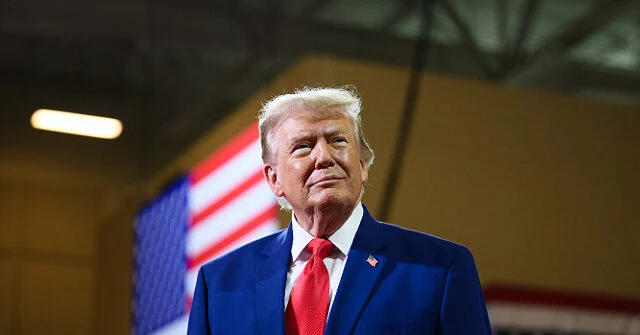
U.S. Rejects Munitions Shortage Claims Amid Iran Tensions, Balances Diplomatic Push with Escalation Threat
President Donald Trump has emphatically dismissed widespread reports suggesting a potential shortage of munitions for the ongoing conflict with Iran, asserting to the Wall Street Journal on Sunday that the U.S. military possesses "far more munitions than anyone in the world, and far more than we need." This declaration comes as his administration navigates a complex dual-track strategy, simultaneously weighing intensive diplomatic efforts with the persistent possibility of renewed military escalation in the volatile Middle East. The President’s comments directly challenged analyses from outlets including the New York Times, which had indicated that concerns over dwindling stocks of critical air defense interceptors, such as Patriot missiles, were a significant factor in internal White House deliberations regarding the expansion of the U.S. military campaign against Iran.
Escalating Tensions and the Strait of Hormuz
The current military and diplomatic standoff is rooted in a prolonged period of heightened tensions between Washington and Tehran, particularly concerning Iran’s nuclear program, its support for regional proxy groups, and, most immediately, its perceived threats to international shipping in the Strait of Hormuz. This narrow waterway, a critical choke point for global energy supplies, sees approximately 20% of the world’s petroleum and a significant portion of its liquefied natural gas transiting through it daily. Disruptions in the Strait have immediate and far-reaching economic consequences, impacting global oil prices and supply chains, thereby elevating any military confrontation in the region to a matter of international concern.
The U.S. military campaign, which has been underway for an unspecified period, aims to degrade Iran’s capacity to threaten commercial navigation and regional stability. This objective has involved targeted strikes, primarily against military assets perceived to be directly or indirectly linked to such threats. However, the exact nature and scope of these operations have been subject to intense scrutiny and debate, both within the U.S. government and among international observers.
The Munitions Readiness Debate: Reports Versus Official Stance
The core of the recent controversy centers on conflicting assessments of U.S. military readiness, specifically regarding its munitions stockpiles. Reports from several prominent news organizations, notably the New York Times, suggested that internal discussions within the Pentagon and the White House were influenced by concerns over the depletion of key air defense assets. These reports posited that years of substantial military aid to Ukraine, coupled with ongoing operations against Houthi rebels in Yemen, had placed considerable strain on the U.S. inventory of advanced interceptor missiles, particularly the Patriot system. Patriot missiles, highly effective against ballistic missiles, cruise missiles, and advanced aircraft, are expensive, with each interceptor costing several million dollars, and their production rates cannot always keep pace with demand, especially when multiple global conflicts are drawing on existing stocks.
However, the administration has vehemently pushed back against these claims. Ambassador to the United Nations Mike Waltz, a key voice in the administration’s public messaging, appeared on NBC’s Meet the Press and Fox News Sunday to reinforce President Trump’s position. Waltz unequivocally stated, "the U.S. military, and I’ve verified this every which way, has everything that it needs to conduct this campaign as effectively as it needs to be." He further condemned those leaking information to the contrary, declaring, "I have to tell you, the people that are leaking this nonsense deserve to be in jail."
While dismissing immediate concerns, Waltz did acknowledge that sustained military support for Ukraine and operations against the Houthis had indeed "strained some inventories" before President Trump took office. He emphasized that the administration is actively working to rebuild these stockpiles while simultaneously shifting towards "newer, less expensive munitions and other emerging technologies" as part of a broader modernization effort. This strategic pivot aims to enhance military capabilities while addressing the fiscal and logistical challenges associated with maintaining vast inventories of high-cost, legacy systems.
Internal Deliberations and Strategic Pauses
The public defense of military readiness follows reports of a significant internal debate that led President Trump to postpone a planned expansion of the U.S. air campaign against Iran. According to the Wall Street Journal on Sunday, U.S. military planners had meticulously prepared an expanded campaign designed to last up to two weeks. This proposed escalation was reportedly paused after a crucial meeting on Friday between President Trump and his senior advisors, during which the costs, risks, and strategic implications of further military action were extensively debated, especially in light of ongoing diplomatic overtures.
A key figure in these discussions was Chairman of the Joint Chiefs of Staff Gen. Dan Caine. The Wall Street Journal reported that Gen. Caine informed senior officials about declining inventories of Patriot and other air defense interceptors. Crucially, his assessment indicated that while lower stockpiles would "increase operational risk," they would "not prevent renewed military operations" if the President issued such an order. This nuanced assessment suggests that while concerns exist, they are not deemed insurmountable barriers to military action, providing the administration with continued flexibility.
Further insights into the internal military strategy came from Axios on Sunday, which reported that U.S. Central Command (CENTCOM) commander Adm. Brad Cooper had recommended a significant shift in the current operational approach. Adm. Cooper reportedly advised ending the ongoing bombing campaign around the Strait of Hormuz unless the United States intended to transition into a broader, more comprehensive military operation. His reasoning was that the existing campaign had largely achieved its initial objectives, with most designated targets associated with those strikes already having been exhausted. Cooper’s assessment suggested that any renewed large-scale campaign would need to focus on remaining designated military targets not yet struck during the initial U.S.-Israeli operation. This analysis underscores a military perspective that views the current phase of limited strikes as having reached a point of diminishing returns without a clear decision for wider escalation.
Diplomatic Channels and the "Quiet for Quiet" Understanding
Despite the persistent military posturing and internal debates, diplomatic efforts remain a critical component of the administration’s strategy. Trump’s Middle East envoys, Steve Witkoff and Jared Kushner, have reportedly been engaged in direct and indirect negotiations with Iranian officials, primarily facilitated through regional mediators. The Sultanate of Oman, which has historically played a crucial role as an intermediary between Washington and Tehran, is central to these efforts, particularly in brokering an agreement concerning the vital Strait of Hormuz.
Axios further reported that these diplomatic channels have yielded an informal "quiet for quiet" understanding. Under this precarious arrangement, neither side would launch new attacks as long as the current lull in hostilities holds. This de-escalation mechanism, while fragile and unconfirmed by official statements from all parties, offers a temporary reprieve and a window for further negotiations. However, the report also cautioned that there was "no guarantee Trump would ultimately accept such an arrangement" in the long term, indicating the provisional nature of this understanding and the President’s continued insistence on achieving specific outcomes.
Trump’s Public Signaling: "Locked and Loaded" and AI Imagery
President Trump has maintained a consistent public stance of keeping all options on the table, skillfully blending overtures of diplomacy with unambiguous threats of military force. Before Friday’s White House meeting, he told reporters, "Look, we’re locked and loaded. We’re ready to go, but we’re talking to them, so maybe there will be, maybe there won’t be a tipping point." This statement encapsulates the administration’s dual approach: a clear demonstration of military readiness coupled with an open door for negotiation.
In a separate interview with Axios last week, Trump escalated his rhetoric, stating he was considering "a massive attack" against Iran that would be "bigger than ever before," while reiterating that the military was fully prepared should diplomacy fail. He reinforced this message in a phone interview on Saturday with a reporter from French outlet LCI, asserting that he would "resume full-scale military operations if we don’t get 100% of what we want, absolutely."
Adding a contemporary dimension to his strategic communication, President Trump utilized his Truth Social platform on Sunday to project military pressure. He shared a series of AI-generated images depicting strikes against Iranian energy and maritime targets. One image, notably captioned "STRIKE ON KHARG," was an apparent reference to Kharg Island, home to Iran’s principal oil export terminal. These visual messages, alongside other posts emphasizing "continued pressure on Tehran even as negotiations remain underway," serve as a modern form of psychological warfare and strategic signaling. They aim to demonstrate capability, maintain pressure on the Iranian regime, and potentially influence both domestic and international perceptions of U.S. resolve, without necessarily committing to immediate military action.
Broader Implications and Outlook
The intricate dance between military deterrence and diplomatic engagement carries significant implications for regional stability, global energy markets, and U.S. foreign policy. The debate over munitions stockpiles, while officially dismissed, highlights a broader challenge for the U.S. military: maintaining readiness for potential large-scale conflicts while simultaneously supporting allies and engaging in multiple smaller-scale operations. This necessitates a continuous re-evaluation of defense spending, procurement strategies, and the balance between high-cost, precision munitions and newer, potentially more cost-effective technologies.
For Iran, the sustained pressure, both military and economic, appears to be taking a toll. Ambassador Waltz’s assertion that "the Iranian regime is isolated, economically devastated, militarily devastated," and struggling financially, including in its ability to pay government workers and military personnel, paints a picture of a regime under duress. While such claims are often part of a broader informational campaign, the impact of international sanctions and military actions has undoubtedly strained Iran’s resources, potentially influencing its calculus regarding negotiations.
The current situation remains highly fluid and unpredictable. The "quiet for quiet" understanding, if it holds, offers a precarious pathway to de-escalation, but its fragility is underscored by President Trump’s conditional acceptance and his consistent refusal to rule out military action. The coming weeks will likely reveal whether diplomatic efforts can translate into a more durable agreement concerning the Strait of Hormuz and broader regional stability, or if the delicate balance will once again tip towards renewed military confrontation. The world watches closely as the U.S. navigates this critical juncture, balancing the imperative of national security with the complexities of international diplomacy and the ever-present shadow of military escalation.

Related Posts
Democratic Candidates Must Moderate to Win General Elections, Says Rep. Greg Stanton
Lisa Demuth Secures Republican Gubernatorial Nomination in Minnesota, Defeating Trump-Endorsed Mike Lindell