Trump Administration Revokes Over 100,000 Visas Citing Public Safety Concerns, Primarily Due to Criminal Activity Including DUIs
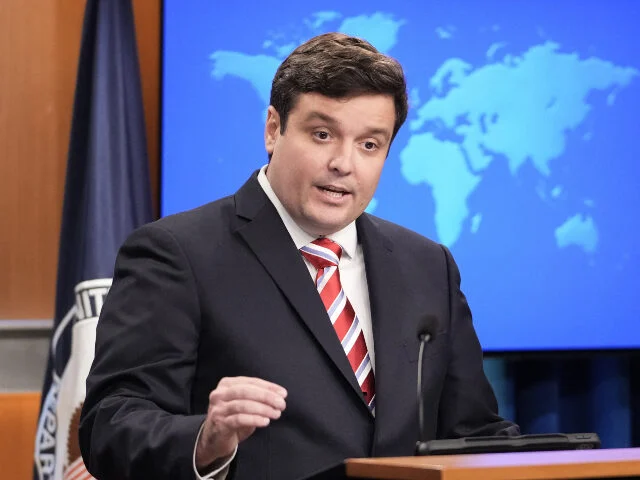
The Trump State Department has revoked well over 100,000 visas, a significant measure undertaken as part of a continuous vetting program primarily targeting individuals involved in criminal activity, with driving under the influence (DUI) offenses constituting a major component. This revelation came from Deputy State Department Spokesman Tommy Pigott during an appearance on Breitbart News Daily, where he elaborated on the administration’s aggressive stance on public safety and immigration enforcement. Pigott indicated that an updated figure, expected soon, would show an even higher number of revocations, underscoring the department’s commitment to a "no tolerance policy" for behaviors that endanger American citizens.
Context and Scale of the Revocations
The policy aims to keep "reckless foreign drivers off our streets," a stated priority of the Trump administration. Pigott detailed that the primary catalysts for these revocations are instances of criminal activity, with DUIs being a particularly prevalent factor. He emphasized that the State Department views such actions, particularly those involving impaired driving, as direct threats to public safety. The spokesperson cited extreme examples, including individuals who drove under the influence with minors in the vehicle, caused injuries to others, or even appeared intoxicated at court-mandated DUI programs. These cases, he argued, clearly demonstrate a disregard for law and order and the safety of the American populace, necessitating swift and decisive action from federal authorities.
The figure of over 100,000 visa revocations represents a substantial number when viewed against the backdrop of overall visa issuance. In fiscal year 2019, for instance, the U.S. Department of State issued over 9.2 million non-immigrant visas and over 462,000 immigrant visas worldwide. While the precise percentage of revocations relative to total active visas is not explicitly provided, the sheer volume suggests a robust and active enforcement mechanism. This policy aligns with the broader "America First" agenda of the Trump administration, which consistently prioritized national security and public safety through stricter immigration controls, enhanced vetting procedures, and more aggressive enforcement actions.
The Mechanism of Continuous Vetting and Interagency Cooperation
Pigott provided insight into the operational framework supporting these revocations, highlighting a sophisticated "continuous vetting program" that involves robust communication between the State Department and various domestic law enforcement partners. This interagency collaboration is crucial for identifying individuals whose behavior post-visa issuance renders them ineligible to maintain their travel privileges to the United States.
The process typically begins when a foreign national, holding a valid U.S. visa, is involved in criminal activity, such as a DUI arrest, an interaction with law enforcement, or a conviction. Information regarding such incidents is then communicated from local or state law enforcement agencies to federal authorities. This information sharing often leverages existing databases, such as the National Crime Information Center (NCIC), which is managed by the FBI and provides critical data to law enforcement across the country. Once the relevant information reaches the State Department, a consular officer reviews the case. This officer, exercising authority under the Immigration and Nationality Act (INA), makes a determination regarding the appropriateness of a visa revocation. The INA grants broad authority to consular officers to deny or revoke visas based on various grounds, including criminal offenses, health-related issues, security concerns, and other factors that might render an individual inadmissible to the U.S.
Upon a determination that revocation is warranted, the State Department proceeds with the formal cancellation of the visa. Should the individual already be present within the United States at the time of revocation, the Department of Homeland Security (DHS), specifically its component agencies like Immigration and Customs Enforcement (ICE) or Customs and Border Protection (CBP), is notified. These agencies then act as appropriate to apprehend and initiate removal proceedings against the individual, thereby ensuring their expulsion from the country. This coordinated effort underscores the administration’s commitment to a holistic approach to immigration enforcement, integrating intelligence gathering, legal determination, and physical enforcement.
Legal Framework and Historical Precedent
The authority for visa revocation is deeply rooted in U.S. immigration law, primarily the Immigration and Nationality Act (INA). Section 221(i) of the INA, for example, states that a consular officer may revoke a visa at any time if they determine that the alien is ineligible to receive such a visa. Furthermore, the Secretary of State has the discretion to revoke visas based on various factors, including security, public health, or foreign policy grounds. This authority is not new; successive administrations have utilized visa revocations as a tool to manage immigration and protect national interests. However, the Trump administration distinguished itself through its intensified focus on specific categories of offenses and the sheer scale of revocations.
Historically, visa revocations have been employed for a range of reasons, from suspected terrorism ties to serious criminal convictions. The emphasis on DUIs, while falling under the umbrella of criminal activity, represents a particular focus on public safety concerns that directly impact daily life within the U.S. The administration’s policy highlights that the privilege of holding a U.S. visa comes with an implicit expectation of adherence to U.S. laws, and serious breaches, even seemingly lesser offenses like DUIs, can have severe consequences for a foreign national’s ability to remain in or re-enter the country.
Broader Implications and Impact
The policy of aggressive visa revocation, particularly for criminal offenses, carries several significant implications:
-
Enhanced Public Safety: The primary stated goal is to remove individuals who pose a risk to American communities. By targeting offenses like drunk driving, which contribute to thousands of fatalities and injuries annually, the State Department aims to mitigate these risks. According to the National Highway Traffic Safety Administration (NHTSA), drunk driving claimed 10,874 lives in 2020, representing 30% of all traffic fatalities. Removing individuals with a propensity for such dangerous behavior, regardless of their nationality, is presented as a direct measure to protect citizens.
-
Deterrence and Compliance: The highly publicized nature of these revocations serves as a strong deterrent for foreign nationals holding U.S. visas. It sends a clear message that criminal behavior will not be tolerated and will result in severe consequences, including the loss of the privilege to travel to or remain in the U.S. This could potentially lead to increased compliance with U.S. laws among visa holders.
-
Interagency Coordination: The policy reinforces and potentially streamlines cooperation between federal immigration agencies and local law enforcement. While local agencies may have varying policies regarding cooperation with federal immigration enforcement, the continuous vetting program demonstrates a federal initiative to proactively gather and act upon criminal intelligence. This collaboration is critical for effective enforcement, allowing federal authorities to act on information that might otherwise remain siloed.
-
Perception of U.S. Immigration Policy: Such robust enforcement actions contribute to the international perception of U.S. immigration policy as strict and uncompromising under the Trump administration. While this may be viewed positively by those advocating for tighter controls, it could also raise concerns among international travelers and governments about the ease of travel to the U.S. and the stringency of its immigration system.
-
Due Process Considerations: While visa revocation is an administrative action and not a judicial one, discussions around due process often arise when immigration enforcement actions are intensified. Foreign nationals whose visas are revoked generally do not have the same rights to judicial review as U.S. citizens or lawful permanent residents facing deportation. However, the State Department asserts that consular officers follow established legal guidelines and procedures in making these determinations. The decision is made by a federal officer, based on specific criteria outlined in the INA, ensuring a degree of formality and adherence to legal standards.
Reactions and Perspectives
Official statements from the Trump administration, as articulated by Pigott, consistently framed these actions as essential for national security and public safety. The "no tolerance policy" for dangerous behavior like drunk driving resonates with a segment of the public that prioritizes law and order and strict immigration enforcement. The administration often highlighted the potential dangers posed by foreign nationals who commit crimes while on U.S. soil, using these instances to justify its broader "tough on immigration" stance.
While the primary focus of the administration and the State Department remained on the protective aspects of the policy, such stringent measures inevitably draw attention and commentary from various stakeholders. Immigration advocacy groups, for example, often monitor such policies closely, raising questions about potential broad applications, consistency in enforcement, or impacts on individuals beyond the stated targets. However, in the specific context of visa revocations for serious criminal offenses like DUIs, the public safety argument often takes precedence and garners significant support. The specific examples provided by Pigott – involving children in vehicles or repeated offenses – serve to underscore the severity of the behavior being targeted, making the justification for revocation more straightforward and widely accepted.
Looking Ahead
The State Department’s ongoing commitment to its continuous vetting program and aggressive visa revocation policy under the Trump administration signaled a sustained effort to enforce immigration laws and protect domestic public safety. The promise of an updated, higher number of revocations suggested that this was not a temporary measure but an embedded operational strategy. This approach reflects a fundamental tenet of the Trump administration’s foreign policy: that national sovereignty and the security of its citizens must be paramount, and that immigration policies serve as a critical tool in achieving these objectives. The legacy of these policies underscores a period of heightened vigilance and rigorous enforcement within the U.S. immigration system, particularly concerning foreign nationals deemed to pose a risk to public order and safety.

Related Posts
Democratic Candidates Must Moderate to Win General Elections, Says Rep. Greg Stanton
Lisa Demuth Secures Republican Gubernatorial Nomination in Minnesota, Defeating Trump-Endorsed Mike Lindell