Inside the Brussels Bubble: Bureaucracy, Burnout, and the Geopolitics of Europe’s Frontiers
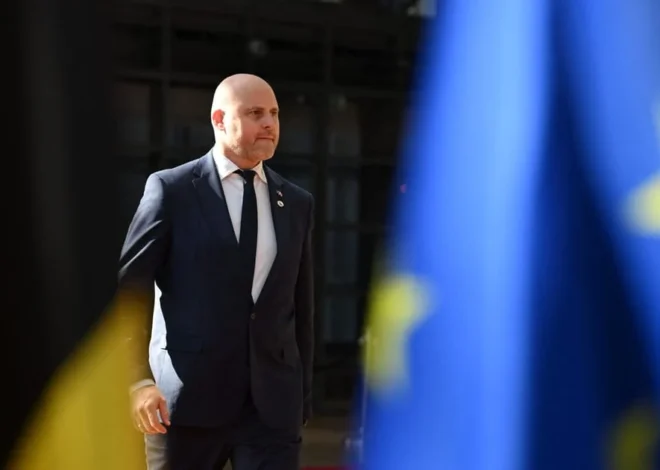
Working at the European Commission is one of the most coveted civil service jobs in Brussels, yet beneath the veneer of prestige, officials describe a culture defined by high pressure, rigid bureaucracy, and systemic burnout. While the European Union’s executive arm remains a destination for thousands of talented professionals across the continent, an investigation led by Seb Starcevic, based on interviews with a dozen officials ranging from commissioners’ cabinets to directorates-general, reveals a stark disparity between the institution’s public mission and the daily reality of its workforce.
These insiders, representing a diverse cross-section of ages, nationalities, and levels of seniority, characterize the working environment as one where the pursuit of legislative perfection often clashes with limited resources and intense political scrutiny. The psychological toll of navigating the "Brussels bubble"—a term often used to describe the insular nature of EU administration—has prompted concerns regarding staff retention and the long-term sustainability of the Commission’s operational model.
The Human Cost of EU Administration
The European Commission operates as the engine of European integration, tasked with drafting legislation, managing the EU budget, and enforcing common policies across 27 member states. However, the internal mechanisms required to facilitate this massive undertaking have come under fire. Sources report that the hierarchical structure often stifles innovation, while the pressure to meet tight deadlines—frequently driven by shifting political winds in the European Parliament and the Council—leads to chronic exhaustion.
Data on civil service morale in Brussels is notoriously difficult to aggregate, but reports from internal unions have historically highlighted issues regarding "work-life balance" and the "pressure to perform" in a highly competitive environment. Officials often point to the "revolving door" phenomenon and the intensity of the "cabinet culture"—the inner circles of commissioners—as primary drivers of professional fatigue. Critics argue that the Commission’s reliance on temporary staff and consultants to manage peak workloads further exacerbates the feelings of isolation among permanent civil servants.
The Ceuta Crisis: Sovereignty and Strategic Vulnerability
Moving beyond the internal struggles of the Commission, the recent surge of migrants into Ceuta, a Spanish autonomous city on the North African coast, has reignited a complex debate regarding the status of Spain’s exclaves. The event, which saw thousands of migrants cross the border from Morocco into Spanish territory in a matter of days, was not merely a humanitarian challenge but a geopolitical flashpoint.
The historical context of these territories is vital to understanding the current tensions. Ceuta and Melilla, Spain’s two North African outposts, are remnants of a colonial past and remain the only land borders between the European Union and the African continent. Spain has held these territories for centuries, with Ceuta being integrated into the Spanish Crown in the 17th century. Morocco, however, has never officially relinquished its claims to the cities, viewing them as occupied territory.
The crisis has raised fundamental questions about the nature of European defense. With Madrid finding itself increasingly isolated from both U.S. and European allies on specific border-management issues, analysts are questioning the level of support Spain could realistically expect if Morocco were to escalate its posture. While Article 5 of the North Atlantic Treaty provides for collective defense, the application of this clause to the Spanish exclaves remains a point of legal ambiguity. Neither NATO nor the EU has explicitly confirmed that an incursion into these territories would trigger a full-scale collective military response, leaving Spain in a precarious strategic position.
Novo Nordisk and the Transatlantic Weight-Loss Race
In the realm of global commerce and public health, Denmark’s pharmaceutical giant, Novo Nordisk, has positioned itself at the center of a new transatlantic economic tension. The company, which achieved global recognition for the weight-loss drug Wegovy, is now preparing to launch a pill-based version of the medication in the European market.
This development is expected to disrupt the current weight-loss treatment landscape, which has been dominated by injectable therapies. However, the move has not been without controversy. Transatlantic tensions are already brewing, as European regulators and health systems grapple with the pricing and accessibility of these blockbuster drugs. In the United States, the high cost of Ozempic and Wegovy has sparked a fierce debate over drug pricing, with the Biden administration taking aggressive steps to negotiate prices for Medicare beneficiaries.
The European market, characterized by centralized national health services, faces a different challenge: managing the massive surge in demand for these drugs without jeopardizing the fiscal sustainability of public health budgets. Novo Nordisk’s market capitalization, which has soared to surpass that of many European sovereign states, underscores the shifting power dynamics between private pharmaceutical entities and national governments.
Chronology of Recent Strategic Tensions
To understand the current volatility within the European framework, it is necessary to examine the timeline of events that have led to these overlapping crises:
- 2021 (The Ceuta Surge): A massive influx of migrants crossed the border into Ceuta, which Spanish authorities characterized as a "pressure tactic" by Morocco following Spain’s decision to host the leader of the Polisario Front, the movement seeking independence for Western Sahara.
- 2022–2023 (Pharmaceutical Boom): Novo Nordisk experiences unprecedented demand for its GLP-1 receptor agonists, leading to global supply chain shortages and internal debates within the EU regarding the pharmaceutical strategy for the next decade.
- Early 2024 (Institutional Reform Discussions): Following widespread criticism of bureaucratic inefficiencies within the Commission, internal reform committees began reviewing the "staffing and agility" mandates for the upcoming legislative cycle.
- Mid-2024 (Security Recalibration): Diplomatic efforts to resolve the impasse over North African border control intensified, yet no definitive agreement on the status of Ceuta or Melilla was reached, leaving the territories in a state of "perpetual volatility."
Broader Implications and Institutional Outlook
The synthesis of these issues—internal fatigue, geopolitical insecurity, and the commercialization of public health—paints a picture of an European Union at a crossroads. The Commission’s struggle to manage its own personnel is emblematic of a broader institutional challenge: the need to modernize a bureaucracy designed for a smaller, more homogeneous bloc. As the EU expands and faces external pressures, the ability of its civil servants to function effectively is not just a matter of internal human resources, but a prerequisite for the survival of the European project itself.
Furthermore, the vulnerability of Spain’s borders highlights the limitations of the EU’s "strategic autonomy." If the Union cannot guarantee the security of its own frontiers, the credibility of its collective foreign policy is called into question. Similarly, the dominance of companies like Novo Nordisk serves as a reminder that the EU’s economic future depends heavily on its ability to foster innovation while maintaining strict regulatory control over products that impact the health and economic welfare of its citizens.
Official Responses and Future Outlook
While the Commission has not issued a formal statement responding to the specific allegations regarding internal burnout, spokespersons have previously emphasized that the institution is committed to "professional well-being" and continuous improvement of working conditions. Internally, there is a push to implement more flexible working arrangements, though critics argue that such measures do not address the root causes of the structural workload.
Regarding the Ceuta situation, the Spanish government has maintained a stance of "strategic patience," emphasizing its commitment to diplomatic channels with Rabat while reinforcing border security. The EU, for its part, has consistently provided financial support for border management, though individual member states remain divided on the long-term solution for migration flows.
As the political landscape in Europe shifts ahead of upcoming institutional elections, the focus is expected to remain on how the Commission balances its internal administrative duties with the external pressures of a changing geopolitical climate. Whether the institution can successfully navigate these challenges will depend on its ability to reform from within while maintaining the external alliances necessary to secure its borders and economic future.
The complexity of these issues suggests that there are no easy solutions. As the European Commission continues to navigate the intricacies of internal governance and external diplomacy, the intersection of these disparate challenges will likely define the agenda for the years to come. Policymakers, civil servants, and the public alike will be watching closely to see if the EU can reconcile its lofty ambitions with the practical realities of a world that is becoming increasingly volatile and demanding.