EU wants to double electricity use by 2040, but avoids binding target
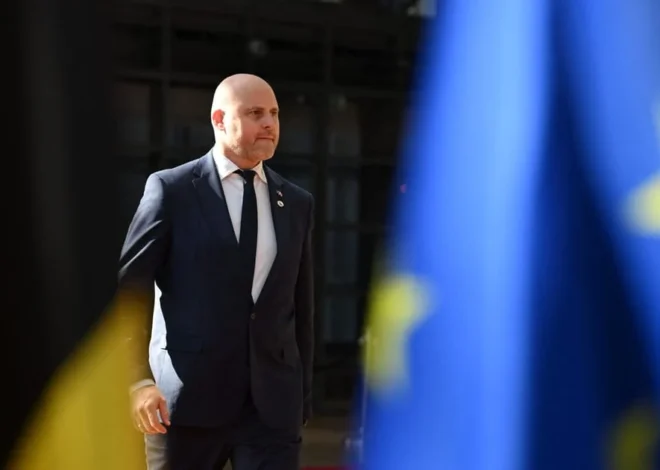
The European Union has unveiled a sweeping new electrification strategy designed to reshape the continent’s energy landscape, aiming to effectively double electricity consumption by 2040. The plan, presented by EU energy chief Dan Jørgensen, marks a definitive shift in the bloc’s climate policy, moving away from a reliance on hydrocarbons toward a fully integrated, electrified economy. While the policy signals a clear intent to phase out fossil fuels, it notably stops short of imposing legally binding national targets, opting instead for a framework of incentivized transitions.
The announcement represents the latest iteration of the European Commission’s "moment of climate truth," a critical juncture where policymakers must balance ambitious environmental mandates with the harsh realities of industrial competitiveness and grid stability. As the Commission grapples with meeting its long-term emissions-cutting promises, this electrification roadmap provides a blueprint for how European industry, transport, and heating sectors will pivot away from coal, oil, and gas.
A Chronology of the European Energy Pivot
The trajectory toward this 2040 goal has been marked by several key developments over the past year. In June, the Commission set the stage for this transition by announcing a €5 billion investment package aimed at harvesting solar energy from the Sahara Desert. The strategy, which seeks to harness the sun-soaked potential of North Africa to power Europe’s industrial heartland, underscored a growing recognition that domestic renewable production alone might struggle to meet the surging demand of an electrified continent.

However, this push for rapid electrification has encountered significant friction. Also in mid-June, the data center industry—a critical component of Europe’s digital infrastructure—issued a stark warning to Brussels. Lobbyists argued that the current reliance on intermittent renewables is insufficient to support the massive energy requirements of artificial intelligence and high-performance computing. They suggested that, in the short term, the EU faces a zero-sum game: prioritize AI dominance or maintain aggressive climate goals, as only carbon-emitting gas plants currently provide the 24/7 "baseload" power required by modern data centers.
By July, the Commission felt the pressure to reconcile these competing interests. The release of the official electrification plan this week is an attempt to bridge that gap, providing a long-term vision that emphasizes efficiency and grid modernization over immediate, disruptive mandates.
The Math Behind the Transition: Supporting Data
To reach the 2040 target, the EU must facilitate a massive expansion of its electrical infrastructure. Current data suggests that electricity accounts for approximately 23% of the EU’s final energy consumption. To reach the goals outlined by Jørgensen, that share must rise to roughly 46% by 2040.
This shift involves three primary pillars:

- Electrification of Transport: Transitioning the remaining internal combustion engine fleet to battery-electric and hydrogen fuel cell vehicles.
- Industrial Decarbonization: Switching high-heat industrial processes—currently fueled by natural gas—to green hydrogen or electric arc furnaces.
- Residential Heating: A massive, EU-wide rollout of heat pumps to replace traditional gas boilers.
Experts estimate that this will require an increase in total installed capacity of renewable energy by a factor of three over the next 15 years. Furthermore, the European Network of Transmission System Operators for Electricity (ENTSO-E) has suggested that cross-border interconnection capacity must double to balance the intermittent nature of wind and solar across different member states.
Official Responses and Internal Tensions
The decision to forgo binding targets has drawn mixed reactions from stakeholders. Environmental groups have expressed concern that a "voluntary" approach will allow member states to drag their feet, potentially undermining the bloc’s commitment to the European Green Deal. They argue that without strict enforcement mechanisms, the transition will be too slow to meet the 2050 climate neutrality objective.
Conversely, industry representatives and some member state governments have welcomed the flexibility. "The age of fossil fuels is coming to an end," Jørgensen stated during the launch, but he acknowledged that the transition must be managed to avoid "energy poverty" or industrial flight. By avoiding binding targets, the Commission is attempting to prevent the political backlash that accompanied previous, more rigid environmental regulations, which were often criticized for ignoring the economic disparities between Eastern and Western Europe.
The data center sector, while still wary, has signaled a cautious interest in the proposal, provided that the EU couples the transition with significant investments in energy storage and nuclear power, which some nations are pushing to categorize as "green" energy for the sake of the grid.

Broader Impact and Economic Implications
The implications of doubling electricity use extend far beyond the energy sector. The strategy effectively dictates the future of European industrial policy. As energy prices become the primary driver of competitiveness, the bloc’s ability to build a robust, low-cost, and reliable electricity grid will determine whether companies stay in Europe or relocate to jurisdictions with cheaper, more stable energy sources.
Moreover, the strategy highlights a growing geopolitical dependence. While the EU is diversifying its energy sources—looking toward African solar, North Sea wind, and domestic nuclear—the transition requires critical raw materials, such as lithium, cobalt, and copper. The electrification plan, therefore, is as much a policy on resource security as it is a climate document. The EU is currently working on the Critical Raw Materials Act to ensure that the hardware needed for this transition is not sourced exclusively from adversarial or volatile markets.
The Path Forward: Balancing Goals and Reality
The coming months will be crucial for the implementation of the plan. While the headline goal is to double electricity usage, the "how" remains under negotiation. The Commission is expected to roll out a series of legislative "building blocks" that will define the regulatory environment for utility companies, grid operators, and consumers.
The core challenge remains the grid. Unlike the traditional model of fossil fuel power—where electricity is generated in a centralized, controllable manner—a renewable-heavy grid requires a decentralized, digitized, and highly flexible system. This necessitates significant investment in smart grids that can handle the influx of residential solar and the varying demands of electric vehicle charging networks.

The "moment of climate truth" mentioned by the Commission is not a single event, but a series of technical and political hurdles. If the EU can successfully incentivize private investment in grid infrastructure while maintaining public support through stable energy pricing, it may serve as a model for global decarbonization. However, if the grid fails to keep pace with the electrification of industry and transport, the bloc faces the risk of rolling blackouts or, more likely, a protracted period of economic stagnation.
As Europe stands at this crossroads, the rhetoric of the "end of fossil fuels" is being met with the reality of engineering challenges. The success of the 2040 electrification goal will ultimately depend on whether the EU can transition from the era of ideological climate targets to the era of industrial execution. The absence of binding targets is, perhaps, a tacit admission that the transition will be driven not by mandate, but by the overwhelming economic necessity of a carbon-free future. The coming years will show whether that necessity is enough to fuel the most significant transformation of the European economy since the Industrial Revolution.