Department of Homeland Security Reports Steady 2,000 Daily Migrant Arrests Amidst Intense Political Scrutiny and Calls for Greater Enforcement
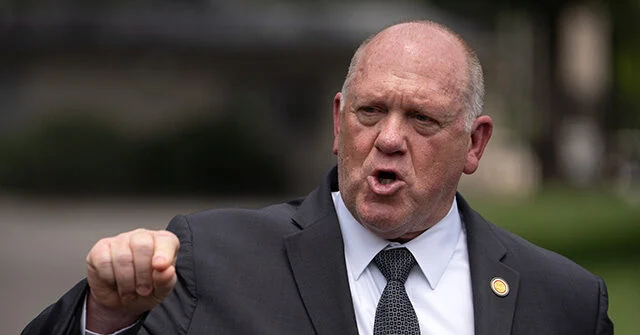
The Department of Homeland Security (DHS) is consistently apprehending approximately 2,000 migrants daily, a figure that underscores the ongoing efforts in immigration enforcement, according to immigration czar Tom Homan. Speaking to a press gaggle at the White House on Monday, Homan delivered this update amidst a charged atmosphere where reporters largely focused on internal narratives surrounding Immigration and Customs Enforcement (ICE) operations, including the use of body cameras and oversight mechanisms. His briefing aimed to address a spectrum of criticisms, particularly from those on the political right advocating for more stringent immigration controls.
The Administration’s Stance and Enforcement Figures
Tom Homan, a prominent figure in immigration policy during the Trump administration, clarified the daily arrest figures, stating, "We’re having about 2,000 pretty steady." This announcement served as a direct counterpoint to burgeoning criticisms that the administration was not doing enough to curb irregular migration. Homan emphasized that despite a temporary dip in enforcement numbers due to a previous government shutdown, the figures have rebounded significantly. He reported that arrests are currently up approximately 40 percent compared to the same funding period, after experiencing a 12 to 16 percent decrease during the shutdown. Notably, Homan highlighted that the month of June recorded the highest numbers of arrests in the history of the agency, a testament, he argued, to the renewed vigor and full funding of immigration enforcement bodies.
Homan used the platform to vigorously defend DHS Secretary Markwayne Mullin, navigating the complex political tightrope between the Republican Party’s pro-deportation voter base and the business sector’s persistent demand for migrant labor. His remarks aimed to clarify the operational structure within DHS, stating, "Me and Markwayne want to get along well. He cares about the mission. We serve different roles. ICE and CBP report to Markwayne. I help Stephen Miller. We develop strategies to send down to the programs for implementation. So, we’ve got different roles, but I think Markwayne is doing a good job." This statement underscored a division of labor, with Mullin overseeing the direct operational agencies like ICE and Customs and Border Protection (CBP), while Homan assists in strategic development.
Pushback Against Criticism and Defense of ICE Agents
A significant portion of Homan’s appearance was dedicated to refuting what he termed "false narratives" propagated by "pro-American activists and voters" who contend the administration’s enforcement efforts are insufficient. He directly addressed a social media post, likely from platform X (formerly Twitter), which falsely claimed ICE was arresting 3,000 individuals daily last year. Homan emphatically denied this, stating, "No, not once, not a single time do we arrest 3,000 [in a day], and now they say we’re arresting 2,000. We’re having about 2,000 pretty steady." He expressed frustration over the spread of misinformation, urging critics to conduct thorough research before assailing the administration’s record. "I’m really tired of the false narratives going out there about what this administration is doing. The numbers are up. Last month, June, highest numbers of arrests in the history of the agency… I wish people do a little bit of research before they start attacking this administration. What we’re doing right now, our numbers higher than [they’ve] ever been, and I’m sick and tired of people saying we’re not doing enough."
Homan also took a moment to laud the dedication and professionalism of frontline ICE agents, asserting that criticism of the administration’s enforcement levels amounted to an "insult" to these officers. "That’s an insult to every ICE agent that’s strapping up every day, working six and seven days a week to get this done. It’s an insult. These men and women are acting professionally. They’re out there making record numbers." This impassioned defense aimed to bolster morale within the agency and push back against public and political condemnation.
The Broader Immigration Enforcement Debate: Data, Transparency, and Political Dynamics
The White House press gaggle, however, revealed a disconnect between the administration’s messaging and the focus of the mainstream media. Reporters present did not delve into the broader implications of deportations, such as potential gains for American workers, the efficacy of worksite enforcement, estimates of self-deportation numbers, investigations into white-collar migration fraud, or the specific demands of the business sector for migrant labor. This omission highlighted the narrow scope of media inquiry, which often prioritizes specific angles over a holistic examination of immigration policy and its multifaceted impacts.
While 2,000 daily arrests represent a significant operational tempo, translating to an estimated 730,000 migrants annually, critics argue this figure remains insufficient when contextualized against the broader influx of migrants. Pro-American, pro-deportation advocates contend that even these improved numbers fall short of addressing the scale of irregular migration, especially when compared to figures cited by critics regarding previous administrations. For instance, some critics contrast the current arrest rates with claims of millions of individuals entering the country without authorization under different policies, particularly referencing the estimated 8 million individuals under previous administrations’ approaches, which they argue exacerbated wage-cutting and rent-spiking pressures. This disparity fuels calls for even more aggressive enforcement and deportation strategies.
Advocacy for Mass Deportation and Skepticism of Official Statistics
A vocal contingent of pro-American and pro-deportation advocates has intensified its pressure on the DHS, demanding greater transparency and more robust action. Mike Howell, president of the Oversight Project and a key figure in the Mass Deportation Coalition, has expressed significant skepticism regarding the official deportation statistics. Howell’s organization has initiated legal action against the government to compel the release of updated and comprehensive data.
In an interview on July 8, Howell articulated his concerns, stating, "The [official] numbers don’t add up." He voiced apprehension about a potential "amnesty push," fearing that "inflated deportation statistics will be used to look tough on enforcement, so the amnesty lobby can gain leverage in a deal with the basic premise being like ‘We deported it enough – now’s the time to deal with the legalization.’" Howell’s primary objective is to preempt such a scenario by ensuring honesty and accuracy in deportation figures, thereby facilitating a "legitimate policy conversation about how to handle deportation enforcement." He stressed the importance of maintaining trust within the base of voters who support stringent enforcement, stating, "There’s enough people out in the base who have lost trust in the numbers, and I want to keep them enthusiastic and on the same page about what the numbers are, so we can figure out where to go."
Howell underscored the political salience of this issue, particularly in upcoming elections. He argued that "mass deportation" is a "winning issue" that resonates strongly with base voters. He cited DHS’s own data, which indicated broad public support for such measures, further reinforcing the political imperative for robust enforcement. On Monday, DHS released data indicating that it had deported 356,389 migrants since October of the previous fiscal year, a figure that is scrutinized by advocates like Howell.
Historical Precedents and the Influence of Special Interest Lobbies
Howell drew parallels to historical instances where, he alleges, deportation numbers were manipulated to serve political agendas. He specifically referenced the "Gang of Eight" amnesty advocates in 2013 and 2014, who he claims inflated deportation figures to provide political cover for politicians supporting amnesty legislation. According to Howell, these efforts were primarily driven by "special interest lobbyists who… rely on illegal labor," including the farm lobby, agriculture, hospitality, restaurants, and their allies within the Chamber of Commerce. These groups, he argued, consistently advocate for policies that facilitate access to cheap migrant labor.
Howell pointed to legislative efforts like the Dignity Act and the Farm Work Modernization Act as examples of the "blob of the Amnesty Lobby" at work. He asserted that these groups receive substantial rhetorical assistance from media allies, enabling them to "take advantage of inflated numbers" to push their agenda. This narrative suggests a long-standing tension between those advocating for strict immigration enforcement and powerful economic interests benefiting from migrant labor.
Business Sector Engagement and the Push for Worksite Enforcement
Adding another layer of complexity to the debate, reports have emerged detailing active engagement between the business community and DHS officials. The Washington Post reported that earlier this month, DHS officials met at their Washington headquarters with the Essential Worker Immigration Coalition, which includes the U.S. Chamber of Commerce and other major trade associations reliant on immigrant labor. These meetings underscore the ongoing efforts by business groups to influence immigration policy, specifically arguing against intensified enforcement measures that could impact their workforce.
Despite these lobbying efforts, Tom Homan has publicly advocated for an increase in worksite enforcement operations. Last week, he reiterated his stance, stating, "We need to fire up worksite-enforcement operations, because I know, not only can you arrest illegal aliens that cause a decrease in wages for the American worker, not only does it hurt legitimate businesses because they undercut their bids and it puts Americans out of work, but also because… they’re in the country illegally." This position highlights the administration’s intent to target employers who hire undocumented workers, thereby aiming to address both immigration violations and perceived negative impacts on the American labor market.
Mike Howell echoed Homan’s sentiment regarding the influence of special interest lobbies, stating, "We want to just push the special interest lobby out of the way. People in power know that there is an even more powerful constituency that supports mass deportations." This suggests a strategic effort to empower the pro-enforcement base and diminish the sway of business groups in shaping immigration policy.
Conclusion: An Unresolved Policy Standoff
The current landscape of immigration enforcement is characterized by a persistent and multifaceted standoff. The Department of Homeland Security, through figures like Tom Homan, asserts its commitment to robust enforcement, pointing to rising arrest and deportation numbers as evidence of its effectiveness. However, these claims are met with skepticism and demands for greater transparency from pro-enforcement advocates, who fear political manipulation of data and an underlying agenda for amnesty. Simultaneously, powerful business interests continue to lobby against stringent enforcement, highlighting their reliance on migrant labor. This complex interplay of political will, economic interests, and public sentiment ensures that immigration enforcement remains a highly contentious and evolving policy area, with profound implications for both national security and the socio-economic fabric of the country. The debates surrounding daily arrest numbers, annual deportations, and the veracity of official statistics are not merely bureaucratic concerns but are deeply intertwined with the nation’s political future and the upcoming electoral cycles.

Related Posts

Democratic Candidates Must Moderate to Win General Elections, Says Rep. Greg Stanton
Lisa Demuth Secures Republican Gubernatorial Nomination in Minnesota, Defeating Trump-Endorsed Mike Lindell