A Dispute Brews Between the US and Brazil: The Trump Administration Revokes the Visa of Lula’s Ambassador in Washington
In a significant escalation of the already strained relations between the governments of Donald Trump and Luiz Inácio Lula da Silva, the United States administration has revoked the visa of Brazil’s ambassador in Washington, Maria Luiza Ribeiro Viotti. This move by Washington is reportedly a direct response to Brazil’s prolonged delay in formally approving the diplomatic credentials of the ambassador designated by the White House for the South American nation, Daniel Pérez, and its denial of visas to other U.S. officials. The tension between the two countries, already palpable, now appears to be entering a more confrontational phase, with diplomatic tit-for-tat actions taking center stage.
According to a senior State Department official, who spoke to international agencies and was cited by Brazilian media, Ambassador Viotti’s visa will be reinstated once the issues concerning the American diplomats are resolved. Viotti has been serving as Brazil’s ambassador to the United States since June 2023. The core of the dispute lies in Brazil’s perceived reluctance to fully accept the designated U.S. ambassador, Cuban-American Daniel Pérez, whose nomination was reportedly made on June 1st. This reciprocal action suggests a hardening of stances, where each country appears to be leveraging diplomatic tools to exert pressure on the other.
The context for this diplomatic friction is multifaceted, stemming from broader ideological differences and recent political developments. The Lula da Silva administration, which returned to power in Brazil with a more left-leaning agenda, has often found itself at odds with the policies and rhetoric of the Trump administration, particularly concerning international relations, environmental issues, and democratic norms. While the specific reasons for Brazil’s hesitation regarding Ambassador Pérez’s accreditation remain officially undisclosed, speculation points towards concerns over Pérez’s background or potential policy implications his appointment might entail.
The State Department official’s statement, while providing a rationale for the visa revocation, also underscored the reciprocal nature of diplomatic norms. The implication is that the U.S. views Brazil’s actions as a breach of established protocol, thus warranting a similar retaliatory measure. This exchange highlights the delicate balance of power and respect that underpins international diplomatic relations.
The repercussions of such diplomatic disputes can be far-reaching, impacting not only bilateral relations but also regional dynamics and international cooperation on various fronts. Trade, security, and multilateral initiatives could all be indirectly affected as trust and communication channels become strained.
Argentina-Brazil Diplomatic Tensions: A Precedent of Friction
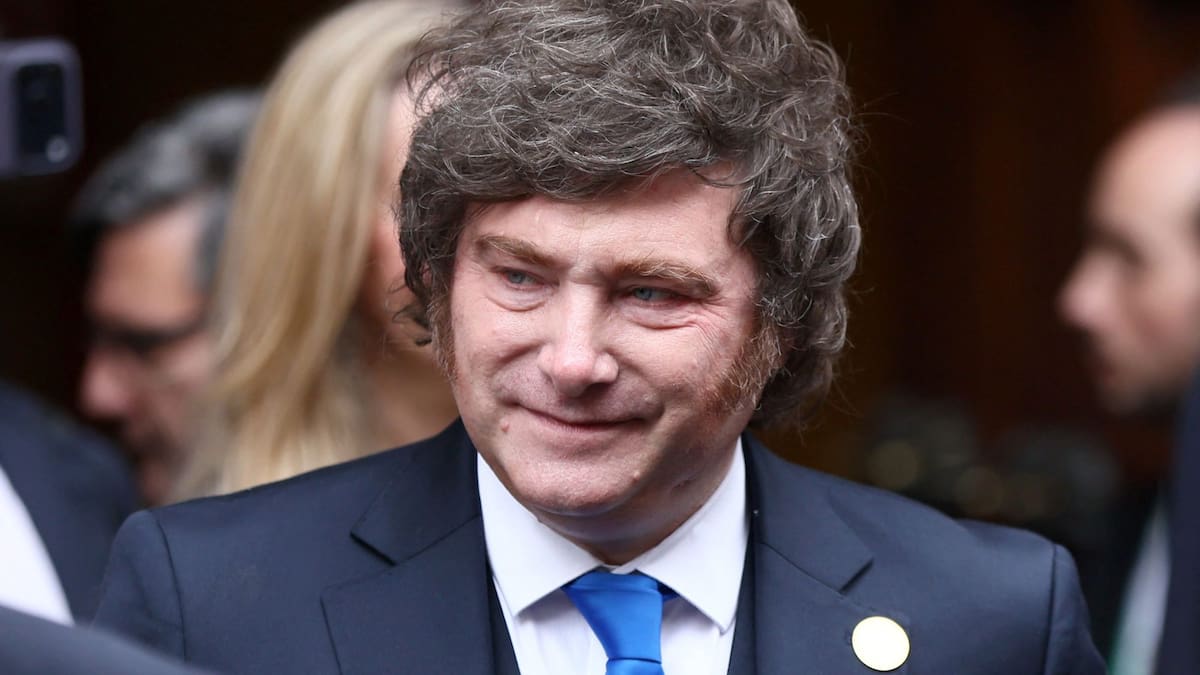
This recent escalation between the U.S. and Brazil occurs against a backdrop of significant diplomatic strain between Brazil and Argentina, further underscoring a period of regional recalibration. The Brazilian government has expressed its displeasure with Argentina’s decision to reduce the level of its diplomatic representation in Brasília. This action was taken after a series of public exchanges between Argentine President Javier Milei and Brazilian President Luiz Inácio Lula da Silva, which included sharp criticisms and personal attacks.
The Argentine Ministry of Foreign Affairs issued a statement lamenting Brazil’s decision to postpone indefinitely the return of its ambassador, Julio Bitelli, to Buenos Aires. This move effectively downgraded Brazil’s diplomatic presence in Argentina to that of an "encargado de negocios," a significantly lower level of representation. The statement from Argentina’s Foreign Ministry, shared by Chancellor Pablo Quirno, characterized Brazil’s decision as "unilateral" and attributed it to "purely ideological reasons" that were isolating Brazil from the rest of the region.

The Brazilian Ministry of External Relations, under Minister Mauro Vieira, had summoned the Argentine ambassador in Brasília, Daniel Raimondi, to deliver a formal protest. This protest was a direct consequence of remarks made by President Milei during a media tour over the weekend, which were perceived as deeply offensive by the Brazilian government. The situation escalated rapidly, culminating in Brazil’s decision to downgrade diplomatic ties and recall its ambassador.
This diplomatic spat between Argentina and Brazil is not an isolated incident but rather part of a broader pattern of ideological divergence and political friction in South America. The differing political philosophies and approaches to regional integration between the Milei and Lula administrations have created a volatile environment for bilateral relations. Brazil’s strong reaction signals its commitment to defending its national interests and its president’s dignity, while Argentina’s response suggests a willingness to engage in a diplomatic standoff, particularly when perceived ideological motivations are at play.
The implications for regional stability and cooperation are significant. A fractured relationship between two of South America’s largest economies can hinder progress on various fronts, including economic integration, security cooperation, and collective responses to regional challenges. The decision by Brazil to reduce its diplomatic ties with Argentina sets a precedent for how inter-state relations can be impacted by political rhetoric and ideological clashes, potentially encouraging similar actions by other nations in the region.
Foreign Ownership of Land in Argentina: A Growing Concern
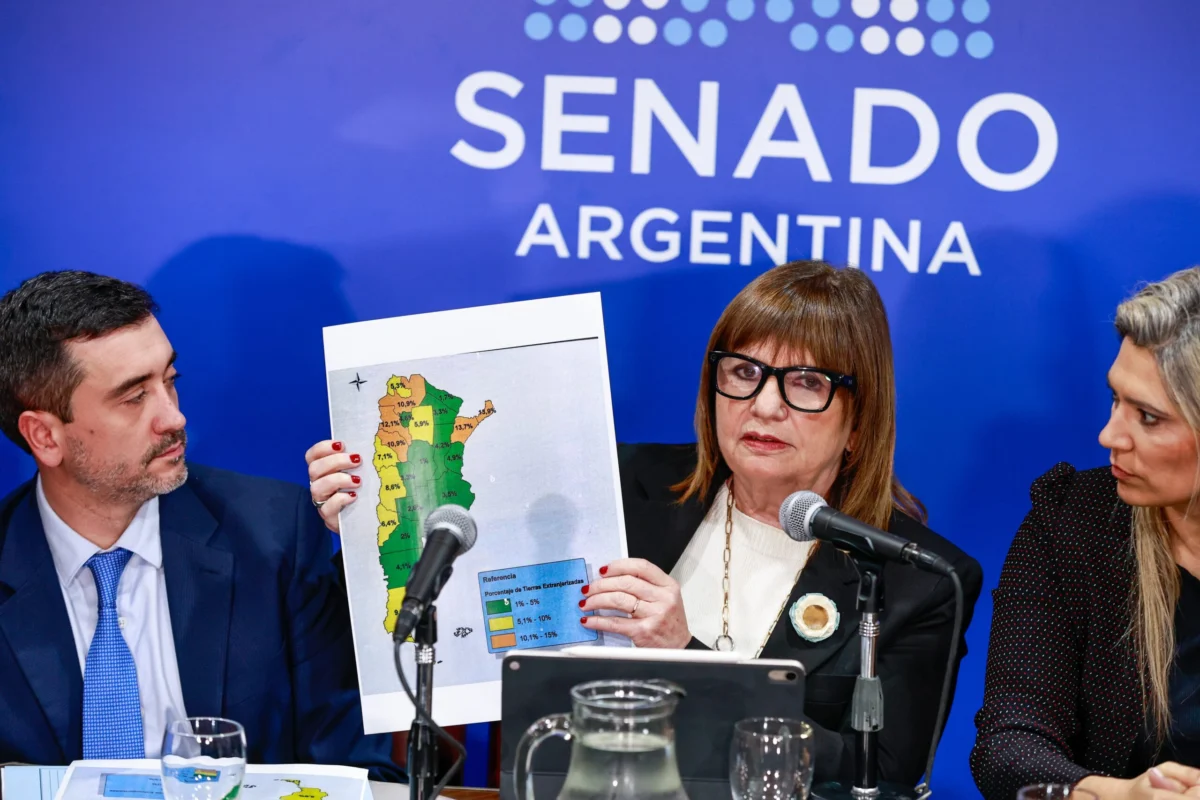
Amidst these international diplomatic developments, domestic issues in Argentina are also taking center stage, particularly concerning the ownership of land by foreign entities. The Argentine government is reportedly seeking to extend limitations on the purchase of land by foreigners, raising a critical question: how much Argentine land is currently in foreign hands?

The most recent available data indicates that approximately 13.2 million hectares of Argentine land are owned by foreign entities. This vast expanse represents nearly 5% of the country’s total continental surface. To put this into perspective, this area is comparable to the size of provinces like Santa Fe or Santiago del Estero, and is roughly ten times the size of the Falkland Islands. This significant foreign land ownership has become a focal point of debate, particularly as the government considers new legislation to potentially restrict such acquisitions further.
The debate over foreign land ownership is complex, touching upon issues of national sovereignty, economic development, and agricultural policy. Proponents of stricter regulations argue that large-scale foreign ownership can lead to land speculation, displacement of local communities, and a concentration of agricultural power in the hands of a few. They often point to the potential for foreign entities to prioritize profit over sustainable land management or national interests.
Conversely, arguments in favor of foreign investment in land highlight the potential benefits, such as capital infusion, technological transfer, and job creation in the agricultural sector. Supporters believe that restricting foreign ownership could deter much-needed investment and hinder the modernization of Argentine agriculture.
The government’s move to potentially tighten regulations suggests a leaning towards addressing the concerns raised by those advocating for greater national control over land resources. The specific details of any proposed new legislation, including the percentage limits and types of land that would be affected, will be crucial in determining the impact on foreign investment and the agricultural sector as a whole.

Political Maneuvering in the Argentine Senate: A Heated Debate
The legislative landscape in Argentina is currently marked by intense political maneuvering, particularly within the Senate, as key pieces of legislation are debated. One of the most contentious issues is the proposed law regarding the inviolability of private property, which includes a controversial clause on the sale of land to foreigners.
The ruling party, La Libertad Avanza (LLA), has been actively engaging with allied blocs to advance its legislative agenda. A recent meeting of allied bloc leaders in the Chamber of Deputies aimed to prioritize economic projects crucial to President Javier Milei’s agenda, with discussions scheduled for August 19th. However, the Senate is currently grappling with a more immediate and divisive issue: the voting procedure for Senator Anabel Fernández Sagasti.
Vice President Victoria Villarruel, who also presides over the Senate, has issued a decree that exceptionally authorizes Senator Fernández Sagasti, a prominent member of the Kirchnerist faction, to participate and vote remotely in the upcoming session. This decision is particularly significant as Senator Fernández Sagasti is pregnant, and the decree cites her condition as the reason for the exceptional measure.
However, this decree is not without its detractors. Senator Patricia Bullrich, a key figure in the ruling party and the head of the LLA bloc in the Senate, has sharply criticized Vice President Villarruel’s decision. Bullrich has accused Villarruel of "militating for Kirchnerism" and described the decree as a "legal mess." She argues that such a precedent undermines the established regulations and allows for a form of voting that is not formally recognized by the Senate’s rules.

The controversy stems from the potential impact of Senator Fernández Sagasti’s vote on the outcome of the land ownership debate. While the government has reportedly agreed to limit foreign land ownership to 25% of a province’s surface area, the precise details and final vote remain critical. The opposition of figures like Bullrich to Villarruel’s decree highlights internal divisions within the broader coalition supporting President Milei, and the complex political dynamics at play in the Senate. The ultimate decision on whether Senator Fernández Sagasti can vote remotely rests with the full Senate, setting the stage for a potentially contentious session.
Legal Developments and Personal Matters
Beyond the major political and diplomatic events, the news cycle also includes significant legal and personal developments concerning public figures.
Facundo Moyano Indicted, Released: Following an inquiry, Facundo Moyano has been indicted on charges of gender-based violence. However, he has been released from custody. The case involves allegations from Candela Arizaga, who reportedly accused Moyano of assault and confinement. Despite Arizaga initially denying being physically assaulted or held captive by Moyano when speaking with the City Police, the prosecutor’s office has maintained the initial accusation. Moyano is subject to legal constraints, including a prohibition from approaching the alleged victim within 300 meters, as part of his release conditions.
Pablo Moyano Appears Amidst Brother’s Scandal: In the shadow of his brother Facundo’s legal troubles, Pablo Moyano, a prominent trade union leader, was seen in a meeting with Esteban "Gringo" Castro. This meeting occurred in the lead-up to the San Cayetano mobilization, a significant event for labor unions. The two leaders reportedly discussed actions planned for the week, including a demonstration at Congress concerning the land law and the San Cayetano mobilization. This public appearance by Pablo Moyano underscores the ongoing activities within the labor movement, even as his family faces personal and legal challenges.

The Vatican’s Imminent Announcement: A Potential Papal Visit
A significant development anticipated by the Argentine government involves a potential visit from Pope Francis. There is considerable expectation within official circles for an imminent announcement from the Vatican regarding the Pope’s trip to Argentina. Reports suggest that the visit is tentatively scheduled for November 8th to 11th.
President Javier Milei has reportedly tasked his Minister of Foreign Affairs, Pablo Quirno, with the mission of mending relations with the Church, both with the Vatican and the Argentine Episcopal Conference. The Secretary of Worship and Civilization of the Nation, Agustín Caulo, recently visited the Vatican, signaling a renewed effort to foster closer ties. The expectation of the Pope’s visit, if confirmed, would represent a significant diplomatic and symbolic achievement for the Milei administration, which has sought to align itself more closely with religious institutions.
The Vatican’s official announcement is anticipated in the coming hours or days, and its confirmation would mark a historic moment for Argentina, potentially bringing renewed spiritual and diplomatic focus to the nation.

Related Posts

The Electric Vehicle Battery Health Debate Emerges as Argentina’s EV Market Accelerates
President Donald Trump Confirms Secret Departure from Turkey Amidst Assassination Threat