Public Support for War on Iran Hits Record Low as Trump Approval Rating Sees Marginal Increase Amid Strategic Uncertainty
Public support for the United States’ military campaign against Iran has plummeted to its lowest level since the conflict began five months ago, according to a new Reuters/Ipsos poll. The data, released in late July 2026, reveals that only 33% of Americans—one in three—currently back the war effort. This decline comes as a significant majority of the electorate expresses confusion and dissatisfaction regarding the administration’s long-term objectives in the Middle East. Despite the waning enthusiasm for the military intervention, President Donald Trump’s overall job approval rating has seen a slight uptick, rising to 37%, a three-point increase from the previous month’s record lows.
The poll, conducted between July 24 and July 26, highlights a growing disconnect between the White House’s foreign policy execution and the American public’s expectations. While the president’s base remains somewhat resilient, the broader population appears increasingly skeptical of a conflict that has yet to produce a definitive victory or a clear exit strategy. The findings suggest that the "rally around the flag" effect, which typically bolsters presidential support during the early stages of a war, has either dissipated or failed to materialize in the face of economic strain and shifting military goals.
Strategic Ambiguity and the Communication Gap
A central finding of the Reuters/Ipsos survey is the public’s perception that the executive branch has failed to articulate a coherent mission. Approximately 69% of respondents, including nearly 40% of registered Republicans, stated that President Trump has not "clearly explained the goals of U.S. military involvement in Iran." This sentiment transcends party lines, indicating a systemic failure in the administration’s communication strategy.
Since the initiation of hostilities, the White House has offered a rotating set of justifications for the intervention. At various intervals, the administration has cited the necessity of toppling the Iranian clerical leadership, the urgent need to dismantle Iran’s ballistic missile infrastructure, and the paramount goal of preventing the Islamic Republic from achieving nuclear weapons capability. This lack of a singular, consistent objective has left many voters, even those who traditionally support a hawkish foreign policy, feeling alienated.
In response to the poll findings, White House Press Secretary Olivia Wales emphasized that the president’s decisions are guided by national security imperatives rather than popular sentiment. "The President will not make decisions based on fluid opinion polls," Wales stated during a press briefing. She reiterated the administration’s stance that a nuclear-armed Iran poses an existential threat to the United States and its allies, asserting that the American people ultimately value a commander-in-chief who takes "bold action" to ensure long-term safety.
A Chronology of the Five-Month Conflict
To understand the current state of public opinion, it is necessary to examine the rapid escalation of the conflict. The war, which many in the administration initially predicted would be a short-term surgical operation, has expanded into a complex regional struggle.
- February 28, 2026: The United States and Israel launched a series of coordinated aerial strikes against Iranian nuclear facilities and military command centers. The administration characterized the move as a preemptive strike to thwart an imminent nuclear breakthrough.
- March 15, 2026: Following Iranian retaliatory strikes on U.S. assets in the Persian Gulf, the Pentagon authorized a surge of ground forces and increased naval presence in the region. Initial polling showed support for the strikes at approximately 37%, with a large portion of the public (29%) remaining "unsure."
- April – May 2026: The conflict spilled over into neighboring territories. Iran-allied militias in Lebanon began heavy shelling of northern Israel, leading to a secondary front that required additional U.S. logistical and intelligence support. During this period, the administration began shifting its rhetoric toward "regime change" as a secondary goal.
- June 2026: Domestic economic pressures began to mount as global oil markets reacted to the instability in the Strait of Hormuz. Gasoline prices in the U.S. crossed the $4.00 per gallon threshold.
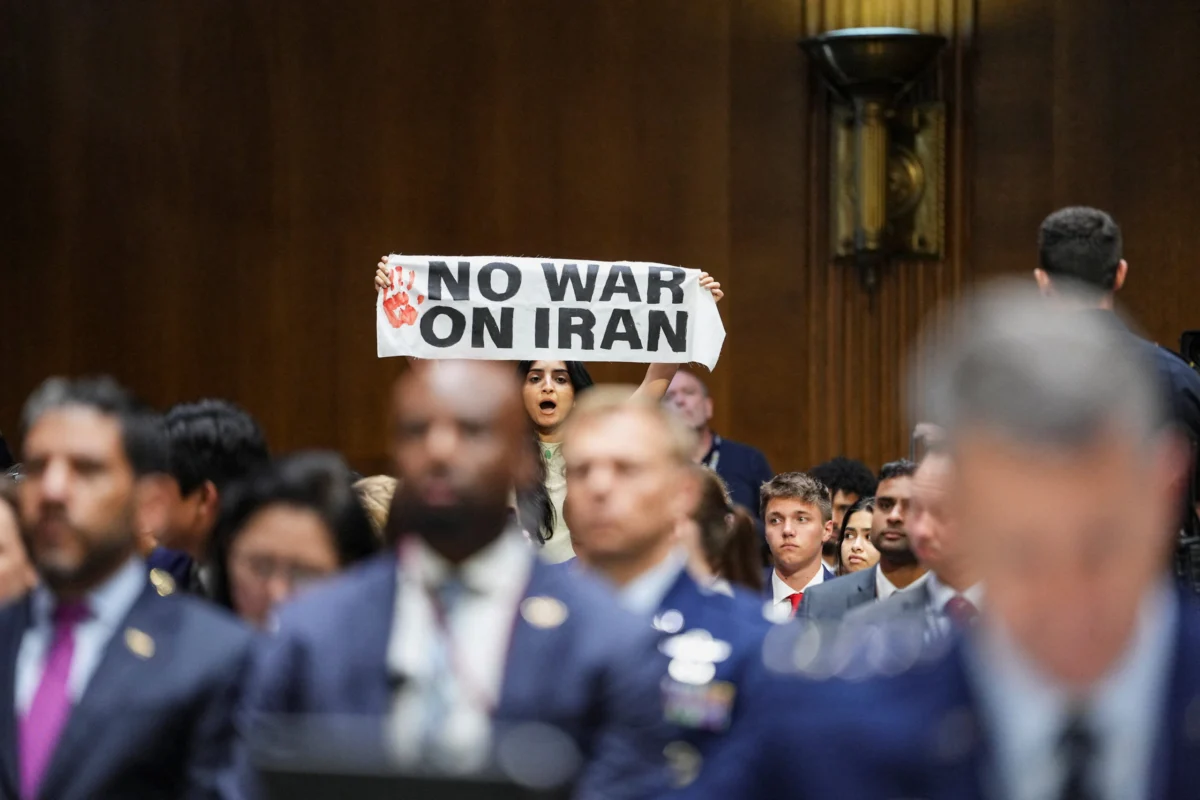
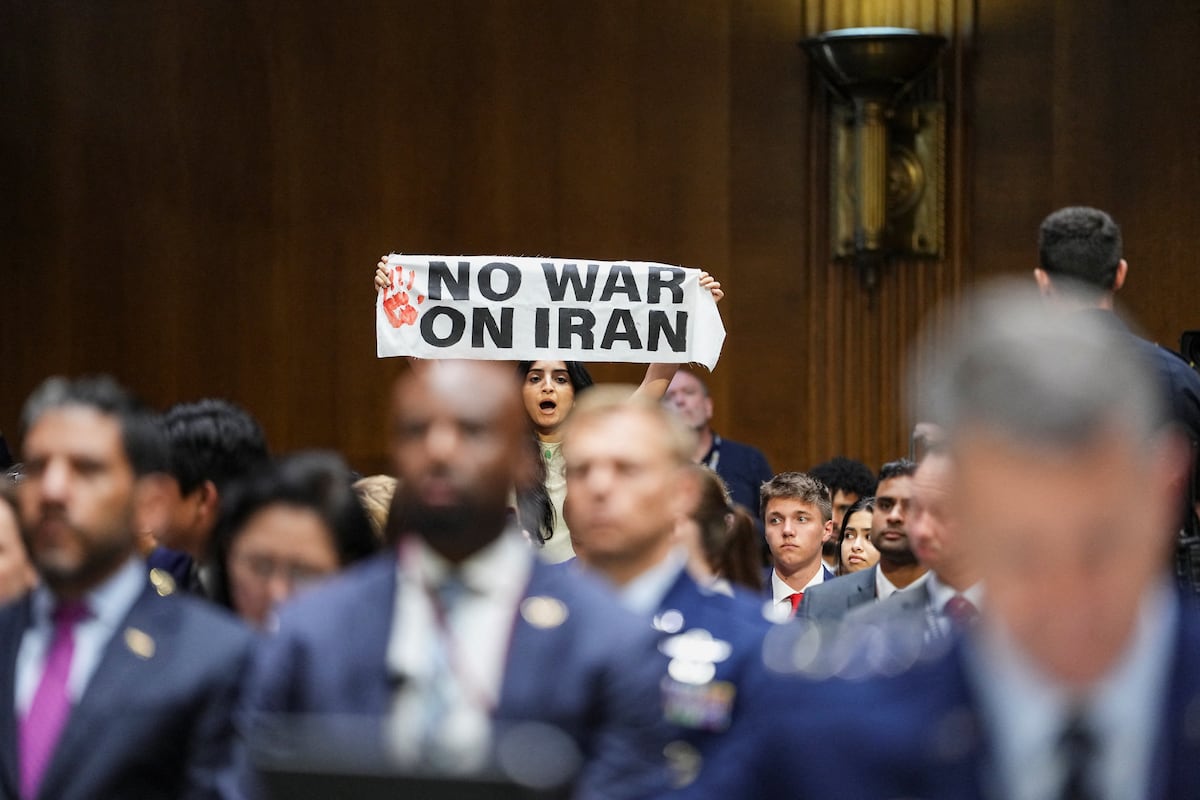
- July 2026: The Senate Appropriations Committee held high-level hearings on President Trump’s supplemental funding request for the Department of Defense. Protests became a frequent sight at the Capitol, reflecting the growing anti-war sentiment captured in the latest Reuters/Ipsos data.
Comparative Support: A Historical Departure
The current lack of public enthusiasm stands in stark contrast to other major U.S. military interventions of the 21st century. Historically, the American public has shown overwhelming support for the commencement of hostilities, particularly when the mission is framed as a direct response to a threat.
According to Gallup historical data, the Iraq War (2003) enjoyed roughly 70% support in its initial months, despite later becoming a point of deep national division. Similarly, the war in Afghanistan (2001) saw nearly 90% of the country backing military action following the September 11 attacks. The current conflict with Iran, which began with only 27% to 37% support, represents a historical anomaly.
Analysts suggest that this skepticism is rooted in "intervention fatigue" following two decades of conflict in the Middle East, as well as a more polarized media environment. Unlike the early 2000s, the current electorate is more sensitive to the long-term costs of "forever wars." President Trump’s own 2024 campaign rhetoric, which emphasized an "America First" policy and a vow to keep the U.S. out of enduring foreign entanglements, has created a sense of betrayal among some of his supporters.
The Domestic Economic Toll
The war’s impact is not limited to the battlefield; it is increasingly felt at the gas pump and in the grocery store. The average price of gasoline nationwide has surged to just over $4 per gallon, up from $3 per gallon in February. This 33% increase has strained household budgets and fueled domestic dissatisfaction.
Economic strategists note that the timing of the conflict is particularly difficult for the Republican Party. With the November 2026 midterm elections approaching, the GOP is struggling to maintain its focus on domestic economic successes. Alex Conant, a Republican political strategist, noted that the White House’s pivot to foreign policy has undercut its ability to campaign on kitchen-table issues. "It’s hard to win the economic arguments when you’re clearly focused on foreign policy," Conant said, highlighting the difficulty of justifying military expenditures when inflation remains a concern for the average voter.
The poll reflects this economic anxiety. Independent registered voters now favor Democratic congressional candidates over Republicans by a margin of 36% to 20%. Perhaps more tellingly, these voters also indicated they trust Democrats more than Republicans on general economic policy, a reversal of traditional polling trends.
The Human Cost and Regional Stability
The human toll of the conflict continues to rise. To date, 18 American soldiers have been killed in action, a number that the Pentagon recently moved into a specific "overseas operations" category to distinguish it from routine deployments. While the American casualty count remains relatively low compared to previous conflicts, the regional devastation is extensive.
Thousands of deaths have been reported in Iran, and the conflict in Lebanon between Israeli forces and Iran-allied fighters has led to a humanitarian crisis. The displacement of civilians in the Levant and the destruction of infrastructure in Iranian urban centers have drawn criticism from international human rights organizations and have further complicated the United States’ diplomatic standing.
Public figures like Alex Womack, a retired Marine and former Republican supporter, exemplify the shift in sentiment. Womack, who supported the 1991 Gulf War, expressed confusion over the current administration’s path. "It’s not clear why we started a war with them," he said, noting that his support for the president has ebbed as the conflict dragged on without a clear resolution.
Political Implications for the 2026 Midterms
The Reuters/Ipsos poll serves as a warning for the Republican Party as it prepares to defend slim majorities in both the House and Senate. The data suggests that the war is not only unpopular but is also serving as a catalyst for Independent voters to align with the Democratic opposition.
Voters like Rhyan Anderson, an Independent from Georgia who voted for Trump in 2024, are voicing a desire for a return to domestic priorities. "My biggest thing is just focus on the people who are actually in the country," Anderson said, echoing a sentiment that the administration should prioritize domestic infrastructure and economic relief over foreign military aid.
As the November elections approach, the Trump administration faces the dual challenge of managing a volatile military front while attempting to regain the trust of a skeptical domestic audience. The slight rise in the president’s approval rating to 37% provides a small measure of political breathing room, but the underlying dissatisfaction with the war in Iran suggests a precarious path ahead for the GOP.
The administration’s ability to consolidate its goals and provide a transparent roadmap for the conclusion of hostilities will likely be the deciding factor in whether it can reverse the current trend of public disapproval. Without a clear victory or a significant diplomatic breakthrough, the conflict with Iran may become a defining—and potentially damaging—legacy of the current presidency.

Related Posts
Pentagon Forges Landmark Seven-Year Agreements with Boeing and RTX to Accelerate Standard Missile-3 Production and Stabilize Defense Supply Chains
Boeing Unveils Ultra Low-Cost Seeker to Enhance Missile Inventory and Combat Cost Challenges in Modern Warfare