Trump Administration Scores Another TPS Win as Burma Protections Set to End
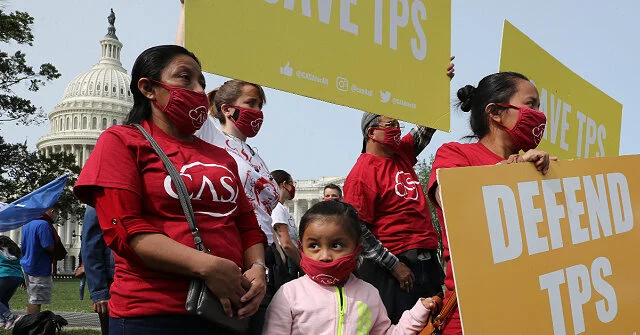
The Trump administration has largely succeeded in its comprehensive efforts to terminate Temporary Protected Status (TPS) for nearly every country targeted by the Department of Homeland Security (DHS), a policy shift that stands to affect over one million migrants who have built lives in the United States, often for decades. Recent federal court decisions in Boston and Chicago on Friday, August 7, 2026, delivered critical victories to the administration, siding with the Department of Homeland Security in separate cases concerning TPS for South Sudan and Burma. These rulings grant DHS the authority to proceed with the termination of deportation protections for nationals of these two countries, marking a significant milestone in the administration’s broader immigration agenda.
The Landscape of TPS Terminations Under the Trump Administration
As of the latest rulings, the Department of Homeland Security has systematically ended TPS protections for migrants from a comprehensive list of nations, including Haiti, Syria, Yemen, Afghanistan, Cameroon, Nepal, Honduras, Nicaragua, Venezuela, South Sudan, and most recently, Burma. These designations collectively encompass a staggering number of individuals who have resided legally in the U.S., many for extended periods, contributing to American society and the economy. The administration’s actions have targeted long-standing humanitarian protections, arguing that the original conditions justifying TPS designation in these countries have sufficiently improved.
Currently, only Ethiopia and Somalia remain under federal court orders that temporarily block the administration from ending their respective TPS designations, highlighting the near-complete execution of the administration’s policy goals. James Percival, General Counsel for DHS, publicly announced these latest legal triumphs via a post on X, underscoring the administration’s resolve in pursuing these terminations. The recent decision specifically means that TPS for approximately 3,700 Burmese nationals can now be terminated, adding to the growing number of individuals facing an uncertain future.
The sweeping TPS termination actions initiated by the administration have far-reaching implications, directly impacting roughly 350,000 Haitians, an estimated 618,000 Venezuelans, 72,000 Hondurans, 13,000 Nepalis, 12,000 Afghans, and thousands more from other designated countries. The uncertainty generated by these policy shifts has prompted considerable public discussion, with users on platforms like X pressing the administration for clarity on the practical next steps, including the timeline for removals and the number of migrants who may have already departed the country voluntarily.
Understanding Temporary Protected Status: A Historical Overview
To fully grasp the magnitude of these developments, it is essential to understand the origins and purpose of Temporary Protected Status. TPS is a humanitarian immigration program established by the U.S. Congress through the Immigration Act of 1990. It offers temporary legal status, including work authorization and protection from deportation, to foreign nationals in the United States whose home countries are experiencing extraordinary and temporary conditions that make safe return impossible or unsafe. These conditions typically include ongoing armed conflict, environmental disasters (such as earthquakes or hurricanes), or other extraordinary and temporary conditions.
The authority to designate or terminate TPS lies with the Secretary of Homeland Security. A country’s designation can be for a period of 6 to 18 months and is subject to renewal if the Secretary determines that the original conditions persist. Historically, TPS has been granted to individuals fleeing a wide range of crises. For instance, countries like El Salvador received TPS following devastating earthquakes, while others like Sudan and South Sudan were designated due to civil conflict and humanitarian crises. The program was designed to be temporary, providing a safe haven until conditions improved, but for many, these "temporary" protections extended for years, even decades, as home country situations remained volatile.
The Trump Administration’s Stance and Rationale
Upon taking office, the Trump administration signaled a significant shift in immigration policy, advocating for stricter enforcement and a re-evaluation of programs like TPS. The administration’s core argument for terminating TPS designations centered on the assertion that the "temporary" nature of the protections had been overlooked, and that the original extraordinary conditions in the designated countries no longer existed to the extent required by law. Officials consistently maintained that the program had been improperly extended for too long, essentially becoming a de facto permanent residency program for some recipients.
Critics of the terminations, including immigrant advocates and humanitarian organizations, argued that this rationale often ignored the on-the-ground realities in many of the affected countries. They pointed to persistent violence, political instability, lack of infrastructure, and severe economic hardship as continuing impediments to safe return. Furthermore, many TPS holders had established deep roots in the U.S., raising families, owning homes, and contributing to local economies, making their sudden removal a complex humanitarian and social issue.
A Chronology of Terminations and Legal Battles
The process of terminating TPS for numerous countries has been a protracted and legally contentious one, unfolding over several years with a series of announcements, legal challenges, and judicial rulings.
- 2017: The Trump administration began its review of TPS designations, signaling its intent to end protections for several countries. Initial announcements targeted Nicaragua (effective January 2019) and Sudan (effective November 2018), citing improved conditions.
- 2018: The administration announced the termination of TPS for Haiti (effective July 2019), El Salvador (effective September 2019), and Honduras (effective January 2020), among others. These decisions immediately sparked widespread protests and numerous legal challenges, primarily arguing that the terminations were arbitrary, capricious, or motivated by racial animus.
- 2019: Legal battles intensified. Multiple lawsuits were filed, notably Ramos v. Nielsen (later Ramos v. Wolf), which challenged the terminations for El Salvador, Haiti, Nicaragua, and Sudan. Federal courts issued preliminary injunctions, temporarily blocking these terminations, allowing hundreds of thousands of TPS holders to retain their status while litigation proceeded.
- 2020-2021: The legal landscape remained fluid. While some injunctions held, others were challenged and occasionally overturned on appeal. The administration also announced the termination of TPS for Syria (effective September 2022) and Yemen (effective March 2022), though these were later extended due to ongoing instability. Venezuela was granted TPS in March 2021 by the Biden administration, a significant reversal for that country compared to the Trump administration’s earlier stance.
- 2022-2025: The legal fight continued. The Ramos injunction, which had provided relief for many, saw various stages of appeals. Meanwhile, the administration continued to designate and terminate TPS for other countries based on its assessments. For instance, Cameroon was designated for TPS in April 2022 due to extreme violence, but its status became a subject of later review and eventual termination under the Trump administration’s consistent policy.
- August 7, 2026: The federal court rulings in Boston and Chicago concerning South Sudan and Burma represented a pivotal moment. These decisions allowed the administration to move forward with terminations that had previously been stalled or were in contention, largely affirming the executive branch’s authority in these matters.
This extensive timeline demonstrates the administration’s consistent strategy and the persistent legal resistance it faced, culminating in a series of judicial decisions that largely upheld the government’s discretion in this area.
Specific Cases: South Sudan and Burma Rulings
The recent rulings in Boston and Chicago highlight the specific legal arguments and outcomes that have shaped the current situation. For both South Sudan and Burma, the Trump administration argued that the conditions that initially warranted TPS designation no longer met the statutory criteria for extension.
South Sudan was initially designated for TPS in 2011 following its independence and subsequent internal conflicts. The administration contended that while challenges remained, the level of armed conflict and humanitarian crisis had evolved sufficiently to no longer justify TPS. Similarly, Burma (Myanmar) had been designated due to protracted internal conflicts and instability. The administration’s argument was that, despite ongoing human rights concerns and political turmoil, the specific "extraordinary and temporary conditions" as defined by the TPS statute had improved or changed in nature, thus warranting termination.
Federal judges in both cases ultimately agreed with the Department of Homeland Security’s interpretation, deferring to the executive branch’s assessment of country conditions. These rulings underscored the judicial branch’s general reluctance to second-guess the Secretary of Homeland Security’s factual determinations regarding foreign affairs and national security, particularly when framed within the "temporary" nature of the TPS statute. While immigrant advocates expressed deep disappointment, emphasizing the continued dangers in these countries, the courts found that the administration had acted within its legal authority.
Impact on Affected Communities and Supporting Data
The termination of TPS has profound and often devastating consequences for the individuals and families affected. Many TPS holders have lived in the U.S. for extended periods, some for over two decades. They have established families, including U.S. citizen children, bought homes, started businesses, and become integral parts of their communities.
- Haiti: Approximately 350,000 Haitians were under TPS. Many arrived after the devastating 2010 earthquake. Their return to Haiti, a country still grappling with political instability, gang violence, and economic hardship, poses immense risks.
- Venezuela: While the Biden administration granted TPS to Venezuelans, earlier efforts by the Trump administration to limit protections underscore the fluctuating policy. The 618,000 Venezuelans currently with TPS would have faced extreme uncertainty had prior termination efforts succeeded.
- Honduras: About 72,000 Hondurans, many of whom received TPS after Hurricane Mitch in 1998, face potential deportation to a country still plagued by violence, poverty, and natural disasters.
- Nepal: Approximately 13,000 Nepalis, designated after the 2015 earthquake, face removal to a country still recovering and vulnerable to future seismic events.
- Afghanistan: The 12,000 Afghans with TPS face return to a nation under Taliban rule, with severe human rights abuses and a collapsed economy.
- South Sudan and Burma: The 3,700 Burmese nationals and thousands of South Sudanese will now lose their protections, forcing them to consider returning to regions with documented ethnic violence, civil unrest, and humanitarian crises.
- Syria and Yemen: While numbers fluctuate due to ongoing conflict and policy extensions, tens of thousands from these nations face immense danger if forced to return.
- Cameroon: Thousands of Cameroonians, fleeing a brutal civil conflict, also face potential loss of status, pushing them back to severe violence.
Beyond the humanitarian aspect, the economic impact is substantial. TPS holders contribute significantly to the U.S. economy, paying taxes, filling critical labor gaps (especially in sectors like construction, healthcare, and hospitality), and generating billions in GDP. Research from organizations like the Center for American Progress and the Center for Migration Studies has consistently shown that deporting TPS holders would result in billions of dollars in lost wages, tax revenues, and economic output, alongside the immense administrative costs of mass deportations. Many U.S. citizen children, who often rely on their TPS-holding parents, would face immense hardship, including potential separation or forced relocation to dangerous countries.
Reactions from Stakeholders
The rulings and subsequent policy implications have elicited strong reactions from various stakeholders.
- Department of Homeland Security (DHS) Officials: General Counsel James Percival’s public announcement on X reflected the administration’s satisfaction with the court decisions. Officials generally framed the victories as upholding the rule of law and restoring the "temporary" nature of the TPS program, emphasizing the importance of executive discretion in immigration matters. They often reiterate that the decisions are based on assessments that conditions in the designated countries no longer meet the statutory threshold for protection.
- Immigrant Rights Organizations and Advocacy Groups: Groups like the American Civil Liberties Union (ACLU), the National Immigration Law Center (NILC), and various faith-based organizations have consistently condemned the terminations. They argue that the decisions ignore the severe ongoing dangers in these countries, threaten family unity, and push long-term residents into precarious legal situations. They have vowed to continue fighting for legislative solutions and exploring all possible legal avenues to protect TPS holders. Their statements often highlight the humanitarian crisis that could unfold if mass deportations begin.
- Affected Communities: TPS holders and their families express profound anxiety and fear. For many, the U.S. is the only home their children have ever known. The prospect of losing work authorization, facing deportation, and returning to dangerous conditions creates immense psychological stress, financial instability, and uncertainty about their future. Community leaders and support networks have mobilized to provide legal aid, counseling, and advocacy.
- Congressional Members: Reactions in Congress have been largely divided along partisan lines. Some Republican members have supported the administration’s stance, emphasizing the "temporary" nature of the program. Conversely, many Democratic members have called for legislative action to provide a pathway to permanent residency for long-term TPS holders, citing their contributions to society and the humanitarian concerns surrounding their potential deportation.
Broader Implications and Future Outlook
The comprehensive success of the Trump administration in ending TPS for a vast majority of targeted countries sets a significant precedent for future immigration policy. It reinforces the executive branch’s power to interpret and apply the TPS statute, potentially making it more challenging for future administrations to extend or designate TPS for countries where conditions might be deemed improved, even marginally.
The most immediate implication is the looming threat of deportation for hundreds of thousands of individuals. While the administration has not yet specified when removals will begin or how they will be executed, the legal pathway has now largely been cleared. This creates an urgent need for affected individuals to seek legal counsel and explore any remaining options, such as asylum claims or other forms of relief, though these are often difficult to obtain.
Beyond the individual impact, the terminations raise broader questions about the U.S.’s role as a haven for those fleeing humanitarian crises. It also highlights the tension between the "temporary" legislative intent of TPS and the long-term realities faced by people who have lived in the U.S. for many years. The economic and social fabric of communities across the nation will be strained as a result of these policies.
The legal battles surrounding TPS are likely to continue, albeit in different forms. While the core challenge to the administration’s authority to terminate has largely been settled, new legal arguments might emerge, or legislative efforts could be reignited to provide a more permanent solution for long-term TPS holders. The ongoing debate over TPS reflects a fundamental tension in U.S. immigration policy: balancing humanitarian concerns with national sovereignty and the perceived need for stricter border control. The recent court rulings underscore a decisive shift in this balance, moving firmly towards the latter under the Trump administration’s leadership.

Related Posts

Democratic Candidates Must Moderate to Win General Elections, Says Rep. Greg Stanton

Lisa Demuth Secures Republican Gubernatorial Nomination in Minnesota, Defeating Trump-Endorsed Mike Lindell