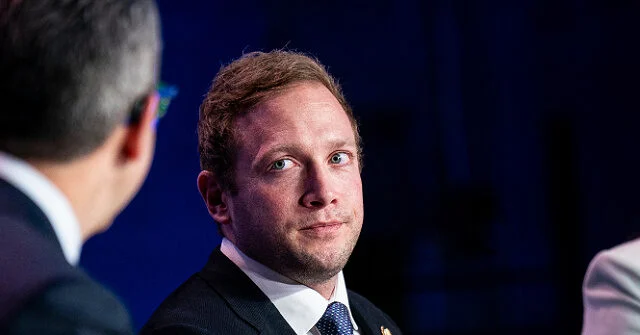
Representative Max Miller Pledges $1 Million to Re-election Campaign Amidst Mounting Domestic Abuse Allegations and Calls for Withdrawal
U.S. Representative Max Miller (R-OH) has announced a significant personal investment of $1 million into his re-election campaign, a move that signals his unwavering commitment to remain in the race despite a growing chorus of calls for his withdrawal stemming from serious domestic abuse allegations. The Ohio Republican declared his intention to provide the funds to his campaign in two equal installments of $500,000, as reported by the Wall Street Journal. This financial commitment comes at a critical juncture, just days before a crucial state deadline that would cement his name on the November ballot for Ohio’s 7th Congressional District. Miller’s defiance against mounting pressure, including public appeals from within his own party, underscores a high-stakes political battle complicated by deeply personal and contentious accusations.
A Campaign Defined by Allegations and Denials
The backdrop to Representative Miller’s determined stance is a series of grave allegations made by his ex-wife, Emily Moreno, the daughter of Ohio Senator Bernie Moreno. Court filings and police reports detail accusations of physical abuse during their marriage. These allegations include claims that Miller threw hot water at her and, chillingly, pointed a gun at her head. Further compounding the severity of these claims, Ms. Moreno has also alleged that their young daughter sustained a broken collarbone while under Miller’s care. These accusations, publicly brought forth, have cast a long shadow over Miller’s political future and ignited a fierce debate about accountability and character in public service.
Miller, for his part, has vehemently denied all allegations. He asserts that no court or government agency has substantiated the accusations of abuse against either his former wife or their daughter. His defense rests on the absence of formal legal or governmental findings supporting the claims, a point he frequently reiterates in his public statements regarding the matter. "I am in this for the long haul," Miller stated, conveying his resolve. "I know there are some people that are concerned about my ability to win this race right now, but I don’t share that." This statement reflects a campaign strategy focused on resilience and discrediting the allegations as unsubstantiated, aiming to project confidence despite the swirling controversy.
Chronology of Events and Escalating Pressure
The timeline of this unfolding political drama has been swift and impactful. The allegations from Emily Moreno first surfaced publicly through court filings and police reports, bringing a private marital dispute into the public domain and immediately drawing scrutiny to Miller, an incumbent congressman.
Following these revelations, the pressure on Miller intensified dramatically. Ohio Senator Bernie Moreno, Miller’s former father-in-law, publicly called for Miller to resign from Congress and abandon his re-election bid. This was a significant development, as it represented a public break and an explicit demand for withdrawal from a prominent figure within Miller’s own party and family circle. Senator Moreno’s statement was subsequently echoed by other Republicans, signaling a potential fissure within the Ohio GOP regarding Miller’s candidacy. The collective weight of these intra-party calls for resignation presented Miller with a formidable challenge to his political viability.
Amidst this growing political storm, attention also turned to former President Donald Trump, a key endorser and political ally of Miller. While Trump has not publicly called for Miller to end his campaign, reports indicate that he privately conveyed concerns to Miller. During a phone call this week, Trump reportedly warned Miller that winning re-election under the current circumstances would be exceedingly difficult. Furthermore, Trump is said to have privately advised his own political advisers that he believes Miller should step aside, suggesting a private acknowledgment of the severe political damage inflicted by the allegations, even if not publicly stated. This nuanced position from Trump highlights the delicate balance of political loyalty versus electoral pragmatism.
The most recent development in this timeline is Miller’s announcement of a $1 million personal loan to his campaign, a strategic financial maneuver intended to project strength and commitment just days before the critical Ohio election deadline. Ohio election officials have set a Monday deadline for Miller to withdraw his name from the ballot and be replaced. Should he choose not to withdraw by this time, his name will legally remain on the ballot for the November general election, irrespective of any further political pressure or developments. This deadline adds an immediate, high-stakes element to Miller’s decision-making process.
Campaign Finance and the Electoral Landscape
Miller’s infusion of $1 million of his personal wealth into his campaign significantly bolsters his financial war chest, providing him with a larger monetary advantage over his Democratic challenger, Brian Poindexter. Congressional campaigns, especially for incumbents, often rely on a combination of individual donations, PAC contributions, and party support. Self-funding, while demonstrating a candidate’s personal commitment and belief in their campaign, can also be interpreted as a sign that traditional fundraising avenues may be proving more challenging amidst controversy. The average cost of a winning House campaign in a competitive district can easily exceed several million dollars, making Miller’s personal contribution a substantial sum designed to maintain a robust campaign operation, including advertising, field operations, and voter outreach.
However, financial advantage does not always translate directly into electoral success, especially when a campaign is embroiled in personal scandal. Miller is running against Brian Poindexter, a union ironworker, who has gained unexpected traction in the race. A recent poll indicated Poindexter leading Miller by 14 points, a significant margin for a challenger against an incumbent, particularly in a district that might otherwise lean Republican. Such a poll result, if accurate, suggests that the domestic abuse allegations are having a profound impact on voter perception and could be eroding Miller’s base of support, or at least driving undecided voters towards his opponent.
The 7th Congressional District of Ohio, while having a Republican lean, is not entirely monolithic. It encompasses a diverse set of communities where local issues, economic concerns, and candidate character can all play pivotal roles in electoral outcomes. An incumbent’s re-election rate in the U.S. House of Representatives typically hovers around 90%, underscoring the inherent advantage of holding office. However, this advantage can be severely diminished or even negated by significant personal scandals, particularly those involving allegations of abuse, which tend to resonate deeply with voters across the political spectrum.
Broader Implications for the Republican Party and Political Conduct
The ongoing situation with Representative Miller presents a complex challenge for the Republican Party. The party often champions family values and law and order, and allegations of domestic abuse, even if unproven in a court of law, can contradict these foundational principles in the court of public opinion. The public call for Miller’s resignation from a sitting Republican Senator, coupled with reported private concerns from former President Trump, indicates the internal discomfort and strategic dilemma faced by party leaders. They must weigh the importance of party unity and supporting an incumbent against the potential for electoral damage and a tarnished public image if Miller remains on the ballot and the allegations continue to dominate the narrative.
For voters, especially those who prioritize ethical conduct and personal integrity in their elected officials, these allegations raise serious questions about suitability for public office. The distinction between legal findings and public perception becomes crucial in such cases. While Miller maintains his innocence based on the lack of formal substantiation, the allegations themselves, widely publicized, can create an indelible impression on the electorate, irrespective of the legal outcome. This dynamic often forces political parties to make difficult calculations about which battles to fight and when to distance themselves from embattled candidates.
Historically, political careers have been both made and broken by personal scandals. While some politicians have weathered storms of controversy, others have found their careers irrevocably damaged. The impact often depends on the nature of the allegations, the public’s reaction, the timing relative to an election, and the politician’s response. In Miller’s case, his defiant posture and significant financial commitment suggest a strategy to fight through the controversy, hoping that his base remains loyal and that the allegations do not ultimately sway a decisive number of voters.
The Path Forward: A High-Stakes Decision
As the Monday deadline approaches, all eyes will be on Representative Max Miller and his final decision regarding his candidacy. Should he withdraw, it would open the door for the Ohio Republican Party to select a replacement candidate, potentially averting a more damaging general election fight. However, Miller’s current stance suggests he intends to stay, setting the stage for a contentious and closely watched race in Ohio’s 7th Congressional District.
The implications of his decision are far-reaching, affecting not only his personal political future but also the dynamics of the congressional race, the standing of the Republican Party in Ohio, and the broader conversation about accountability for public officials facing serious allegations. The injection of personal funds, the continued denial of allegations, and the backdrop of a challenging poll underscore a campaign at a critical crossroads, where personal conviction clashes with intense political and public scrutiny. The outcome of this situation will undoubtedly offer significant insights into the evolving landscape of American politics and the enduring power of both financial resources and public perception in shaping electoral destinies.

Related Posts
Democratic Candidates Must Moderate to Win General Elections, Says Rep. Greg Stanton
Lisa Demuth Secures Republican Gubernatorial Nomination in Minnesota, Defeating Trump-Endorsed Mike Lindell