Iran Issues Strategic Ultimatum to Gulf Allies as Regional Tensions Escalate Amid US Military Pressure
Iran has launched an aggressive diplomatic offensive targeting Gulf monarchies, delivering a stark warning that their critical infrastructure—ranging from oil refineries to desalination plants—will be prioritized for retaliatory strikes unless they leverage their influence to halt U.S. military operations. This ultimatum marks a significant escalation in Tehran’s strategy to use regional economic vulnerability as a shield against the Trump administration’s renewed military campaign. According to senior Iranian officials and regional diplomats, the message is clear: if the United States follows through on threats to dismantle Iran’s energy and power networks, the resulting "fireball" will consume the entire Middle East, beginning with the strategic assets of Washington’s closest Arab allies.
The Diplomatic Offensive and the Nature of the Threat
The warning, delivered through a flurry of high-level diplomatic contacts over the first week of August 2026, envisages a comprehensive campaign of destruction against the energy facilities, oil fields, refineries, electricity grids, water infrastructure, and transport networks of the Gulf Cooperation Council (GCC) states. Iranian Foreign Minister Abbas Araqchi has reportedly held urgent consultations with his counterparts in Saudi Arabia, Turkey, and Qatar, as well as with Pakistan’s senior military leadership.
The core of Araqchi’s message, as relayed by a senior regional diplomat, is that Tehran views the infrastructure of the Gulf as an extension of the American military-industrial complex in the region. By threatening these assets, Iran aims to turn Gulf vulnerability into leverage, forcing regional governments to confront the reality that any U.S.-led strike on Iranian soil will have immediate and catastrophic consequences for their own domestic stability and economic survival. "We are ready to retaliate, but finding a diplomatic solution is the best way to avoid wider escalation and destruction across the region," Araqchi reportedly stated, framing the threat as a reluctant but necessary defensive posture.
Chronology of the 2026 Escalation
The current crisis follows a month of rapid military and political developments that have brought the United States and Iran to the brink of a full-scale regional war.
- July 27, 2026: The Pentagon officially reclassifies recent "killed in action" (KIA) numbers from the Iran conflict into a specific "overseas operations" category, signaling to the public that the skirmishes have transitioned into a sustained military engagement.
- July 28, 2026: President Donald Trump issues an explicit threat to target Iran’s domestic energy network and infrastructure if Tehran does not immediately cease its regional proxy activities and return to the negotiating table on U.S. terms.
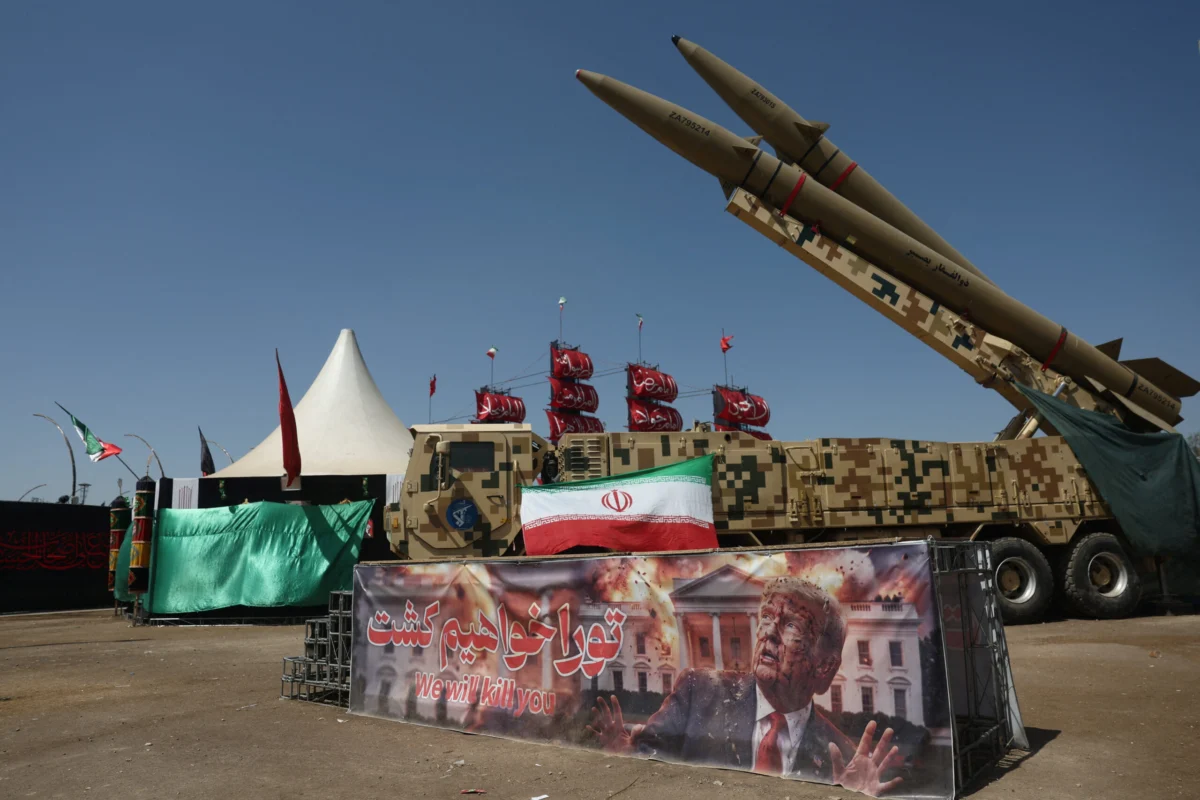
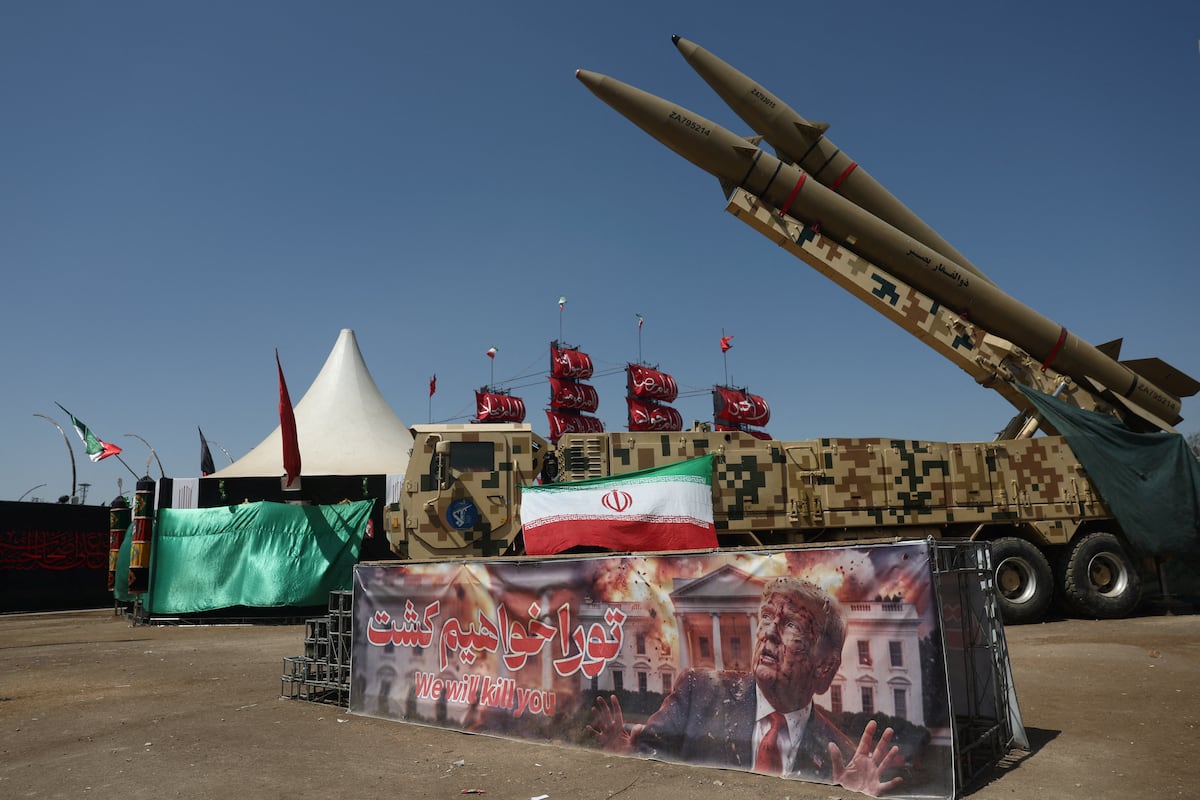
- July 30, 2026: In a show of defiance, the Islamic Revolutionary Guard Corps (IRGC) displays long-range missile systems in Tehran’s Azadi Square, emphasizing their capability to reach any point in the Persian Gulf.
- July 31, 2026: Domestic political pressure mounts in the United States as national polls indicate only one in three Americans support the war, with a majority expressing uncertainty regarding the administration’s ultimate strategic goals.
- August 2, 2026: Following a direct appeal from Saudi Crown Prince Mohammed bin Salman, President Trump announces he has "agreed to cancel" a planned massive strike on Iranian infrastructure, though he notes the reprieve is "subject to being able to rapidly make a deal."
- August 6, 2026: Details of Iran’s explicit threats to Gulf infrastructure emerge, revealing the depth of the diplomatic pressure placed on Riyadh and Doha to mediate the standoff.
Strategic Vulnerabilities and Supporting Data
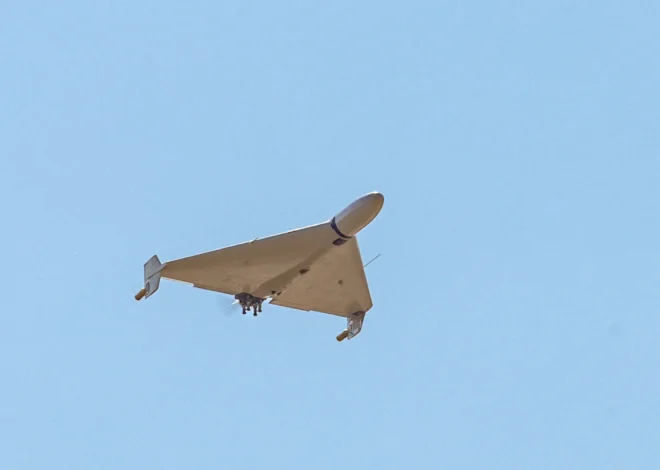
The credibility of Iran’s threat is rooted in the high concentration of critical infrastructure along the western coast of the Persian Gulf. Unlike the United States, which is geographically removed from the immediate theater of operations, the Gulf states house their most vital economic organs within range of Iran’s short- and medium-range ballistic missiles and "suicide" drones.
For Saudi Arabia, the memory of the September 2019 attacks on the Abqaiq and Khurais processing facilities remains a haunting precedent. That attack, which utilized low-flying drones and cruise missiles, temporarily knocked out more than 5.7 million barrels of daily crude oil production—roughly 5% of the global supply. Iranian officials have explicitly referenced this event in recent meetings, suggesting that a 2026 campaign would be far more expansive, targeting not just oil, but the power and water systems that sustain life in the desert.
Data from the International Energy Agency (IEA) suggests that a coordinated strike on Gulf energy hubs could lead to a global oil deficit of over 10 million barrels per day, potentially sending crude prices well above $200 per barrel. Furthermore, the Gulf states are among the most water-stressed nations globally, relying on desalination for over 90% of their potable water. A targeted strike on major plants, such as Saudi Arabia’s Ras Al-Khair or Qatar’s Ras Laffan, would create a humanitarian crisis within 48 to 72 hours.
Regional Responses and the Role of Saudi Arabia
The reaction from Gulf capitals has been a mix of frantic diplomacy and quiet military preparation. Saudi Crown Prince Mohammed bin Salman (MBS) has emerged as a central figure in the mediation efforts. Recognizing that a war would derail his "Vision 2030" economic diversification plans, MBS has reportedly urged President Trump to delay military action in favor of a negotiated ceasefire.
However, the Saudi position is not one of total capitulation. While Riyadh is pushing for diplomacy, it has also reinforced its own defensive posture. The Kingdom recently struck a $586 billion deal for Patriot missile batteries and other air defense systems to replenish stockpiles that have been depleted by years of intercepting Houthi-led strikes. Saudi analysts close to the Royal Court, such as Ali Shihabi, indicate that the Kingdom believes "sustained pressure on Iran in the Strait of Hormuz" combined with "proportionate military responses" is the only way to reach a practical settlement.
Qatar and Oman have also played their traditional roles as intermediaries, hosting delegations and facilitating the exchange of messages between Washington and Tehran. Their primary concern is the preservation of the liquefied natural gas (LNG) export routes, which are vital to European and Asian energy security.
US Domestic Politics and the Trump Factor
President Trump’s decision to pause the strikes on August 2 highlights the complex interplay between his "America First" rhetoric and the realities of a potential global economic meltdown. Having campaigned on the promise of ending "endless wars," the prospect of a high-intensity conflict with Iran that drives up domestic gasoline prices and involves significant American casualties is politically unpalatable.
The senior regional diplomat noted that the primary obstacle to a lasting agreement is the "narrative of victory." Washington is reluctant to enter a deal that allows Tehran to claim it successfully deterred a superpower. Conversely, Iran’s clerical leadership cannot appear to have folded under U.S. threats without securing the removal of U.S. military bases from the Gulf—a long-standing Iranian demand that remains a non-starter for the Pentagon.
Analysis of Implications and Broader Impact
The current standoff represents a paradigm shift in Middle Eastern security. For decades, the Gulf states relied on a "security for oil" arrangement with the United States, believing that the American military umbrella provided absolute protection. However, the 2026 crisis has demonstrated that the mere presence of U.S. forces can actually increase the risk to Gulf infrastructure, as Tehran now views these states as "hostages" to U.S. policy.
If a diplomatic breakthrough is not achieved within the window provided by the August 2 reprieve, the region faces several high-risk scenarios:
- The "Surgical" Strike Fallacy: The U.S. may attempt limited strikes on Iranian missile sites, but Iran has made it clear that it no longer recognizes the concept of "proportionate" response. Any strike on Iran will be met with "far greater damage" to the Gulf.
- Economic Decoupling: Continued threats may lead to a permanent increase in the risk premium for Middle Eastern energy, accelerating the global shift toward alternative energy sources and undermining the long-term economic stability of the oil-producing monarchies.
- A New Regional Order: If Saudi Arabia and Iran successfully negotiate a de-escalation without direct U.S. involvement, it could signal a significant waning of American influence in the region, leading to a new security architecture defined by local powers and potentially brokered by China or Russia.
As of early August, the "ball" remains in the diplomatic court. Tehran has laid out its targets, the Gulf states have voiced their vulnerabilities, and Washington is weighing the cost of "victory" against the risk of a regional "fireball." The coming weeks will determine whether the Middle East moves toward a fragile peace or a conflict that could reshape the global order for the remainder of the decade.

Related Posts
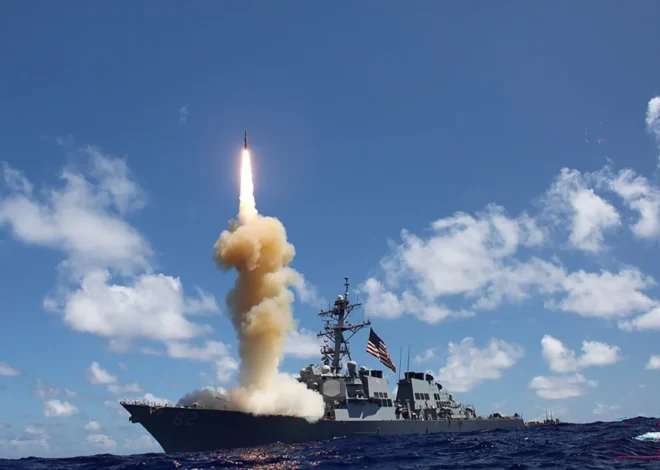
Pentagon Forges Landmark Seven-Year Agreements with Boeing and RTX to Accelerate Standard Missile-3 Production and Stabilize Defense Supply Chains
Boeing Unveils Ultra Low-Cost Seeker to Enhance Missile Inventory and Combat Cost Challenges in Modern Warfare