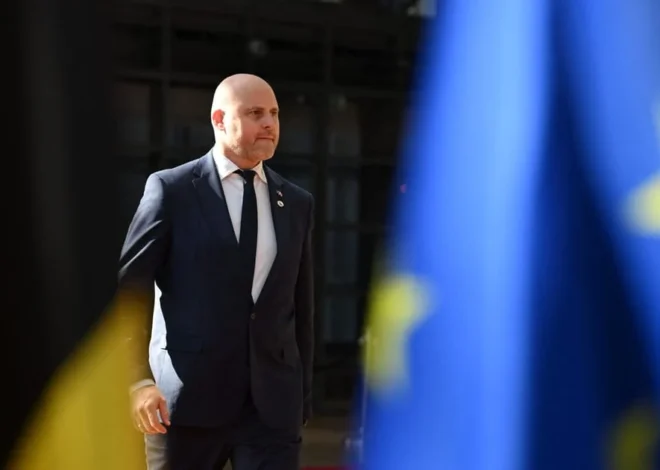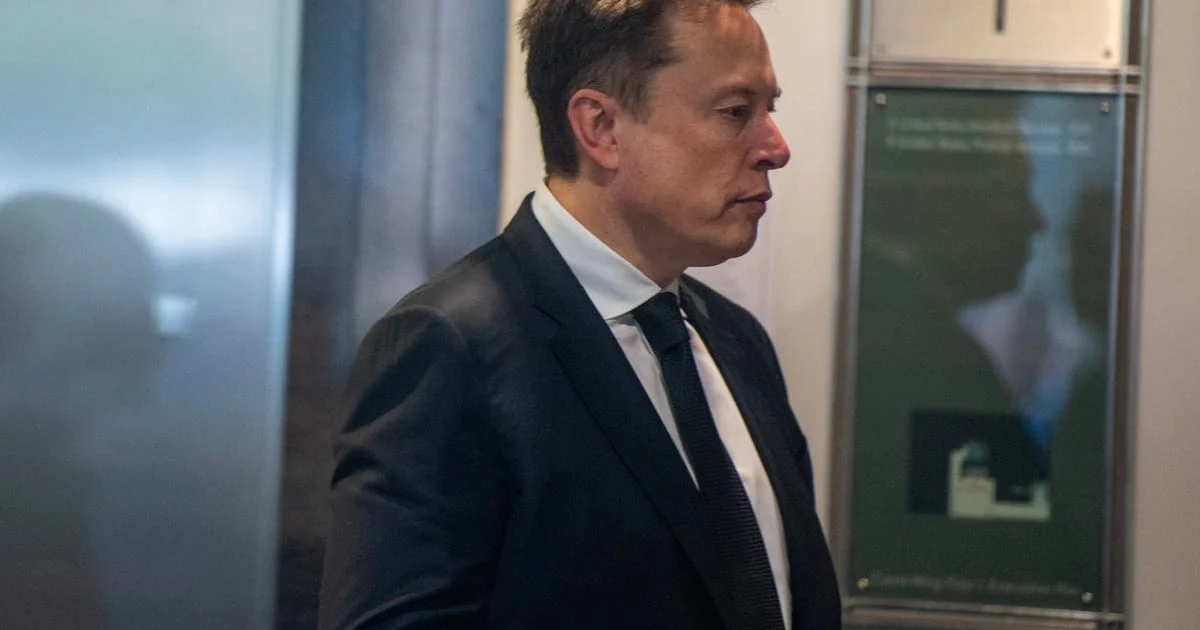
Musk says French Greens’ presidential candidate should be ‘shut down’
The Escalating Cost of Natural Disasters
Throughout the summer of 2026, the economic toll of climate-driven disasters has reached unprecedented levels. In France alone, record-breaking wildfires have scorched nearly 100,000 hectares, destroying infrastructure, displacing communities, and causing billions of euros in agricultural and residential damage. Similar scenes have played out across the Mediterranean, where Spain and Italy have faced consecutive heatwaves that exacerbate drought conditions, creating a tinderbox environment for seasonal infernos.
Insurance industry analysts note that the traditional models used to calculate risk are becoming obsolete. Historically, insurance premiums were based on long-term historical data that assumed a relatively stable climate. However, the current climate trajectory, characterized by higher mean temperatures and erratic precipitation, means that "once-in-a-century" events are now occurring with startling frequency. According to recent reports from the European Environment Agency, the economic losses from climate-related extremes in the EU have been steadily climbing, with total losses over the last decade exceeding €500 billion.
A Sector Under Pressure
The insurance industry, a pillar of European economic stability, is beginning to show signs of strain. As risk exposure increases, the primary market—comprising standard home and business insurers—is shifting the burden toward reinsurance firms. However, these global giants are also adjusting their portfolios. Reinsurers are increasingly demanding higher premiums from primary insurers, who in turn pass these costs on to the consumer.

In some high-risk coastal and forest-adjacent zones, residents are finding it increasingly difficult to secure affordable coverage. This phenomenon, often referred to as "insurance deserts," threatens to depress property values and hinder economic development in regions most susceptible to environmental hazards. Financial regulators are closely monitoring these developments, concerned that a sudden re-pricing of climate risk could trigger a broader financial instability if mortgage-backed assets lose value due to a lack of insurable property.
Chronology of Recent Climate Volatility
The current crisis did not emerge in a vacuum. It is the result of a compounding trend that has accelerated significantly over the past 36 months:
- Summer 2024: Widespread flooding in Central Europe highlighted the inadequacy of drainage systems and the vulnerability of urban centers to extreme rainfall events.
- Winter 2025: An unusually severe storm season caused extensive wind damage across the North Sea coast, leading to a record number of claims for structural repairs.
- Spring 2026: Persistent droughts across Southern Europe set the stage for the catastrophic fire season that began in earnest in late June.
- July 2026: Peak intensity of the current wildfire crisis in France and Spain, with authorities reporting that emergency services are being pushed to the limit of their operational capacity.
Geopolitical and Security Overlays
The fragility of the European landscape is further complicated by concurrent security challenges. While the continent battles the elements, it remains on high alert due to external threats. Notably, the violation of Romanian airspace by drones on two separate occasions in late July underscores the multi-dimensional threats facing the region. While distinct from climate change, these security incidents divert governmental attention and resources, complicating the long-term strategic planning required for climate adaptation.
The intersection of security and environmental concerns was recently highlighted by the diplomatic maneuverings regarding military expertise. Italy’s decision to offer an advisory role to an ousted Ukrainian defense official—a figure noted for technological reform—demonstrates the European focus on resilience and modernization. As nations like Italy attempt to modernize their defense structures, they must simultaneously integrate climate risk into their national security strategies, as infrastructure protection is now inseparable from environmental management.

Policy Responses and Official Reactions
Governments across the EU are exploring various interventions to prevent a total market failure in the insurance sector. Public-private partnerships, where the state acts as a "reinsurer of last resort," are becoming a common, albeit controversial, solution. Critics argue that such arrangements may encourage continued development in high-risk areas, essentially subsidizing the consequences of poor climate planning.
The European Commission has signaled that it will prioritize a harmonized approach to climate risk assessment. By creating standardized data sets and climate stress tests, regulators hope to provide insurers with the clarity needed to keep policies accessible. However, industry leaders are calling for more than just data; they are demanding structural investment in climate adaptation—such as flood defenses, fire-resilient forest management, and stricter building codes—to lower the underlying risk profile of European assets.
The Socio-Economic Implications
The broader impact of this crisis extends beyond the balance sheets of insurance firms. If a home becomes uninsurable, it becomes essentially unmortgageable. This could lead to a systemic shift in the European real estate market, where "climate-safe" properties in inland, higher-altitude regions appreciate in value, while coastal and fire-prone rural areas face stagnation or decay.
This geographic divide poses a significant challenge for social cohesion. Low-income households, who often occupy older, less resilient housing stock, are the most vulnerable to the combination of rising premiums and physical damage. Without robust social safety nets or government-backed insurance pools, the widening gap in insurance accessibility could exacerbate existing socioeconomic inequalities across the bloc.

Looking Ahead: The Path Toward Resilience
As Europe navigates the remainder of the 2026 summer, the focus remains on immediate emergency response. However, the long-term lesson is clear: the era of assuming climate stability is over. The insurance sector, once a quiet background player in the economy, has moved to the front lines of the climate debate.
The transition to a climate-resilient economy will require a fundamental rethink of how assets are valued and protected. Whether through mandatory retrofitting programs, the introduction of climate-indexed insurance products, or a radical shift in land-use planning, the objective is to ensure that the continent’s financial systems remain robust in the face of a changing planet.
The urgency of this situation cannot be overstated. As the frequency of natural disasters continues to climb, the window for proactive adaptation is narrowing. Policymakers, insurers, and citizens must engage in a coordinated effort to mitigate these risks. Failure to do so will not only result in mounting financial losses but will fundamentally compromise the stability of the European social contract, leaving millions exposed to the harsh, unpredictable realities of the modern climate.
As the continent looks toward the autumn, experts anticipate that the lessons learned from the 2026 wildfire season will serve as the primary catalyst for a new legislative framework aimed at ensuring that insurance remains a functional, affordable utility, rather than an unreachable luxury for the average European. The path forward will be complex, expensive, and politically fraught, yet it is an inescapable requirement for a continent determined to maintain its prosperity in a warming world.