Mali Military Junta Intensifies Crackdown on Media as Journalist Chahana Takiou Receives Prison Sentence for Criticizing Cybercrime Laws
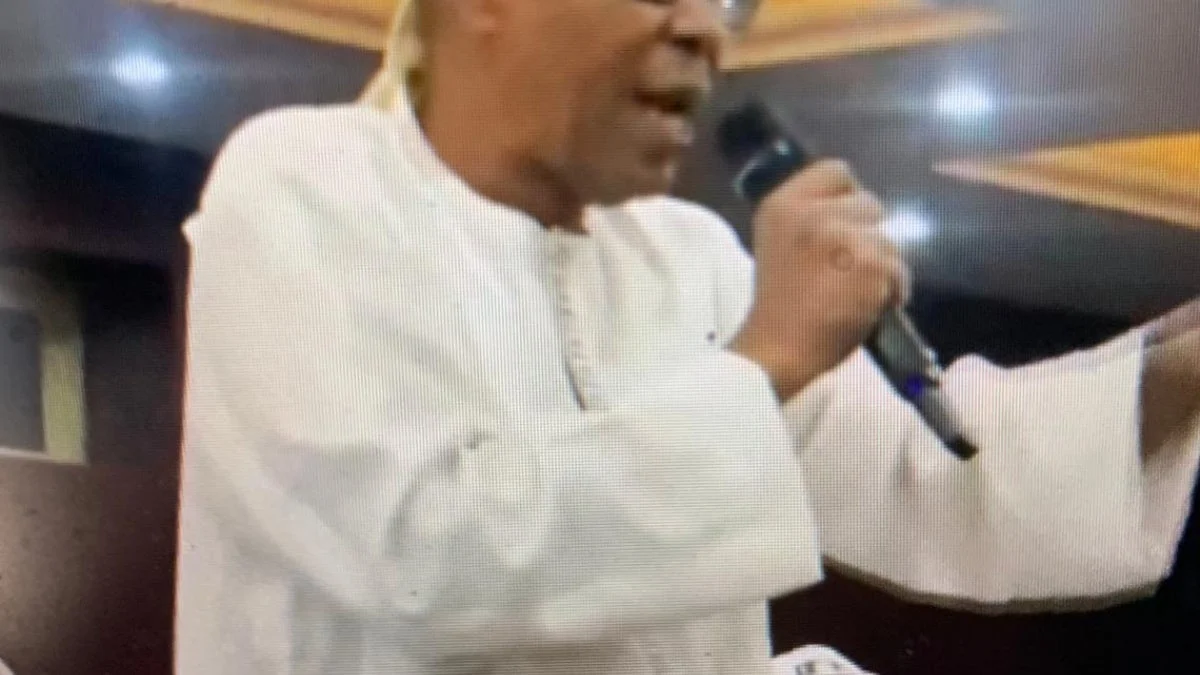
The national cybercrime court in Bamako has sentenced Chahana Takiou, a prominent Malian journalist and editor of the biweekly publication 22 Septembre, to one year in prison, marking a significant escalation in the military government’s efforts to suppress independent media. The verdict, delivered on August 3, highlights the increasing use of cybercrime legislation to bypass traditional press laws and penalize dissent. Takiou’s conviction stems from his public criticism of the authorities’ decision to prosecute a fellow journalist under cybercrime statutes rather than the established legal framework governing the press. This development is viewed by human rights organizations and international observers as part of a broader, systemic assault on freedom of expression that has intensified since the military seized power in 2020.
The Sentencing of Chahana Takiou and the Judicial Context
Chahana Takiou was arrested by security forces on June 8, 2024. His arrest followed a series of public statements in which he questioned the legal basis for the prosecution of Youssouf Sissoko, another journalist who had been sentenced to two years in prison earlier that month. Takiou argued that Sissoko should have been judged under Mali’s press laws, which generally offer more protections for journalists and favor civil remedies over criminal imprisonment. Instead, Sissoko was prosecuted under the cybercrime law for publishing an article critical of General Abdourahamane Tiani, the military ruler of neighboring Niger.
The prosecution charged Takiou with "undermining the credibility of the state through the judicial institution." Following his arrest, Takiou was placed in pretrial detention. His legal team filed multiple requests for provisional release, citing his deteriorating health. Takiou suffers from chronic conditions, including diabetes and cardiovascular disease, which his lawyers argued necessitated specialized medical attention unavailable in the prison environment. However, the state prosecutor rejected these requests, maintaining that his detention was necessary for the integrity of the judicial process.
The August 3 verdict of one year in prison confirms the judiciary’s alignment with the junta’s restrictive interpretation of national security and state prestige. By sentencing Takiou for criticizing the judicial process itself, the court has effectively signaled that even meta-commentary on the application of the law can be treated as a criminal offense.
A Targeted Use of Cybercrime Legislation
Central to the current crisis of press freedom in Mali is the strategic application of the 2019 Cybercrime Law (Law No. 2019-056). Originally designed to combat digital fraud, identity theft, and cyberterrorism, the law contains broad and vaguely defined provisions regarding "fake news" and "attacks on the credit of the state."
Journalists in Mali have historically operated under the Press Law of 2000, which provides a framework for professional conduct and legal accountability. However, the military junta has increasingly favored the cybercrime statute because it allows for immediate arrest, lengthy pretrial detention, and harsher criminal penalties. Critics argue that the law is being "weaponized" to bypass the professional protections afforded by the press code, essentially criminalizing the act of journalism whenever it touches upon sensitive political or military topics.
The Case of Abdramane Keïta and the Sensitivity of the Northern Conflict
The crackdown on media professionals extended beyond Takiou in the same week. On June 9, just one day after Takiou’s arrest, authorities detained Abdramane Keïta, the director of the newspaper Le Témoin (The Witness). Keïta’s arrest was triggered by comments he made during a television broadcast regarding the security situation in northern Mali.
Keïta stated that the northern city of Kidal was under the control of the Jama’at Nusrat al-Islam wa al-Muslimeen (JNIM), an Al-Qaeda-linked armed group. This assertion directly contradicted the official narrative provided by the Malian Armed Forces (FAMa). In April 2024, Kidal was recaptured by Malian forces supported by Russian mercenaries (formerly known as the Wagner Group, now rebranded as Africa Corps) after a three-year absence of state authority.
The junta viewed Keïta’s reporting as a direct threat to national morale and state credibility. He was charged with an "offense of a regionalist nature undermining national unity and the credibility of the state." Keïta remains in detention, with a trial scheduled for late August. His case underscores the extreme sensitivity of the military leadership regarding its territorial gains and the ongoing insurgency in the Sahel.
A Chronology of Rising Press Restrictions (2020–2024)
The trajectory of media suppression in Mali can be traced through several key events since the August 2020 coup that overthrew President Ibrahim Boubacar Keïta:
- August 2020: Military officers led by Colonel Assimi Goïta seize power. Initial promises of a short transition to civilian rule are made.
- March 2022: The Malian authorities order the suspension of French media outlets RFI and France 24 after they reported on alleged human rights abuses by the Malian army.
- Early 2023: Several activists and influencers are arrested under the cybercrime law for "insulting the head of state" or "disturbing public order."
- April 2024: The junta issues a decree suspending all activities by political parties and "associations of a political nature," effectively silencing organized opposition.
- June 2024: The arrests of Youssouf Sissoko, Chahana Takiou, and Abdramane Keïta mark a definitive shift toward targeting established, high-profile editors and directors of traditional print and broadcast media.
- August 2024: The sentencing of Takiou sets a legal precedent for penalizing criticism of the judiciary.
Supporting Data and the Erosion of Civil Space
Data from international monitoring groups reflect a sharp decline in Mali’s democratic standing. In the 2024 World Press Freedom Index published by Reporters Without Borders (RSF), Mali’s ranking plummeted as the environment for journalists became increasingly hostile. The country is now classified in the "difficult" category, a significant drop from its status a decade ago when it was considered one of the more open media landscapes in West Africa.
The Committee to Protect Journalists (CPJ) has documented a rise in the use of "arbitrary detention" as a tool for intimidation. Furthermore, Human Rights Watch (HRW) has reported that the junta’s crackdown is not limited to the press. It includes the dissolution of several prominent civil society organizations, such as the Observatory for Elections and Good Governance and the Association of Pupils and Students of Mali (AEEM). These actions suggest a comprehensive strategy to dismantle any institution capable of providing independent oversight or mobilizing public opinion against the military leadership.
Regional Context and the Alliance of Sahel States
The internal crackdown in Mali is mirrored by similar developments in neighboring Burkina Faso and Niger. These three nations, all led by military juntas that seized power in recent years, have formed the Alliance of Sahel States (AES). The alliance is characterized by a shared rejection of Western influence—particularly that of France—and an increasing reliance on Russian security assistance.
This regional shift has created a "sovereigntist" rhetoric that portrays independent journalism as a form of foreign-backed subversion. When Youssouf Sissoko was sentenced for criticizing the Nigerien leader, it demonstrated a cross-border solidarity between the juntas, where an attack on one military leader is treated as a crime by the others. This "mutual defense" of military reputation further narrows the space for regional reporting on the Sahelian crisis.
Official Responses and International Reaction
The Malian government has consistently defended its actions as necessary for national security. Spokespersons for the junta argue that in a time of war against jihadist insurgencies, the state cannot allow the spread of "misinformation" or the "demoralization" of the troops. They maintain that the cybercrime laws are essential tools for maintaining social cohesion and protecting the dignity of state institutions.
Conversely, international human rights bodies have condemned the sentencing of Chahana Takiou. The United Nations High Commissioner for Human Rights has previously expressed concern over the "shrinking civic space" in Mali, urging the authorities to respect international covenants on civil and political rights.
Local journalist unions, including the Maison de la Presse in Bamako, have voiced their "indignation and anger" over the arrests. In a collective statement, several media organizations called for a return to the application of the 2000 Press Law and warned that the current climate of fear would lead to widespread self-censorship, leaving the Malian public without access to verified information.
Broader Impact and Implications for Mali’s Future
The imprisonment of editors like Chahana Takiou has profound implications for the future of governance in Mali. By targeting the "gatekeepers" of information, the junta is effectively cutting off the flow of independent analysis. This creates an information vacuum often filled by state-sponsored propaganda or unverified rumors on social media, which can ironically lead to the very instability the government claims to be preventing.
Furthermore, the dismissal of medical grounds for Takiou’s release raises humanitarian concerns. The precedent of keeping an elderly, chronically ill journalist in prison for a non-violent opinion offense suggests a lack of judicial independence and a willingness to use the legal system as a tool of physical and psychological pressure.
As Mali approaches further trials, including that of Abdramane Keïta, the international community remains watchful. The outcome of these cases will likely determine whether Mali continues its slide toward absolute authoritarianism or if there remains any possibility for a negotiated return to a pluralistic society. For now, the message from Bamako is clear: any voice that questions the methods or the narratives of the state faces the very real prospect of a prison cell.
The immediate demand from global rights defenders is the unconditional release of Takiou and Keïta, the quashing of Takiou’s conviction, and a legislative review of the cybercrime law to ensure it is not used to infringe upon the fundamental right to freedom of expression. Without such reforms, the "credibility of the state" that the authorities seek to protect may be the very thing they destroy in the eyes of the global community.

Related Posts
Human Rights Watch Calls for Investigation into Death of Detainee Following Removal from Najaf Hospital by Iraqi Drug Police
Human Rights Watch Urges UN Security Council to Extend Lebanon Peacekeeping Mission Amid Escalating Conflict and Humanitarian Crisis