Pentagon Signs Strategic Framework Agreements with Northrop Grumman and Lockheed Martin to Triple Patriot and Quadruple THAAD Interceptor Production
The United States Department of Defense has finalized a series of landmark framework agreements with Northrop Grumman and Lockheed Martin, signaling a massive industrial pivot intended to dramatically scale the production of critical air and missile defense systems. These agreements, announced on Monday, are specifically designed to address the urgent need for Patriot Advanced Capability-3 (PAC-3) Missile Segment Enhancement (MSE) interceptors and Terminal High Altitude Area Defense (THAAD) components. This strategic move comes at a time when the U.S. military’s interceptor stockpiles have been significantly strained by simultaneous regional conflicts and the requirement to support international allies in high-intensity combat zones.
The initiative represents a fundamental shift in how the Pentagon manages its defense industrial base. Rather than relying solely on the traditional prime-contractor model, the Department of Defense (DoD) is now engaging directly with key sub-tier component suppliers to remove bottlenecks in the manufacturing process. The overarching objective is to support a long-term procurement goal of nearly 14,000 Patriot and THAAD interceptors, providing a sustained "demand signal" that encourages private industry to invest in the infrastructure necessary for high-rate production.
The Strategic Necessity: Replenishing the Arsenal of Freedom
The drive to expand production capacity is rooted in the harsh realities of modern warfare. Over the past two years, the demand for sophisticated air defense systems has reached unprecedented levels. The conflict in Ukraine has seen the Patriot system become a cornerstone of Kyiv’s defense against cruise and ballistic missiles, while more recent escalations in the Middle East have necessitated heavy usage of U.S. interceptor inventories to protect regional assets and allies from Iranian-led strikes.
A recent analysis by the Center for Strategic and International Studies (CSIS) underscored the severity of the situation, estimating that the United States has depleted approximately two-thirds of its pre-war Patriot interceptor inventory during the ongoing tensions and direct engagements involving Iran. This "race of attrition" has forced the Pentagon to recognize that current production rates are insufficient for a protracted conflict with a peer or near-peer adversary.
By tripling the production capacity for PAC-3 MSE interceptors and quadrupling the capacity for THAAD interceptors, the DoD aims to restore its strategic depth. The framework agreements serve as a guarantee to defense contractors that the government will remain a consistent buyer, allowing companies like Northrop Grumman and Lockheed Martin to modernize facilities and expand their workforces without the fear of sudden contract cancellations that have historically plagued the defense industry.
A Chronology of Escalation and Response
The path to these framework agreements can be traced through a series of geopolitical shifts and policy adjustments over the last several years:
- February 2022: The Russian invasion of Ukraine begins, leading to a massive transfer of Western military hardware, including various air defense systems, which highlights the rapid consumption rates of modern munitions.
- Late 2023: Increased hostilities in the Middle East lead to the deployment of additional Patriot and THAAD batteries to the region. U.S. forces begin intercepting a high volume of incoming threats, placing immediate pressure on existing stocks.
- Early 2024: The Pentagon’s "Acquisition Transformation Strategy" is accelerated, focusing on "Economic Defense" and the resilience of the supply chain. The Munitions Acceleration Council is tasked with identifying specific manufacturing bottlenecks.
- March 2024: CSIS and other defense think tanks release data indicating that interceptor usage is outpacing production by a significant margin, warning of a "diminished inventory" that could hamper U.S. readiness in the Indo-Pacific or Europe.
- Monday’s Announcement: The DoD formalizes the framework agreements, providing the legal and financial structure to begin the industrial ramp-up.
Redefining the Supply Chain: Direct Engagement and Second Sourcing
One of the most significant aspects of the new agreements is the Pentagon’s decision to work directly with component-level suppliers. Historically, the DoD would contract with a "prime" like Lockheed Martin, who would then manage their own sub-contractors. Under the new framework, the DoD is taking a more hands-on approach to ensure the stability of the lower tiers of the industrial base.
A primary focus of this initiative is the establishment of a second source for Patriot solid rocket motors. Currently, the production of these motors is a major chokepoint. By bringing in Northrop Grumman to provide an additional, reliable source of propulsion units, the military reduces the risk associated with a single-point failure in the supply chain.
Furthermore, the agreements cover a wide array of specific, high-tech components that are essential for missile assembly. These include:
- Ignition Safety Devices: Critical for the PAC-3 interceptors, these components ensure the missile launches reliably and safely.
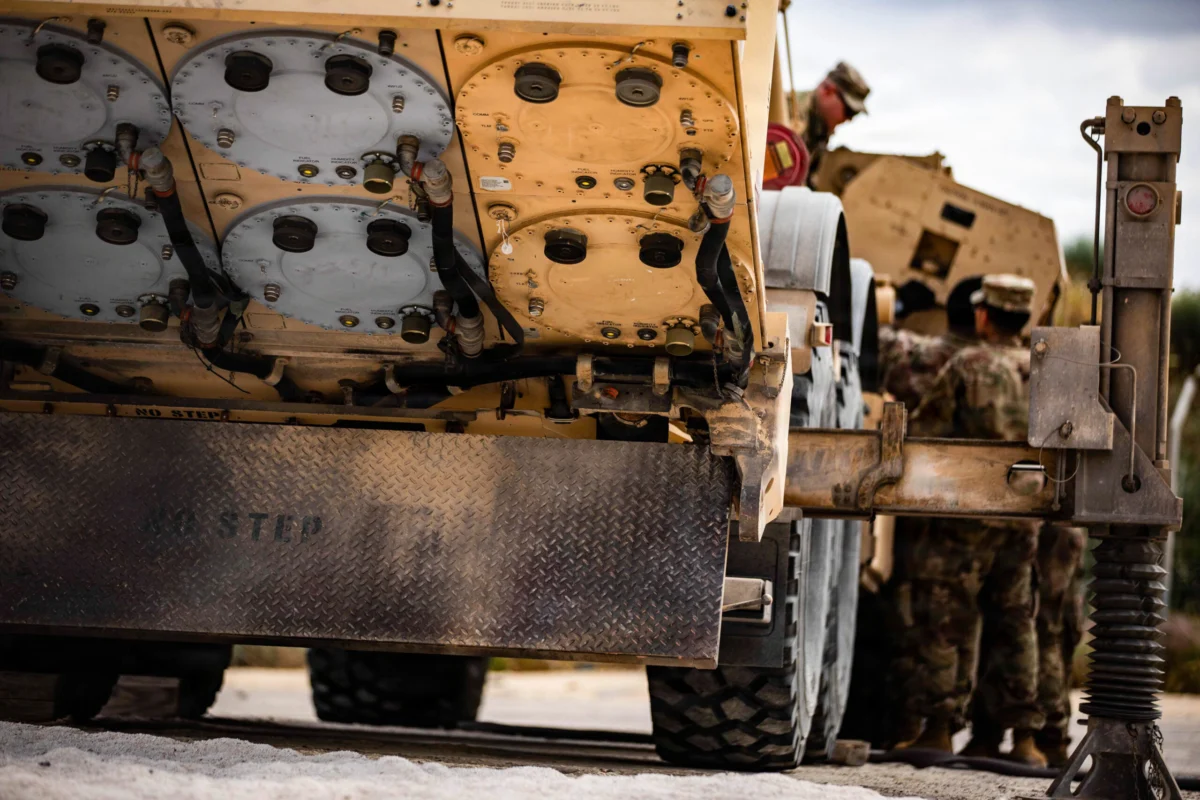
- THAAD Structural Components: The agreements specifically mention the expansion of manufacturing for mid-body shells, muzzle covers, and rail car assemblies.
- Advanced Tooling and Modernization: The DoD is encouraging investment in robotic assembly, 3D printing for specialized parts, and modernized testing facilities to speed up the certification of new rounds.
Michael P. Duffey, the Under Secretary of Defense for Acquisition and Sustainment, emphasized that this approach is vital for long-term security. "Building the Arsenal of Freedom requires robust, dynamic supply chains at every level of the industrial base," Duffey stated. He noted that the framework agreements are essential to "accelerating the tripling of PAC-3 and quadrupling of THAAD interceptor production."
Technical Analysis: Patriot vs. THAAD Roles
To understand the scale of this investment, it is necessary to distinguish between the two primary systems involved. While both are air defense platforms, they occupy different niches in the "layered defense" strategy employed by the United States and its allies.
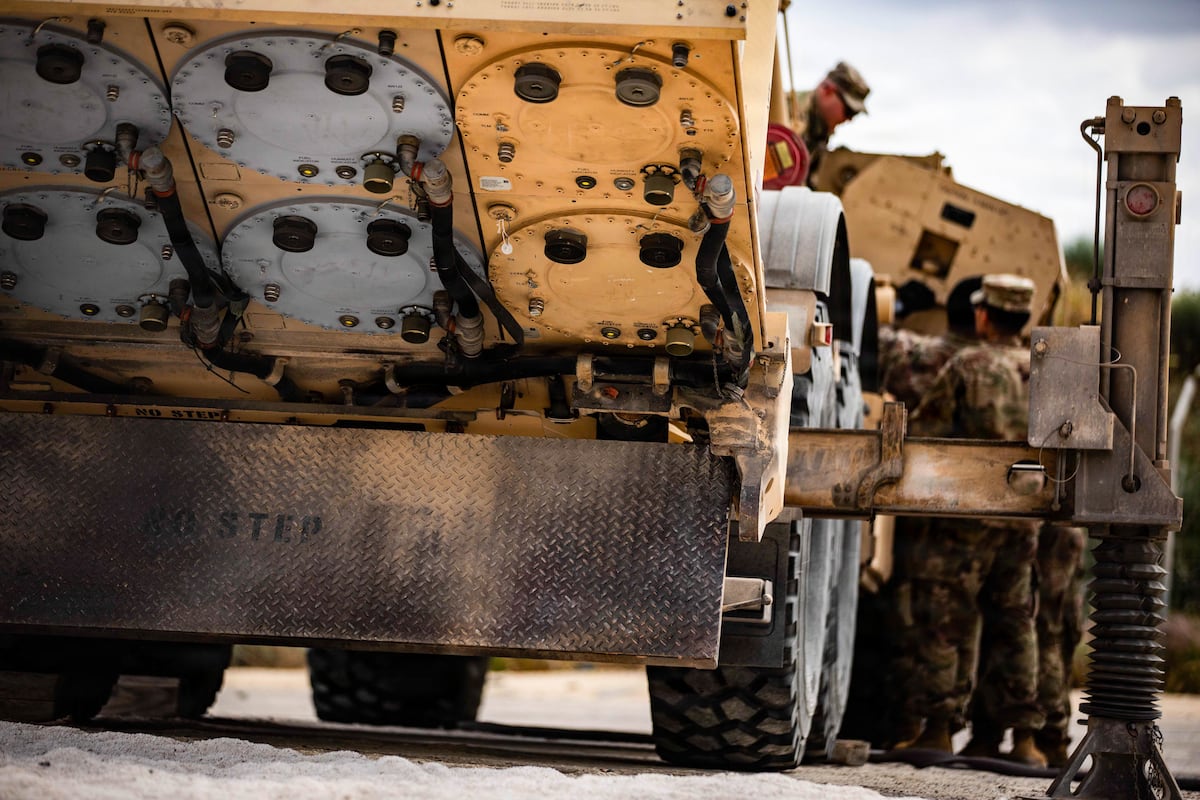
The Patriot (MIM-104) system, specifically the PAC-3 MSE, is a hit-to-kill interceptor designed to engage incoming tactical ballistic missiles, cruise missiles, and advanced aircraft. It is highly mobile and has been the workhorse of U.S. air defense for decades. The "MSE" variant features a larger, dual-pulse solid rocket motor and larger fins, which give it greater range and maneuverability against high-speed threats.
The Terminal High Altitude Area Defense (THAAD) system is designed to intercept short-, medium-, and intermediate-range ballistic missiles. Unlike the Patriot, THAAD operates in the "terminal" phase of a missile’s flight, often intercepting threats just as they re-enter the atmosphere or are still in the upper atmosphere (exo-atmospheric). THAAD uses "kinetic energy" to destroy targets on impact, meaning it does not carry a traditional explosive warhead, which minimizes the risk of detonating an incoming nuclear or chemical payload.
By increasing the production of both, the DoD is ensuring that it can defend against a full spectrum of threats, from low-flying cruise missiles to high-altitude ballistic projectiles.
Economic and Workforce Implications
The expansion of production is not merely a matter of ordering more parts; it requires a significant expansion of the American defense workforce and manufacturing footprint. The framework agreements include provisions for workforce development, aimed at training a new generation of high-precision welders, engineers, and quality assurance technicians.
The "Economic Defense Unit" within the Pentagon has identified that many of the smaller suppliers in the Patriot and THAAD supply chains are currently operating at near-maximum capacity. To reach the goal of 14,000 interceptors, these companies will need to build new facilities or significantly expand existing ones. The multi-year nature of the framework agreements provides the "certainty" that banks and investors require to fund this type of capital expenditure.
This industrial surge is expected to have a "multiplier effect" across several states where Northrop Grumman and Lockheed Martin maintain significant operations, including Alabama, Arkansas, West Virginia, and Texas. By modernizing these facilities, the U.S. is not just preparing for immediate conflict but is rebuilding a manufacturing capability that had largely atrophied in the post-Cold War era.
Broader Impact and Global Implications
The implications of this production ramp-up extend far beyond the borders of the United States. Many U.S. allies—including Poland, Germany, the Netherlands, Japan, and Taiwan—rely on the Patriot system for their national defense. The current scarcity of interceptors has created a "waiting list" for foreign military sales, which can complicate diplomatic relations and weaken regional deterrents.
By tripling and quadrupling production, the U.S. aims to fulfill these international orders more quickly, thereby strengthening the collective defense of the NATO alliance and its partners in the Pacific. This move sends a clear signal to adversaries like Russia, China, and Iran that the United States is committed to maintaining its technological and numerical advantage in missile defense.
Moreover, the shift toward a more resilient, multi-sourced supply chain serves as a blueprint for other areas of defense procurement. The lessons learned from the "interceptor crisis" are likely to be applied to the production of 155mm artillery shells, Javelin anti-tank missiles, and GMLRS rockets, all of which have seen similar strains due to global instability.
Conclusion: A New Era of Defense Industrial Policy
The framework agreements with Northrop Grumman and Lockheed Martin mark the beginning of a new era in American defense industrial policy. By moving away from "just-in-time" manufacturing and embracing a high-capacity, sustained-rate production model, the Department of Defense is attempting to future-proof the nation’s security.
The ambitious goal of nearly 14,000 interceptors is a testament to the scale of the challenge. However, by leveraging the expertise of the Missile Defense Agency, the Munitions Acceleration Council, and the Economic Defense Unit, the Pentagon is creating a coordinated front to ensure that the "Arsenal of Freedom" remains well-stocked. As the geopolitical landscape continues to shift, the ability to produce these sophisticated systems at scale will likely be the deciding factor in maintaining global stability and deterring large-scale aggression.

Related Posts
Pentagon Forges Landmark Seven-Year Agreements with Boeing and RTX to Accelerate Standard Missile-3 Production and Stabilize Defense Supply Chains
Boeing Unveils Ultra Low-Cost Seeker to Enhance Missile Inventory and Combat Cost Challenges in Modern Warfare