
Unforeseen Legacy of War: French Wildfire Uncovers 400 World War II Munitions in Le Porge, Triggering Explosions and Sparking Safety Concerns
A devastating forest fire, which recently swept through the south of France, has unveiled a startling and perilous secret in the village of Le Porge: a cache of approximately 400 historic shells and munitions. The discovery, confirmed by local authorities, has added a harrowing dimension to an already catastrophic natural disaster, transforming the landscape of recovery into a hazardous demining operation. The explosions, initially mistaken for detonating gas cylinders amidst the raging inferno, have since been identified as World War Two explosives, ignited by the intense heat of the wildfires that ravaged the Gironde region.
The inferno’s raw power brought forth a chilling echo of the past, with more than 100 explosions heard on the second night of the fire. Martial Zaninetti, the Mayor of Le Porge, recounted the terrifying experience to French news outlet France Info, likening the incessant blasts to "the sound of war." This auditory trauma was compounded by the physical danger, as projectiles, dislodged and propelled by the explosions, flew unpredictably. The mayor described them going "to the right, to the left," and dramatically noted that "even one that went through a house," underscoring the immediate and grave threat posed by these forgotten remnants of conflict.
The Fiery Revelation: Unearthing a Wartime Legacy
The discovery of the buried ammunition depots came as a profound shock to the local community and authorities alike. Mayor Zaninetti confessed, "There were ammunition depots buried in land within our municipality, but we didn’t know it, and they exploded." This admission highlights a pervasive, yet often hidden, issue across many former conflict zones in Europe: the lingering presence of unexploded ordnance (UXO). The specific munitions unearthed in Le Porge were identified as a mix of German and French origin, encompassing mortar shells and anti-tank shells, according to reports from French media. Their presence underscores the historical significance of the Gironde region during World War II, particularly its role within the broader context of the Atlantic Wall and the intense military activities that transpired there.
The sheer volume of discovered ordnance – approximately 400 pieces – represents a significant haul, even in a country still grappling with the legacy of two world wars. The fact that these munitions lay dormant and undetected for nearly eight decades, only to be violently roused by a natural disaster, speaks volumes about the unpredictable dangers that can lie beneath seemingly peaceful landscapes.
Gironde Ablaze: A Region Under Siege
The revelation of the buried munitions occurred against the backdrop of one of the most severe wildfire seasons in recent French history. The forest fire in the Gironde area, which encompasses Le Porge, burned for approximately ten days, consuming an estimated 42,000 hectares (over 100,000 acres) in the south-west of France. This scale of destruction ranks it among the largest forest fires witnessed in the country since World War Two, making the parallel with wartime events tragically poignant.
The summer of 2022 saw France, along with other European nations like Spain and Portugal, grappling with unprecedented heatwaves and prolonged droughts. These extreme climatic conditions created tinderbox environments, making forests highly susceptible to ignition and rapid fire spread. The Gironde fires necessitated the evacuation of tens of thousands of residents, with over 330,000 people across Europe displaced by similar blazes. The sheer intensity of the heat generated by these wildfires was sufficient to trigger the chemical reactions within the aged munitions, leading to their uncontrolled detonation.
Emergency Response and the Perilous Demining Operation
The identification of the explosions as stemming from historic ordnance swiftly shifted the nature of the emergency response. What began as a battle against a raging wildfire transformed into a complex and highly dangerous demining operation. Specialized units, likely from the French military’s déminage services, were deployed to systematically clear the affected areas. These teams are experts in identifying, neutralizing, and safely disposing of unexploded ordnance, a task that requires meticulous precision, specialized equipment, and extreme caution due to the unstable nature of aged explosives.
While demining operations have progressed significantly, allowing most residents to return to their homes, Mayor Zaninetti has maintained that certain areas within the municipality remain strictly off-limits. This includes access to the ocean, a local campsite, and the village of La Jenny, as these zones are still undergoing thorough clearance or pose residual risks. The ongoing restrictions underscore the gravity of the threat and the commitment to ensuring public safety before full access is restored. The process of identifying and rendering safe potentially volatile devices is arduous and time-consuming, highlighting the long tail of historical conflict on contemporary life and disaster management.
Rebuilding Amidst Rubble: The Human Cost
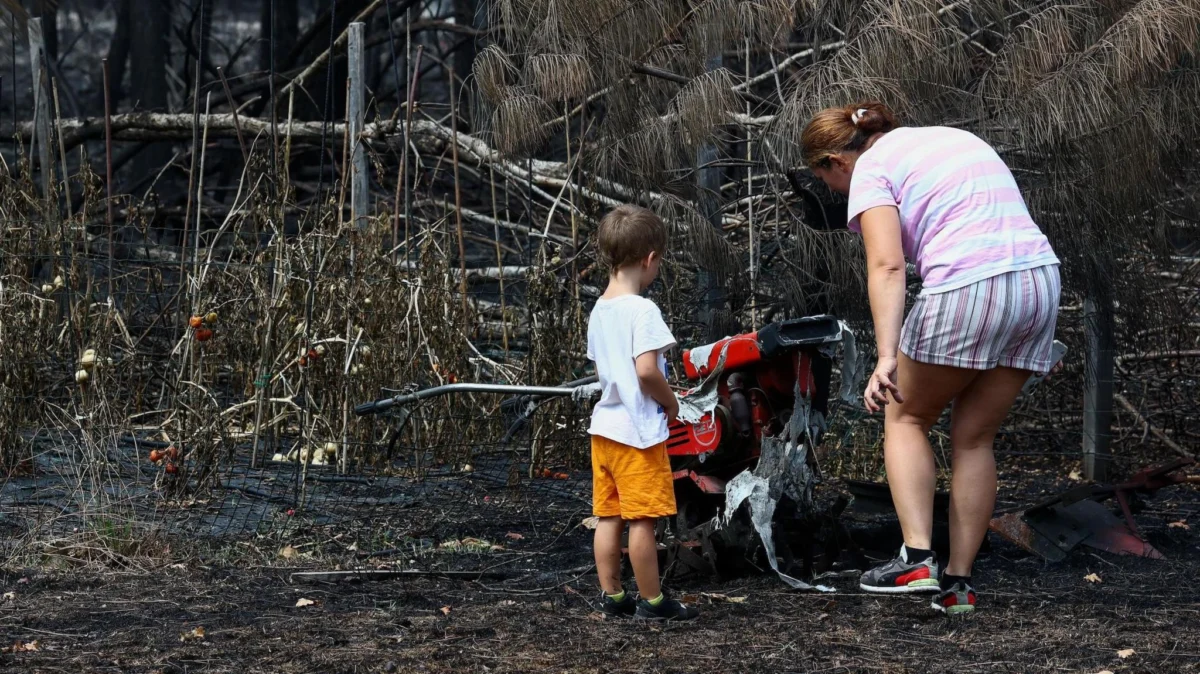
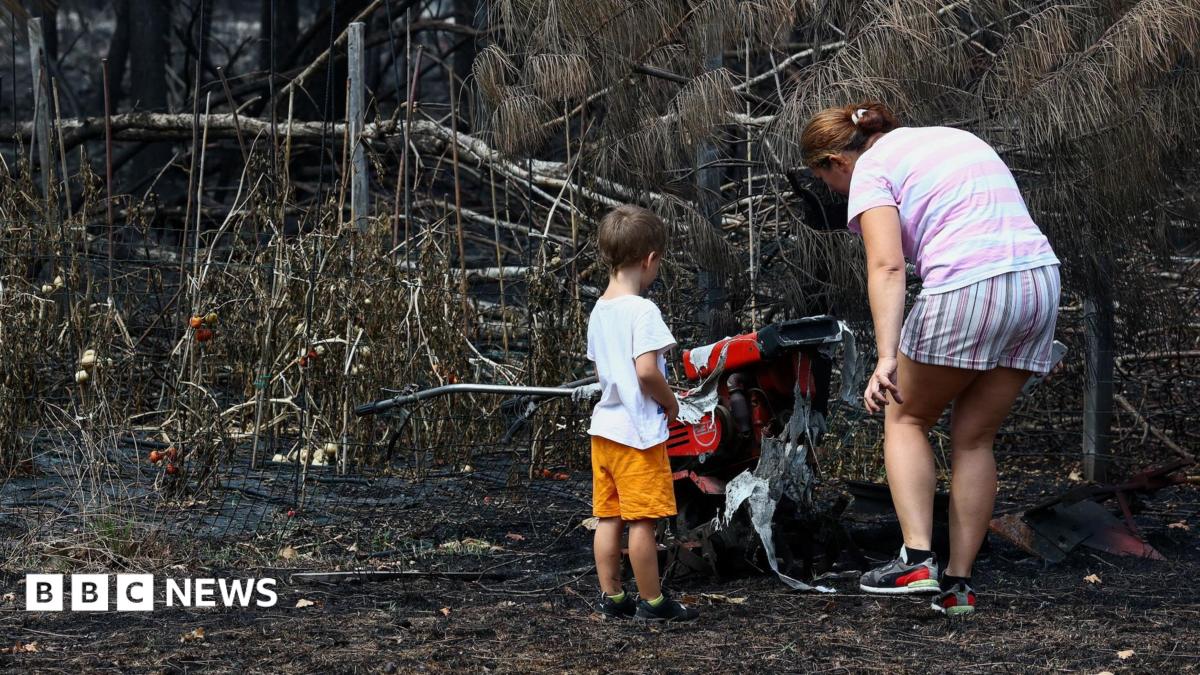
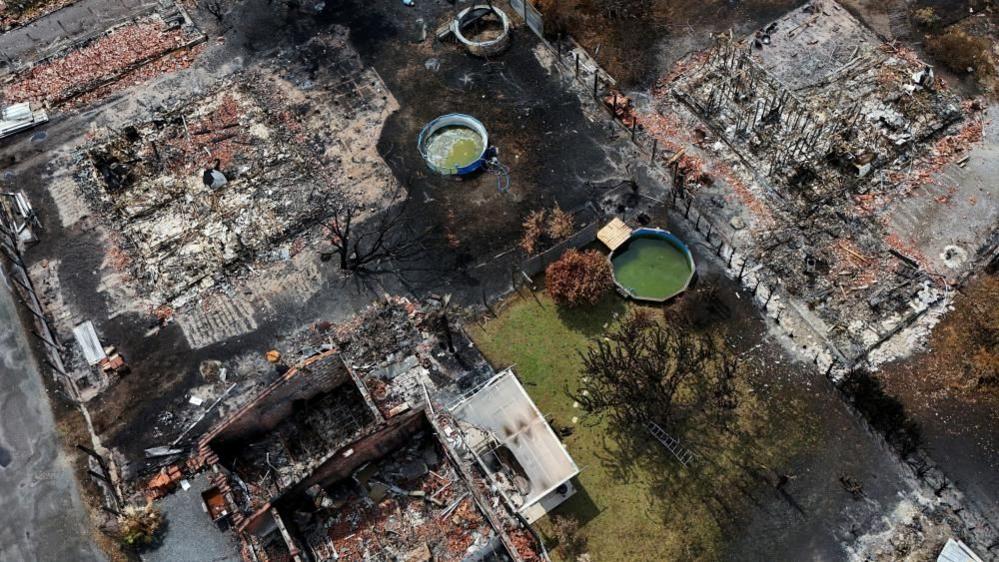
For the residents of Le Porge and the wider Gironde region, the wildfires have inflicted a devastating human cost. More than 180 houses in the immediate vicinity were utterly destroyed by the blaze, leaving families without homes and livelihoods. Pictures from Le Porge on the Monday following the containment of the fire depicted heart-wrenching scenes of families sifting through the charred remains of their properties, searching for anything salvageable amidst the ashes and debris. The emotional toll of losing one’s home and possessions, compounded by the terrifying experience of explosions reminiscent of wartime, is immense.
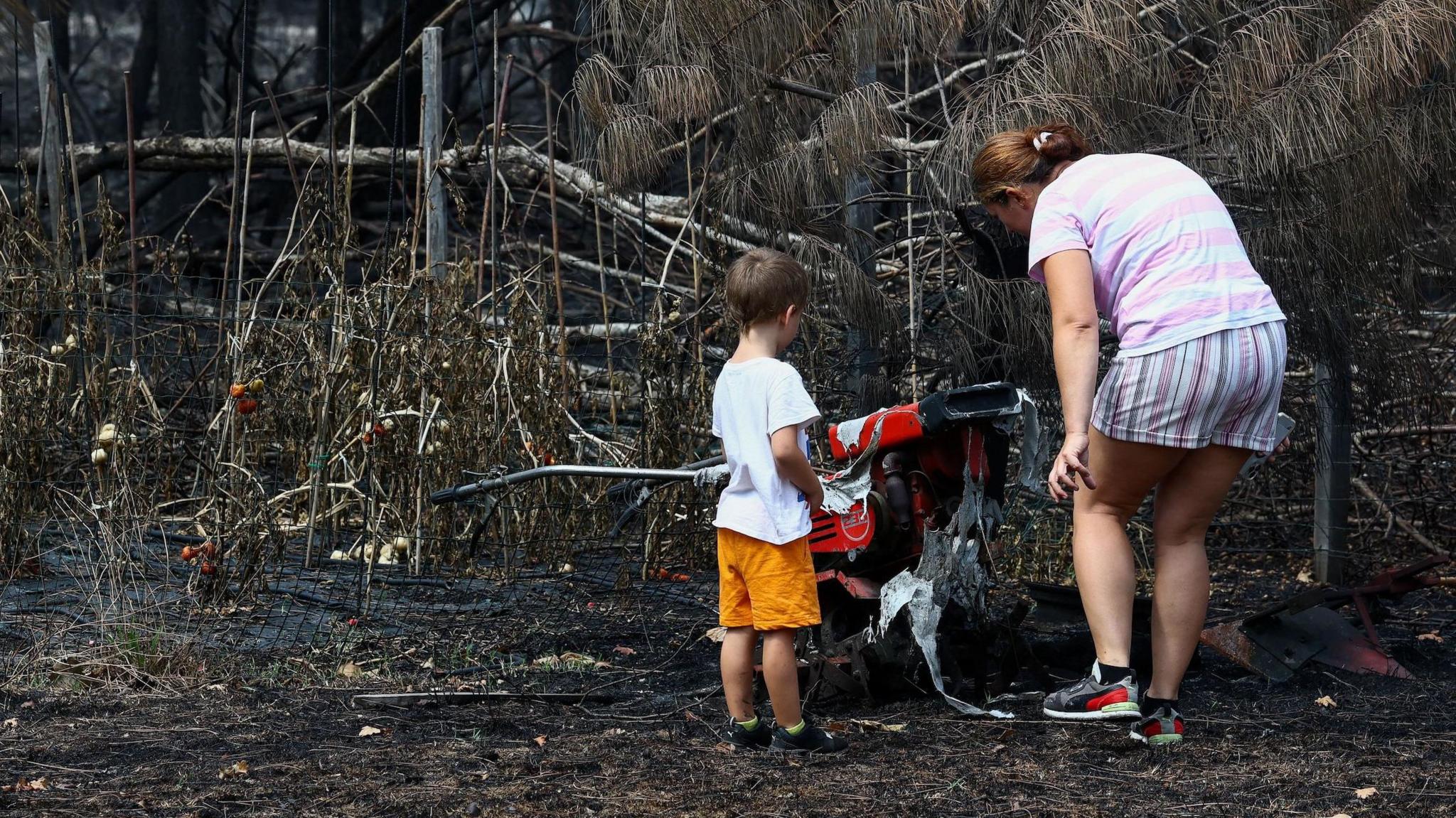
The act of returning to a destroyed home is often the beginning of a long and arduous journey of recovery. It involves not only the logistical challenges of rebuilding and securing temporary accommodation but also the psychological burden of trauma, loss, and uncertainty. The community of Le Porge, like many others affected by the European wildfires, now faces the daunting task of reconstruction, a process made even more complex by the newly revealed threat of unexploded ordnance that could still lie hidden beneath the scorched earth.
Official Acknowledgments and the Path to Recovery
In the wake of the crisis, French Prime Minister Sébastien Lecornu extended his gratitude to the firefighters and emergency services for their extraordinary efforts in combating the inferno. In a statement on Monday, he acknowledged that "France has stood firm in the face of an unprecedented crisis," recognizing the scale and severity of the challenge posed by the widespread wildfires. He further highlighted that the battle against the fires in the Gironde region had entered a "new phase," characterized by the gradual return of evacuated individuals to their homes.
This "new phase" signifies a transition from immediate emergency response to the longer-term processes of assessment, demining, and reconstruction. The Prime Minister’s remarks underscored the national effort involved in managing such a multifaceted disaster, which combined environmental catastrophe with the sudden re-emergence of historical dangers. The government’s focus is now on supporting affected communities through the recovery period, providing aid for rebuilding, and ensuring the safety of residents as demining operations continue.
Broader Implications: Safety, Environment, and Historical Reckoning
The incident in Le Porge carries significant broader implications across several domains:
1. Enduring Safety Concerns: The discovery serves as a stark reminder that many parts of Europe, particularly those that were battlegrounds or military training areas during the World Wars, may still harbor significant quantities of unexploded ordnance. The heat of modern wildfires, exacerbated by climate change, introduces a new, unpredictable mechanism for these dormant dangers to become active. This necessitates updated hazard assessments for fire-prone regions, potentially involving geophysical surveys to detect buried metallic objects that could be UXO.
2. Environmental Impact and Intersections: Beyond the direct destruction, wildfires release vast amounts of carbon into the atmosphere and severely degrade ecosystems. The additional element of exploding munitions introduces concerns about potential chemical contamination from the explosives themselves, as well as heavy metals from the shells. This could further complicate soil and water remediation efforts in the burned areas, posing long-term environmental risks.
3. Historical and Archaeological Significance: While tragic, the incident also offers an unexpected archaeological window into military history. The discovery of specific types of German and French munitions provides tangible evidence of the military presence and engagements in the Gironde during WWII. It underscores the importance of historical records and oral histories in identifying potential UXO sites, even if such records were incomplete or forgotten by contemporary authorities.
4. Preparedness and Policy Adaptation: The Le Porge incident highlights a critical gap in disaster preparedness: the intersection of natural disasters with historical hazards. Emergency protocols may need to be revised to include pre-assessment of UXO risk in fire-prone areas. This could involve cross-referencing wildfire risk maps with historical military maps and conducting proactive surveys in high-risk zones. It also emphasizes the need for continuous public awareness campaigns about the dangers of unexploded ordnance.
5. Climate Change and Unforeseen Consequences: The event serves as a powerful illustration of how climate change, by intensifying natural phenomena like wildfires, can trigger unforeseen and complex consequences, reactivating historical dangers. As global temperatures continue to rise and extreme weather events become more frequent, societies may face an increasing array of novel challenges stemming from the interaction of contemporary environmental crises with legacies of the past.
The re-emergence of World War II munitions in Le Porge is a somber testament to the long-lasting and unpredictable echoes of conflict. As France, and indeed Europe, confronts the dual challenges of climate change-driven natural disasters and the persistent legacy of its tumultuous past, the incident in Gironde serves as a potent reminder of the complex layers of risk that can lie hidden beneath the surface, waiting for an unforeseen catalyst to bring them violently back into the present. The path to full recovery for Le Porge will not only involve rebuilding homes and lives but also meticulously clearing the land of its deadly, forgotten history.

Related Posts

Zambia on Edge: Opposition Leader Arrested Amid Allegations of Insurrection Plot and Election Tensions

Rescuers search for survivors of powerful Indonesia earthquake

