Iranian Foreign Ministry Denies US Negotiation Claims Amidst Heightened Hormuz Strait Tensions and Ongoing Regional Confrontation
Tehran, Iran – In a stark contradiction to claims made by US President Donald Trump, Iran’s Foreign Ministry spokesperson, Esmaeil Baghaei, announced on Monday, August 4, 2026, that no direct negotiations were underway or planned between Tehran and Washington. This denial came as talks concerning the critical management of the Strait of Hormuz continued to be mediated by Oman, underscoring the deep mistrust and complex diplomatic landscape defining the bilateral relationship amidst a period of escalating regional tensions. President Trump had stated on Sunday that negotiations with Iran were slated to commence on Monday afternoon, a claim swiftly refuted by Tehran, highlighting a significant disconnect in communication or intent between the two adversaries.
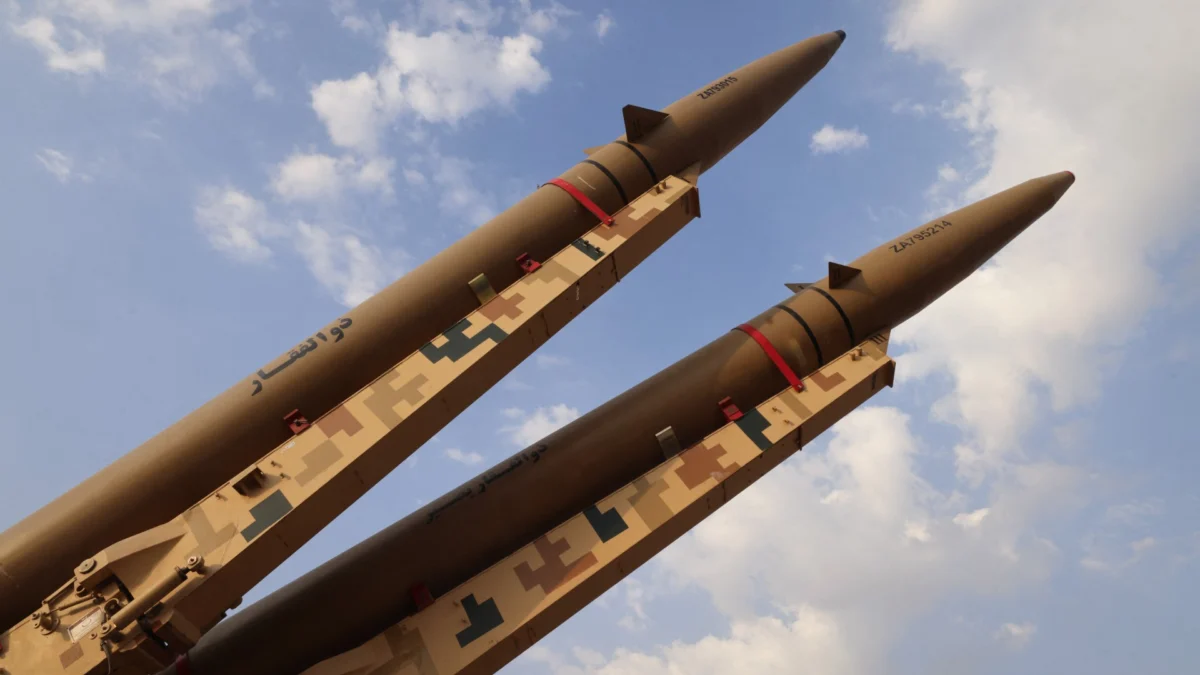
The announcement by Baghaei, delivered early Monday morning at 01:13 BST, underscored Iran’s consistent position regarding direct engagement with the United States, particularly under what it perceives as coercive conditions. The backdrop to these conflicting statements is a volatile regional environment, frequently referred to in some international circles as a "War on Iran" – a designation reflecting not necessarily a declared, conventional war but rather a protracted period of intense geopolitical confrontation, proxy conflicts, cyber warfare, economic sanctions, and heightened military readiness across the Persian Gulf. The image of an Iranian rocket, widely circulated in conjunction with the news, further served as a potent reminder of the region’s militarized state and the ever-present potential for escalation.
Strategic Importance of the Strait of Hormuz
At the heart of the current diplomatic impasse lies the Strait of Hormuz, a narrow waterway connecting the Persian Gulf to the Arabian Sea and the open ocean. This choke point is arguably the world’s most critical oil transit pathway, through which approximately one-fifth of the world’s total oil consumption, and a substantial portion of its liquefied natural gas (LNG), passes daily. Its strategic significance cannot be overstated, influencing global energy markets, international trade, and regional security dynamics. Any disruption, even perceived, can send tremors through global economies, leading to spikes in oil prices and increased insurance premiums for shipping.
The "management" of the Strait, as referenced in the ongoing Omani-mediated talks, typically encompasses issues such as navigation rights, security protocols for commercial shipping, and the prevention of military incidents. For Iran, controlling or influencing the Strait is a matter of national sovereignty and a potential leverage point against international pressure, particularly US sanctions. For the United States and its allies, ensuring freedom of navigation through the Strait is a fundamental aspect of global trade and energy security. Past incidents, including tanker attacks, seizures, and near-misses involving naval vessels, have repeatedly demonstrated the fragility of peace in this vital maritime corridor.
Chronology of Contradiction and Escalation
The recent exchange between Washington and Tehran is not an isolated event but rather the latest in a series of diplomatic convolutions and escalating tensions that have characterized US-Iran relations for decades, exacerbated significantly since the early 2020s.

- Pre-2020s Context: Relations had been strained since the 1979 Iranian Revolution, punctuated by periods of intense hostility and limited, often indirect, engagement. The 2015 Joint Comprehensive Plan of Action (JCPOA), a multilateral agreement limiting Iran’s nuclear program in exchange for sanctions relief, represented a brief period of de-escalation.
- US Withdrawal from JCPOA (2018): President Trump’s administration unilaterally withdrew the US from the JCPOA in 2018, re-imposing and expanding sanctions designed to exert "maximum pressure" on Iran. This move was widely seen as a catalyst for renewed regional instability and a hardening of Iranian resolve against direct talks with the US.
- Escalation in the Gulf (2019-2025): The period following the JCPOA withdrawal witnessed numerous incidents in the Persian Gulf, including attacks on oil tankers, drone shoot-downs, and increased military posturing by both sides. These events frequently raised fears of an all-out military conflict.
- Omani Mediation Efforts: Throughout these tumultuous years, Oman, maintaining its traditional role as a neutral interlocutor, has consistently facilitated back-channel communications and indirect talks between Iran and Western powers. Its capital, Muscat, has frequently served as a discreet venue for sensitive diplomatic exchanges, often related to regional security or prisoner swaps. The current talks regarding the Strait of Hormuz management underscore Oman’s enduring commitment to regional de-escalation.
- Sunday, August 3, 2026: US President Donald Trump publicly announced that negotiations with Iran would commence on Monday afternoon. The precise nature or agenda of these supposed talks remained unspecified in his statement, though context suggested they related to broader regional stability or the Strait of Hormuz.
- Monday, August 4, 2026 (01:13 BST): Esmaeil Baghaei, Iran’s Foreign Ministry spokesperson, emphatically denied Trump’s claim, stating "there are no negotiations ongoing between Tehran and Washington, nor any plans for meetings, as the talks over the management of the Hormuz Strait remain mediated by Oman." This immediate and unequivocal denial highlighted a significant breakdown in communication, or perhaps a deliberate diplomatic maneuver by one or both parties.
Official Responses and Underlying Motives
The contradictory statements from Washington and Tehran reveal much about their respective diplomatic strategies and internal political considerations.
-
Iran’s Position: Esmaeil Baghaei’s statement reflects Iran’s long-standing policy of refusing direct, bilateral negotiations with the US, particularly when under intense economic pressure or military threat. Tehran has consistently argued that any talks must involve all signatories of the JCPOA or be part of a broader multilateral framework that addresses Iran’s security concerns and respects its sovereignty. Engaging in direct talks with the US, especially following a public assertion by President Trump, could be perceived domestically as a sign of weakness or capitulation to US pressure tactics. By denying the talks, Iran reasserts its independent diplomatic posture and signals that it will not be dictated by US unilateralism. The emphasis on Omani mediation also indicates a preference for indirect channels, which allow for deniability and a buffer against direct confrontation.
-
US President Trump’s Claim: President Trump’s assertion of impending talks could stem from several motivations. It might have been a strategic move to signal openness to diplomacy, possibly aimed at international allies who advocate for de-escalation, or even to domestic audiences. It could also have been an attempt to put pressure on Iran, framing them as resistant to dialogue if they denied the claims. Alternatively, it might reflect a genuine miscommunication within US diplomatic channels or an overestimation of the progress made in Omani-mediated discussions. Given the history of the Trump administration’s "maximum pressure" campaign, a public announcement of talks could also be intended to project strength, implying that US pressure was finally bringing Iran to the table, regardless of the actual state of affairs.
-
Oman’s Role: As a long-standing facilitator, Oman’s position is delicate. Its role as a neutral mediator relies on trust from both sides and the confidentiality of discussions. The public contradiction between the US and Iran could complicate future mediation efforts, as it potentially exposes the sensitive nature of these back-channel communications. However, Oman’s track record of successful mediation, including its instrumental role in the lead-up to the JCPOA, suggests its channels remain vital. The continued reference to Omani mediation by Iran underscores its legitimacy and necessity in the absence of direct engagement.
Broader Impact and Implications
The diplomatic spat over whether talks are ongoing carries significant implications for regional stability, global energy markets, and the future of international diplomacy.
- Escalation Risks: The lack of clear communication and the public contradiction heighten the risk of miscalculation. In a region already fraught with military hardware and conflicting interests, ambiguity can easily lead to unintended escalation. The continued military posture, exemplified by the "Iran rocket" imagery, serves as a constant reminder of the volatile security environment.
- Credibility Concerns: The conflicting statements raise questions about the credibility of both administrations. For the US, it risks undermining its diplomatic overtures if they are perceived as unfounded. For Iran, while asserting its stance, it reinforces an image of intractability to those seeking direct engagement.
- Global Oil Markets: The Strait of Hormuz is inextricably linked to global energy security. Any uncertainty regarding its management or the stability of the region immediately affects oil prices. Following such contradictory news, market analysts would likely factor in increased geopolitical risk, potentially leading to higher crude oil futures as traders hedge against potential supply disruptions.
- Regional Alliances: The episode will be closely watched by regional actors, including Saudi Arabia, the UAE, and Israel, who have varying degrees of alignment with the US and differing perspectives on Iran. These states will be analyzing the implications for their own security and diplomatic strategies. Some might see Iran’s denial as further evidence of its unwillingness to de-escalate, while others might view the US claim as an overreach.
- Future of Diplomacy: The incident underscores the profound challenges in achieving de-escalation or a comprehensive resolution to the US-Iran standoff. It highlights the need for robust, reliable diplomatic channels and a mutual understanding of the terms and conditions for engagement. The reliance on indirect mediation, while necessary in the current climate, also limits the scope and speed of potential breakthroughs.
- International Community’s Role: International bodies and other major powers (e.g., European Union, China, Russia) have a vested interest in the stability of the Persian Gulf and the avoidance of a wider conflict. They will likely redouble efforts to encourage de-escalation and support Omani or other multilateral mediation initiatives, seeking to bridge the communication gap and prevent the current geopolitical tensions from spiraling out of control.
In conclusion, the direct contradiction between US President Trump’s claim of impending negotiations and Iran’s swift denial serves as a powerful illustration of the deep-seated mistrust and complex strategic posturing that define US-Iran relations in August 2026. With the critical Strait of Hormuz at the nexus of these discussions and a broader regional confrontation simmering, the incident underscores the precarious balance of power and the immense diplomatic challenges facing the international community in its pursuit of peace and stability in one of the world’s most volatile regions. The path forward remains uncertain, heavily reliant on the efficacy of indirect diplomacy and the political will of both sides to seek common ground, however elusive it may seem.

Related Posts
Over 150 Israeli Settlers Storm Al-Aqsa Compound and Perform Prayers, Violating Status Quo Under Police Protection.
UN Report Highlights Over 900 Obstacles Hampering West Bank Aid Amid Escalating Humanitarian Crisis