Democratic Wisconsin Gubernatorial Candidate Francesca Hong Declines Direct Stance on Defunding Police Amidst CNN Interview
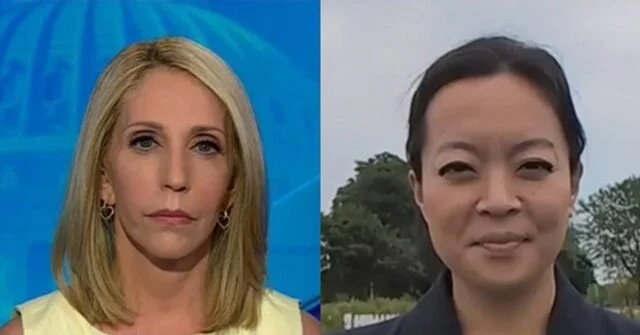
On Friday’s broadcast of CNN’s “Inside Politics,” Democratic Wisconsin gubernatorial candidate Francesca Hong faced scrutiny from host Dana Bash regarding her current position on the controversial “defund the police” movement, declining to offer a definitive “yes” or “no” response. The exchange highlighted the ongoing political tightrope many progressive candidates walk when addressing calls for police reform and systemic changes to public safety infrastructure. Hong’s response, which focused on broader societal issues and reform efforts rather than a direct affirmation or rejection of the specific “defund” slogan, immediately drew attention as a key moment in the nascent gubernatorial campaign.
The CNN Exchange: A Focus on Nuance Over Directness
During a segment dedicated to examining Hong’s past and present views on law enforcement and public safety, Dana Bash pressed the candidate on the evolution of her stance. Bash specifically asked, “I just want to, just to, sort of, put a fine point on it, you said your views can evolve, have your views actually evolved on defunding the police?” The question aimed to elicit a clear update on Hong’s position, given the political potency and varied interpretations of the “defund” terminology since its widespread adoption in 2020.
Hong’s reply, rather than directly addressing the "defund" phrase, pivoted to a discussion of systemic issues and community-based solutions. She began by referencing a recent police shooting in her hometown of Madison, Wisconsin, noting it was the third such incident on Willy Street, within her legislative district. “It’s difficult for me to think about what I would say to a mother who has lost their children to police violence,” Hong stated, grounding her perspective in the emotional and human cost of such incidents. She then elaborated on the need for systemic change, advocating for reforms within the criminal justice system, including a focus on the well-being of those working in prisons and ensuring dignity for incarcerated individuals.
Hong further articulated a vision for public safety that prioritizes addressing root causes of crime and supporting re-entry into society. “99% of incarcerated folks in our state will be going into community, and we have to lower those recidivism rates, to make sure and invest in mental health resources, in tackling the opioid epidemic,” she explained. Her argument concluded with the assertion that achieving public safety hinges on a gubernatorial leadership that believes in these comprehensive approaches. Following Hong’s extensive answer, Bash noted, “Okay. I didn’t hear a yes or a no there. But let’s move on,” underscoring the lack of a direct answer to her initial query.
The Evolution of "Defund the Police": A Contentious Slogan
The phrase "defund the police" gained significant traction in the summer of 2020 following the murder of George Floyd and the subsequent nationwide protests against police brutality and racial injustice. Initially, the slogan was interpreted by some as a call for the complete abolition of police departments, sparking considerable alarm and political backlash. However, proponents of the movement often clarified that "defund" did not necessarily mean eliminating police entirely, but rather reallocating a portion of police budgets to other community services such as mental health crisis intervention, housing, education, and social work. The core argument posited that many issues currently handled by armed police officers could be more effectively addressed by specialized, unarmed professionals, thereby reducing police encounters and the potential for violence, particularly in marginalized communities.
Despite these clarifications, the slogan proved to be a political liability for many Democratic candidates in the 2020 and 2022 election cycles. Republican campaigns frequently used the phrase to paint opponents as radical and anti-law enforcement, contributing to a narrative that Democrats were soft on crime. This strategic messaging often overshadowed more nuanced policy proposals related to police reform, such as enhanced accountability, de-escalation training, and independent oversight. The debate around "defunding" thus became a microcosm of the broader ideological divide on criminal justice, pitting calls for transformative change against demands for robust law enforcement and order.
Francesca Hong’s Political Background and the Wisconsin Landscape
Francesca Hong serves as a State Representative for Wisconsin’s 76th Assembly District, which includes parts of Madison. As a progressive Democrat, her political career has been characterized by advocacy for social justice, workers’ rights, and equity. Her district, particularly the Willy Street area she referenced, is known for its progressive activism and a history of community organizing around issues of policing and social services. Madison, Wisconsin’s capital city, has experienced its own share of tensions regarding law enforcement, including protests and discussions about police accountability and budget allocations in recent years. The city council and community groups have engaged in ongoing dialogues about how to reimagine public safety, often exploring alternatives to traditional policing.
Hong’s emphasis on mental health resources, tackling the opioid epidemic, and reducing recidivism aligns with a broader progressive platform that seeks to address the underlying socioeconomic factors contributing to crime. This approach often involves investing in social safety nets and public health initiatives as preventative measures, rather than solely relying on punitive measures through law enforcement. Her reference to the high suicide rates among prison workers also highlights a concern for the well-being of all individuals within the justice system, including those employed within it. This perspective seeks to humanize the criminal justice system beyond just the incarcerated, framing it as a comprehensive societal challenge requiring holistic solutions.
Policing and Public Safety in Wisconsin: Data and Context
Wisconsin, like many states, has seen fluctuating crime rates and ongoing debates about the effectiveness and funding of its law enforcement agencies. According to data from the Wisconsin Department of Justice, violent crime rates in the state have seen variations over the past decade, with some urban centers experiencing spikes, particularly during the COVID-19 pandemic. Madison, specifically, has been at the forefront of these discussions. For instance, data from the Madison Police Department indicates that while overall crime trends can fluctuate, public concern about specific types of crime, such as property crime and certain violent offenses, remains high in many communities.
Public opinion polling in Wisconsin frequently reflects a complex sentiment regarding policing. While there is generally strong support for law enforcement, there is also significant demand for accountability and reform. A 2023 Marquette University Law School poll, for example, might show that a majority of Wisconsin residents believe police reform is necessary, but a smaller percentage support significant reductions in police funding. These nuanced public attitudes underscore the difficulty for political candidates in crafting messages that resonate with a diverse electorate without alienating key voting blocs. The financial aspect of policing is also significant; municipal budgets across Wisconsin allocate substantial portions to police departments. For instance, the Madison Police Department’s budget for 2024 was over $100 million, representing a substantial investment of taxpayer dollars, prompting questions about resource allocation and efficiency.
Political Implications of Ambiguity
Francesca Hong’s non-committal answer on “defunding the police” carries significant political implications for her gubernatorial campaign. For one, it allows her to avoid being boxed into a highly polarizing term. By redirecting the conversation towards broader systemic reforms, mental health, and recidivism, Hong attempts to articulate a more comprehensive and perhaps less politically charged vision for public safety. This approach could be appealing to progressive voters who support radical reform but are wary of the “defund” slogan’s negative connotations, as well as to moderate Democrats who seek reform without dismantling existing institutions.
However, the lack of a direct “yes” or “no” also opens her to criticism from political opponents. Republican campaigns and conservative media outlets are likely to seize upon her response, portraying it as an evasion and implying that she still supports “defunding the police” without explicitly saying so. This narrative aims to capitalize on public anxieties about crime and leverage the negative associations many voters have with the phrase. Law enforcement organizations, often influential in state politics, may also interpret such an answer as a lack of clear support for police, potentially affecting endorsements and public messaging.
From a strategic standpoint, a candidate’s decision to avoid a direct answer on a contentious issue often reflects an attempt to maintain flexibility and appeal to multiple segments of the electorate. It also highlights the ongoing challenge for political figures to communicate complex policy positions in a soundbite-driven media environment. In an era where political discourse often demands binary answers, Hong’s detailed, albeit indirect, response signals a preference for nuanced discussion, which may resonate with some voters seeking substantive solutions beyond simple labels. Yet, it simultaneously risks alienating others who desire clarity and directness from their leaders, particularly on issues as fundamental as public safety.
Broader Impact on the Gubernatorial Race
The exchange on CNN underscores that public safety and criminal justice reform will be central themes in the Wisconsin gubernatorial race. Voters will be looking for clear proposals on how candidates plan to address crime, support law enforcement, and reform the justice system. Hong’s approach suggests a focus on preventative measures and community investment, aligning with a progressive vision for governance. Her opponents, likely including incumbent Governor Tony Evers if he seeks re-election, or any Republican challenger, will undoubtedly present their own contrasting visions, potentially emphasizing traditional law-and-order approaches, increased police funding, and stricter penalties for offenders.
The way candidates navigate the complexities of police reform, public safety, and resource allocation will likely differentiate them in the eyes of Wisconsin voters. Hong’s nuanced stance on "defunding the police" positions her within the ongoing national debate about how best to achieve justice and safety in communities. The implications of this interview will likely ripple through her campaign, shaping how she is perceived by voters and how her opponents choose to frame her policy positions. As the election cycle progresses, her ability to articulate her comprehensive vision for public safety, and defend her approach to sensitive questions, will be critical to her success. The incident serves as a stark reminder of the persistent challenges faced by candidates in translating complex policy ideas into digestible and politically advantageous messages on the national stage.

Related Posts
Democratic Candidates Must Moderate to Win General Elections, Says Rep. Greg Stanton
Lisa Demuth Secures Republican Gubernatorial Nomination in Minnesota, Defeating Trump-Endorsed Mike Lindell