Global Arms Race for Next-Generation Anti-Ballistic Systems Intensifies as Allies Seek Cost-Effective Interceptor Solutions
The landscape of global air defense is undergoing its most significant transformation since the Cold War, as the United States and its allies scramble to develop, manufacture, and field new anti-ballistic missile systems. For decades, the gold standard for protecting sovereign airspace against sophisticated missile threats has been the U.S.-made Patriot interceptor system. However, the dual pressures of the protracted conflict in Ukraine and the escalating regional hostilities between Israel, the United States, and Iran have exposed critical vulnerabilities in the current global defense architecture. Chief among these concerns are the prohibitive costs of high-end munitions and the inability of existing industrial bases to keep pace with the rapid rate of consumption in modern "mass-raid" warfare.
In response, a new arms race has emerged, characterized by three distinct development tracks. These initiatives aim to move beyond the traditional reliance on the American-manufactured PAC-3 interceptor by leveraging international licensing, indigenous Ukrainian innovation, and a new generation of "budget-smart" Western munitions. With global stockpiles at historic lows, the sense of urgency is palpable, as defense officials push for the deployment of new prototypes by the end of 2026—a timeline that would have been considered impossible under traditional procurement cycles.
The Strategic Necessity: A Crisis of Inventory and Cost
The momentum behind this surge in anti-ballistic development is rooted in a stark mathematical reality. The mechanics of ballistic missile defense are often compared to "hitting a bullet out of the sky with another bullet." This difficulty is compounded when an adversary launches dozens or even hundreds of simultaneous threats, a tactic seen in recent Iranian and Russian aerial campaigns.
A recent analysis by the Center for Strategic and International Studies (CSIS) highlights the severity of the current munitions shortage. During the ongoing conflict involving U.S. and Israeli forces against Iranian-backed threats, American forces have fired between 1,060 and 1,430 Patriot missiles. At a cost of approximately $3.9 million per interceptor, this effort has not only cost billions of dollars but has also drained an estimated two-thirds of the United States’ pre-war Patriot inventory.
In Ukraine, the situation is even more dire. While Kyiv has successfully integrated various Western air defense systems to counter cruise missiles and suicide drones, ballistic missiles remain a uniquely lethal threat that only the Patriot PAC-3 MSE (Missile Segment Enhancement) has reliably defeated. As Ukraine’s stockpile of these high-end interceptors nears depletion, the need for a cheaper, more sustainable alternative has transitioned from a long-term goal to an immediate survival requirement.
The Standard-Bearer: The Patriot PAC-3 MSE
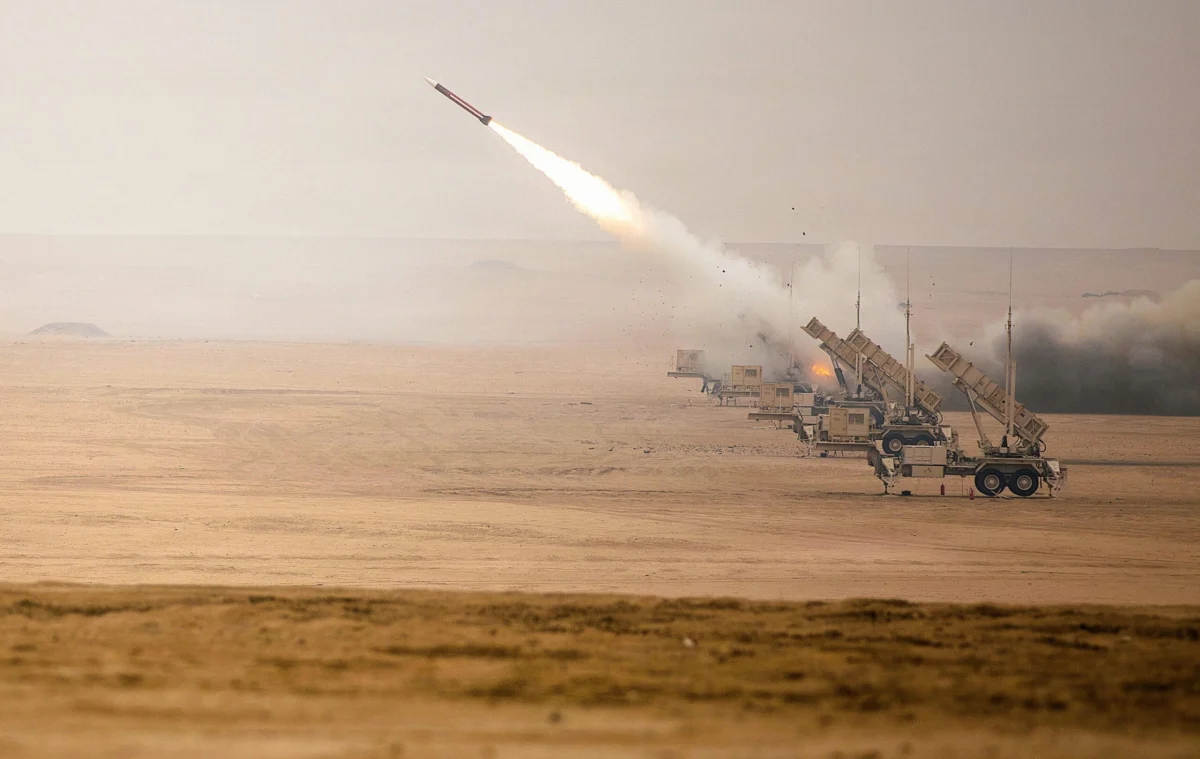
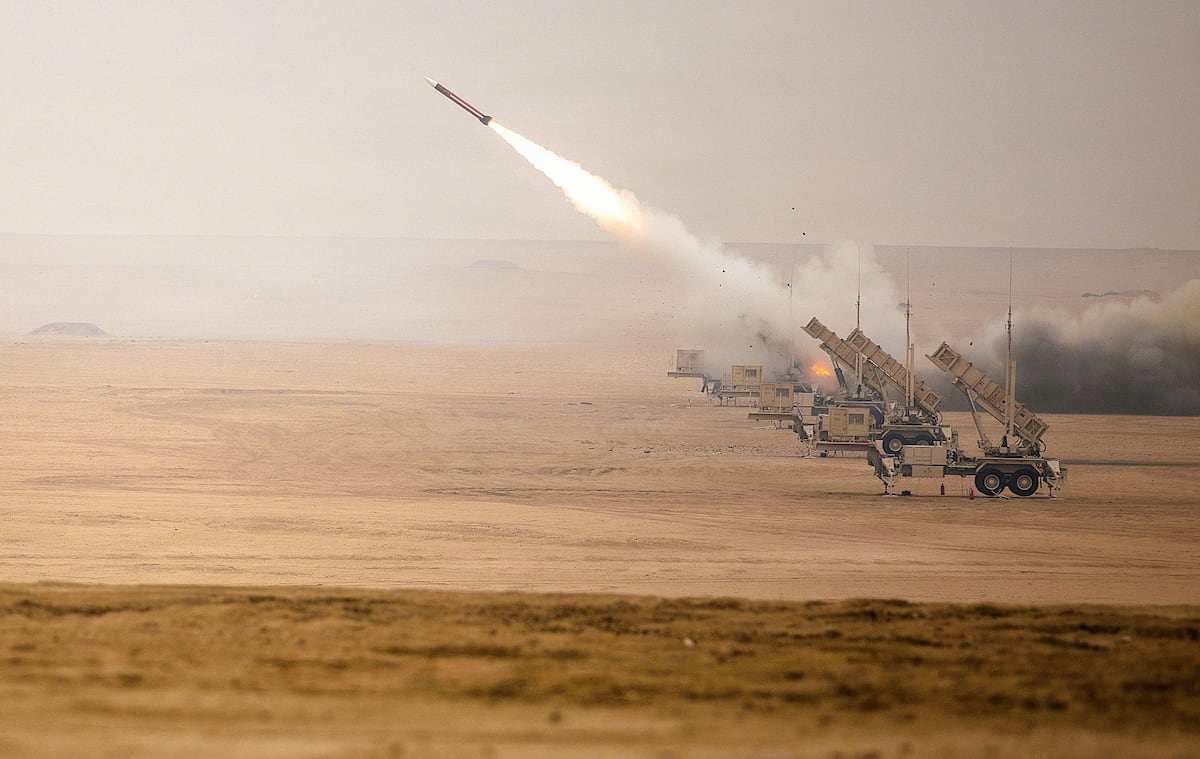
To understand the new competitors, one must first look at the benchmark they seek to supplement. The Patriot system, manufactured by Raytheon (radar and ground systems) and Lockheed Martin (interceptors), remains the most combat-proven platform in existence.
The PAC-3 MSE is a "hit-to-kill" munition, meaning it does not rely on a proximity fuse to explode near a target; instead, it uses kinetic energy to physically collide with and destroy an incoming ballistic missile. This technology has proven effective even against hypersonic threats, such as the Russian air-launched Kinzhal.
Despite its efficacy, the PAC-3 MSE faces two major hurdles:
- Cost: At nearly $4 million per round, using an MSE to down a cheaper ballistic missile or a modified surface-to-air missile (like the Russian S-300 used in a ground-attack role) is economically unsustainable in a war of attrition.
- Production Speed: Traditional manufacturing processes have struggled to scale. In response, the Pentagon recently awarded Lockheed Martin a multiyear contract now totaling $58.62 billion, intended to triple production capacity by 2030. However, 2030 is too distant a horizon for current frontline needs.
Track One: The Ukrainian Licensing Agreement
The first major shift in the air defense status quo occurred at the NATO summit in Ankara in early July 2026. In a move that surprised many industry analysts, U.S. President Donald Trump pledged to grant Ukraine a license to produce Patriot interceptors on its own soil.
This agreement would make Ukraine only the second nation outside the United States to hold such a license, following Japan. While the details are still being finalized, industry experts suggest the license will likely focus on the final assembly of missiles from imported component kits rather than full-scale manufacturing from raw materials. This "kit-based" approach is intended to bypass the years of industrial setup required for a from-scratch production line.
To address security concerns regarding Russian strikes on Ukrainian industrial sites, Poland has offered to host some of the joint production facilities. Polish Deputy Defense Minister Magdalena Sobkowiak-Czarnecka emphasized that "securing this production in a safe location" is a priority for the alliance. Ukrainian President Volodymyr Zelenskyy has expressed optimism that Ukrainian teams could have the technical capability to produce these missiles by the end of 2026, though some Rada officials suggest a pilot line may take closer to 24 months to become fully operational.

Track Two: The Freyja System and the European Coalition
While the Patriot licensing deal focuses on existing technology, the "Freyja" project represents a radical departure from traditional Western defense procurement. Launched in Paris on July 13, 2026, the Integrated Anti-Ballistic Missile Coalition—comprising Ukraine and nine European nations (Denmark, France, Germany, Italy, the Netherlands, Norway, Spain, Sweden, and the United Kingdom)—aims to field an entirely new system.
Freyja is designed by the Kyiv-based startup Fire Point. It is envisioned as a "mass-production" alternative to the Patriot. The core of the system is the FP-7.X interceptor, which utilizes a high-explosive fragmentation warhead rather than the more complex hit-to-kill technology. This design choice significantly reduces the cost to approximately $700,000 per interceptor—roughly one-fifth the price of a PAC-3 MSE.
The Freyja timeline is remarkably ambitious:
- August 2026: Fire Point plans to begin building three interceptors per day.
- First Half of 2027: The coalition aims to have a Minimum Viable Product (MVP) prototype ready for practical testing.
- Late 2027: The goal is to achieve the first successful ballistic intercept in a combat environment.
President Zelenskyy has described Freyja as a "Patriot analogue" built for the realities of modern, high-volume warfare, where quantity and cost-efficiency are as vital as precision.
Track Three: Lockheed Martin’s PAC-3 ACE
Recognizing the market shift toward more affordable solutions, Lockheed Martin unveiled its own "cost-cutter" interceptor at the Farnborough International Airshow on July 20, 2026. The PAC-3 Adapted Capability Effector (ACE) is designed to sit between low-end drone interceptors and high-end anti-ballistic missiles.
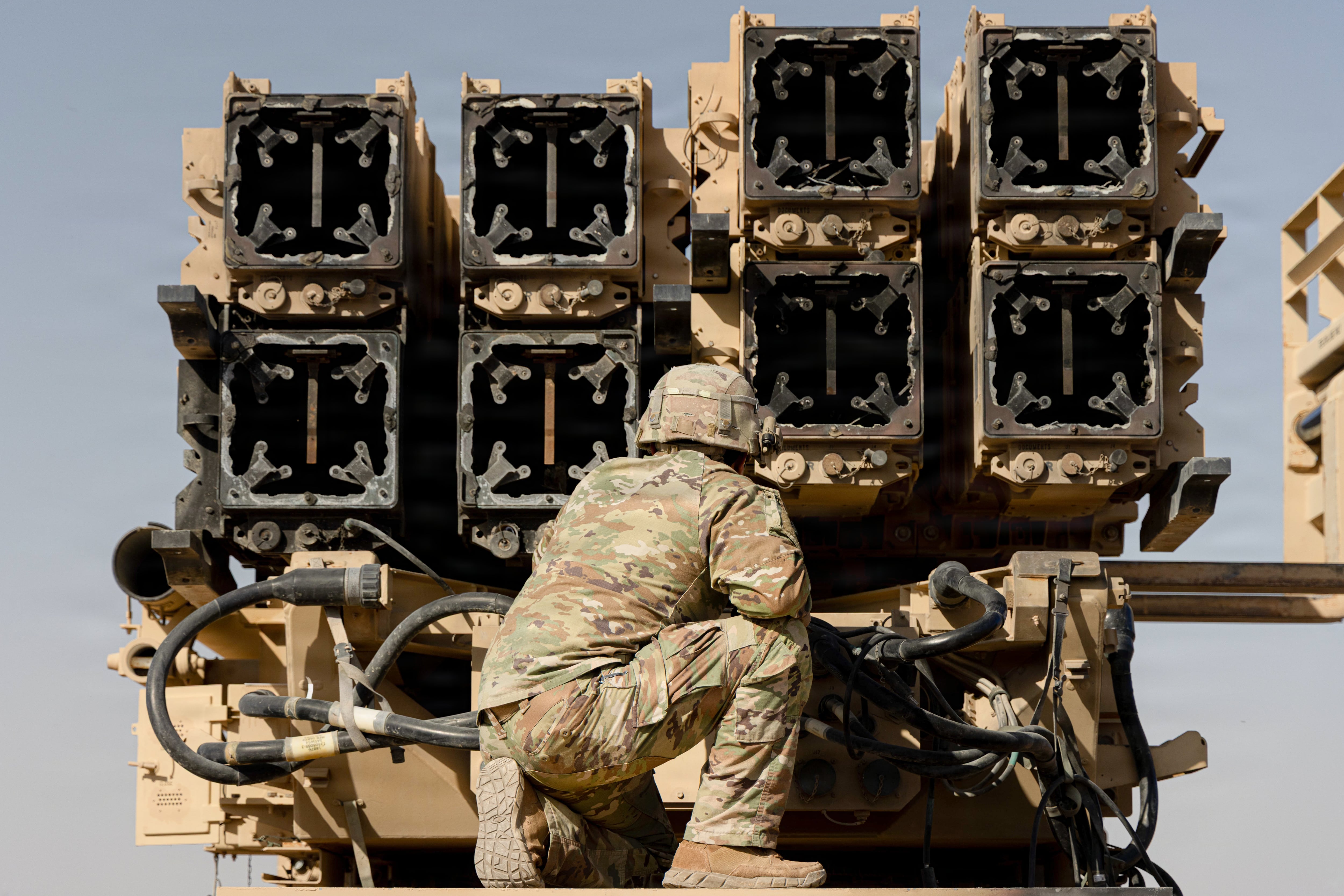
The ACE is built on the existing PAC-3 fire-control architecture, allowing it to be seamlessly integrated into the Patriot batteries and Integrated Battle Command Systems (IBCS) that allied forces already operate. It is specifically optimized for "airbreathing" threats—such as cruise missiles and aircraft—as well as short-range ballistic missiles.
By targeting the tier of threats just below the most advanced hypersonic missiles, Lockheed Martin has been able to reduce the price of the ACE to approximately $2 million per round—half the cost of the MSE. The company expects the first flight of the ACE in early 2028 and is considering international manufacturing partnerships to further accelerate the rollout.
Chronology of the 2026 Air Defense Pivot
The rapid succession of events in July 2026 serves as a timeline for this new era of defense:
- July 8: President Trump announces the Patriot licensing plan during a bilateral meeting with President Zelenskyy in Ankara.
- July 13: The 10-nation Integrated Anti-Ballistic Missile Coalition is formed in Paris to develop the Freyja system.
- July 15: Zelenskyy sets a public goal for Ukrainian production of U.S. missiles by the end of 2026.
- July 20: Lockheed Martin introduces the PAC-3 ACE at the Farnborough International Airshow.
- July 23: Poland offers its territory for joint Ukrainian-American missile production.
- July 28: Zelenskyy meets with Lockheed Martin executives to discuss "specific solutions" for joint production.
- July 29: The Pentagon awards a $53.86 billion expansion to Lockheed Martin’s PAC-3 MSE production contract to triple capacity by 2030.
Broader Implications and Strategic Analysis
The shift toward diversified, cheaper, and internationally produced anti-ballistic systems marks the end of the era where the United States was the sole provider of high-end air defense for the West. This "re-industrialization" of the alliance is a direct response to the realization that Great Power competition requires a "depth of magazine" that current Western inventories do not possess.
The implications are three-fold. Economically, the massive $58 billion investment in the Patriot program, combined with the development of Freyja and ACE, represents a significant windfall for the defense industrial base, but it also places a heavy burden on national budgets. Strategically, the move to license production to Ukraine and involve a nine-nation European coalition decentralizes the "Arsenal of Freedom," making the global supply chain more resilient to localized disruptions.
Finally, the technical divergence—moving from the singular "gold standard" of the PAC-3 MSE to a tiered system of ACE and Freyja—suggests a new doctrine of "layered cost-efficiency." In this model, high-end interceptors are reserved for high-end threats, while a more affordable "analogue" layer handles the bulk of an adversary’s arsenal.
As the race toward the 2026 and 2027 deadlines continues, the success of these three tracks will likely determine the security of European and Middle Eastern skies for the next decade. The goal is no longer just to hit a bullet with a bullet, but to do so at a price and scale that an adversary cannot hope to overwhelm.

Related Posts
Pentagon Forges Landmark Seven-Year Agreements with Boeing and RTX to Accelerate Standard Missile-3 Production and Stabilize Defense Supply Chains
Boeing Unveils Ultra Low-Cost Seeker to Enhance Missile Inventory and Combat Cost Challenges in Modern Warfare