US Strategic Readiness at Risk as Middle East Conflict Depletes Two-Thirds of Patriot Missile Stockpile
The United States has expended approximately 65% of its pre-war inventory of Patriot missile interceptors during the ongoing conflict with Iran, a staggering drawdown that has prompted urgent warnings from defense analysts regarding the nation’s ability to respond to a secondary high-intensity theater. According to a comprehensive analysis released by the Center for Strategic and International Studies (CSIS), the rapid consumption of these critical air-defense assets has left the U.S. military with fewer than 1,000 interceptors in its global stockpile. This depletion, combined with a 38% reduction in the inventory of Terminal High Altitude Area Defense (THAAD) interceptors, represents a significant pivot point for American strategic planning and industrial capacity.
The CSIS report, authored by senior advisors Mark Cancian and Chris Park, utilizes a combination of publicly available expenditure data, current production rates, and historical inventory estimates to paint a sobering picture of the U.S. military’s defensive depth. The findings suggest that while the United States has successfully protected its personnel and partner nations from a barrage of Iranian ballistic missiles, the cost of that defense has been a precipitous decline in the very munitions required to deter other global adversaries. With THAAD inventories estimated to have fallen to between 234 and 278 interceptors, the margin for error in any future conflict has narrowed to levels not seen since the height of the Cold War.
The Mechanics of Attrition in Operation Epic Fury
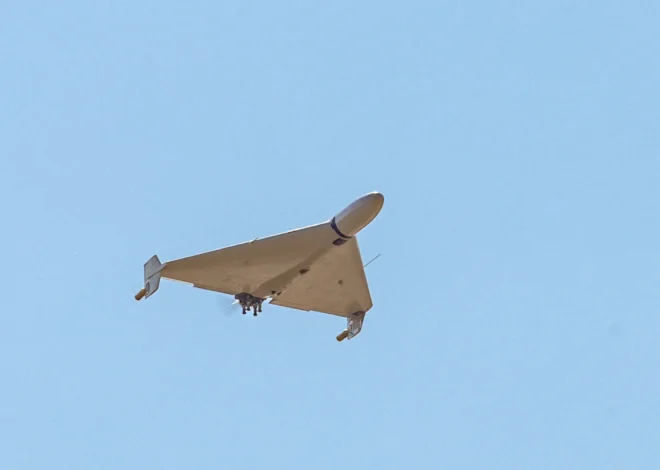
The depletion of the U.S. interceptor stockpile is primarily attributed to the initial and sustained phases of Operation Epic Fury, the military campaign launched in response to Iranian regional escalations. During the opening salvos of the conflict, Iranian forces employed a doctrine of "saturation," launching large volumes of ballistic missiles and long-range drones designed to overwhelm sophisticated air-defense networks. In response, U.S. Army air defense artillery units were forced to maintain a high "shot-to-kill" ratio, often firing multiple interceptors at a single incoming threat to ensure a high probability of destruction.
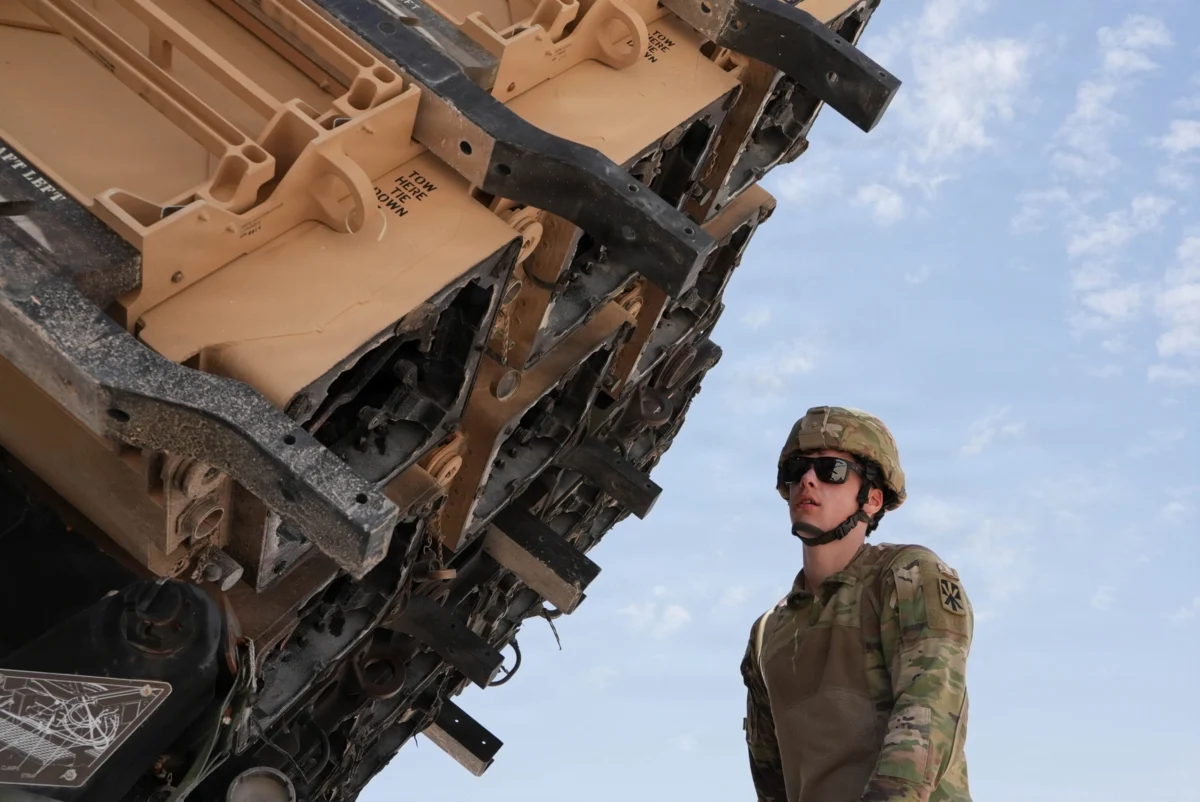
The Patriot system, particularly the Advanced Capability-3 Missile Segment Enhancement (PAC-3 MSE), served as the backbone of this defense. Designed to intercept tactical ballistic missiles, cruise missiles, and advanced aircraft, the PAC-3 MSE uses "hit-to-kill" technology, destroying targets through kinetic energy rather than a proximity-fuse explosive. While highly effective, the sheer volume of incoming threats during the conflict’s peak meant that interceptors were being expended faster than the industrial base could hope to replace them.
CSIS analysts noted that the high expenditure rates were not merely a result of the number of targets, but also the strategic necessity of protecting high-value assets. U.S. military installations, logistics hubs, and civilian population centers in partner nations required absolute protection, leaving commanders with little choice but to utilize their most capable interceptors. This operational reality has led to the current situation where the U.S. must now navigate a "readiness gap" that could last for several years.
Industrial Realities and the Production Bottleneck
The primary challenge in restoring the U.S. interceptor inventory lies in the inherent complexity of the manufacturing process. Modern interceptors like the PAC-3 MSE and the THAAD missile are among the most sophisticated machines ever built, requiring specialized components ranging from advanced seekers and guidance systems to high-performance solid rocket motors.
Earlier this week, the U.S. Army took a significant step toward addressing this shortage by awarding Lockheed Martin a multi-year contract worth up to $58.6 billion. This agreement is designed to facilitate the production of PAC-3 MSE interceptors through fiscal year 2032. While the contract represents a massive investment in the defense industrial base, it does not provide an immediate solution to the current stockpile crisis.
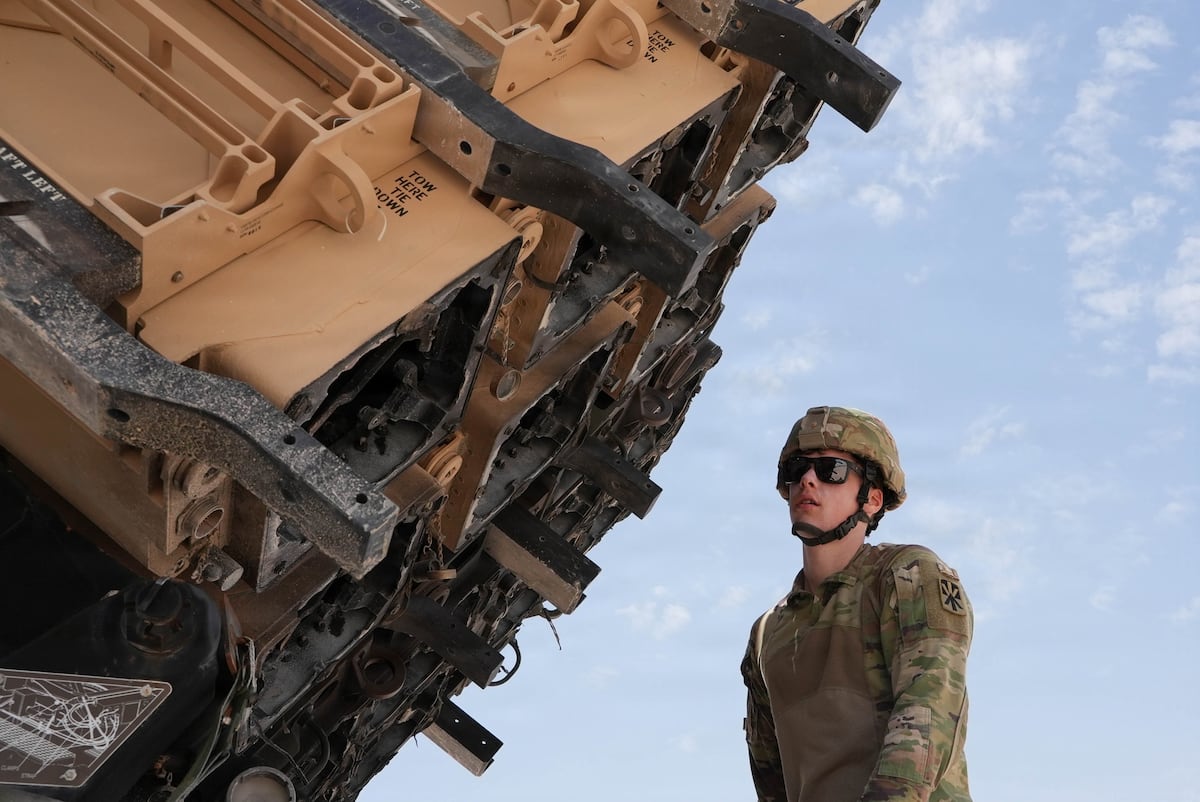
"It takes several years to produce a missile," Mark Cancian explained in a recent interview. "If you put money into the system today, you wouldn’t get a missile for three or four years. Sometimes even five. What we’re getting now are missiles that were funded in 2023." This lag time is a result of a "cold" industrial base that was optimized for peacetime efficiency rather than wartime surge capacity. Sub-tier suppliers for critical components, such as microchips and specialized chemical propellants, often have limited production lines that cannot be expanded overnight.
The CSIS analysis highlights that even with the new $58.6 billion contract, the U.S. will remain in a period of heightened risk through the late 2020s. The production ramp-up required to replace the 65% of the Patriot inventory already expended will take years of sustained investment and supply chain stabilization.
Strategic Implications for Global Deterrence
The drawdown of interceptors carries profound implications for U.S. strategy in other theaters, most notably the Indo-Pacific and Eastern Europe. For decades, U.S. defense planning has been predicated on the ability to fight and win—or at least deter—two major regional conflicts simultaneously. The current depletion of air-defense assets effectively undermines this "two-war" standard.
In the Indo-Pacific, the threat of a high-intensity conflict involving long-range missile salvos is a central pillar of regional security concerns. Should a contingency arise in the Taiwan Strait or the Korean Peninsula before the U.S. replenishes its Patriot and THAAD stocks, American commanders would face a "choice of evils." They might be forced to conserve interceptors, allowing less-critical targets to be hit, or they would have to strip air-defense batteries from other global locations, leaving those areas vulnerable.
Furthermore, the loss of defensive depth affects the psychological aspect of deterrence. Adversaries who observe the rapid depletion of U.S. stocks may conclude that the United States lacks the "staying power" for a prolonged conflict. This could embolden regional actors to engage in more aggressive gray-zone activities or outright military provocations, calculating that the U.S. would be unable to sustain a defensive shield for its allies over an extended period.
Casualty Reports and the Limits of Air Defense
While the Patriot and THAAD systems have been lauded for their technical performance, the conflict with Iran has also demonstrated that no air-defense umbrella is impenetrable. New records and casualty reports from the Department of Defense indicate that despite the high interception rates, some Iranian missiles did penetrate the defensive layers.
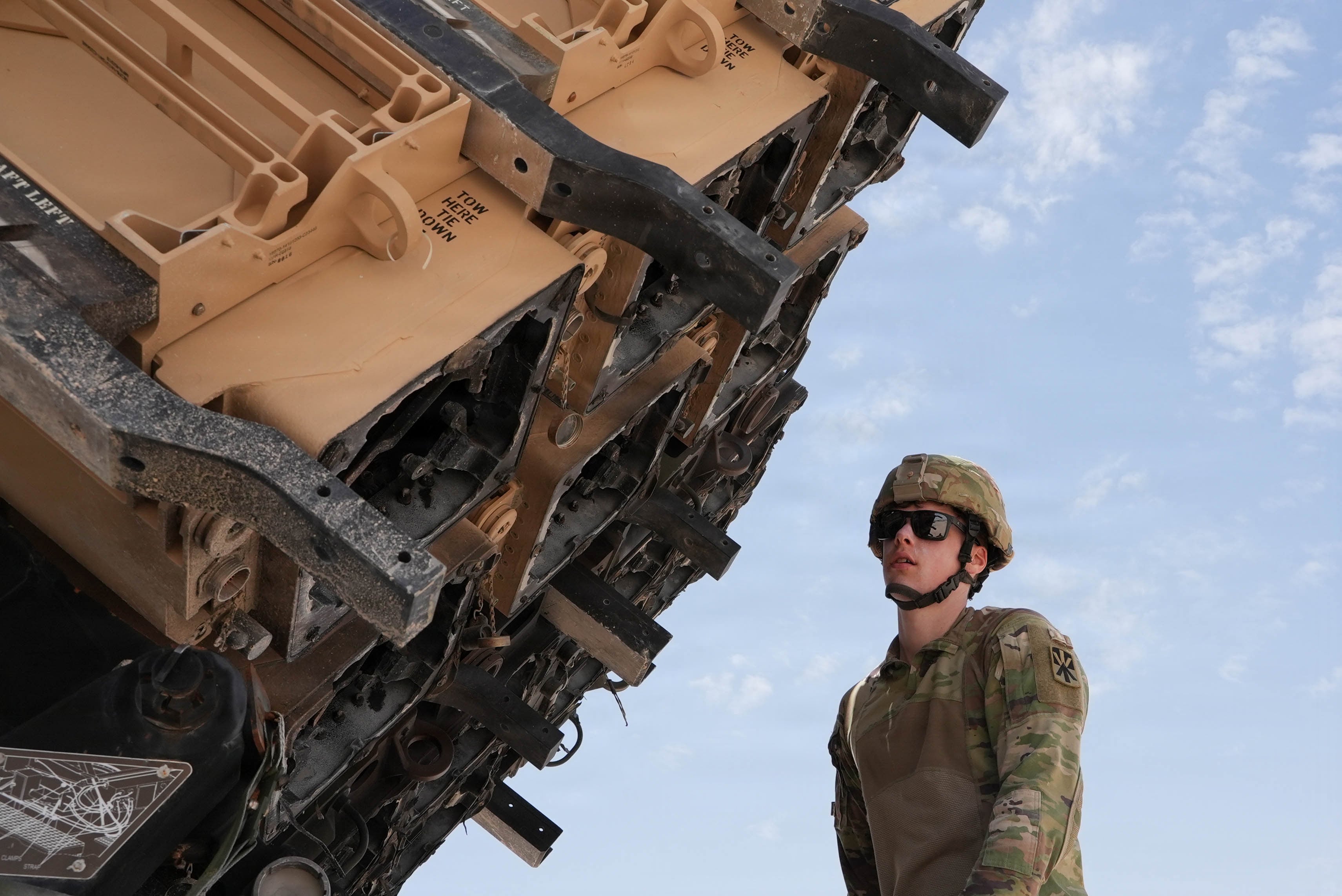
U.S. troops stationed in the region have suffered injuries ranging from shrapnel wounds and broken bones to traumatic brain injuries (TBI) resulting from the overpressure of nearby impacts. These casualties highlight the grim reality that even a 90% or 95% interception rate—while statistically impressive—still allows enough ordnance through to cause significant loss of life and damage to infrastructure.
The CSIS report suggests that the depletion of interceptors will only exacerbate this problem. As stocks dwindle, the criteria for engaging an incoming threat will likely become more stringent. Commanders may be forced to prioritize only the "highest-value" threats, potentially leaving secondary installations or support units with reduced protection. This "managed risk" approach is a departure from the traditional U.S. doctrine of comprehensive theater air defense.
Official Responses and the Path Forward
The Pentagon has maintained a cautious stance regarding the CSIS estimates. While Department of Defense officials have not confirmed the specific inventory numbers cited in the analysis, they have acknowledged the strain on the industrial base. In previous statements, Army leadership has emphasized that the multi-year procurement strategy is intended precisely to provide the "predictable demand signal" that industry needs to expand capacity.
The U.S. Army’s acquisition executive has frequently testified before Congress about the need for "reindustrialization"—a return to a more robust, surge-capable manufacturing sector. This includes not only funding the final assembly of missiles but also investing in the "deep" supply chain, such as the foundries that produce specialized castings and the laboratories that develop next-generation sensors.
Coalition partners have also expressed concern. Many nations in the Middle East and Europe rely on the United States for their own air-defense needs, either through direct military support or through Foreign Military Sales (FMS). If the U.S. inventory is depleted, the availability of interceptors for export will likely decrease, forcing allies to seek alternative systems or develop their own indigenous capabilities.
Conclusion: A Window of Vulnerability
The CSIS report serves as a stark reminder that modern warfare is a contest of industrial endurance as much as it is a clash of technology. The expenditure of 65% of the Patriot inventory and nearly 40% of the THAAD inventory in a single regional conflict has exposed a significant vulnerability in the American security architecture.
As the U.S. military continues to navigate the complexities of the Iran conflict, the focus of policymakers in Washington is shifting toward the "near- to medium-term window of risk." Rebuilding these stockpiles is a task that will span multiple presidential administrations and require tens of billions of dollars in sustained funding. Until the production lines at Lockheed Martin and its subcontractors can close the gap, the United States and its allies will be forced to operate under a shadow of scarcity, where every missile fired in the Middle East is one less missile available to deter a conflict elsewhere on the globe.
The strategic risk is no longer theoretical; it is a matter of inventory mathematics. The challenge for the Department of Defense in the coming years will be to manage this transition while ensuring that the "shield" of American air defense remains credible in the eyes of both allies and adversaries alike.

Related Posts
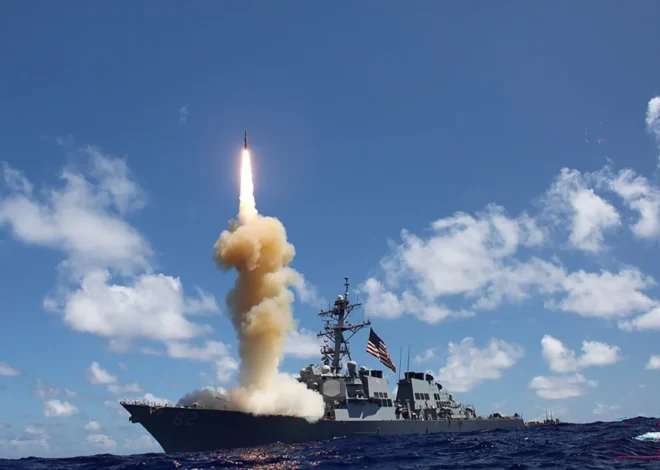
Pentagon Forges Landmark Seven-Year Agreements with Boeing and RTX to Accelerate Standard Missile-3 Production and Stabilize Defense Supply Chains
Boeing Unveils Ultra Low-Cost Seeker to Enhance Missile Inventory and Combat Cost Challenges in Modern Warfare