
Hungary’s Paks Nuclear Plant Faces Unprecedented Shutdown Amid Record Danube Lows, Triggering Regional Energy Crisis and Climate Alarm
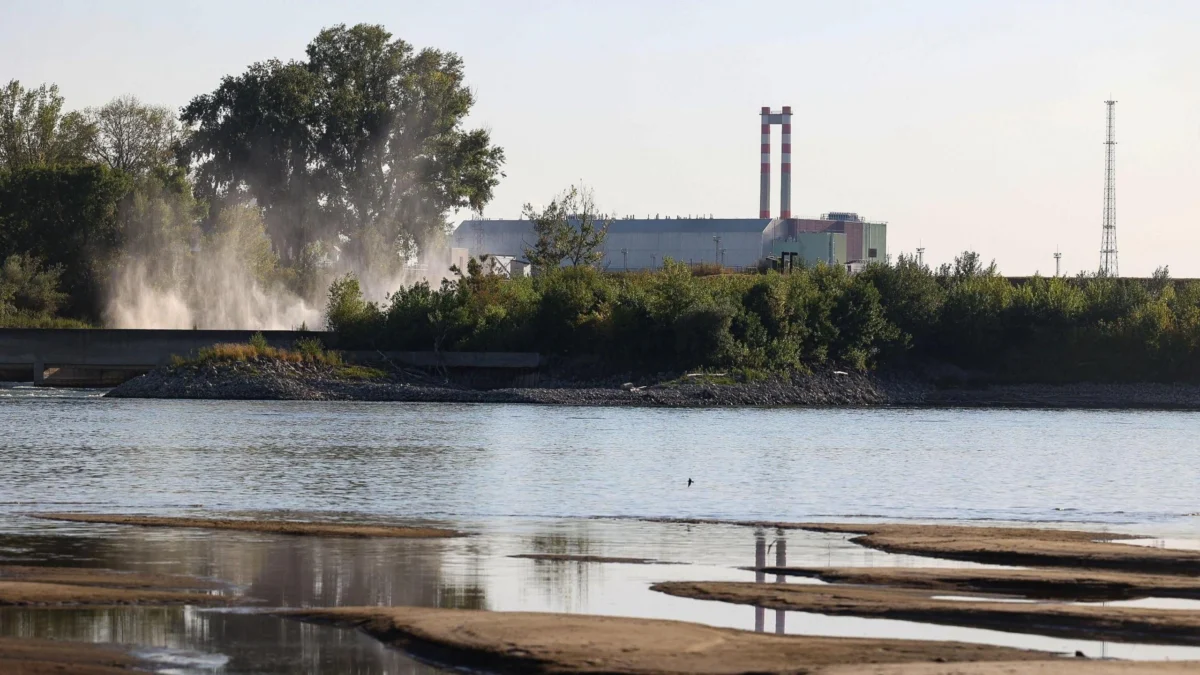
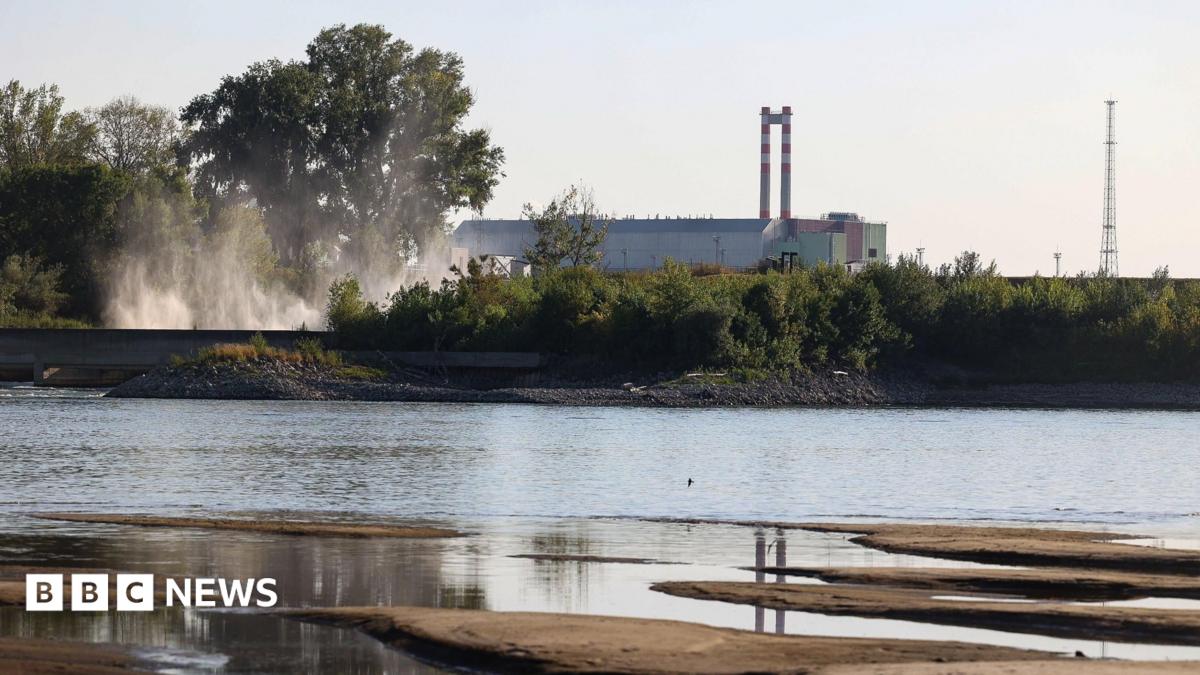
Hungary’s vital Paks Nuclear Power Plant, a cornerstone of the nation’s energy supply, is facing an unprecedented full shutdown for the first time in its operational history. Prime Minister Péter Magyar announced the critical measure due to record-low water levels in the River Danube, which the Soviet-era facility relies upon for its essential cooling systems. The severity of the drought has rendered the plant’s suction nozzles unable to reach the river’s diminished flow, effectively halting its capacity to generate electricity. This development casts a severe shadow over Hungary’s energy security, prompting warnings of a "critical" supply situation beginning as early as Monday, exacerbated by an ongoing heatwave that is forecast to maintain temperatures around 37°C for the coming week.
The Paks plant, comprising four VVER-440 reactors, typically provides over 50% of Hungary’s electricity, making its forced cessation a profound shock to the national grid. The immediate implications are significant, pushing the government to issue urgent appeals for public energy conservation. Prime Minister Magyar specifically requested Hungarians to curtail high-consumption activities, such as charging electric cars and using air conditioning, during peak hours between 17:00 and 22:00. Should these voluntary efforts prove insufficient to stabilize the national grid, a "rotational shutdown regime" has been flagged as a potential last resort. This would involve the government compiling a list of major electricity and water consumers whose supply could be temporarily limited, a measure indicative of the dire circumstances.
The Danube’s Diminishing Flow: A Regional Catastrophe
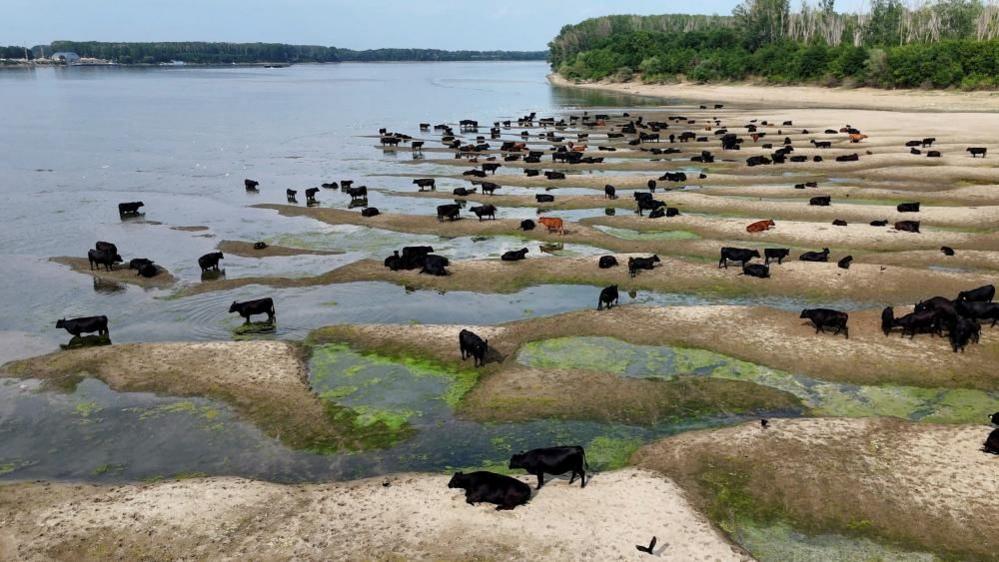
The plight of the Paks plant is but one stark manifestation of a broader ecological and economic crisis gripping the Danube River basin. Europe’s second-longest waterway, stretching 2,857 kilometres through 19 countries, is experiencing its most severe drought conditions in over three decades. From Germany to the Black Sea, the river’s flow has dwindled to alarming levels, exposing vast stretches of riverbed and disrupting critical infrastructure across central and southeastern Europe.
In neighbouring Romania, the impact mirrors Hungary’s predicament. The Cernavoda Nuclear Power Plant, responsible for approximately 20% of the country’s electricity, has already shut down one of its two 706-megawatt reactors due to the Danube’s drastically reduced volume. State-owned company Nuclearelectrica reported a strenuous effort to keep the second reactor operational, but the threat of a complete nuclear energy outage looms large for Romania as well. Data from Romania’s National Institute of Hydrology painted a grim picture: the average river flow where the Danube enters the country typically registers around 4,700 cubic metres per second in July. However, recent measurements showed a precipitous drop to just 1,600 cm/s, with forecasts predicting a further decline to 1,500 cm/s by Tuesday. Such figures underscore the unprecedented nature of the current hydrological stress.
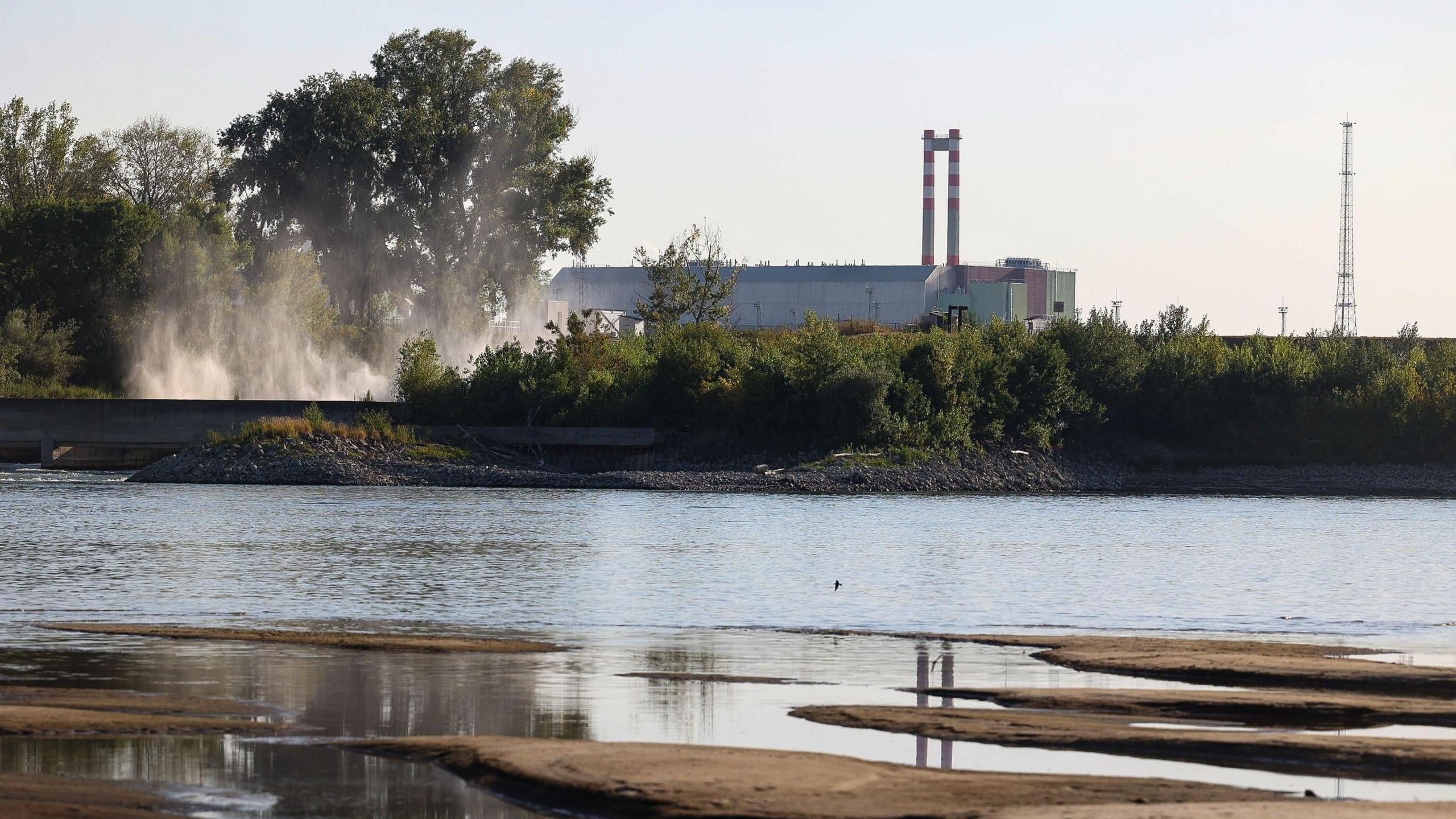
The low water levels extend far beyond Hungary and Romania. In Serbia, the Danube, along with its major tributaries, the Sava and Tisa, has fallen to depths not witnessed in 50 to 60 years. Hydrologist Dejan Vladiković explained that the crisis is a cumulative effect of both the intense current heatwave and insufficient rainfall during the preceding spring months. Climatologists in the region hold little hope for significant improvement until mid-September, suggesting a prolonged period of strain for river-dependent sectors. Large areas of the riverbed have become exposed, particularly evident in Budapest, where the capital city’s iconic waterfront reveals stark evidence of the receding waters after weeks of extreme heat and drought.
The Climate Change Imperative
This regional water crisis is not an isolated meteorological anomaly but a direct and undeniable consequence of accelerating global climate change. Europe, in particular, has been identified by the Copernicus Climate Change Service as the fastest-warming continent, heating up at twice the global average rate. This accelerated warming trend is directly contributing to the increased frequency and intensity of summer heatwaves, exacerbating water stress on vital European river systems, and fueling more intense and widespread wildfires.
The current drought across the Danube basin aligns with a broader pattern of extreme weather events plaguing Europe. While the Danube countries grapple with water scarcity, vast areas of France and Spain have recently endured some of the most intense and widespread wildfires in living memory, leading to hundreds of thousands of evacuations. These interconnected crises highlight the cascading effects of a warming planet, where rising temperatures lead to reduced precipitation, increased evaporation, and a heightened demand for cooling, creating a perilous feedback loop for energy production, agriculture, and public health. The "new normal" for Europe appears to be one of escalating climate vulnerability, demanding urgent and adaptive strategies for water management and energy resilience.
Economic Ripple Effects: Shipping and Commerce
Beyond the immediate threat to energy production, the Danube’s historic low levels have brought commercial shipping to a near standstill in several sections, inflicting significant economic damage across the region. The Danube serves as a vital artery for trade, transporting a diverse range of goods from agricultural products and raw materials to manufactured items, connecting landlocked countries to the Black Sea and beyond. The disruption of this critical transport route has immediate financial implications for businesses reliant on riverine logistics, leading to delays, increased costs, and potential supply chain bottlenecks.

A particularly striking incident occurred in Bulgaria, where border police were forced to evacuate 186 passengers from the Viking Ullur cruise ship earlier this week. The vessel ran aground close to Vidin, a city on the border with Romania, unable to navigate the drastically shallow waters. Passengers reportedly faced dwindling supplies of food and water, as even a rescue boat dispatched to assist was unable to get close enough to the stranded cruise liner. Ivan Zhekov, head of river supervision at Bulgaria’s maritime administration agency, underscored the severity of the situation, stating, "I have never heard of such low levels over the years. There has certainly not been a similar situation since 1990." This sentiment is echoed by shipping companies who are either forced to lighten their loads significantly, making transport uneconomical, or suspend operations altogether, leading to substantial revenue losses and disruptions to regional trade flows.
Unearthing History: The River’s Secrets Revealed
The receding waters, while catastrophic for modern infrastructure and commerce, have also dramatically altered the landscape, inadvertently revealing forgotten chapters of history and even prehistory. As the riverbed dries out, long-submerged artefacts and remnants of past eras have come to light, offering a unique, albeit bittersweet, opportunity for discovery.
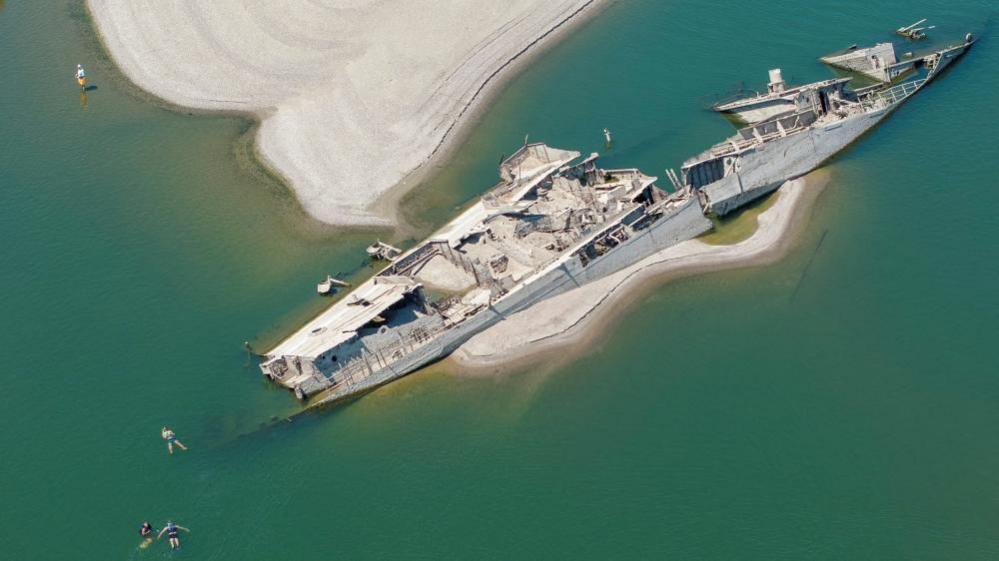
In Croatia, the skeletal remains of a sunken Hungarian cargo ship, lost to the depths for decades, have resurfaced, providing a tangible link to historical maritime activities. Further downstream, near Prahovo in Serbia, the hulks of a German river flotilla from World War II have become visible. These warships, deliberately scuttled during the retreat to block the advancing Soviet army, represent a haunting historical tableau, now exposed to the air for the first time in many decades. Their emergence serves as a stark reminder of the river’s role in significant geopolitical events.
Perhaps the most extraordinary discovery occurred in the northeastern Bulgarian city of Ruse, where a local resident stumbled upon ancient bones on the newly exposed Danube riverbed. Experts quickly identified these as the remains of a mammoth, a colossal creature from the Ice Age. The find included a remarkably preserved lower jaw, two prominent tusks, and potentially a mammoth rib, offering paleontologists invaluable insights into the prehistoric fauna that once roamed the Danube basin. These unexpected revelations, while fascinating, serve as a potent visual metaphor for the extent of the environmental transformation currently underway.
Expert Perspectives and Future Outlook
The consensus among hydrologists and climate scientists is that the current crisis is a complex interplay of immediate weather patterns and long-term climate trends. Dejan Vladiković’s assessment that the problem stems not only from the ongoing high temperatures but also from a deficit of rainfall during the preceding spring season highlights the cumulative nature of drought. The forecast for continued high temperatures in Serbia, climbing as high as 38°C on Friday and potentially 40°C locally, with night-time temperatures in Belgrade remaining a stifling 26°C, offers little respite. This persistent heat significantly increases evaporation rates, further depleting any residual moisture.
The vulnerability of critical infrastructure, such as nuclear power plants and navigation channels, designed for historical hydrological patterns, is now acutely evident. Engineers and policymakers face urgent challenges in adapting existing systems and planning for a future characterized by more frequent and intense droughts. Potential long-term strategies include investing in alternative cooling technologies for power plants that are less water-intensive, exploring deeper dredging of key shipping lanes (though this carries its own environmental concerns), and implementing more robust, regionally coordinated water management policies across all riparian states. The Danube, as a shared resource, necessitates collaborative approaches to address these challenges effectively.
Calls for Action and Public Response
The unfolding crisis has triggered immediate calls for action and heightened public awareness. Beyond Prime Minister Magyar’s pleas for voluntary conservation, governments across the Danube basin are confronting difficult decisions regarding energy rationing and resource allocation. The incident of the stranded cruise ship and the subsequent evacuation underscores the need for robust emergency response mechanisms and improved communication protocols for navigating extreme environmental conditions.
The long-term implications for Europe’s energy security are profound. The reliance on water-cooled thermal power plants, both nuclear and conventional, presents a systemic vulnerability in a warming climate. This situation could accelerate the shift towards renewable energy sources that are less dependent on consistent water availability, such as solar and wind power. However, such transitions require significant investment and time, offering little immediate relief. The current situation serves as a powerful wake-up call, emphasizing the urgent need for a comprehensive, climate-resilient energy strategy for the entire European continent, one that prioritizes adaptation, diversification, and international cooperation to safeguard vital resources and ensure stability in the face of escalating environmental challenges.
The Danube’s current state is more than just a hydrological anomaly; it is a stark indicator of a continent at the forefront of climate change impacts. The immediate crisis for Hungary’s power supply and the broader disruptions across the region are undeniable, rooted in a rapidly warming planet. This moment represents a critical juncture for Europe, demanding not only immediate mitigation measures but also a fundamental re-evaluation of its energy, environmental, and infrastructure policies to build resilience against the escalating threats of a changing climate.

Related Posts

Zambia on Edge: Opposition Leader Arrested Amid Allegations of Insurrection Plot and Election Tensions

Rescuers search for survivors of powerful Indonesia earthquake

