
Major Earthquake Rocks Japan’s Kyushu Island, Leaving 19 Missing and Significant Damage
Japan is once again grappling with the devastating aftermath of a powerful earthquake, as a 6.8 magnitude tremor struck Kyushu island, triggering widespread disruption and leaving at least 19 people missing. The quake, which hit the Kumamoto prefecture, has caused substantial structural damage, including the collapse of a portion of a prominent shopping centre, a factory chimney, and historic castle walls, alongside extensive power outages and damaged transportation infrastructure. Emergency services are in a race against time to locate the missing and assess the full scope of the disaster, as the nation mobilizes its robust emergency response systems.
Immediate Aftermath and Search Operations
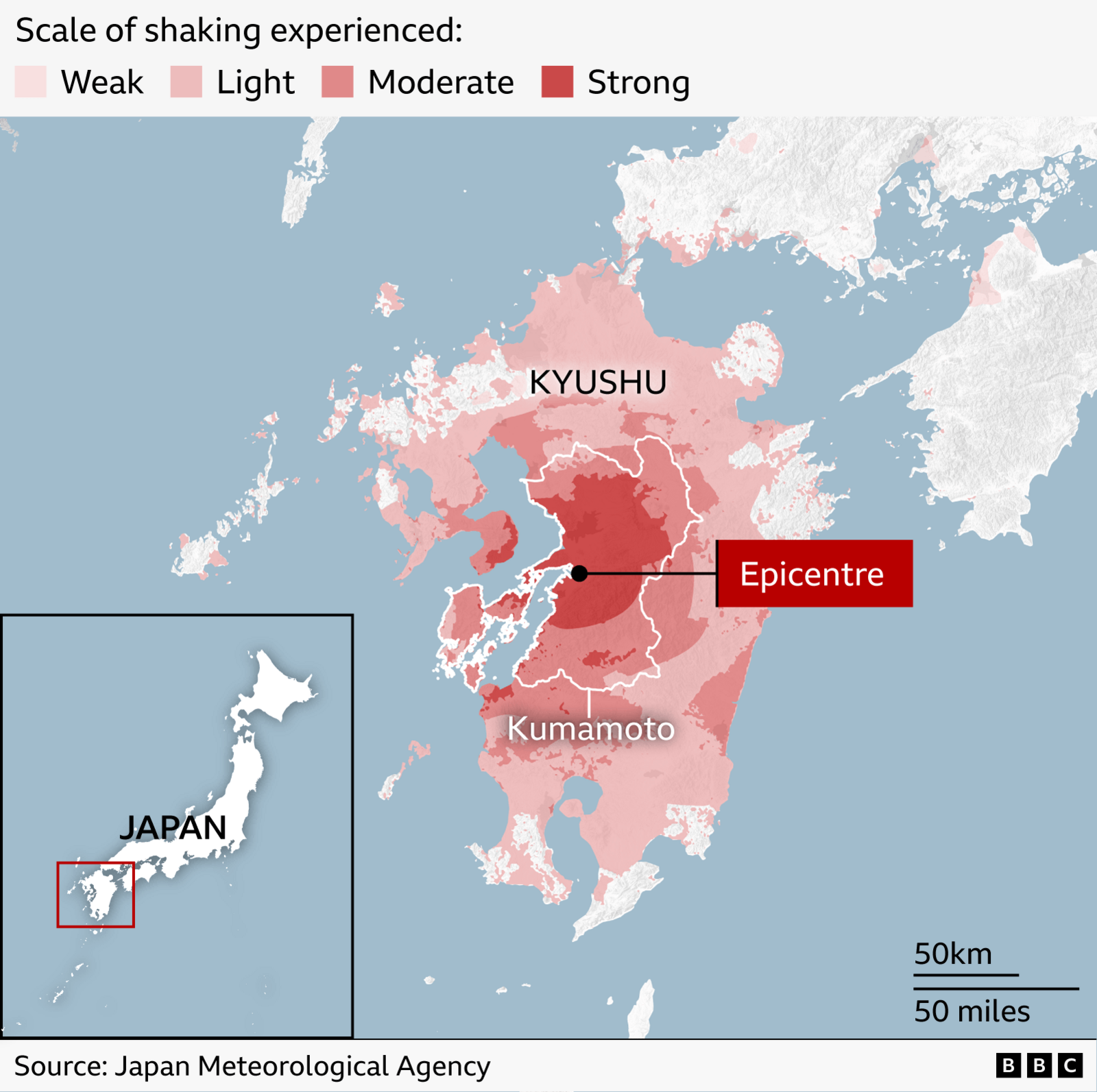
The earthquake, initially reported by the Japan Meteorological Agency (JMA) as a magnitude 7.1 and later adjusted to 6.8 by the US Geological Survey (USGS), struck at 16:27 local time (07:27 GMT) on Tuesday. Its epicentre was identified in the Kumamoto prefecture, a region on the southern island of Kyushu that is no stranger to seismic activity. The immediate hours following the main shock have been dominated by urgent search and rescue efforts, particularly at two key locations where individuals are feared trapped.
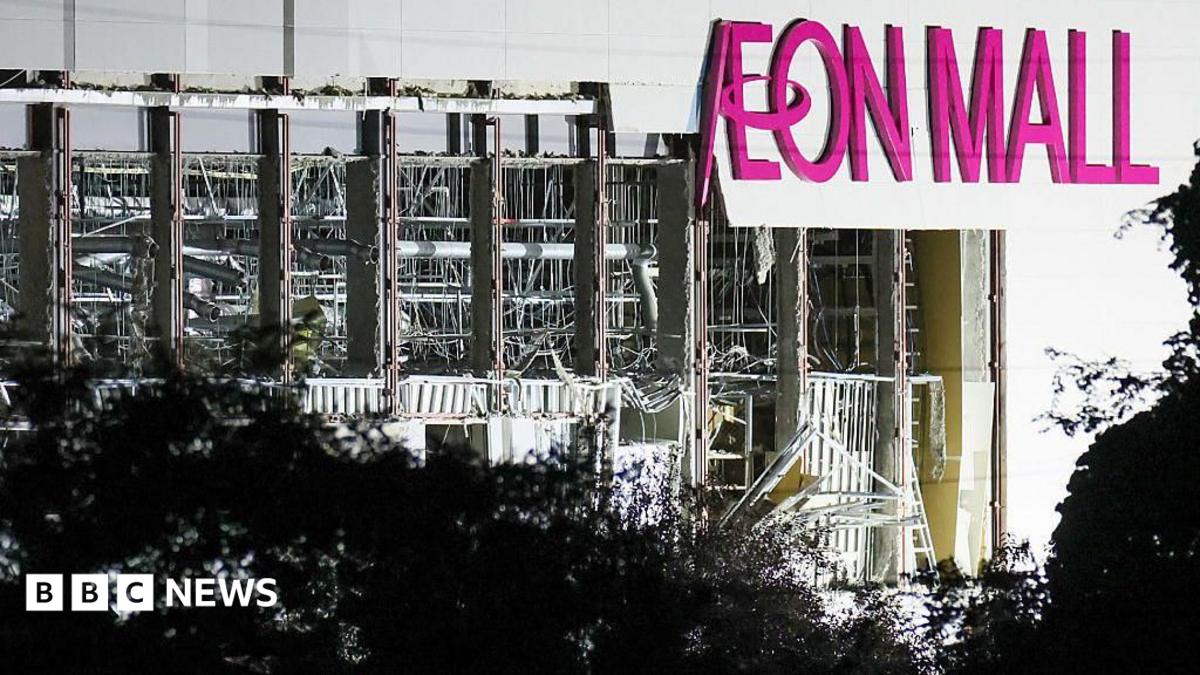
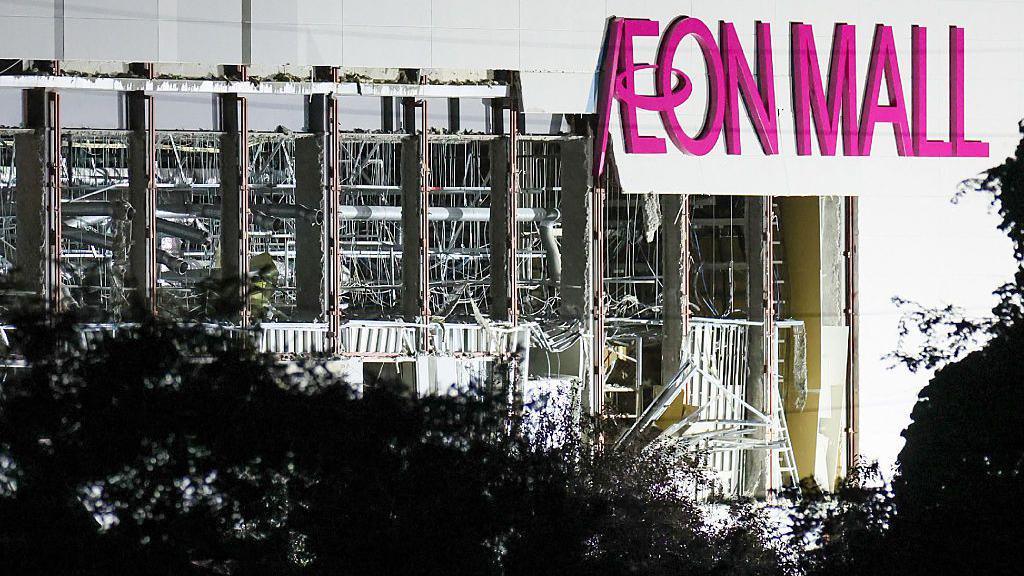
At the Aeon shopping centre in Kumamoto, rescue teams are diligently working to locate ten individuals who remain unaccounted for. Eyewitness accounts paint a harrowing picture, with one person reporting an explosion and smoke, followed by the partial collapse of the building’s second floor. While four shoppers have been successfully rescued from the mall and are reported to be in stable condition, the ongoing search underscores the precarious situation for those still inside the compromised structure. The Fire and Disaster Management Agency confirmed the collapse, emphasizing the severity of the incident.
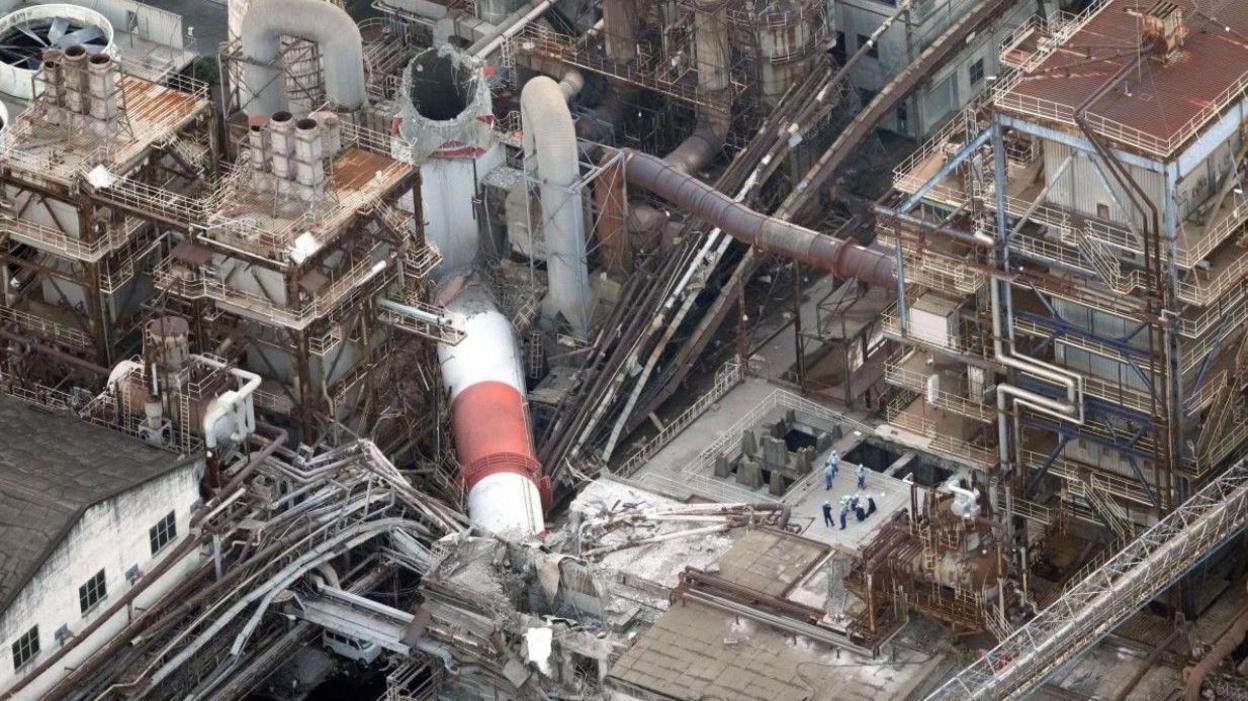
Further compounding the crisis, nine people are missing at the Nippon Paper’s Yatsushiro Plant, also within the Kumamoto prefecture. Police reports, cited by Japan’s public broadcaster NHK, indicate that a large chimney at the facility collapsed. Aerial photographs corroborated this, showing significant structural failure. Tragically, a disaster management official informed the BBC that two individuals found at the plant were in a state of "cardiac arrest," a term often used by Japanese officials to describe victims showing no vital signs before official medical confirmation of death. This grim update highlights the potential for fatalities as the full picture of the disaster emerges.
Geographical and Seismological Context
Kyushu, the third-largest of Japan’s four main islands and its second most populous, is situated within one of the world’s most seismically active zones – the Pacific "Ring of Fire." This region is characterized by frequent earthquakes and volcanic eruptions due to the convergence of several major tectonic plates, including the Pacific, Eurasian, Philippine Sea, and North American plates. The constant grinding and shifting of these plates release immense energy, leading to tremors of varying magnitudes.
The Kumamoto prefecture itself has a documented history of powerful earthquakes. Most notably, a series of quakes in 2016, including a 7.3 magnitude tremor, devastated the region, claiming the lives of 278 people in Kumamoto and neighbouring Oita prefectures. This historical context underscores the inherent vulnerability of the area and the necessity of Japan’s advanced seismic monitoring and disaster preparedness protocols.
The differing magnitude figures reported by the JMA (7.1) and USGS (6.8) are common in the immediate aftermath of major earthquakes. Various seismological agencies use different methodologies and seismic wave types to calculate magnitude, and these figures are often refined as more data from a wider network of sensors becomes available. The JMA primarily uses the JMA magnitude scale, while the USGS typically uses the Moment Magnitude Scale (Mw), which is considered more accurate for larger earthquakes. Both scales aim to quantify the energy released by an earthquake, but slight variations are expected in preliminary reports.
Widespread Infrastructure Damage and Disruption
Beyond the immediate human impact, the earthquake has inflicted significant damage across the Kumamoto prefecture, disrupting daily life for hundreds of thousands of residents.
Power outages have affected more than 40,000 households, according to Kyushu Electric’s official website, plunging communities into darkness and hindering communication. Utility crews are working to restore electricity, a critical component of post-disaster recovery, allowing residents to access information and emergency services to operate effectively.
Transportation networks have also been severely impacted. Numerous roads have sustained damage, complicating rescue efforts and the delivery of essential supplies. One notable casualty is a footbridge in the Kumamoto region, which collapsed, though details regarding injuries or the exact timing of the collapse remain unclear. The structural integrity of parallel routes is being assessed to ensure safe passage.
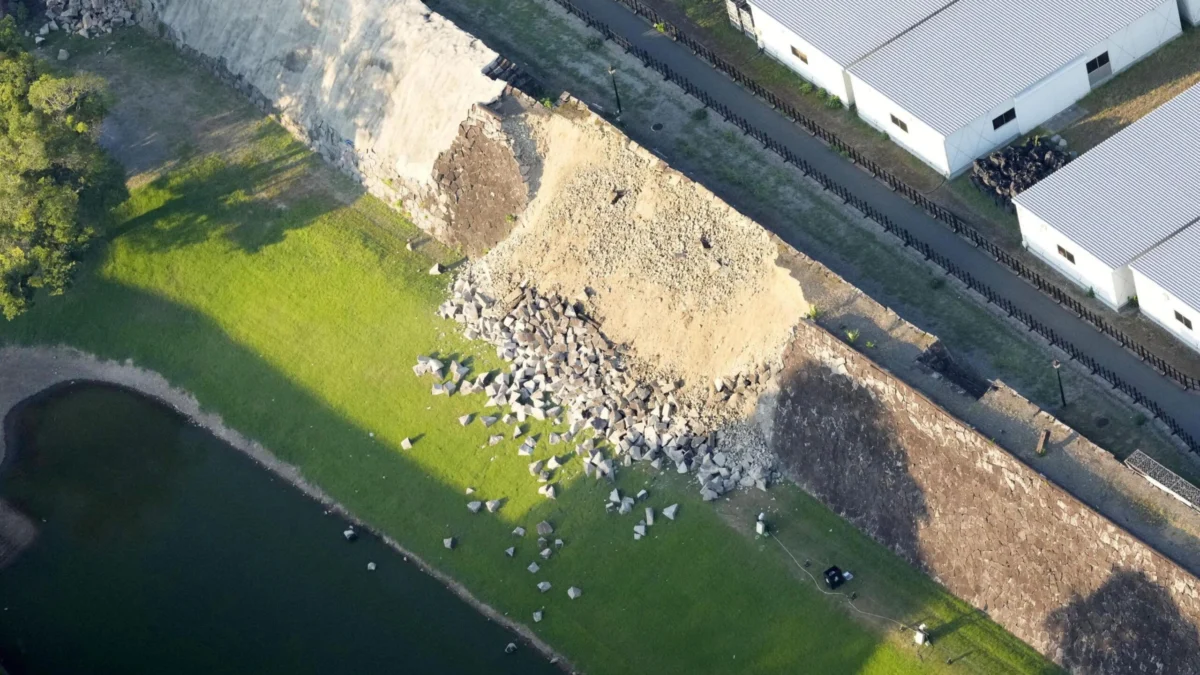
Kumamoto Castle, a revered 17th-century landmark and a symbol of the region’s heritage, once again bore the brunt of seismic forces. Historic stone walls, meticulously rebuilt and maintained over centuries, tumbled under the tremors. This is not the first time the castle has suffered such damage; parts of its 400-year-old structure, including turrets and curved walls, were also severely compromised during the 2016 quakes, leading to extensive and ongoing restoration efforts. The repeated damage highlights the challenge of preserving historic architecture in a seismically active zone, even with advanced reinforcement techniques.
Official Response and Emergency Measures
In response to the unfolding crisis, Japanese authorities swiftly implemented emergency protocols. Hundreds of thousands of people across the affected areas were advised to move to evacuation shelters, a standard procedure in Japan designed to protect citizens from collapsing structures and potential aftershocks. These shelters provide temporary refuge, food, water, and medical assistance, playing a crucial role in mitigating casualties.
The Japan Meteorological Agency, while initially issuing a tsunami warning immediately after the quake, lifted it within two hours. This rapid assessment and communication are vital in preventing panic and ensuring appropriate public response. While no significant tsunami materialized, the initial warning underscores the potential for secondary disasters following powerful offshore or shallow crustal earthquakes.
Government officials, including local prefectural authorities and likely the national government, are coordinating a comprehensive response. This involves deploying additional emergency personnel, including search and rescue teams, medical staff, and self-defence forces, to assist with recovery efforts. Prioritizing the safety of residents, the search for the missing, and the restoration of critical infrastructure are the immediate goals.
Aftershocks and Ongoing Vigilance
The initial main shock has been followed by a series of more than 60 aftershocks, ranging in magnitude from 1 to 4. These subsequent tremors, though generally weaker than the main quake, pose a significant threat. They can further destabilize already damaged structures, trigger landslides, and cause psychological distress among affected populations. Seismologists and emergency services continue to monitor seismic activity closely, advising residents to remain vigilant and follow official guidance, as the risk of further significant aftershocks persists for days or even weeks following a major earthquake.
Broader Implications and Long-Term Recovery
The earthquake’s implications extend beyond immediate damage and casualties. The disruption to the local economy, particularly in Kumamoto city, which serves as a regional hub, could be substantial. Tourism, manufacturing, and local commerce are likely to face setbacks as infrastructure repairs commence and public confidence in safety is gradually restored. Businesses like Aeon Mall and Nippon Paper will need to assess damages, rebuild, and potentially re-establish supply chains, affecting employment and economic output.
The psychological toll on residents, especially those who experienced the devastating 2016 quakes, cannot be overstated. The fear and anxiety associated with such events can have long-lasting effects, necessitating mental health support as part of the broader recovery process.
Despite the immediate devastation, Japan’s renowned resilience and sophisticated disaster preparedness systems will be crucial in the coming weeks and months. The nation’s stringent building codes, early warning systems, and well-drilled emergency response procedures are designed to minimize loss of life and facilitate rapid recovery. However, each major earthquake presents unique challenges and serves as a somber reminder of the relentless geological forces at play in this island nation. The focus now shifts from immediate rescue to comprehensive damage assessment, strategic planning for reconstruction, and providing sustained support to the affected communities as they embark on the arduous journey of recovery.

Related Posts

Zambia on Edge: Opposition Leader Arrested Amid Allegations of Insurrection Plot and Election Tensions

Rescuers search for survivors of powerful Indonesia earthquake

