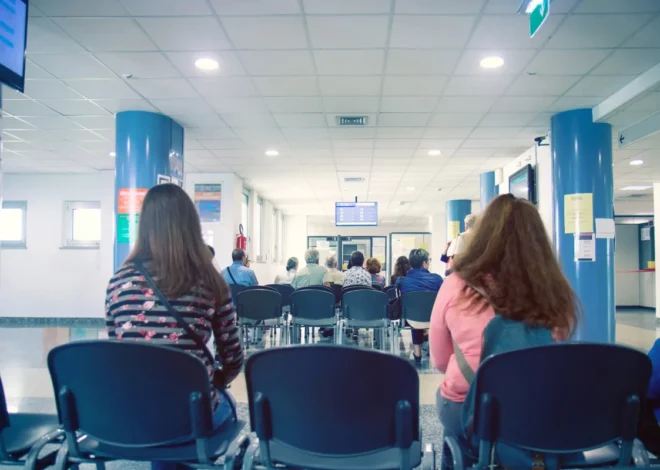
Tras el repunte de junio, cayó más de seis puntos la confianza en el Gobierno
The Índice de Confianza en el Gobierno (ICG), a monthly barometer of public sentiment towards the administration, has once again experienced a decline in July. Following a brief respite in June, which had halted a six-month streak of consecutive drops, the index has now fallen by a significant 6.5% compared to the previous month. This latest downturn brings the confidence level for Javier Milei’s administration to 1.94 points on a scale of 0 to 5, a noticeable decrease from June’s 2.07 points, which had represented a 3.9% monthly increase. The data, compiled by the Universidad Torcuato Di Tella (UTDT) based on a study by the consulting firm Poliarquía, indicates a renewed erosion of public trust in the government’s performance.

ATE Calls for National Strike Amidst Economic Grievances
In a separate development highlighting growing public discontent, the Asociación Trabajadores del Estado (ATE) has announced a national strike with a mobilization scheduled for Monday, August 3rd. Rodolfo Aguiar, the National Secretary General of ATE, declared the action to protest against perceived salary cuts and the rising cost of living. The union plans to march towards the Ministry of Economy, demanding wage increases that they argue have not kept pace with inflation. Aguiar stated, "State workers’ salaries should be more than double what they are now. To the cut applied in negotiations of more than 45%, we must add that public services have increased by more than 900% since Milei took office." This announcement signals a potential escalation of labor unrest, reflecting broader economic anxieties among a significant segment of the workforce. The union’s communiqué, disseminated through social media, underscores a direct challenge to the government’s economic policies and their impact on public sector employees.
Renewed Battle Over Bookstore Defense Law
A heated debate has reignited on social media platforms concerning the government’s proposed elimination of the law protecting bookstores. Federico Sturzenegger, the Minister of Deregulation and Transformation of the State, publicly advocated over the weekend for the repeal of Law 25.542, enacted in November 2001. This legislation mandates that publishers and importers establish a uniform public sale price for books, a price that is expected to be adhered to across various retail channels, including large bookstore chains, independent shops, supermarkets, and digital platforms. While this law aims to ensure a level playing field and support the diverse ecosystem of the book industry, its potential repeal has drawn sharp criticism from stakeholders. The current law permits limited discounts, such as 10% or up to 20% for students and teachers, and a 50% exceptional discount for sales to libraries and bookstores through programs like Conabip’s Libro % and Librerías Aliadas, particularly during book fairs. The government’s renewed push to dismantle this protective framework has intensified the discourse on cultural policy and the role of regulation in supporting specific economic sectors.

Youth Vulnerability and Disenchantment: A UBA Report
A stark new report from the Universidad de Buenos Aires (UBA) paints a concerning picture of the challenges facing young Argentinians. The study reveals that nearly half of individuals aged 18 to 29 are living in conditions of social vulnerability. This comprehensive analysis, aiming to provide a detailed overview of the lives of young people in disadvantaged circumstances, highlights alarmingly high rates of informal labor and a significant deterioration in mental health, with elevated levels of anxiety and depression reported. Despite these adverse conditions, the majority of the surveyed population still views education as the primary pathway to improving their future prospects. Titled "Vulnerable Youth in Argentina: Living Conditions, Beliefs, and Expectations for the Future," the research, conducted by Juan Cruz Esquivel and Felipe Vega Terra, posits that vulnerability is no longer a marginal issue but a structural characteristic affecting over 4.1 million young people across the country. This finding underscores the need for targeted interventions and policies to address the systemic issues contributing to this widespread vulnerability.
Milei Travels to Peru Amidst Diplomatic Tensions
President Javier Milei embarked on a trip to Lima, Peru, to attend the inauguration of President-elect Keiko Fujimori, which took place on Tuesday. Prior to the ceremony, Milei was scheduled to hold a meeting with Fujimori, according to official sources. The trip comes at a delicate time, with ongoing diplomatic friction between Argentina and Brazil. In Lima, Milei could potentially encounter Brazil’s Foreign Minister, Mauro Vieira, who is attending the inauguration on behalf of President Lula da Silva. This potential encounter follows a recent diplomatic incident where Milei made contentious remarks about Lula during a visit to Brazil. The Argentine president’s previous foreign excursions have not been without controversy, and this trip to Peru is being closely watched for any further diplomatic developments or potential interactions that could impact regional relations.

Macri’s Question to Milei: "For Whom Is the Model Working?"
A recent document released by Fundación Pensar, the think tank associated with Mauricio Macri’s PRO party, has posed a pointed question that could be interpreted as a direct challenge to President Javier Milei’s economic model. The document asks, "For whom is the model working?" This query extends beyond the typical analysis of economic winners and losers, delving into the broader societal impact of the government’s policies. It probes who is genuinely benefiting and who is struggling, irrespective of the macro-economic stability the administration claims to have achieved. The question implies a need for a more nuanced assessment of the model’s effectiveness, suggesting that mere macroeconomic order may not translate into widespread well-being for all segments of the population. This critical reflection from a key political ally signals a growing internal scrutiny of the government’s direction and its tangible effects on the lives of ordinary Argentinians.
Georgieva’s Question to University Students: "How Many of You Have Dollars Under the Mattress?"
Kristalina Georgieva, the Managing Director of the International Monetary Fund (IMF), surprised and amused approximately 50 advanced economics students during an encounter at the Palacio Libertad by asking, "How many of you have dollars under the mattress?" This candid question came shortly after she had described the name of the "Ley de Inocencia Fiscal" (Fiscal Innocence Law), a flagship initiative by Economy Minister Luis Caputo aimed at encouraging Argentinians to bring their undeclared savings into the formal financial system, as "cute." The event, attended by students from various economic programs, provided a less formal setting for Georgieva to engage with the younger generation. Her personal anecdotes, advice, and a consistent message about the importance of building trust resonated with the attendees. The exchange offered a glimpse into the IMF’s perspective on Argentina’s economic challenges and its efforts to foster greater financial transparency and formalization within the country.

Lula’s Irony and Brazil’s "Repudiation" of Milei’s Remarks
The diplomatic rift between Argentina and Brazil, exacerbated by President Javier Milei’s recent disparaging remarks about President Lula da Silva, continues to unfold. In response to questions from journalists about his reaction to Milei’s comments, the Brazilian president reportedly responded with ironic detachment, asking, "Who is that guy?" before quickly departing the Itamaraty (the Brazilian Ministry of Foreign Affairs) venue. Earlier, Brazil’s Foreign Minister, Mauro Vieira, summoned the Argentine Ambassador to Brasília, Daniel Raimondi, to convey his government’s "repudiation" of Milei’s behavior on Brazilian soil and to demand an explanation. This exchange highlights the escalating tensions between the two South American nations, underscoring the significant impact of presidential rhetoric on international relations and the delicate balance of regional diplomacy. The incident has cast a shadow over bilateral relations, raising concerns about potential repercussions for economic and political cooperation between Argentina and Brazil.

Related Posts

The Electric Vehicle Battery Health Debate Emerges as Argentina’s EV Market Accelerates
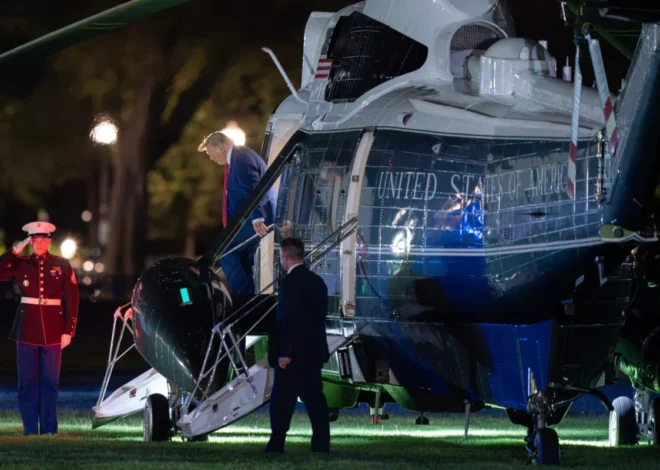
President Donald Trump Confirms Secret Departure from Turkey Amidst Assassination Threat