Romania escalates diplomatic response after Russian drone incursions threaten NATO airspace integrity
Romanian Foreign Minister Oana Țoiu has formally condemned the latest series of airspace violations, confirming that several Shahed-type drones utilized by Russian forces crossed into Romanian territory during recent strikes on Ukrainian port infrastructure. The incursions, which occurred in the vicinity of the Odesa region along the Black Sea, have prompted a sharp rebuke from Bucharest, with high-level officials labeling the events as a flagrant violation of national sovereignty and the broader security architecture of the European Union and NATO. As a direct consequence of these provocations, the Romanian government has declared a staff member of the Russian Embassy in Bucharest persona non grata, mandating their departure from the country within a five-day window.
Chronology of Escalation and Border Security
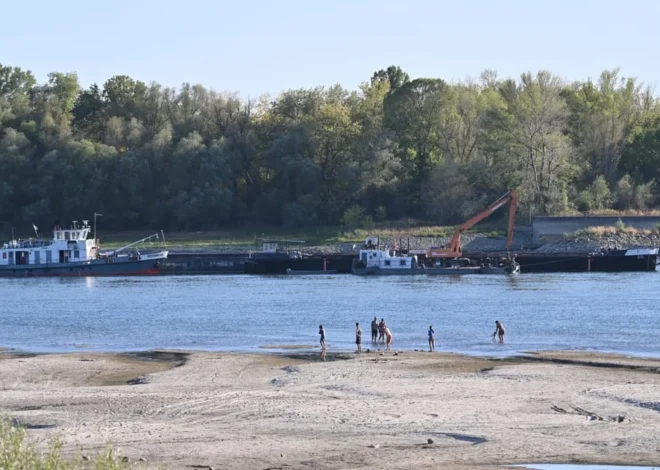
The proximity of the Russian bombardment campaign to the Romanian border has created a volatile security environment over the past eighteen months. Since the intensification of the conflict in Ukraine, the Danube River—which serves as a natural border between Ukraine and Romania—has become a frontline for Russian drone strikes aimed at crippling grain export facilities in ports such as Izmail and Reni.
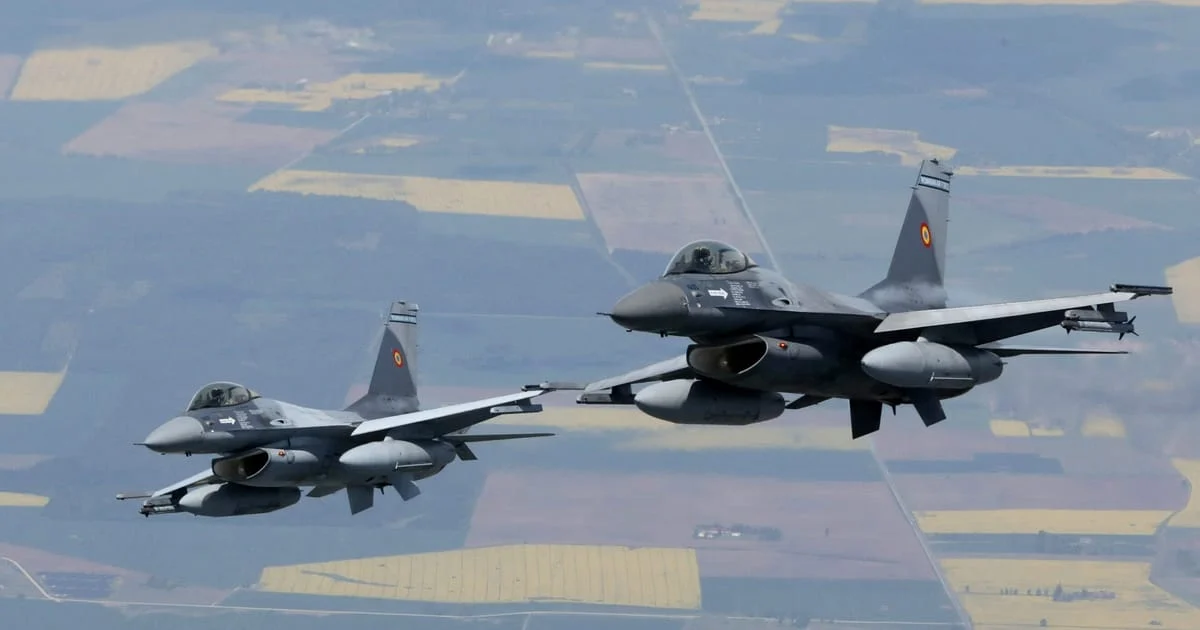
The recent breach is not an isolated incident but rather the latest in a string of detected violations. In late 2023 and early 2024, Romanian authorities discovered debris from Iranian-designed Shahed drones on their territory, specifically near the village of Plauru. While initial investigations suggested these were accidental drifts during combat operations, the frequency and precision of recent incursions have led to a shift in the strategic assessment by Romanian military intelligence. Analysts suggest that Moscow is increasingly willing to probe the defensive capabilities of NATO’s eastern flank, forcing Bucharest to scramble fighter jets and activate air defense radar systems with heightened regularity.
Technical Assessment of the Incursions
Military experts note that the Shahed-136, a long-range loitering munition, is often difficult to track due to its low radar cross-section and low-altitude flight path. When these drones are launched in large "swarms" from Russian positions in the occupied territories, their navigation systems can experience GPS interference or mechanical malfunctions, leading them to drift across the Danube. However, Romanian officials are increasingly skeptical of the "accidental drift" narrative.
The logistical implications of these flights are significant. By operating near the Romanian border, Russian forces potentially force NATO members to maintain a state of permanent alert, straining resources and testing the response times of the Romanian Air Force. Data from flight-tracking monitors and local observations indicates that the incursions are occurring with a frequency that suggests a calculated attempt to normalize the presence of Russian hardware within the sovereign airspace of a NATO member state.
Official Responses and Diplomatic Fallout
President Nicușor Dan issued a categorical condemnation of the incident, describing the repeated incursions as "inadmissible and intolerable." His statement underscored that the continued violation of Romanian airspace is not merely a regional nuisance but a direct challenge to the territorial integrity of the North Atlantic Treaty Organization.
"The sovereignty of Romania is non-negotiable," the presidential office stated. "We remain in constant consultation with our NATO allies to ensure that the necessary defensive measures are in place to deter such provocations."
The diplomatic response, specifically the expulsion of a Russian embassy official, reflects a hardening stance in Bucharest. Historically, Romania has maintained a cautious diplomatic posture regarding the conflict, but the persistence of drone debris and the risk to civilian populations in border towns have necessitated a more robust demonstration of resolve. By declaring a Russian diplomat persona non grata, Romania is sending a clear signal that the status quo of "business as usual" is no longer sustainable while Russian military hardware poses a recurring threat to its citizens.
Broader Impact on Regional Stability
The geopolitical implications of these incursions are multifaceted. First, they emphasize the vulnerability of the Black Sea region, which has become a focal point for global food security due to its importance as a transit corridor for Ukrainian grain. If the airspace over the Danube remains contested or unsafe, the economic viability of these transit routes decreases, further impacting global market prices.
Second, the incursions test the cohesion of NATO. Article 5 of the North Atlantic Treaty is the bedrock of the alliance, but the "gray zone" of accidental or minor airspace violations creates a dilemma for member states. Is a drone crash a military attack, or a navigational error? This ambiguity is precisely what Moscow seeks to exploit. By continuously crossing the threshold of sovereignty without triggering an open kinetic conflict, Russia attempts to diminish the psychological deterrent of the alliance.
The Role of NATO and EU Deterrence
In response to the growing threat, NATO has bolstered its air policing mission in Romania. Enhanced surveillance, including the deployment of AWACS (Airborne Warning and Control System) aircraft, has been utilized to monitor the border area more effectively. However, the limitation remains the legal and operational framework for intercepting drones. Shooting down a drone over populated areas carries its own risks, and the cost-benefit analysis of deploying expensive surface-to-air missiles against relatively cheap loitering munitions remains a subject of ongoing debate within the Romanian defense ministry.
The European Union has also expressed support for Romania’s firm response. EU officials have highlighted that the security of the EU’s external borders is a collective responsibility. The incident has reignited discussions in Brussels regarding the need for a unified European drone detection and neutralization strategy, particularly for countries sharing borders with the conflict zone.
Fact-Based Analysis of Future Risks
Looking forward, the trend suggests that as long as the bombardment of Ukrainian port infrastructure continues, the risk of "spillover" incidents will persist. The Russian military strategy appears to be one of attrition, both on the battlefield and in the psychological domain.
For Romania, the strategic challenge is to balance the need for containment with the imperative to avoid escalation. The decision to expel the Russian diplomat is a measured, conventional step that signals firm boundaries without crossing into direct military confrontation. However, experts suggest that if these incursions result in property damage or civilian casualties, the response will likely shift toward more aggressive defensive postures.
The integration of Romanian air defenses into the broader NATO Integrated Air and Missile Defense System (IAMD) is expected to accelerate. This will likely involve the permanent stationing of more sophisticated radar systems and potentially the deployment of additional ground-based air defense units along the Black Sea coast.
Conclusion: A New Reality in the East
The events of the past week underscore a fundamental shift in the security landscape of Eastern Europe. The airspace over the Danube and the Black Sea is no longer a sanctuary of peace; it is a contested space where the boundaries of international law are being tested daily. As Romania continues to navigate this complex environment, its actions demonstrate that it is no longer willing to tolerate the normalization of airspace violations.
The expulsion of the Russian staffer is a tangible outcome of this shift, reflecting a broader European recognition that silence in the face of incremental encroachment only emboldens further aggression. As the international community watches, the situation in Romania serves as a critical case study in how small, persistent violations of sovereignty can become the catalyst for significant diplomatic and security realignments. For now, the focus remains on surveillance, deterrence, and the maintenance of the international rule of law in an increasingly unpredictable theater of operations. The message from Bucharest is clear: the airspace is monitored, the violations are documented, and the consequences for such provocations will be enforced with increasing severity.