US House Approves 500 Million Dollars in Taiwan Military Financing Amid White House Delay on Major Arms Package
The United States House of Representatives has moved to solidify security ties with Taiwan by passing a 2027 fiscal year appropriations bill that includes $500 million in Foreign Military Financing for the self-governing island. This legislative action arrives at a complex juncture in trans-Pacific diplomacy, as President Donald Trump continues to withhold approval for a separate, more substantial $14 billion weapons package. The President’s hesitation follows a high-profile summit in May with Chinese President Xi Jinping, during which the Chinese leader reiterated Beijing’s staunch opposition to American military involvement in what it considers a domestic provincial matter. While the executive branch appears to be utilizing arms sales as a diplomatic lever, the Republican-controlled Congress is signaling a commitment to maintaining Taiwan’s defensive capabilities through direct financial allocations.
The Legislative Push and Foreign Military Financing
On July 15, the House of Representatives signaled its intent to bypass potential executive bottlenecks by authorizing $500 million in Foreign Military Financing (FMF). Unlike traditional arms sales where a country uses its own national funds to purchase American hardware, FMF typically consists of grants or loans provided by the U.S. government to help partners purchase U.S. defense articles, services, and training. This specific allocation in the 2027 appropriations bill is viewed by regional analysts as a strategic "buffer" designed to ensure that Taiwan’s modernization efforts do not stall during periods of high-level diplomatic maneuvering between Washington and Beijing.
The $500 million figure, while significantly smaller than the pending $14 billion package, serves a dual purpose. First, it provides immediate liquidity for Taipei to fulfill existing contracts or engage in critical maintenance and training. Second, it serves as a legislative "marker," asserting the role of Congress in foreign policy and defense. Huang Chung-ting, an associate research fellow at the Taipei-based Institute for National Defense and Security Research, noted that this funding demonstrates a refusal by Congress to allow security support to be entirely dictated by the fluctuations of White House negotiations. By embedding these funds in the appropriations process, lawmakers are creating a legal requirement for delivery that persists regardless of the current diplomatic climate.
Chronology of Recent U.S.-Taiwan Defense Developments
The current tension over arms deliveries is the result of several years of escalating military activity in the Taiwan Strait and shifting political strategies in Washington. To understand the current impasse, one must look at the timeline of events leading up to the July 15 House vote:
- December 2025: The U.S. government grants full approval for an $11.1 billion batch of weaponry. This package included high-profile systems such as the M109A7 self-propelled howitzers and the High Mobility Artillery Rocket System (HIMARS), which have become symbols of modern mobile warfare.
- May 2026: Taiwan’s Cabinet approves a special defense budget to facilitate the payment and integration of these U.S.-made systems, signaling Taipei’s readiness to absorb the technology.
- May 15, 2026: President Trump and President Xi Jinping hold a private meeting at Zhongnanhai in Beijing. Following the summit, the White House begins a "political pause" on a new $14 billion arms package that had been under discussion.
- June 2026: The U.S. State Department attempts to clarify that while new packages may be under review, the long-standing policy of the Taiwan Relations Act remains in effect, asserting that sales are not subject to Beijing’s veto.
- July 15, 2026: The U.S. House of Representatives passes the 2027 fiscal year appropriations bill, including the $500 million FMF allocation for Taiwan.
- September 2026 (Scheduled): A follow-up summit between Trump and Xi is expected to take place in the United States, which many analysts believe will be the "make-or-break" moment for the $14 billion package.
The $14 Billion Package: A Negotiating Chip in Flux
The $14 billion package currently held in limbo is believed to contain advanced asymmetric warfare technologies. While the exact inventory remains classified, defense analysts suggest it focuses on "porcupine" strategy tools—low-cost, highly effective systems designed to make a cross-strait invasion prohibitively expensive for the People’s Liberation Army (PLA). This includes additional unmanned aerial systems (UAS), sea mines, and coastal defense missile systems.
President Trump has characterized the withholding of this deal as a "good negotiating chip," a term that has caused some concern in Taipei. The concern is that defense requirements, which are typically based on long-term threat assessments, are being subjected to short-term transactional diplomacy. However, experts like Sean King of Park Strategies suggest that the pause is likely focused on "new cases" rather than the fulfillment of older, already-settled deals. The U.S. currently has a significant backlog of arms deliveries to Taiwan, with the Taiwan Security Monitor reporting that 30 individual weapon types remained partially unfulfilled as of early 2026.
Strategic Capabilities and Asymmetric Defense
The shift in U.S. aid and Taiwan’s procurement strategy is increasingly focused on asymmetric capabilities. This approach acknowledges the massive numerical superiority of the PLA and instead focuses on mobility, precision, and resilience.
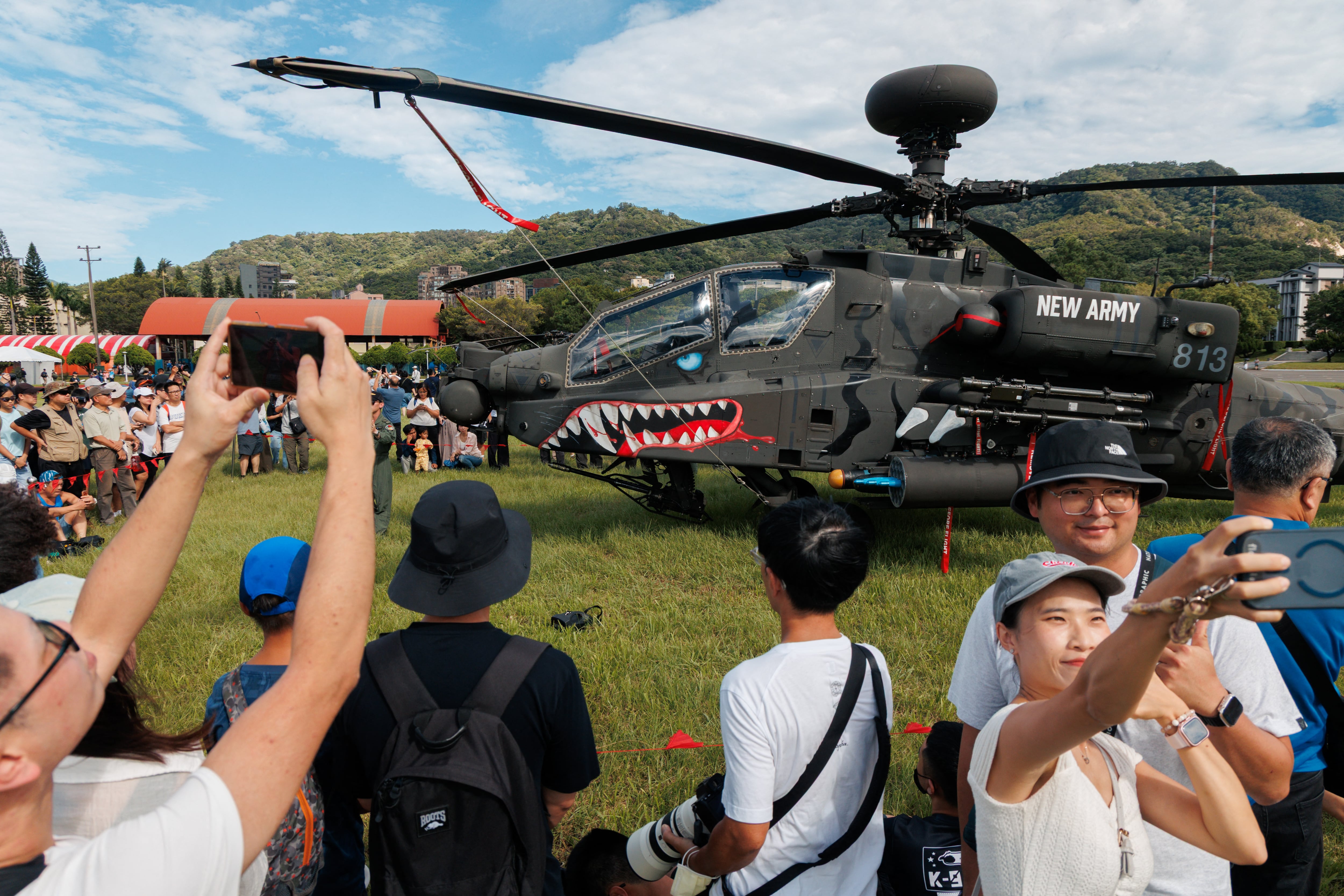
- HIMARS and Mobile Artillery: The inclusion of HIMARS in previous deals allows Taiwan to strike targets across the strait or hit landing craft with high precision from mobile positions that are difficult for the PLA to target with pre-emptive strikes.
- Anti-Tank and Anti-Ship Missiles: Javelin anti-tank missiles and Harpoon coastal defense systems are designed to repel amphibious assaults at the shoreline.
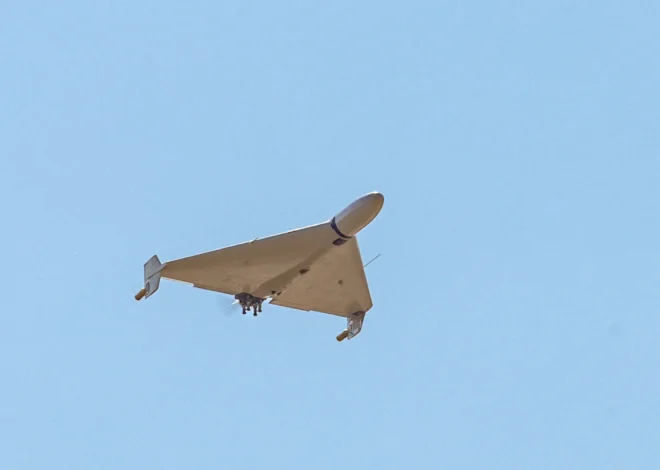
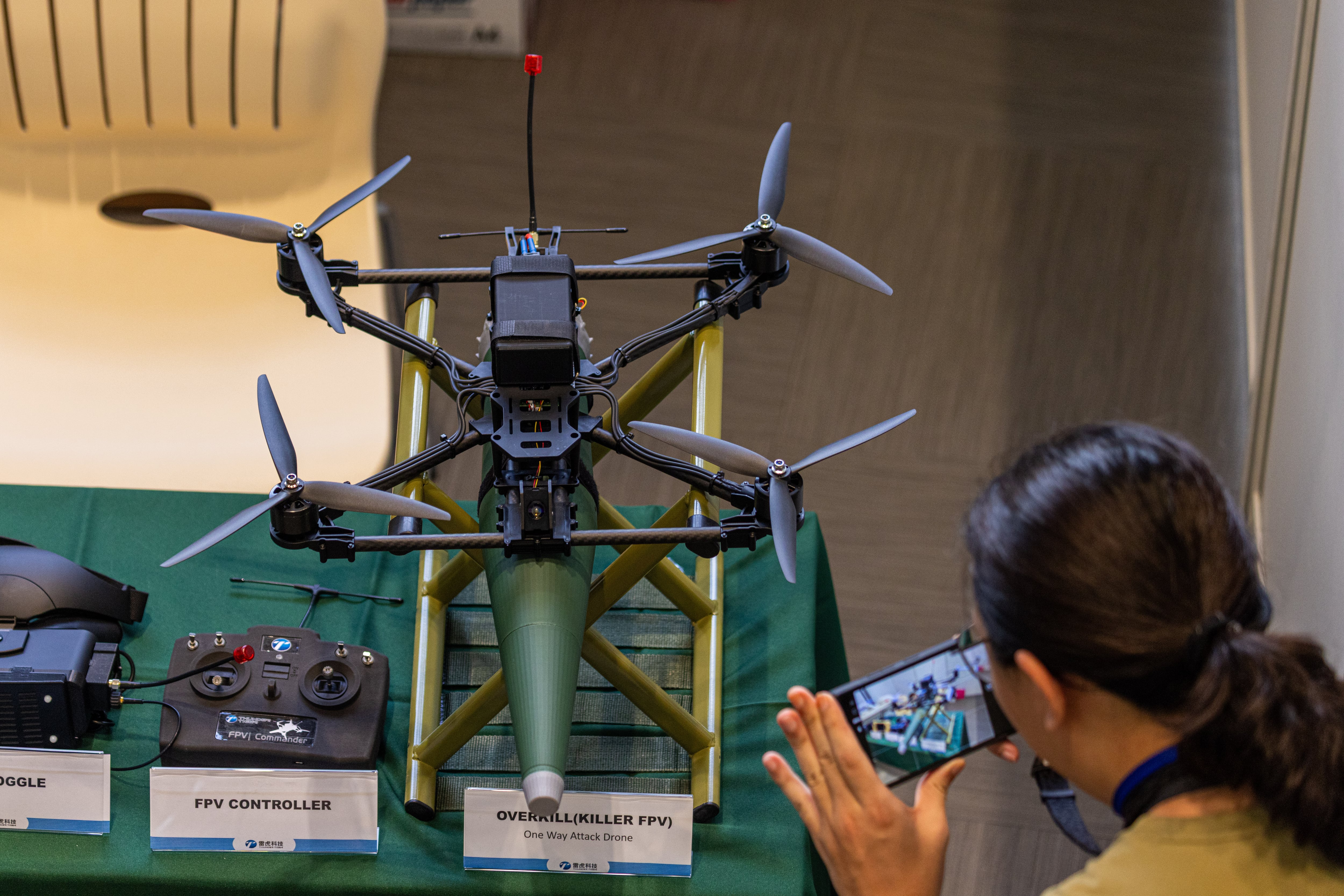
- Unmanned Systems: Following lessons learned from conflicts in Eastern Europe, Taiwan is prioritizing "loitering munitions" and surveillance drones to maintain situational awareness in the 160-kilometer-wide strait.
The $500 million in FMF could potentially be used to accelerate the training of Taiwanese personnel on these specific systems. As modern warfare becomes more software-dependent, the "service and training" aspect of FMF becomes just as critical as the hardware itself.
Regional Implications and Chinese Response
Beijing’s stance remains one of "resolute opposition." The Chinese Ministry of Foreign Affairs and the Ministry of National Defense have repeatedly warned that U.S. arms sales to Taiwan violate the "One China" principle and the three U.S.-China joint communiqués. In the past four years, the PLA has significantly increased its "gray zone" activities—military maneuvers that stop short of open conflict but serve to exhaust Taiwan’s defense forces and normalize the presence of Chinese ships and planes near the island.
The frequency of PLA aircraft entering Taiwan’s Air Defense Identification Zone (ADIZ) has reached record highs, and naval exercises often simulate blockades of the island’s primary ports. From Beijing’s perspective, any increase in U.S. military funding for Taiwan is a provocation that encourages "pro-independence forces." Conversely, U.S. officials argue that providing Taiwan with the means to defend itself is the best way to maintain the status quo and deter a hot war that would devastate the global economy.
Expert Perspectives on the Impasse
The delay in the $14 billion package is viewed by some as a calculated move to avoid "spoiling the atmosphere" before the September summit. Doug Barry, a professor at The George Washington University, noted that it is common for administrations to manage the timing of sensitive announcements around major diplomatic visits. However, he also pointed out that the lack of a public announcement on the package’s status creates an information vacuum that can lead to uncertainty in international markets and regional security circles.
For Taiwan, the challenge is maintaining a consistent defense posture despite the shifting winds of American domestic politics. The Cabinet’s decision to approve a special budget in May shows a desire to prove that Taiwan is a "responsible partner" willing to pay its own way, countering any narrative that the island is solely dependent on U.S. taxpayers.
Future Outlook: The Senate and the September Summit
The 2027 appropriations bill now moves to the U.S. Senate, where it is expected to face further scrutiny. While there is broad bipartisan support for Taiwan, the specific dollar amounts and the conditions attached to FMF may be subject to debate. If the Senate passes the bill and it reaches the President’s desk, Trump’s signature would effectively codify the $500 million in aid, regardless of his ongoing negotiations with Xi Jinping over the larger $14 billion package.
The upcoming September meeting in the United States will likely be the definitive moment for the future of U.S.-Taiwan defense cooperation in the late 2020s. If a breakthrough occurs, it could lead to a massive influx of hardware that would reshape the balance of power in the Pacific. If the pause continues, it may force Taipei to look inward, further accelerating its domestic submarine and missile programs to fill the gap left by delayed American shipments.
Ultimately, the $500 million FMF allocation represents a middle ground: it provides enough support to keep Taiwan’s defense modernization on track while allowing the executive branch the room it desires for high-level diplomacy. Whether this balance can be maintained in the face of China’s rapid military expansion remains the central question for policymakers in Washington and Taipei.

Related Posts
Pentagon Forges Landmark Seven-Year Agreements with Boeing and RTX to Accelerate Standard Missile-3 Production and Stabilize Defense Supply Chains
Boeing Unveils Ultra Low-Cost Seeker to Enhance Missile Inventory and Combat Cost Challenges in Modern Warfare