California: 19-Year-Old Accused of Fatally Stabbing Elderly Artist Had ‘Homicidal Fantasies’
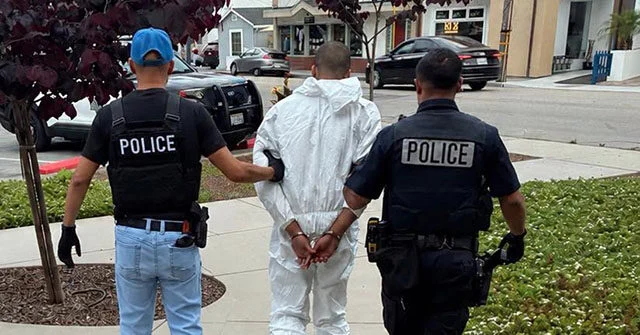
A serene Monday afternoon in Capitola, California, was shattered by an act of brutal and seemingly random violence when Rachell Summers, a cherished 73-year-old artist and art gallery manager, was fatally stabbed outside the Capitola Mall. The incident, which occurred just minutes before 1:00 p.m. in broad daylight, has sent shockwaves through the tight-knit community, prompting widespread grief and raising urgent questions about public safety and mental health interventions. The alleged perpetrator, 19-year-old Tyler Leibelt, a complete stranger to Summers, has been charged with murder, and court documents reveal a disturbing history of "homicidal fantasies" that he reportedly disclosed prior to the attack.
A Beloved Artist’s Tragic End
Rachell Summers was more than just a victim; she was a vibrant member of the Capitola community, known for her passion for art and her warm presence. She managed an art gallery located within the Capitola Mall, a hub for local artists and art enthusiasts. Her daily routine often involved a trip to the bank, which she was reportedly undertaking to make a deposit on that fateful Monday. Summers was a loving grandmother, a devoted mother, and a loyal friend, whose recent joy revolved around her grandchild. Her dream was to see her grandchild pursue education, a future now irrevocably altered by this senseless act. Following her death, the art gallery where she worked remained closed for several days, a somber testament to the profound loss felt by her colleagues and the local art scene. A GoFundMe campaign has been established in her memory, aiming to support her grandson’s future education, reflecting the community’s desire to honor her legacy and provide for those she held dear.
The Anatomy of a Random Attack
The sequence of events leading to Rachell Summers’ death paints a chilling picture of premeditated violence. According to court documents cited by the Los Angeles Times and KSBW, Tyler Leibelt’s actions on Monday, July 22, were not impulsive but rather the culmination of deeply troubling ideations. Leibelt reportedly traveled to the Capitola Mall with the explicit intention of committing murder. Upon arrival, he entered a sporting goods store and purchased two switchblade knives, explicitly stating his desire to wield them simultaneously to kill a person. He then reportedly lingered, considering several other individuals as potential victims before fixating on Summers. Approaching her from behind, Leibelt allegedly launched a sudden and brutal assault. Summers sustained a total of 11 stab wounds to her back and center chest, along with defensive wounds, indicating a desperate struggle for survival. The attack was swift and merciless, leaving the elderly artist mortally wounded in a public space.
Following the horrific incident, Leibelt fled the scene. However, his flight was brief. He reportedly made his way to a gas station, purchased a drink, and then, inexplicably, called police officers himself to report what had transpired. During this call, and subsequently upon his arrest, he reportedly confessed to murdering Rachell Summers. This chilling self-reporting, coupled with the details of his premeditation, forms a critical part of the prosecution’s case.
Tyler Leibelt: A History of Disturbing Disclosures
The most unsettling revelation emerging from the investigation is Tyler Leibelt’s documented history of violent fantasies. Court documents indicate that Leibelt had "homicidal fantasies" for an extended period and had previously disclosed these disturbing thoughts to authorities. He reportedly expressed frustration that despite these disclosures, he "kept getting let out" of custody, suggesting a perceived failure of the system to adequately address his stated intentions. This pattern of disclosure without seemingly effective intervention is a focal point of concern for both law enforcement and mental health advocates.
Crucially, the KSBW report highlighted a significant prior intervention. In November of the preceding year, Judge Nancy De La Peña issued an emergency gun violence restraining order (GVRO) at the request of Santa Cruz County sheriff’s deputies. The basis for this order was Leibelt’s explicit expression of a "desire to cause a mass casualty event." Further, the order stated that Leibelt had "wrote a goodbye letter expressing a desire to kill as many people as possible." A GVRO, often referred to as a "red flag" law, allows temporary removal of firearms from individuals deemed a danger to themselves or others. While effective in preventing gun violence, its scope does not inherently address the underlying mental health crisis or prevent other forms of violence if the individual remains a threat. The fact that Leibelt, despite this documented history and a GVRO, was able to procure knives and carry out a fatal stabbing underscores profound challenges within the existing framework of public safety and mental health support.
Law Enforcement Response and Official Statements
The Capitola Police Department moved swiftly in response to the tragedy. In a social media post following the incident, the department conveyed its profound sorrow: “Our hearts remain with Rachell’s family, friends, and all those affected by this tragic and senseless act of violence.” The department affirmed its belief, based on the ongoing investigation, that the attack was a random act of violence, with no prior connection between the suspect and the victim. This conclusion, while offering some clarity regarding motive, does little to assuage the community’s shock over the sheer randomness and brutality.
The investigation has been a collaborative effort, involving the Santa Cruz County Sheriff’s Office Forensic Services Unit, the Santa Cruz County District Attorney’s Office, and the Santa Cruz Anti-Crime Team. This multi-agency approach ensures a comprehensive processing of the crime scene, collection of evidence, and meticulous review of all available information to build a robust case. Prosecutors have sought a no-bail hold on Leibelt, a measure typically reserved for individuals deemed an extreme flight risk or an ongoing danger to the community, reflecting the severity of the charges and the disturbing nature of the alleged crime.
Broader Implications: Public Safety, Mental Health, and Systemic Challenges
The Capitola stabbing has ignited a fervent discussion about the intersection of public safety, mental health, and the effectiveness of current intervention strategies. Random acts of violence, while statistically rare, have a disproportionately profound impact on community morale and the collective sense of security. The fact that such a brutal crime could occur in broad daylight in a seemingly safe public space like a mall entrance challenges assumptions about safety and vigilance.
The case of Tyler Leibelt brings into sharp focus the critical gaps and complexities within the mental health and justice systems. Leibelt’s repeated disclosures of homicidal fantasies, coupled with his expressed frustration at being "let out" of custody, suggest a cry for help that may not have been adequately addressed. While the issuance of a Gun Violence Restraining Order demonstrates that authorities were aware of his potential for violence, it raises questions about the subsequent level of monitoring, mental health evaluation, and potential compulsory treatment that might have been available or necessary. The existing legal framework often struggles with individuals who express violent intent but have not yet acted, balancing individual liberties with the imperative of public safety. This incident highlights the need for robust mental health services that can provide sustained support, risk assessment, and, where appropriate, involuntary commitment for individuals deemed an imminent danger.
The community of Capitola, known for its picturesque beaches and vibrant local culture, is now grappling with grief and a heightened sense of vulnerability. Local businesses, particularly those within the Capitola Mall, may experience a temporary decline in patronage as residents process the tragedy. The outpouring of support for Rachell Summers’ family, however, underscores the resilience and compassion within the community.
Legal Proceedings and The Path Forward
Tyler Leibelt has been charged with murder, along with several sentencing enhancements. These enhancements include the use of a deadly weapon and killing while lying in wait, which could significantly increase any potential sentence upon conviction. The "lying in wait" charge suggests a calculated, pre-meditated act, elevating the gravity of the crime. The legal proceedings will involve arraignment, preliminary hearings, and potentially a full trial, during which prosecutors will present evidence meticulously gathered by law enforcement. The Santa Cruz County District Attorney’s Office will play a central role in ensuring justice for Rachell Summers and holding the accused accountable.
This tragic event serves as a stark reminder of the ongoing challenges in identifying, assessing, and managing individuals with severe mental health issues who pose a risk to public safety. It prompts a critical examination of how society can better integrate mental health support with law enforcement efforts to prevent such devastating outcomes in the future, ensuring that individuals like Rachell Summers can live and thrive in safety.

Related Posts
Democratic Candidates Must Moderate to Win General Elections, Says Rep. Greg Stanton
Lisa Demuth Secures Republican Gubernatorial Nomination in Minnesota, Defeating Trump-Endorsed Mike Lindell