Los Angeles Grapples with Urban Decay as Infamous "Graffiti Towers" Finally See Cleanup, Sparking Political Scrutiny
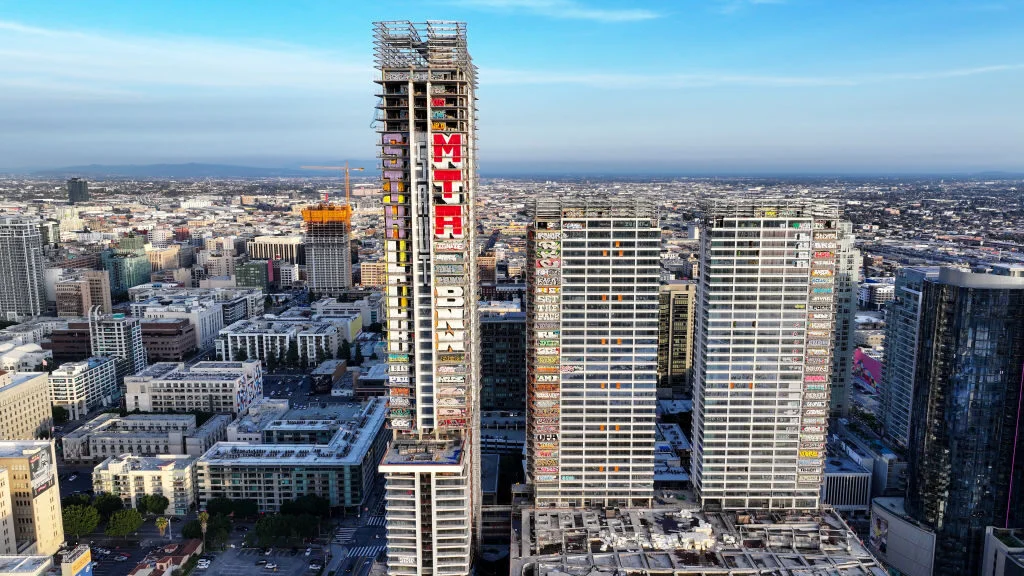
Los Angeles, California – Two long-abandoned downtown Los Angeles skyscrapers, widely known as the "graffiti towers," are finally undergoing a long-awaited cleanup, a development that has simultaneously brought a sigh of relief and intensified political scrutiny on Mayor Karen Bass. For years, these unfinished structures have stood as a stark, towering symbol of urban decay, attracting widespread vandalism, illegal activities, and becoming a focal point for critics decrying the city’s perceived decline. The initiation of remediation efforts marks a significant turning point for a project that has plagued the city’s skyline and reputation for half a decade.
A Monument to Abandoned Ambition: The Genesis of Oceanwide Plaza
The saga of what is officially known as Oceanwide Plaza began over a decade ago with ambitious plans to redefine a crucial section of downtown Los Angeles. In the early 2010s, Chinese real estate giant Oceanwide Holdings acquired a prime lot directly across from the Crypto.com Arena (formerly Staples Center) for a staggering $1.2 billion. The vision was grand: a sprawling mixed-use development comprising luxury condominiums, a high-end hotel, and upscale retail spaces, promising to inject new vitality into the burgeoning South Park district. This acquisition was part of a broader trend of significant Chinese investment in major U.S. real estate markets, driven by a period of economic expansion and a desire for overseas asset diversification.
Construction commenced with considerable fanfare, and for several years, the skeletal frames of the three towers rose progressively, reshaping the downtown skyline. However, by late 2019, the cranes fell silent. Work abruptly ceased, leaving the multi-billion-dollar project in a state of arrested development. The primary catalyst for this halt was a shift in China’s economic policies, which saw the government implement stringent capital controls and curb overseas investments, particularly in speculative real estate ventures. Oceanwide Holdings, facing increasing financial pressures and mounting debt, found itself unable to secure the necessary funding to complete the colossal undertaking. This abrupt cessation of work left the partially completed structures as an eerie testament to unrealized potential, rapidly descending into a state of dereliction.
The Rise of the "Graffiti Towers" as a Symbol of Urban Blight
What followed the construction halt was a slow but inexorable descent into urban decay. The abandoned towers, with their exposed concrete and empty windows, became an irresistible canvas for vandals. Over several years, the structures were systematically covered, floor after floor, with an explosion of graffiti tags, murals, and declarations. The sheer scale of the vandalism was unprecedented, transforming the buildings into a colossal, unsolicited art installation visible from miles away – and earning them the infamous moniker "graffiti towers."
Beyond the aesthetic blight, the site also became a magnet for illicit activities and dangerous stunts. Thrill-seekers, including urban explorers, base jumpers, and tightrope walkers, illegally scaled the towers to film daring acts, often posting their exploits on social media, further amplifying the site’s notoriety. News outlets reported dozens of arrests over the years related to trespassing and vandalism, highlighting the significant public safety concerns and the strain on law enforcement resources. Local businesses and residents in the vicinity expressed growing frustration over the escalating issues, citing increased crime, a diminished sense of security, and the negative impact on the area’s economic vitality and reputation. The visible decay of the Oceanwide Plaza stood in stark contrast to the efforts to revitalize downtown Los Angeles, threatening to undermine years of investment and urban renewal initiatives.
A City Under Scrutiny: Political Fallout and Mayoral Response
The prolonged neglect of the Oceanwide Plaza project and its transformation into a symbol of urban disarray inevitably drew sharp criticism, particularly aimed at Mayor Karen Bass and her administration. Critics, including prominent media outlets and local community leaders, have repeatedly cited the "graffiti towers" as a glaring example of broader issues plagulating Los Angeles: a perceived increase in homeless encampments, widespread littering, visible open illegal drug use, and a general lack of nuisance enforcement. These issues, they argue, contribute to a sense of decline across America’s second-largest city.
One particularly scathing headline from the Daily Mail on Sunday declared, "She let criminals run riot over $1bn skyscraper development for YEARS. Now LA’s mayor has the audacity to hail the clean-up of city’s infamous ‘graffiti towers.’" Such criticism underscores the political pressure on Mayor Bass, especially as she prepares for a potential re-election bid in November against city councilwoman Nithya Raman. The administration’s handling of quality-of-life issues has become a central theme in the political discourse, with the graffiti towers serving as a tangible manifestation of these concerns.
In response to the mounting pressure and the egregious state of the towers, Mayor Bass’s administration enhanced police presence in the area and blocked off access to the structures in early 2024. While these measures aimed to deter further illicit activity, the visual impact of the graffiti-laden towers remained, serving as a constant reminder of Los Angeles’s economic woes and urban challenges.
The Long Road to Resolution: Bankruptcy Court and a New Buyer
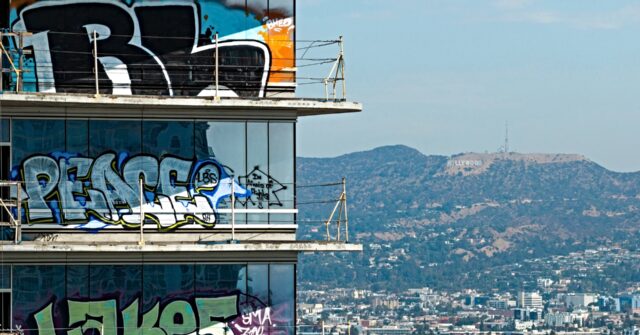
The path to resolving the Oceanwide Plaza conundrum was fraught with legal complexities, primarily unfolding in bankruptcy court. With Oceanwide Holdings in financial distress and unable to offload the property directly, the city of Los Angeles had attempted to intervene and facilitate a solution. For years, the legal battles dragged on, stalling any meaningful progress on the site.
Signs of a breakthrough emerged earlier this month when the city withdrew its objections to a modified bankruptcy plan proposed by a new buyer. This pivotal decision paved the way for the sale of the long-stalled development. The new buyer, KPC Development Co., emerged as a potential rescuer of the project. KPC Development Co., known for its track record in developing commercial properties in California and India, presented a plan to finally complete the structures, envisioning a combination of hotel and residential units, similar to the original concept but adapted to current market conditions.
The sale, however, was not without its concessions. While Oceanwide Holdings initially purchased the lot for $1.2 billion, KPC Development Co. acquired the towers for a significantly reduced price of $470 million, reflecting the distressed nature of the asset, the cost of remediation, and the inherent risks associated with restarting such a massive, stalled project. This significant reduction underscores the financial complexities and the "fixer-upper" nature of the deal.
The Agreement and the Immediate Cleanup Mandate
According to reports, city attorneys formally withdrew their objections on a Monday, signaling that KPC Development had agreed to "meaningful improvements" that directly address the concerns of downtown residents and the city. Key among these terms was an immediate mandate for the removal of all graffiti within 30 days of the agreement’s finalization. This swift action reflects the urgency with which the city and the new developers aim to address the visual blight and restore public confidence.
The cleanup operation, a massive undertaking involving specialized crews and equipment, commenced shortly after the agreement. Removing years of extensive graffiti from the towering facades requires significant resources, including high-pressure washing, paint removal solvents, and the use of aerial work platforms. The visual transformation, though gradual, is expected to be profound, symbolizing a new chapter for the troubled site.
Broader Implications: Restoring Confidence Ahead of a "Transformative Decade"
The resolution of the Oceanwide Plaza saga carries significant implications for Los Angeles, both economically and symbolically. Mayor Bass articulated this broader vision in a recent statement: "Oceanwide Plaza sits at the center of one of Downtown Los Angeles’ most important economic corridors, linking the Convention Center, Crypto.com Arena, LA LIVE, and the broader South Park district." She emphasized that "Completing this project is about far more than finishing a building. It’s about restoring confidence, reconnecting a vital commercial corridor, and unlocking the economic potential of one of the city’s most strategic destinations ahead of a transformative decade for Los Angeles."
This "transformative decade" largely refers to the impending 2028 Olympic and Paralympic Games, which Los Angeles is set to host. The city’s widespread street blight, epitomized by the graffiti towers, has been a major concern for officials under pressure to present a pristine image to the world. The cleanup and eventual completion of Oceanwide Plaza are seen as crucial steps in demonstrating the city’s capacity for renewal and its commitment to addressing urban challenges. The project’s turnaround sends a powerful message to international investors and visitors that Los Angeles is capable of overcoming obstacles and delivering on its promises.
Beyond the Olympics, the successful revitalization of Oceanwide Plaza could serve as a catalyst for further investment and development in downtown LA. The area, already a hub for entertainment, sports, and conventions, stands to benefit immensely from the addition of new luxury residences, a hotel, and retail spaces, which will bring jobs, tax revenue, and increased foot traffic. The project’s completion could signal a renewed era of confidence in Los Angeles’s real estate market, particularly for large-scale urban developments.
The Road Ahead: Challenges and Optimism
While the graffiti cleanup represents a significant victory, the journey to full completion of the Oceanwide Plaza is still long. KPC Development faces the complex task of assessing the existing structures, updating designs, securing new permits, and restarting construction in a significantly altered economic landscape. Supply chain issues, labor costs, and market demand for luxury properties will all play a role in the project’s ultimate success.
However, there is a palpable sense of optimism. The agreement with KPC Development and the immediate action on graffiti removal signal a strong commitment from all parties to turn this symbol of urban decay into a beacon of progress. For a city often grappling with the challenges of rapid urbanization, homelessness, and quality-of-life concerns, the transformation of the "graffiti towers" offers a tangible example of what can be achieved through concerted effort and strategic partnerships. As the scaffolding goes up and the colors of neglect begin to fade, Los Angeles looks forward to reclaiming a vital piece of its skyline and ushering in a new chapter for one of its most prominent urban landmarks.

Related Posts

Democratic Candidates Must Moderate to Win General Elections, Says Rep. Greg Stanton
Lisa Demuth Secures Republican Gubernatorial Nomination in Minnesota, Defeating Trump-Endorsed Mike Lindell