Iran says Ukrainian attack on vessel in Caspian Sea killed sailor
The Iranian Ministry of Foreign Affairs issued a formal condemnation on Saturday following a Ukrainian military strike on an Iranian commercial vessel navigating the Caspian Sea, an incident that Tehran claims resulted in a fatal explosion. According to official Iranian statements, the attack claimed the life of one sailor and left another seriously injured, marking a significant escalation in the geographical reach of the conflict between Ukraine and the Russian Federation, and highlighting the increasingly intertwined security interests of Moscow and Tehran. The incident represents a rare instance of kinetic maritime conflict in the Caspian Sea, a body of water traditionally insulated from the direct hostilities of the war in Eastern Europe, and underscores the vulnerability of the strategic logistics corridor connecting Russia and Iran.
Tehran has characterized the strike as an unprovoked act of aggression against civilian maritime infrastructure. In an official communique, the Iranian Foreign Ministry asserted its right to defend its national security and maritime interests, while simultaneously accusing the government in Kyiv of attempting to broaden the scope of the war beyond its borders. The diplomatic fallout was immediate, as the Iranian government summoned Ukraine’s chargé d’affaires in Tehran to lodge a formal protest. According to the state-run Islamic Republic News Agency (IRNA), the Iranian representative conveyed a message describing the attack as "hostile and criminal," demanding accountability for the loss of life and the damage to commercial property.
The Caspian Sea as a New Theater of Confrontation
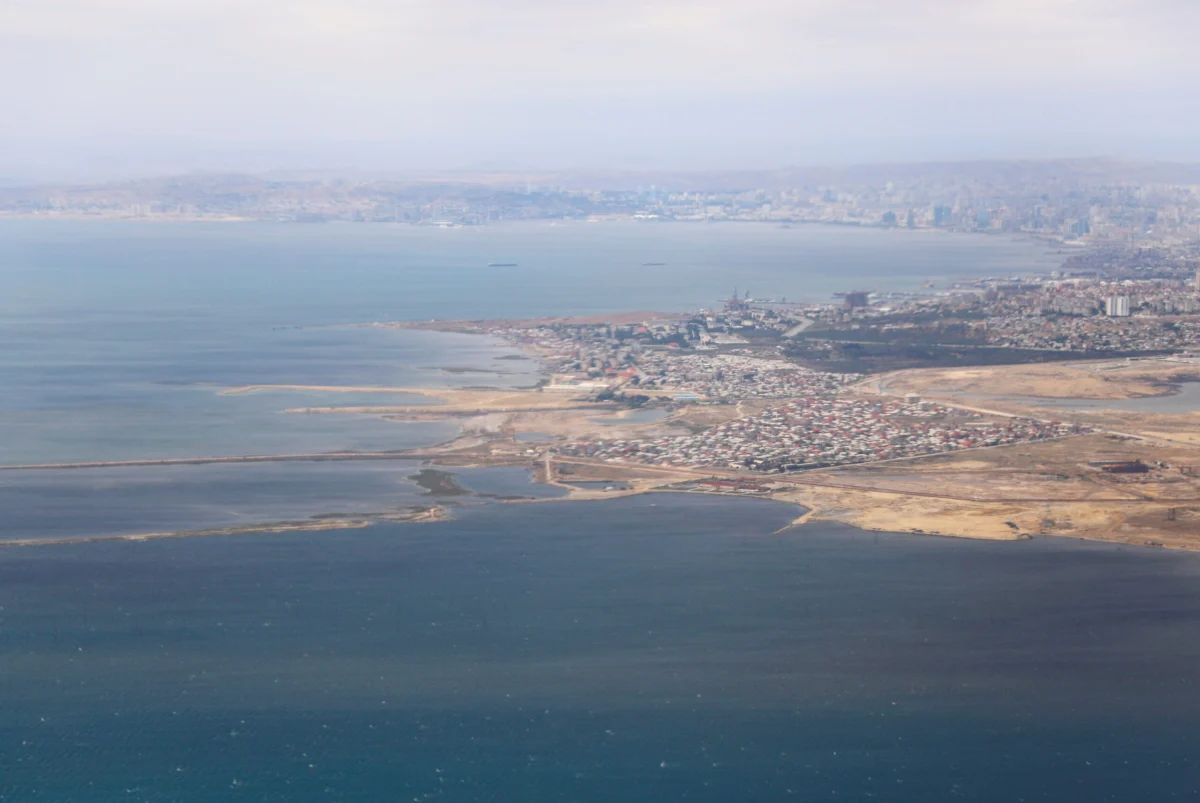
The Caspian Sea has emerged as a vital logistical artery for the Russian military since the onset of the full-scale invasion of Ukraine in February 2022. As international sanctions and the closure of the Bosporus Strait to military vessels have restricted Russia’s traditional maritime routes, the "International North-South Transport Corridor" (INSTC) has gained unprecedented importance. This route, which links Russian ports like Astrakhan and Makhachkala to Iranian ports such as Anzali and Amirabad, allows for the transfer of goods and military hardware away from the prying eyes of Western naval monitors.
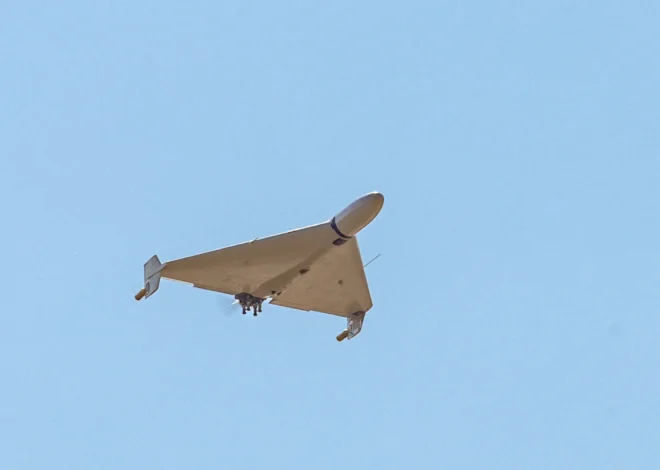
Ukraine has long alleged that this maritime route is being utilized to transport Iranian-designed loitering munitions, specifically the Shahed-131 and Shahed-136 drones, which have been used extensively by Russian forces to target Ukrainian energy infrastructure and urban centers. By striking vessels in the Caspian, Kyiv appears to be signaling that no point in the Russian-Iranian supply chain is beyond its reach. President Volodymyr Zelenskyy had previously indicated that Ukrainian forces successfully targeted a Russian warship and other vessels suspected of carrying Iranian-linked military cargo in the region, suggesting a coordinated effort to disrupt the flow of munitions.
Allegations of Russian-Iranian Intelligence Cooperation
The Iranian denunciation of the vessel strike coincided with a series of high-level disclosures from the Ukrainian presidency regarding the nature of military cooperation between Moscow and Tehran. President Zelenskyy stated that Kyiv has gathered intelligence indicating that Russia is actively sharing its satellite surveillance data with Iran. This data is reportedly being used by Tehran to enhance the precision of its military operations and to monitor Western military movements in the Middle East.
In a detailed statement shared via official social media channels, Zelenskyy claimed that since early July, Ukrainian intelligence has recorded "active Russian satellite surveillance" of Gulf states and United States military installations in the region. According to the Ukrainian leader, these high-resolution images are subsequently transferred to Iranian military authorities. Zelenskyy highlighted a "clear correlation" between the timing of Russian satellite passes over specific sites and subsequent Iranian military posturing or kinetic strikes. He noted that this intelligence sharing occurs in three distinct phases: preparation for attacks, real-time direction during operations, and post-strike battle damage assessment.
Specific Targets and Regional Surveillance
The Ukrainian intelligence report identified specific dates and locations subject to this alleged surveillance. On July 19 and 20, Russian satellites reportedly focused their optics on four key airbases in the Middle East:
- Bahrain: Two facilities, including those used by the U.S. Navy’s 5th Fleet.
- Jordan: Muwaffaq Salti Air Base, a critical hub for regional coalition operations.
- Kuwait: Ali Al Salem Air Base, which hosts significant U.S. and coalition air assets.
The disclosure of these specific targets suggests a sophisticated level of data exchange intended to provide Iran with a tactical advantage against U.S. and allied forces in the Persian Gulf and Levant. For Ukraine, making this information public serves a dual purpose: it warns Middle Eastern partners of the risks posed by the Russia-Iran axis and reinforces the argument that the war in Ukraine is fundamentally linked to global security stability.
Chronology of the Iran-Ukraine Security Rift
The relationship between Kyiv and Tehran has deteriorated sharply over the past two years, evolving from a strained diplomatic engagement into a state of open hostility.
- February 2022: At the start of the invasion, Iran officially maintained a stance of neutrality, though it faced criticism for its close ties to the Kremlin.
- Late 2022: Evidence emerged on the battlefield of Iranian "suicide drones" being used against Ukrainian cities. Ukraine subsequently downgraded diplomatic ties with Iran and stripped the Iranian ambassador of his accreditation.
- 2023: Ukraine began a campaign of international lobbying to increase sanctions on Iran’s aviation and defense industries. Simultaneously, Kyiv started developing long-range drone capabilities capable of striking deep into Russian territory and maritime zones.
- Early 2024: Reports surfaced of Iran potentially transferring ballistic missiles to Russia, a move that Western intelligence agencies warned would result in "severe consequences."
- July 2024: The current escalation involving maritime strikes in the Caspian Sea and the public disclosure of satellite intelligence sharing marks the latest nadir in bilateral relations.
Technical and Strategic Implications of the Strike
The strike on the Iranian vessel in the Caspian Sea demonstrates the increasing sophistication of Ukrainian long-range strike capabilities. While the specific weapon system used in the attack has not been officially confirmed, analysts suggest the use of long-range maritime drones or modified aerial unmanned systems. The ability to strike a target in the Caspian requires traversing hundreds of miles of Russian-controlled airspace or territory, suggesting gaps in Russian air defense or the high efficacy of Ukrainian stealth technology.
From a strategic perspective, the Caspian Sea was once considered a "sanctuary" for Russian and Iranian shipping. The legal status of the Caspian, governed by a 2018 convention between the five littoral states (Russia, Iran, Azerbaijan, Kazakhstan, and Turkmenistan), explicitly prohibits the presence of armed forces from non-littoral nations. By conducting a strike in this zone, Ukraine—while not a littoral state—is effectively challenging the security architecture of the region and proving that the "back door" to Russia is no longer secure.
Official Responses and International Context
The international community has viewed the escalating rhetoric with concern. The United States and the European Union have consistently condemned Iran’s military support for Russia’s war efforts. In response to the alleged satellite data sharing, U.S. State Department officials have reiterated that the "deepening partnership between Russia and Iran is a threat not only to Ukraine but to Iran’s neighbors in the Middle East."
For its part, Moscow has denied that its cooperation with Iran violates any international laws, framing its military and intelligence exchanges as a legitimate sovereign partnership. However, the revelation of Russian satellite data being used to target U.S. bases in the Gulf adds a layer of complexity to the already fragile security situation in the Middle East, particularly amid ongoing tensions involving Israel, Hezbollah, and the Houthi movement in Yemen.
Analysis of Broader Geopolitical Impacts
The transition of the Caspian Sea into a conflict-affected zone has several long-term implications:
- Insurance and Trade Risks: The Caspian Sea has historically been a low-risk environment for commercial shipping. Attacks on vessels will likely lead to a surge in maritime insurance premiums, potentially disrupting the INSTC and affecting the economies of all littoral states, including those not involved in the conflict, such as Kazakhstan and Azerbaijan.
- Military Realignment: Russia may be forced to divert air defense assets from the Ukrainian front to protect its Caspian ports and shipping lanes. This dilution of resources could provide Ukraine with tactical openings in other theaters.
- Strengthening of the Ukraine-Middle East Dialogue: By providing actionable intelligence to Gulf states regarding Russian-Iranian surveillance, Ukraine is positioning itself as a vital security partner for the Arab world. This could lead to increased diplomatic support for Kyiv from regions that have previously remained neutral or cautious.
- The Evolution of Hybrid Warfare: The exchange of satellite data for drones and potentially missiles represents a high-tech barter system that bypasses traditional financial sanctions. This "axis of evasion" presents a significant challenge to the Western-led international order.
As the conflict continues, the boundaries between the war in Eastern Europe and regional instabilities in the Middle East are increasingly blurred. The strike in the Caspian Sea is a potent reminder that in a globalized security environment, the "theater of war" is no longer defined by geography, but by the interconnected networks of intelligence, logistics, and political alliances that span continents. Tehran’s vow to "defend its interests" suggests that the cycle of retaliation is likely to continue, potentially drawing more actors into a complex and dangerous maritime confrontation.

Related Posts
Pentagon Forges Landmark Seven-Year Agreements with Boeing and RTX to Accelerate Standard Missile-3 Production and Stabilize Defense Supply Chains
Boeing Unveils Ultra Low-Cost Seeker to Enhance Missile Inventory and Combat Cost Challenges in Modern Warfare