Record-breaking wildfires burned nearly 100,000 hectares in France
The landscape of Southern Europe is currently undergoing a harrowing transformation as an unprecedented series of wildfires ravages vast swathes of French and Spanish territory. According to the French Interior Ministry, the cumulative damage has reached a staggering 100,000 hectares, a figure that marks a grim milestone in the nation’s environmental history. As temperatures continue to hover at record-breaking levels and prolonged droughts dry out the vegetation, emergency services are struggling to contain infernos that defy conventional firefighting tactics.
The Scale of the Crisis
The current wildfire season has transcended traditional seasonal patterns. What began as localized brush fires in the early summer has rapidly escalated into a systemic crisis. The 100,000-hectare threshold—equivalent to the size of a small nation—highlights a dangerous intersection of climate-induced heatwaves and land management challenges.
In France, the Gironde and Occitanie regions have become the epicenter of the destruction. Firefighters, supported by air support from the Sécurité Civile, are operating under conditions described as "apocalyptic." The sheer intensity of the heat allows the fires to "jump" firebreaks, creating a dynamic front that requires constant recalibration of containment strategies. Meanwhile, across the border, Spain is battling equally ferocious blazes in its northern and central provinces, straining the resources of the European Union’s civil protection mechanism, which has seen an uptick in requests for cross-border water-bombing aircraft.

A Chronology of Escalation
The trajectory of this year’s fire season can be traced back to the early spring of 2026. A winter characterized by unseasonably low rainfall left the soil moisture levels at historic lows.
- May 2026: Initial reports of brush fires emerged in rural Spain, which were dismissed as routine seasonal occurrences.
- June 2026: A sustained heat dome settled over the Iberian Peninsula and Southern France, pushing mercury levels past 40 degrees Celsius for consecutive weeks.
- Early July 2026: The frequency of ignition events increased exponentially. The French Interior Ministry reported a 40% increase in active fire zones compared to the same period in 2025.
- Late July 2026: The total scorched area in France officially surpassed the 100,000-hectare mark, prompting the government to declare a state of environmental emergency in the most affected departments.
Supporting Data and Environmental Context
The data underpinning these events suggests a permanent shift in European fire dynamics. Historically, wildfires in this region were characterized by slower movement and predictable containment windows. Current conditions, however, feature "mega-fires"—large-scale blazes that generate their own weather patterns, including fire-induced thunderstorms that can trigger lightning strikes and spark new, distant fires.
Meteorologists point to the "Vapor Pressure Deficit," a measure of how dry the air is, which has remained at record highs throughout the summer. This phenomenon essentially acts as a vacuum, pulling moisture out of the forests and shrubs, turning lush Mediterranean landscapes into tinderboxes. The lack of nightly cooling—where temperatures stay above 25 degrees Celsius even after sunset—prevents the natural "dampening" that usually allows ground crews to gain ground during the night.
Official Responses and Governance Challenges
The French government, under pressure to provide both immediate relief and a long-term strategy, has faced intense scrutiny. Interior Ministry spokespersons have emphasized that the current budget for aerial firefighting equipment is being pushed to its absolute limit. "We are fighting a battle against physics," a ministry official stated during a press briefing. "Our priority remains the protection of human life and critical infrastructure, but the scale of the forest loss is a tragedy for our biodiversity and our economy."

Conversely, the European Commission has been forced to navigate the geopolitical implications of the crisis. With the EU’s shared fleet of firefighting planes currently deployed across several fronts, the ability to rapidly rotate assets is being tested. The Commission is now drafting an emergency proposal to increase the "RescEU" funding mechanism, aiming to double the number of dedicated firefighting aircraft available for deployment across member states by the 2027 season.
The Geopolitical and Economic Impact
Beyond the immediate loss of life and property, the fires are creating a ripple effect across European policy, touching on everything from security to financial stability.
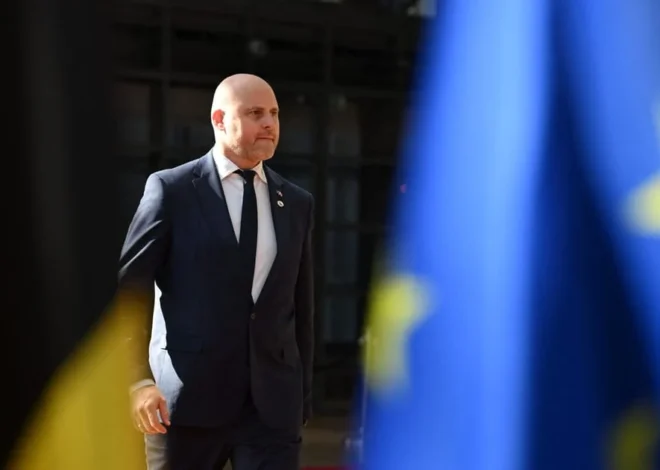
In a related development, Italy’s defense sector has found itself in the spotlight regarding its internal leadership and external advisory roles. Defense Minister Guido Crosetto recently made headlines by offering a high-level advisory position to the ousted Ukrainian defense official Mykhailo Fedorov. Fedorov, widely credited with the technological modernization of the Ukrainian military, faced internal friction with top generals, leading to his departure. Crosetto’s move is viewed by analysts as a strategic attempt to integrate Fedorov’s expertise in drone technology and battlefield digitization into the Italian defense framework, signaling a shift toward a more technologically agile European defense posture.
Simultaneously, security concerns at the highest levels of the continent have been heightened by the arrest of a NATO intern. The individual, a Canadian national of Chinese origin, is currently being held on suspicion of espionage and involvement with a transnational criminal organization. The breach has triggered a wide-ranging internal audit at NATO headquarters, raising questions about the organization’s vetting processes for junior staff and interns.

Economic Stability and Leadership Longevity
Amidst these turbulent conditions, the European Central Bank (ECB) has also faced questions regarding its own internal stability. President Christine Lagarde, addressing concerns about the leadership of the bank, recently issued a firm message to the financial markets: "You won’t see the back of me before year-end." While this statement was intended to project stability, market analysts have noted that Lagarde conspicuously avoided ruling out an early departure prior to the conclusion of her official term in 2027. This ambiguity has fueled speculation regarding the future of European monetary policy, particularly as the continent grapples with the economic costs of climate-related disasters like the current wildfire surge.
Implications for the Future
The convergence of these events—environmental catastrophe, defense realignment, security breaches, and central bank uncertainty—paints a picture of a Europe in a state of flux.
The wildfires, in particular, serve as a stark reminder of the limitations of reactive governance. Experts argue that the 100,000-hectare milestone must serve as a catalyst for a fundamental rethink of European land-use policies. "We can no longer afford to treat these events as ‘acts of God’ that occur in isolation," says Dr. Elena Rossi, a climate risk analyst. "We are seeing a systemic failure of land management that has been neglected for decades. Unless there is a massive investment in landscape restoration, fire-resistant agriculture, and modernized early-warning systems, we are only looking at the tip of the iceberg."
As the summer progresses, the focus remains on containment. However, the political reality is that the fires are consuming more than just forests; they are consuming the political capital of those in power. Whether through the management of the wildfire crisis or the handling of security and economic portfolios, European leadership is facing a test of endurance that will likely define the remainder of the 2026 calendar year and beyond. The combination of ecological strain and the need for structural reform in security and monetary sectors ensures that the coming months will be a period of significant volatility for the continent.