
India’s Education Minister Resigns Amidst Youth-Led "Cockroach Janta Party" Protests, Heralding a Victory for Digital Activism
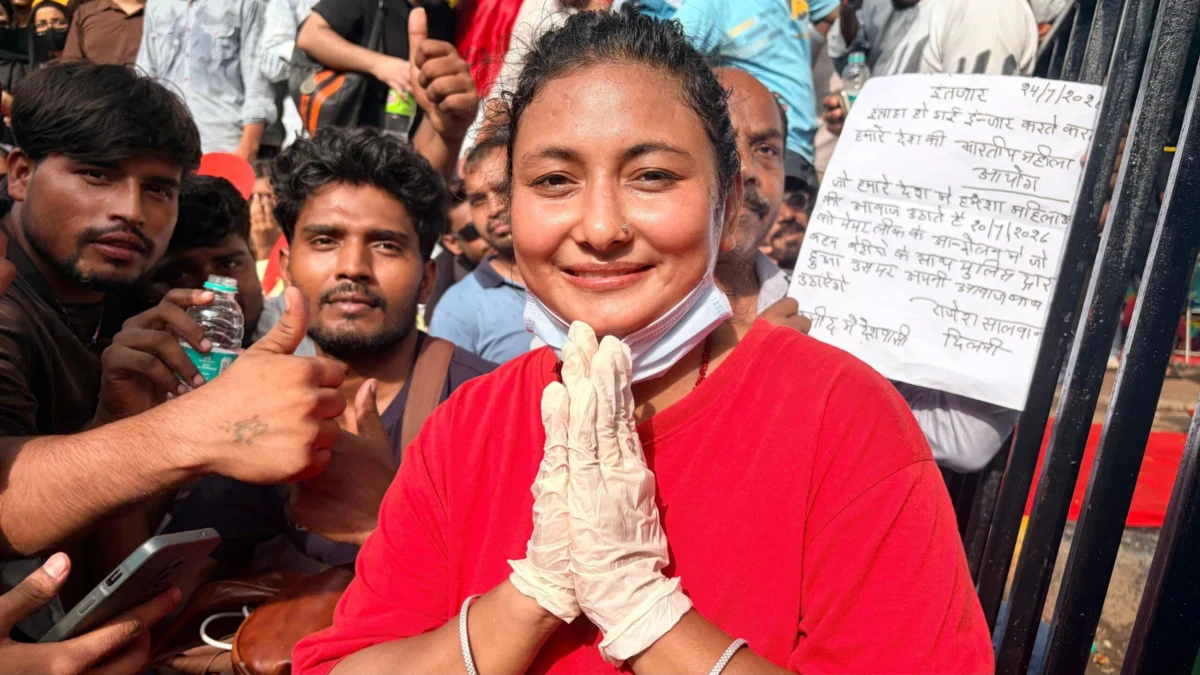
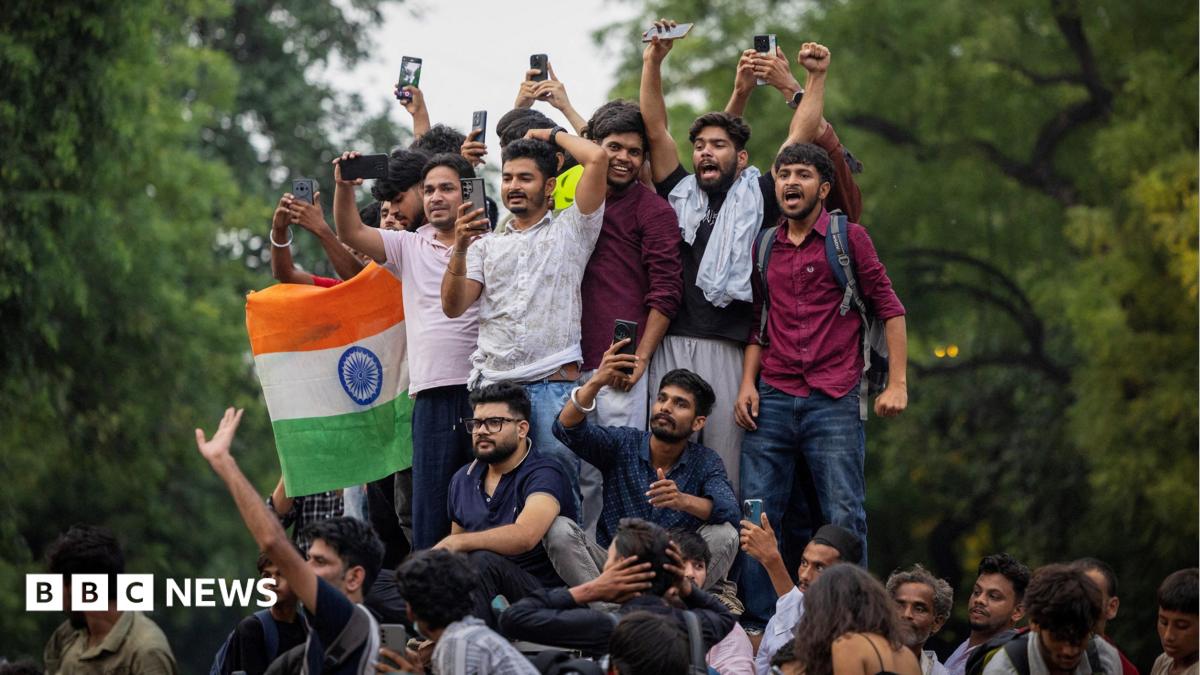
Delhi witnessed a significant political development as India’s Education Minister, Dharmendra Pradhan, tendered his resignation, bringing an immediate halt to the five-week-long, youth-led agitation spearheaded by the unique online satirical movement, the "Cockroach Janta Party" (CJP). Hours after the minister’s announcement, the CJP declared its protest officially concluded, hailing it as a monumental win for democracy and a testament to the power of organized youth dissent in the world’s largest democracy. Thousands of jubilant supporters continued their celebrations late into the night at Jantar Mantar, Delhi’s traditional hub for protests, reveling in a hard-won victory that many had waited weeks to see materialize.
The Genesis of the "Cockroach Janta Party"
The CJP, an unconventional yet highly effective platform, emerged from an unlikely and initially disparaging source. Its origins trace back to a controversial remark made by India’s Chief Justice, who, in a moment of frustration, reportedly described some unemployed young people turning to journalism and activism as "cockroaches." While the Chief Justice later clarified his statement, claiming he was referring specifically to individuals with "fake and bogus degrees," the term had already been seized upon by the very demographic it sought to diminish. Rather than shrinking from the insult, the youth embraced it, transforming one of the most reviled insects into a potent symbol of resilience, defiance, and a collective voice against perceived systemic failures.
Led by Abhijeet Dipke, a 30-year-old political communications strategist and a former student of Boston University, the CJP rapidly transcended its satirical roots to become a formidable force. Operating primarily as an online campaign with an AI-generated cockroach as its mascot, it quickly amassed a colossal following, boasting an impressive 26 million followers on Instagram. This digital prowess allowed the CJP to bypass traditional media gatekeepers and directly tap into the anxieties and frustrations of millions of young Indians grappling with an increasingly competitive and often opaque education and employment landscape. Their core demands were clear and resonant: comprehensive reforms to India’s beleaguered education system, greater accountability for the recurrent and widespread exam paper leaks that have shattered countless student aspirations, and, crucially, the resignation of Education Minister Dharmendra Pradhan, who they held responsible for the prevailing crisis.
A Five-Week Battle: A Chronology of Escalation
The CJP’s protest commenced quietly but steadily gained traction as it highlighted issues that touched the lives of millions. The backdrop to the agitation was a series of high-profile controversies surrounding national competitive examinations, including alleged paper leaks in the NEET-UG (National Eligibility cum Entrance Test-Undergraduate) for medical admissions and the abrupt cancellation of the UGC-NET (University Grants Commission-National Eligibility Test), which determines eligibility for junior research fellowships and assistant professorships. These incidents fueled widespread anger, revealing deep-seated flaws in the examination administration system and exacerbating youth concerns about fairness and opportunity.
The movement received a significant boost and global attention when acclaimed activist and educationist Sonam Wangchuk joined the protest on June 28, embarking on an indefinite hunger strike in solidarity with the students’ demands. Wangchuk, known for his innovative educational initiatives and previous activism, lent considerable moral weight and visibility to the burgeoning movement. His deteriorating health became a focal point, drawing larger crowds and intensifying public pressure on the government.
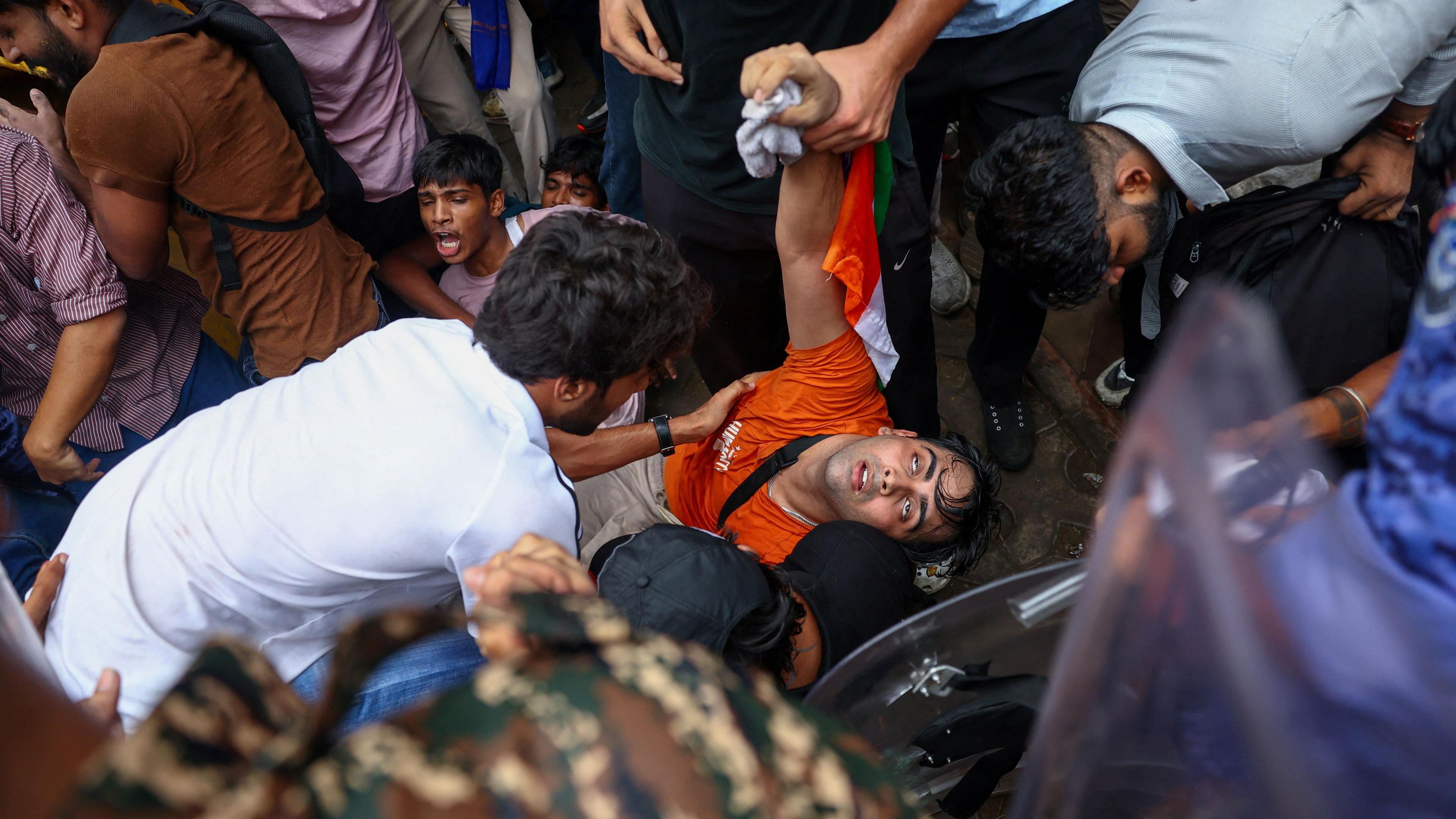
The protest reached a critical inflection point on Monday, July 20th, when a planned march to the Parliament was met with a severe police crackdown. Police and paramilitary forces employed batons, wooden sticks, and tear gas, leaving dozens injured. Reports indicated that approximately 300 individuals, including both protesters and security personnel, required hospitalization. Around 70 protesters were arrested, though most have since been released on bail. The images of injured students and the use of force against peaceful demonstrators further galvanized public opinion, transforming the protest into a major national discourse and turning many previously indifferent citizens against the government’s handling of the situation.
In the wake of the crackdown, Sonam Wangchuk, whose health had become critical, was forcibly removed from the protest site on Saturday and admitted to a hospital. Despite his hospitalization, he continued his hunger strike, underscoring the unwavering commitment of the activists. He finally called off his fast early Friday morning, following assurances from the government that their demands would be seriously considered. Over the course of the five weeks, the protest evolved into a broad-based movement, drawing solidarity from most of India’s major opposition political parties, prominent activists, and several celebrities, all converging at Jantar Mantar to amplify the youth’s voice.
Dharmendra Pradhan’s Resignation: A Concession Under Pressure
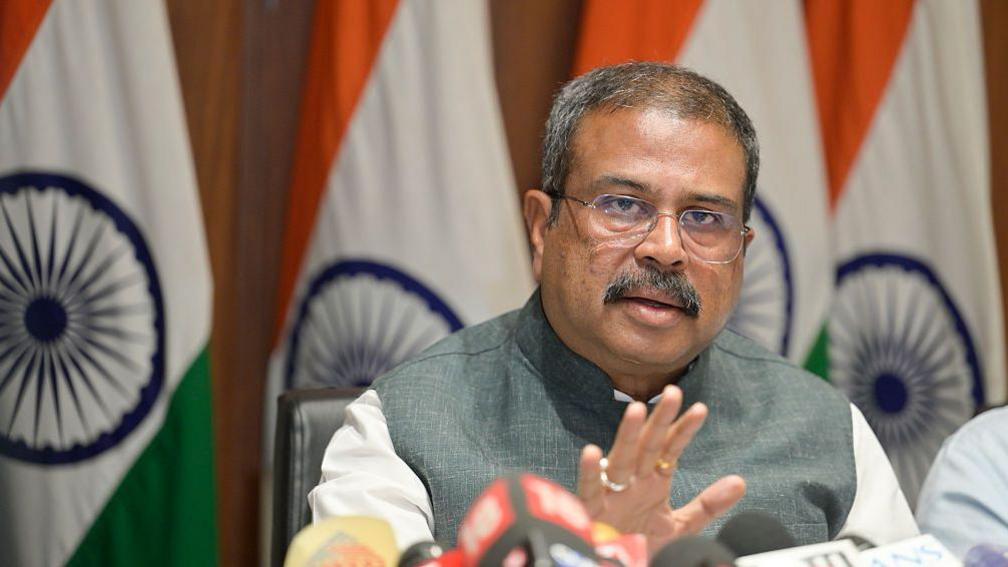
The news of Education Minister Dharmendra Pradhan’s resignation broke on Saturday, sending waves of euphoria through the protest site. Pradhan announced his decision on X (formerly Twitter) in a post written in Hindi, stating that he "respected the aspirations, dreams, and expectations of the youth" and was "pained by the events" of the past few days. His statement further elaborated, "Considering the situation at Jantar Mantar and across the country – with the aim of preventing anti-national forces from exploiting it, preserving national unity, ensuring that not a single Indian student’s future gets entangled in legal complexities, and allowing our children to devote their time to studies and focus on building their careers – I have submitted my resignation to the prime minister." The wording, particularly the reference to "anti-national forces," suggested an attempt to frame the resignation as a proactive measure to maintain stability rather than a direct capitulation to protest demands.
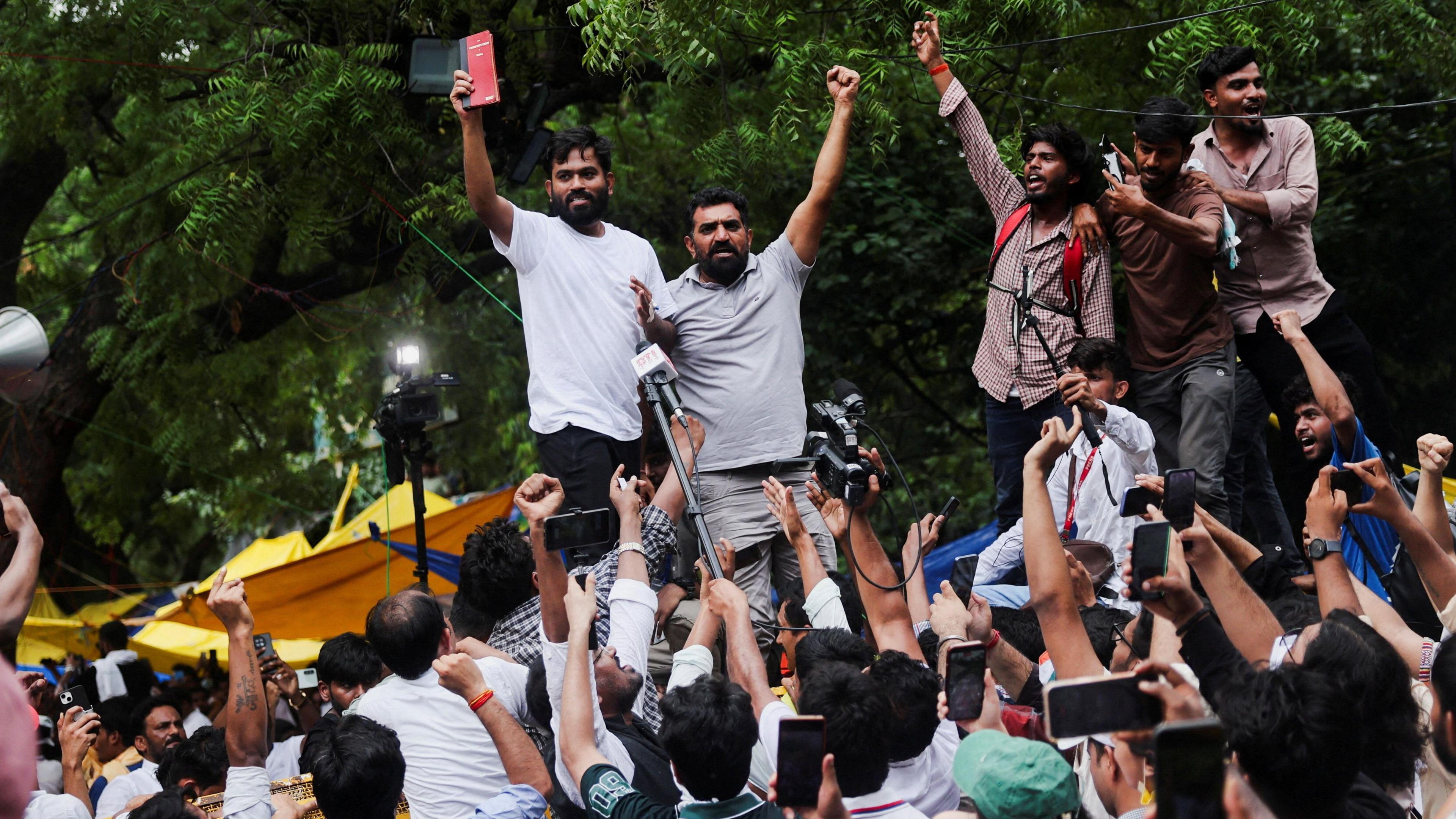
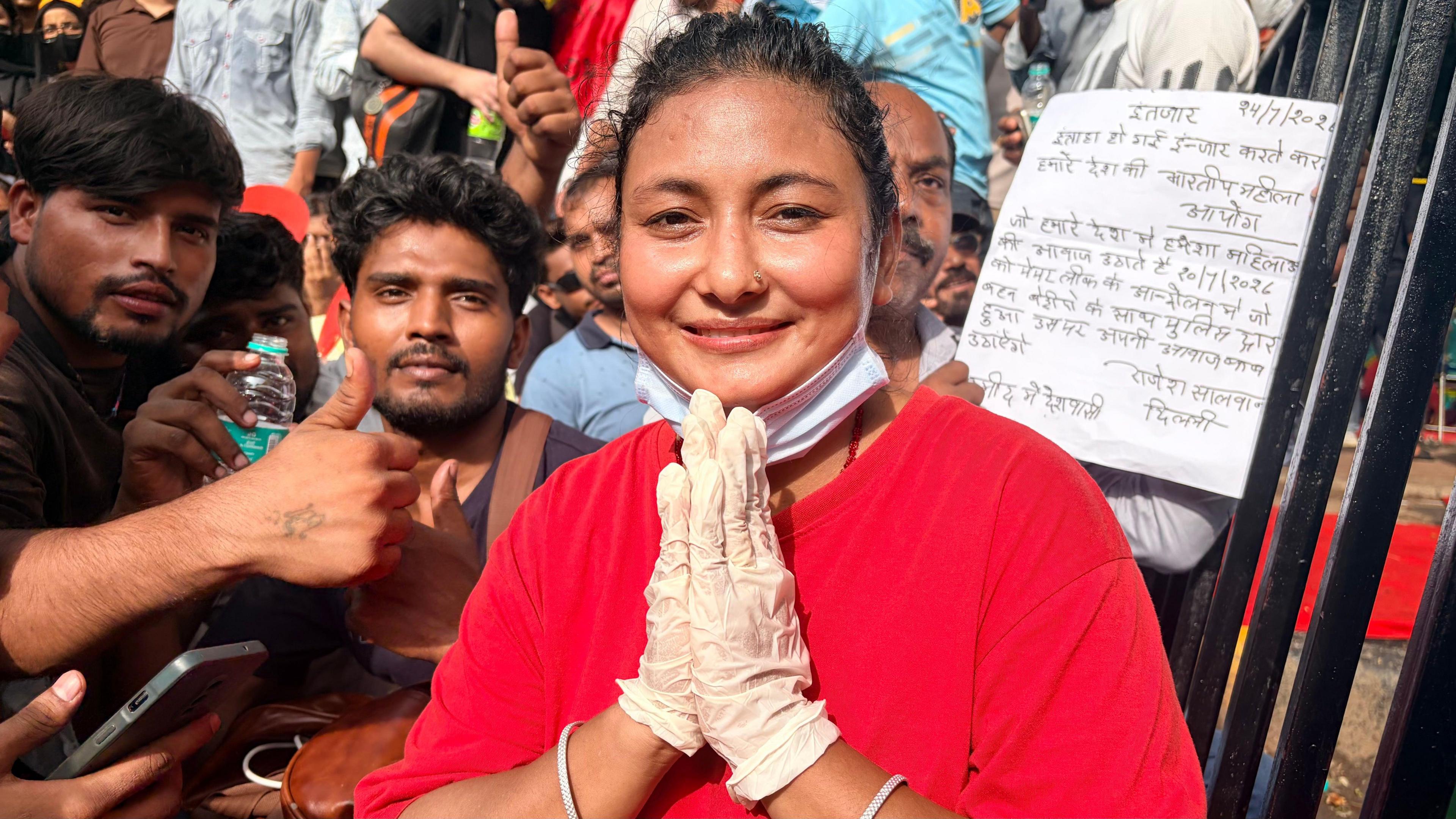
However, at Jantar Mantar, the mood was unequivocally celebratory. A visibly emotional Abhijeet Dipke, the CJP’s founder, screamed from the makeshift stage, "We have done it!" A resounding cheer erupted from the crowd, followed by an explosion of singing, dancing, slogan-shouting, and the distribution of sweets. Several hours after the CJP officially announced the end of their protest and its leaders had departed the site, crowds remained, their collective energy undimmed. Many told BBC correspondents Geeta Pandey and Yogita Limaye that they had waited weeks for this moment and were in no mood to leave without celebrating their hard-fought victory. The atmosphere at Jantar Mantar transformed into a festive gathering, with volunteers attempting to manage the large crowds. A significant police presence was maintained around the area, with officers stating they would only intervene in case of law breaches, allowing the celebratory mood to continue.
The Government’s Calculated Response and Lingering Questions
Prime Minister Narendra Modi, who had remained silent for nearly five weeks regarding the escalating protests, finally broke his silence on Thursday. He announced the government’s decision to "set up fast-track courts to ensure swift and stringent punishment for those involved in paper leaks." Later that night, Modi released a video message, asserting that a tough new law targeting examination paper leaks was being prepared and would soon be introduced in Parliament. These statements were perceived as a direct response to the CJP’s core demands for accountability and reform.
However, the Prime Minister’s efforts to assuage public anger were met with a wave of mockery on social media. Thousands of posts flooded platforms, turning Modi’s videos into jokes and memes, highlighting a perceived disconnect between the government’s belated response and the deep-seated frustration felt by the youth. This online reaction underscored the CJP’s digital savviness and its ability to shape narratives in the online sphere.
Beyond the Resignation: Unpacking the Broader Implications
Pradhan’s resignation marks a significant moment in Indian politics, challenging the long-held perception of Prime Minister Modi’s government as unyielding and largely impervious to public pressure. Since coming to power in 2014, the Modi administration has often been characterized by its firm stance against dissent, frequently responding to protests with crackdowns rather than concessions. This resignation, therefore, is widely interpreted as a considerable blow to the Prime Minister’s personal brand and his "aura of invincibility."
The CJP’s success also highlights the burgeoning power of digital activism in India. What began as an online satirical campaign, leveraging an AI-generated mascot and social media platforms like Instagram, evolved into a potent offline movement capable of mobilizing millions and forcing a significant political outcome. This demonstrates a new paradigm of youth-led political engagement, one that can rapidly organize, disseminate information, and sustain pressure through unconventional means.
Furthermore, the students’ protest resonated deeply with a large section of middle-class India, transcending traditional social divisions of religion and caste. The widespread anger over the lack of educational opportunities, the prevalence of exam paper leaks, and the scarcity of jobs struck a universal chord, uniting diverse segments of society under a common banner of frustration and aspiration. This broad appeal contributed significantly to the protest’s momentum and legitimacy.
This is not the first instance where the Modi government has been compelled to backtrack in the face of sustained public agitation. In 2021, after a year-long protest by farmers, the government repealed controversial agriculture laws. This precedent suggests a pattern where intense, prolonged public pressure, particularly from well-organized movements, can force policy reversals from an otherwise rigid administration.
The Road Ahead: Addressing Systemic Flaws
Despite the celebratory mood and the minister’s resignation, CJP founder Abhijeet Dipke stressed that the fight was far from over. In a statement on X, he articulated continued demands, including compensation for the families of students who tragically died by suicide following the cancellation of a key medical exam. He also renewed calls for decisive action against police officers accused of using excessive force against CJP supporters during the July 20th march to Parliament. His concluding remark, "Remember, do not mess with [the] cockroach," served as a defiant promise of continued vigilance.
The underlying issues that fueled this protest—chronic youth unemployment, systemic flaws in the education and examination systems, and the immense pressure on young Indians to secure a future—remain largely unaddressed. While the government has promised fast-track courts and a new law against paper leaks, these are reactive measures. The larger challenge for the Indian government will be to move beyond immediate concessions and implement comprehensive, long-term structural reforms that genuinely address the anxieties of its vast youth population. The "Cockroach Janta Party" has achieved an unprecedented victory, but it has also illuminated a critical juncture in India’s socio-political landscape, where the voices of its youth, amplified by digital platforms, can no longer be ignored.

Related Posts
Zambia on Edge: Opposition Leader Arrested Amid Allegations of Insurrection Plot and Election Tensions
Rescuers search for survivors of powerful Indonesia earthquake

