The Myth of the Drone Wunderwaffen and the Strategic Perils of Defense Populism
The conflict in Ukraine has fundamentally altered the global understanding of modern warfare, transforming the drone from a niche surveillance tool into a central pillar of tactical operations. As Kyiv continues to leverage small, inexpensive, and agile unmanned aerial and naval systems to challenge the Russian military’s technological and numerical superiority, a dangerous narrative has begun to take root in Western policy circles: the belief that drone technology represents a "silver bullet" capable of rendering traditional military assets obsolete. This seductive notion, however, threatens to distort defense procurement priorities across NATO, potentially leaving the alliance ill-prepared for the multifaceted demands of conventional high-intensity conflict.
A Chronology of Unmanned Innovation
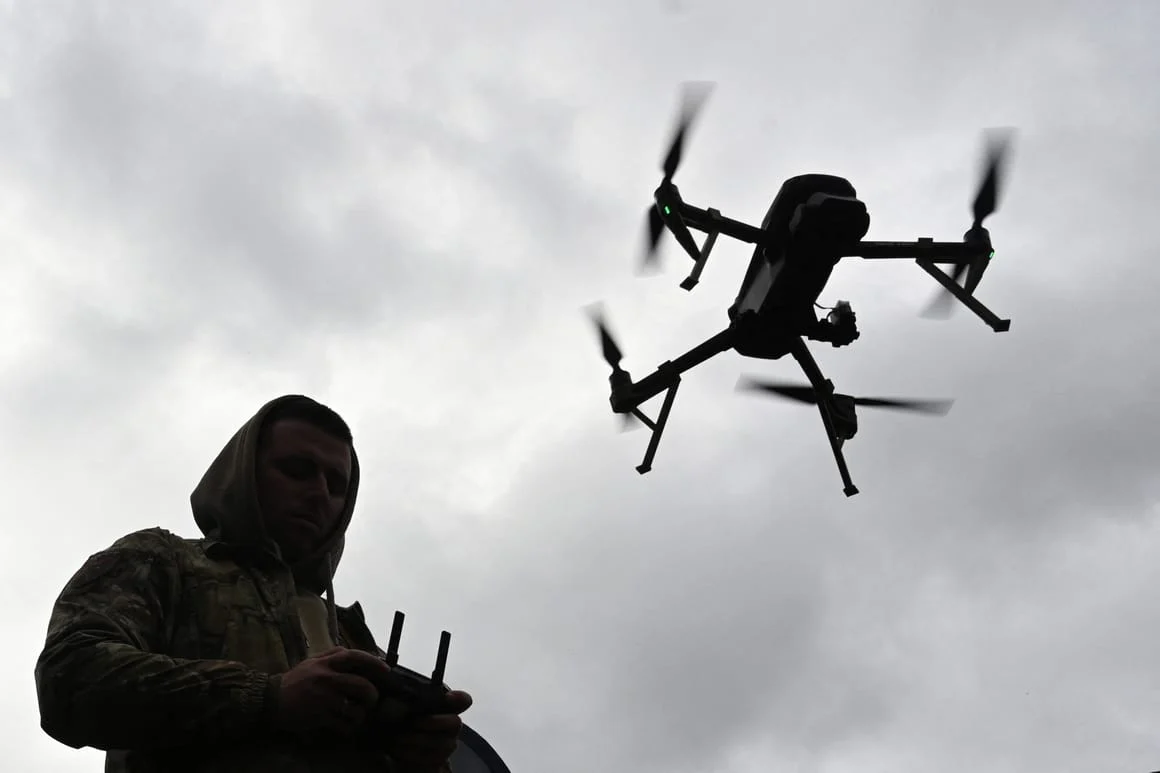
The evolution of drone warfare in the theater of operations has been rapid and iterative. Following the 2022 full-scale Russian invasion, Ukraine demonstrated a unique capacity to bridge the gap between commercial off-the-shelf technology and military-grade precision. By 2023, the focus shifted from simple reconnaissance to the integration of first-person-view (FPV) drones, which allowed operators to strike high-value Russian targets—including tanks, artillery pieces, and logistics hubs—at a fraction of the cost of traditional anti-tank guided missiles.
By mid-2024, the scope of these operations expanded significantly. Ukrainian forces began conducting deep-strike missions against critical infrastructure, targeting oil refineries, maritime terminals, and military command centers deep within Russian territory. By July 2026, the scale of these operations had reached a new intensity; on July 9, 2026, Kyiv reported the successful neutralization of 14 Russian vessels in the Sea of Azov, including ships linked to Moscow’s "shadow fleet." In the 96 hours preceding that report, over 45 military sites across occupied Crimea and the southern front were struck, demonstrating a level of persistent, long-range pressure that was previously considered unsustainable for a force lacking traditional air superiority.
Data and the Economics of Attrition
The appeal of the drone is rooted in its economics. A single FPV drone, often costing between $500 and $2,000, can disable a main battle tank costing several million dollars. This asymmetry has prompted a global rush to adopt "swarming" tactics and mass-produced low-cost munitions. However, this statistical success masks a more complex reality regarding the durability and strategic utility of these platforms.
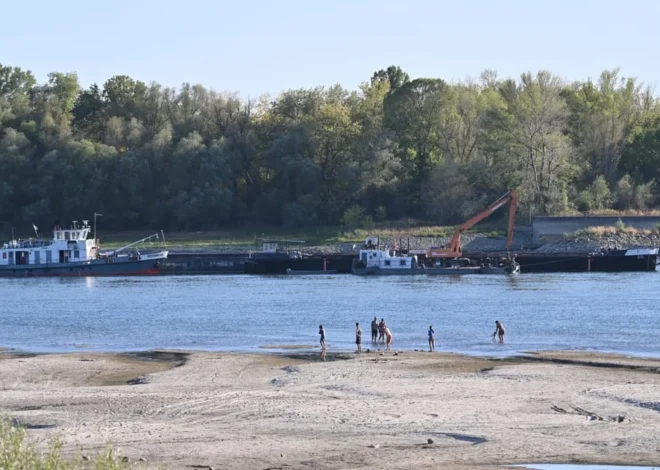
Current military analysis suggests that while drones have forced the Russian Black Sea Fleet to retreat from the western part of the Black Sea—thereby securing a vital corridor for Ukrainian civilian grain exports—they have not provided Ukraine with the ability to project power across the maritime domain in the absence of a conventional fleet. Drones excel at "stinging" and attrition, but they lack the physical presence required for the sustainment of logistics, the defense of airspace against manned aircraft, and the ability to conduct sustained occupation or territorial control.
The Institutional Tension in Kyiv
The strategic disagreement over the role of drones reached a breaking point within the Ukrainian government in July 2026. The dismissal of Defense Minister Mykhailo Fedorov, a primary architect of Ukraine’s drone-centric strategy, followed by the departure of Army Commander General Oleksandr Syrskyi, signaled an internal reckoning regarding the limits of unconventional warfare. While Fedorov championed the democratization of drone production and the "technological pivot," military leadership under Syrskyi reportedly pushed for a more balanced integration, emphasizing that drones are a component, not a replacement, for heavy armor, artillery, and integrated air defense systems.
The resolution of this internal debate will likely serve as a case study for NATO partners. Most defense experts suggest that the optimal force structure lies in the integration of high-end, traditional platforms—such as frigates and heavy air defenses—working in tandem with an ecosystem of unmanned systems.

The Countermeasure Imperative
A fundamental flaw in the "drones-as-Wunderwaffen" argument is the assumption that the adversary will remain static. History demonstrates that every offensive innovation eventually encounters a technological response. As Vice Admiral Ewa Skoog Haslum of the Swedish Armed Forces noted, the next phase of the conflict will be defined by the race for countermeasures.
High-power microwave (HPM) technology and laser-directed energy systems are emerging as the most viable solutions to neutralize drone swarms. These systems, however, require massive, consistent power generation—a capability currently limited to large naval vessels, hardened ground sites, and mobile platforms with significant energy capacity. Consequently, the reliance on drones actually reinforces, rather than replaces, the need for heavy, conventional military hardware. A navy cannot rely on drones to defend itself; it requires frigates and destroyers to provide the power, sensors, and command-and-control infrastructure necessary to host defensive systems against the next generation of drone threats.
Broader Implications for NATO Defense Policy
The shift in public perception, fueled by social media clips of successful drone strikes, has created a "defense populist" dilemma for Western policymakers. When the public perceives drones as a low-cost, high-reward panacea, there is a natural, albeit dangerous, tendency to scrutinize or cut funding for traditional platforms like tanks, fighter jets, and naval vessels.
This creates a systemic vulnerability. If European nations move to prioritize mass-produced, expendable drones at the expense of industrial-scale production of ammunition, hardened logistical infrastructure, and sophisticated air defense systems, they risk falling into a trap of their own making. Drones are inherently disposable and suffer from rapid obsolescence; in a high-intensity conflict, a fleet of drones in storage may prove to be technological junk by the time they are required.
Furthermore, the integration of artificial intelligence and high-speed connectivity means that the future of warfare is not about selecting "drones vs. tanks," but about creating an interconnected system of systems. A ship that can coordinate hundreds of autonomous drones while simultaneously firing interceptor missiles is infinitely more valuable than a swarm operating in isolation.
Conclusion: The Danger of Miscalculation
As NATO nations evaluate their defense budgets for the coming decade, the temptation to chase the "quick fix" of inexpensive drone technology must be tempered by the cold reality of military necessity. While Ukraine’s success is a testament to tactical ingenuity, it is not a blueprint for a minimalist defense.
Legitimate defense needs require a diverse, resilient, and heavy-duty arsenal. If policymakers, fearful of the political optics of high defense spending, allow themselves to be swayed by the narrative that small drones are a substitute for systemic strength, they concede the most important advantage to Russia. The winner of this debate will not be the side that builds the most drones, but the side that most effectively integrates them into a balanced force, ensuring that the allure of modern technology does not blind them to the enduring requirements of national security.