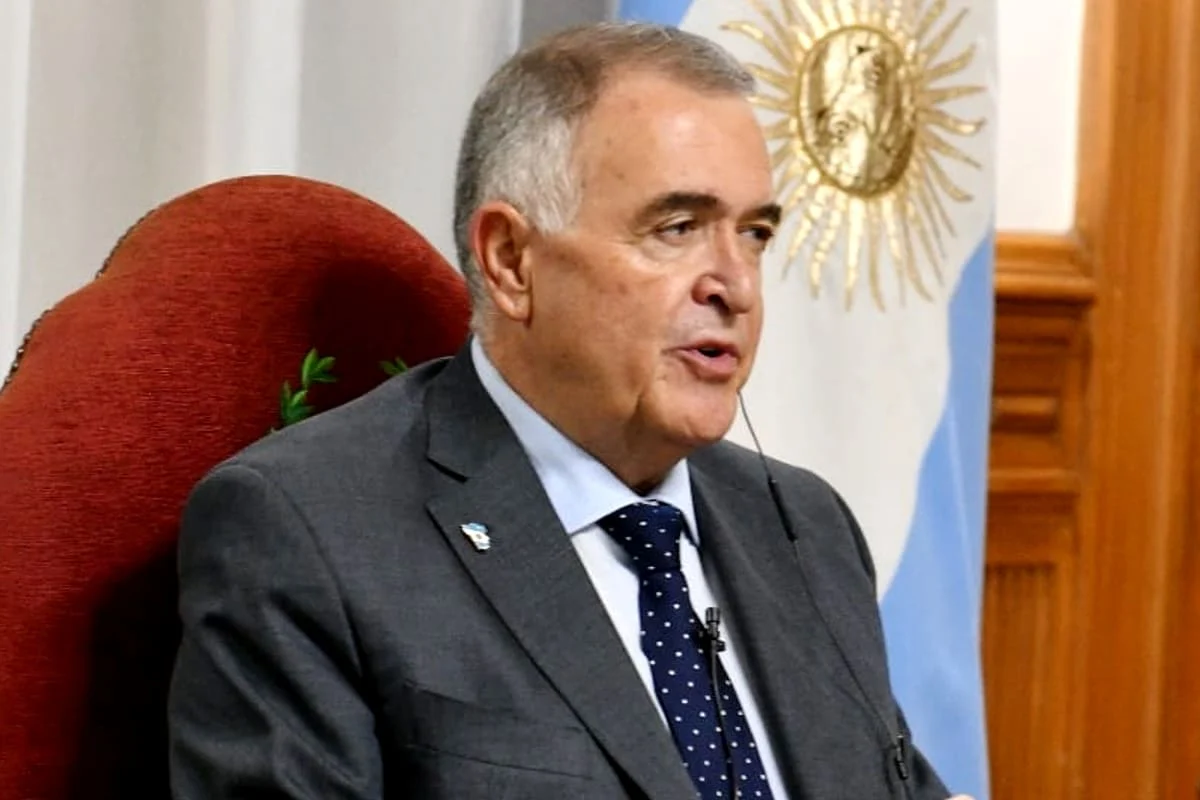
The Governor of Tucumán Underwent Cardiac Intervention in Buenos Aires
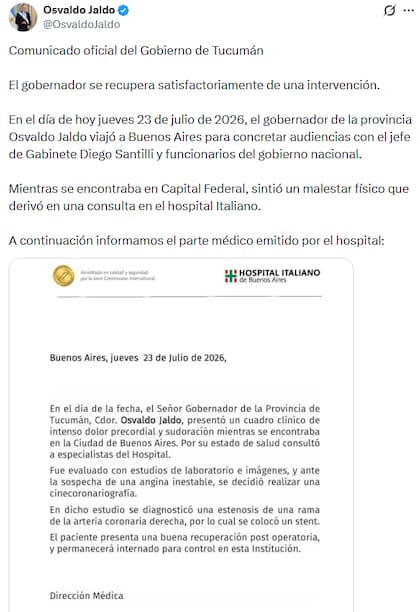
Osvaldo Jaldo, the Governor of Tucumán, was subjected to a cardiac intervention in Buenos Aires on Thursday and remains hospitalized. The provincial leader was in the Federal Capital to hold audiences with Chief of Staff Diego Santilli and national government officials. According to the medical report shared by the Italian Hospital, Jaldo arrived at the hospital with a condition of "intense pain and sweating."
Governor Jaldo’s Health Scare Amidst National Engagements
Governor Osvaldo Jaldo’s unexpected hospitalization for a cardiac intervention has cast a shadow over his official duties in Buenos Aires. The governor, a key figure in the political landscape of Tucumán, was in the nation’s capital for a series of crucial meetings with high-ranking national officials, including Chief of Staff Diego Santilli. These engagements were reportedly aimed at discussing matters of significant importance to the province.
The medical bulletin issued by the prestigious Italian Hospital confirmed that Governor Jaldo presented with severe symptoms upon arrival. The report detailed "intense pain and sweating," which are commonly associated with acute cardiac events. This sudden health emergency necessitated immediate medical attention and led to his subsequent admission and intervention.
The news of Governor Jaldo’s condition has naturally generated concern among his constituents in Tucumán and his political colleagues across the country. As a sitting governor, his health and ability to govern are of paramount public interest. The province of Tucumán, located in the northwest of Argentina, is an important agricultural and industrial hub, and its leadership’s stability is crucial for its economic and social well-being.
Timeline of Events Leading to Hospitalization
While specific timings remain under medical confidentiality, the sequence of events leading to Governor Jaldo’s hospitalization can be reconstructed based on available information.
-
Prior to Thursday: Governor Jaldo was reportedly engaged in preparations for his visit to Buenos Aires. His agenda included scheduled meetings with national government officials, indicating a proactive approach to provincial governance and inter-governmental relations. These meetings were crucial for addressing provincial needs and seeking federal support for various initiatives in Tucumán.
-
Thursday Morning/Afternoon: Governor Jaldo arrived in Buenos Aires and proceeded to his scheduled appointments. The exact duration and nature of these meetings are not publicly detailed, but they were evidently of a nature that required his presence in the capital.
-
Thursday Afternoon/Evening: During his time in Buenos Aires, Governor Jaldo began experiencing severe symptoms. The description of "intense pain and sweating" strongly suggests an acute medical event, likely a cardiac episode.
-
Thursday Evening: Governor Jaldo was promptly taken to the Italian Hospital. Medical professionals immediately assessed his condition, leading to the decision for a cardiac intervention.
-
Post-Intervention: Following the procedure, Governor Jaldo was admitted to the hospital for observation and recovery. The Italian Hospital has issued a medical report confirming the intervention and his current stable condition.
The swift response of Governor Jaldo’s medical team and his prompt transfer to a leading medical facility were critical in managing his health emergency. The fact that he was in Buenos Aires for official duties underscores the demanding nature of his responsibilities as a provincial governor.
The Significance of the Buenos Aires Engagements
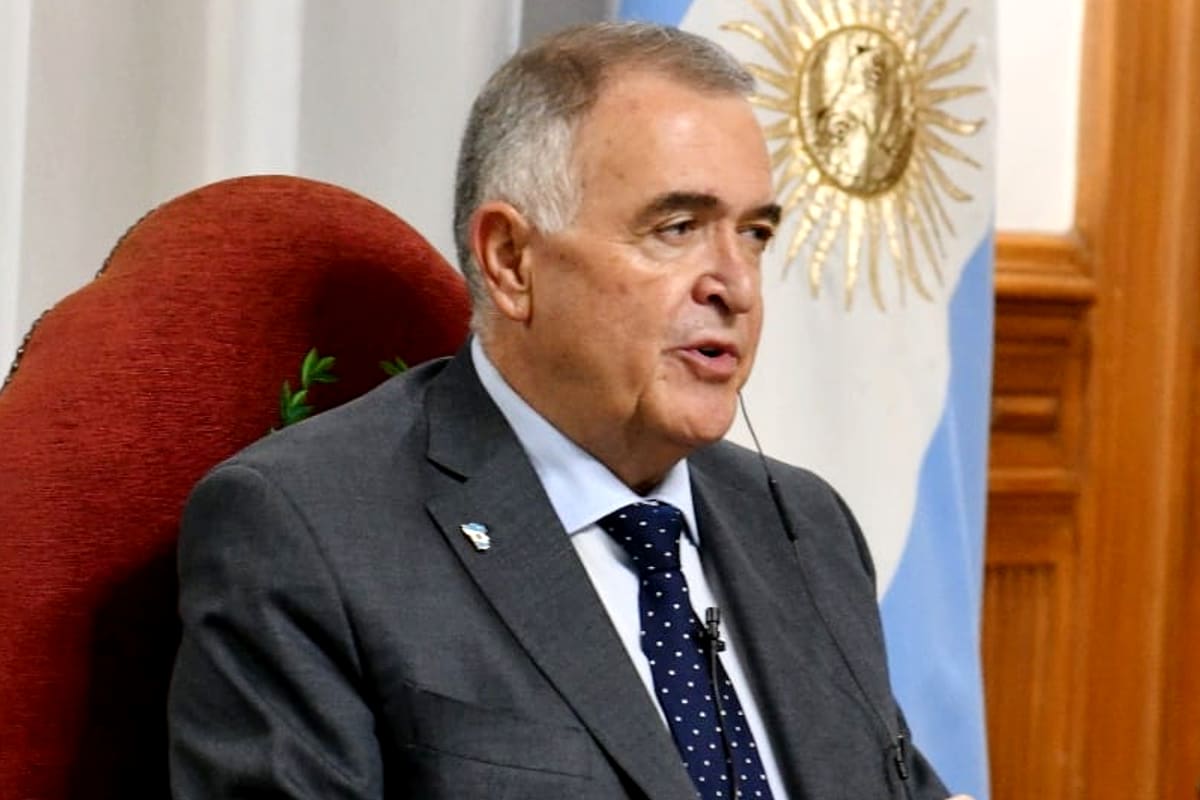
Governor Jaldo’s presence in Buenos Aires was not coincidental. Provincial governors frequently travel to the federal capital to engage with national authorities on a range of critical issues. These often include:
-
Fiscal Matters: Discussions regarding federal revenue sharing, provincial debt, and funding for public services such as healthcare, education, and infrastructure. Tucumán, like many Argentine provinces, relies on federal transfers to supplement its own revenue.
-
Infrastructure Projects: Seeking federal support and approvals for major infrastructure developments, such as highways, dams, and energy projects, which are vital for economic growth and job creation.
-
Agricultural and Industrial Policies: Engaging with national ministries on policies affecting key sectors of Tucumán’s economy, including sugar production, citrus farming, and manufacturing.
-
Social Programs: Coordinating efforts and seeking federal funding for social assistance programs, poverty reduction initiatives, and healthcare access for the population.
-
Inter-Provincial Cooperation: Meetings might also involve discussions on regional development initiatives and cooperation with other provinces.
The specific nature of Governor Jaldo’s meetings with Chief of Staff Diego Santilli and other national officials would have been focused on advancing Tucumán’s interests within the national framework. Santilli, as Chief of Staff, plays a pivotal role in coordinating government policy and managing inter-ministerial relations, making him a key interlocutor for provincial leaders.
Supporting Data and Context
To understand the broader context of Governor Jaldo’s health and his official duties, it’s useful to consider some relevant background information:
-
Tucumán’s Economic Profile: Tucumán is one of Argentina’s most populous provinces, with a significant agricultural base, particularly in sugar cane and citrus production. It also has a growing industrial sector. The province’s economic health is closely tied to national economic policies and federal support.
-
Governor Jaldo’s Political Career: Osvaldo Jaldo has a long history in Tucumán politics. He served as Vice-Governor before assuming the governorship. His political affiliations and alliances are significant within the provincial and national political landscape. His party, the Justicialist Party (PJ), is a major force in Argentine politics, and his actions and statements often reflect broader party positions.
-
Cardiac Health in Argentina: Cardiovascular diseases remain a leading cause of mortality in Argentina. Factors such as diet, lifestyle, and access to healthcare play a crucial role in their prevalence. Regular medical check-ups and prompt attention to symptoms are vital for managing heart health.
-
The Role of Chief of Staff: The Chief of Staff in Argentina holds a powerful position, often acting as a gatekeeper to the President and overseeing the daily operations of the national government. Meetings with this office are typically high-level and involve discussions on critical policy and administrative matters.
Official Responses and Public Reaction
While the primary focus remains on Governor Jaldo’s health, official and public reactions are unfolding.
-
Provincial Government: It is expected that the Vice-Governor of Tucumán, along with other senior provincial officials, will assume temporary responsibility for governing the province in Governor Jaldo’s absence. Protocols are likely in place to ensure continuity of governance. Statements from the provincial government would likely express concern for the Governor’s health and reassure the public about the ongoing administration of the province.
-
National Government: Officials from the national government, including Chief of Staff Diego Santilli, would likely express their well wishes to Governor Jaldo. Their statements would probably acknowledge the importance of his visit and the ongoing dialogue between the federal and provincial governments.
-
Political Figures: Reactions from other provincial governors, national legislators, and political leaders across the spectrum are anticipated. These would likely range from expressions of solidarity and concern to statements reinforcing the importance of public service.
-
Public: The citizens of Tucumán will undoubtedly be concerned about their governor’s health. Social media and local news outlets will likely be abuzz with discussions and expressions of support.
Broader Implications and Analysis
Governor Jaldo’s sudden hospitalization, while a personal health matter, carries broader implications for Tucumán and Argentine politics.
-
Continuity of Governance: The immediate concern is ensuring that the governance of Tucumán remains uninterrupted. The functioning of the provincial administration, the delivery of public services, and the execution of ongoing projects must not be compromised. The Vice-Governor’s role in this transition is critical.
-
Political Stability: In the short term, this event could lead to a period of heightened political attention on Tucumán. Depending on the duration of Governor Jaldo’s recovery, it could also influence provincial political dynamics and the relationships with national authorities.
-
Federal-Provincial Relations: The interruption of crucial meetings with national officials highlights the delicate balance of federal-provincial relations. The effectiveness of these relationships often depends on the consistent engagement of key leaders. The delay in these discussions might have a minor impact on the pace of provincial initiatives requiring federal input.
-
Public Trust: The transparency and clarity of information regarding Governor Jaldo’s health and recovery will be important for maintaining public trust. Accurate and timely updates from official sources are crucial in managing public perception and alleviating concerns.
As Governor Jaldo recovers, the focus will remain on his health and well-being. The political and administrative implications will unfold in due course, with the primary objective being the smooth functioning of the provincial government and the continued advancement of Tucumán’s interests. The incident serves as a stark reminder of the demanding nature of public office and the importance of health preparedness for all individuals, especially those in leadership positions.

Related Posts

The Electric Vehicle Battery Health Debate Emerges as Argentina’s EV Market Accelerates

President Donald Trump Confirms Secret Departure from Turkey Amidst Assassination Threat