The EU’s Russia sanctions crunch
The Brussels Stalemate: Navigating the Twenty-First Sanctions Package
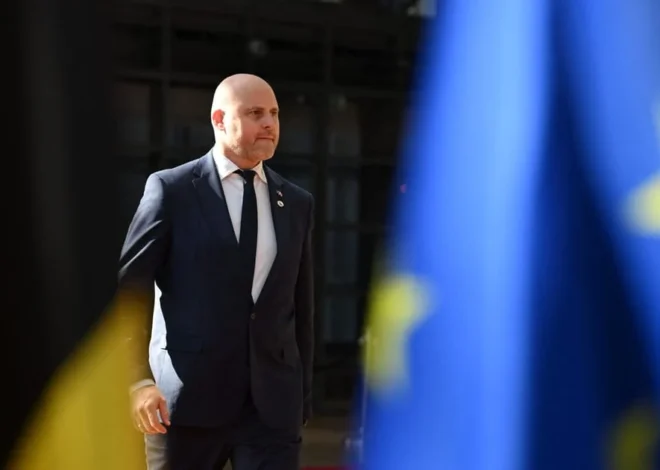
The current impasse stems from diverging national interests among member states, particularly regarding the scope of trade restrictions and the enforcement mechanisms required to prevent sanctions evasion. While the majority of the EU remains committed to tightening the economic vice on Moscow, specific nations have raised concerns regarding the potential impact on their domestic energy sectors and shipping industries.
The proposed twenty-first package is designed to address identified loopholes in previous iterations, which have seen a rise in the use of "shadow fleet" tankers to transport Russian oil. By targeting secondary sanctions and restricting the access of certain entities to dual-use technologies, the European Commission seeks to degrade Russia’s industrial capacity further. However, the requirement for unanimity among all 27 member states ensures that even minor objections can derail the collective process.
Chronology of EU Sanctions Against Russia
The current diplomatic struggle is the latest chapter in a protracted economic campaign that began in February 2022. The following timeline outlines the rapid escalation of EU policy:
- February 2022: The initial response to the full-scale invasion of Ukraine, involving the freezing of assets and the exclusion of several Russian banks from the SWIFT messaging system.
- Summer 2022: The introduction of bans on Russian coal and the first limitations on crude oil imports, marking a significant shift in European energy policy.
- 2023: The focus shifted toward closing loopholes, targeting third-party countries acting as transit hubs for sanctioned goods, and expanding the list of designated individuals and entities.
- Early 2024: Negotiations for the twenty-first package began, focusing on high-tech exports and the logistics of maritime transport.
Data and Economic Impact
Data from the European Statistical Office (Eurostat) indicates that while Russian imports into the EU have plummeted by over 70% since the onset of the conflict, the Russian economy has shown surprising resilience due to pivot-to-Asia strategies. The EU’s challenge, therefore, is to craft sanctions that are sufficiently robust to affect Russia’s war chest without triggering catastrophic inflation or energy shortages within the eurozone.
According to a report by the European Central Bank, the cumulative effect of the previous twenty packages has hindered Russia’s ability to procure sophisticated microchips and avionics components. However, the emergence of "grey markets" in Central Asia and the Middle East has necessitated the more precise, targeted measures contained in the latest draft, which aims to hold entities accountable for the transshipment of prohibited goods.
The China Dilemma: Reassessing Strategic Autonomy
Beyond the immediate crisis in the East, the European Parliament is navigating a delicate shift in its relationship with Beijing. After a seven-year period characterized by a diplomatic freeze—exacerbated by disputes over human rights, the Comprehensive Agreement on Investment (CAI) suspension, and differing stances on the Russia-Ukraine conflict—lawmakers are attempting to re-engage with Chinese authorities.
This shift reflects a broader European desire for "de-risking" rather than "de-coupling." However, the lack of a unified consensus within the Parliament highlights the complexity of the task. Proponents of engagement argue that the climate crisis and global economic stability necessitate a functional dialogue with China. Conversely, skeptics emphasize the security implications of technological dependence and the potential for Chinese economic coercion.
The European Parliament’s Committee on Foreign Affairs has recently debated the merits of a new "Strategic Framework for China," though no formal resolution has been adopted. The ambiguity of the current stance reflects a deep-seated anxiety: how to maintain a competitive economic relationship while safeguarding the values and security architecture of the European Union.
Cultural Representation and Global Narratives
In a separate development that underscores the power of media in shaping geopolitical perceptions, the release of high-profile cinematic projects—such as the latest directorial efforts from Christopher Nolan—has sparked a debate regarding the portrayal of European nations in Hollywood. The cultural discourse, particularly in Greece, has centered on the "Hollywood trope," where specific countries are often relegated to exoticized backdrops or static historical settings.
While seemingly disparate from the heavy policy discussions in Brussels, this discourse highlights the significance of "soft power." Cultural narratives influence public opinion, which in turn impacts political support for international initiatives. Scholars of international relations note that the commodification of national identity in cinema can lead to a reductive understanding of a country’s contemporary political and social realities, a trend that many European cultural institutions are now attempting to address through increased support for local, authentic storytelling.
Implications for the Future of European Policy
As ambassadors conclude their meetings today, the implications of the twenty-first sanctions package extend far beyond the immediate economic impact on Moscow. A failure to reach an agreement would signal a weakening of the European resolve, potentially emboldening external actors and complicating the EU’s ability to project unity on the global stage.
Conversely, a successful agreement would reaffirm the bloc’s commitment to its long-term strategic objectives. The European Commission has signaled that should this round of sanctions be implemented, the next phase will focus on the enforcement of existing rules rather than the creation of new ones. This shift in focus acknowledges the reality that the effectiveness of sanctions is determined less by the number of measures on the books and more by the rigor with which they are applied and monitored.
Looking Forward: Conservation and Scientific Inquiry
Amidst the high-pressure environment of the EU headquarters, news of biological discovery serves as a reminder of the global interconnectedness that transcends political borders. The identification of a new monkey species in the Democratic Republic of the Congo—notable for its distinct physical features—has drawn international attention from the scientific community.
The discovery serves as a poignant reminder of the importance of global biodiversity and the often-unseen consequences of environmental degradation in conflict-prone regions. While the political attention of the European Union is currently dominated by security and economic stability, the ongoing support for international scientific research remains a cornerstone of the EU’s global engagement strategy.
Conclusion
The coming days will be decisive for the European Union. Whether the bloc can successfully navigate the internal tensions surrounding the twenty-first sanctions package will provide a clear indicator of its capacity for unified action in the face of persistent geopolitical threats. As the European Parliament continues its search for a balanced approach to Beijing and as cultural narratives continue to shape global perceptions of the continent, the EU must remain steadfast in its commitment to its core values while adapting to the shifting realities of an increasingly complex international order.
The task at hand is significant: maintaining the momentum of the twenty-first package requires not only political will but also a pragmatic approach to the economic realities of the member states. The outcome of today’s meeting in Brussels will be a defining moment for the current European leadership, setting the tone for the remainder of the legislative term and shaping the bloc’s role in the global geopolitical architecture for years to come.