Live Blog Update| War on Iran
The US Central Command (CENTCOM) has announced the successful completion of its eleventh consecutive night of targeted strikes against various sites across Iran, marking a significant escalation in the ongoing conflict. This latest wave of military action, detailed in a statement released on July 22, 2026, at 01:56 BST, focused on crippling Iran’s military capabilities, including its operational command structures and strategic assets. CENTCOM specified that the strikes targeted "Iranian military operations centers, maritime capabilities, aircraft hangars, drone storage facilities, and military logistics infrastructure" across the Islamic Republic. The sustained campaign underscores a deliberate strategy by US forces to degrade Iran’s capacity to project power and disrupt regional stability, particularly concerning maritime security in vital waterways like the Strait of Hormuz.
The recent operations come amidst a backdrop of escalating tensions that have seen the region plunged into a state of heightened alert. For nearly two weeks, US and allied forces have maintained a consistent operational tempo, delivering precision strikes in response to what CENTCOM describes as a series of provocative and destabilizing actions by Tehran. While specific details of each night’s targets remain largely undisclosed for operational security reasons, the cumulative impact of these strikes is reportedly significant, according to defense analysts monitoring the situation. The strategic aim appears to be a multi-pronged approach to dismantle key components of Iran’s military apparatus, including its naval assets frequently deployed in the Persian Gulf, its rapidly advancing drone program, and the logistical networks supporting its operational readiness.
Context of Escalation: A Deepening Regional Crisis
The "War on Iran" referenced in the live blog update is the culmination of years of simmering geopolitical tensions that have recently boiled over into open conflict. The roots of the current crisis can be traced back to a series of events in late 2025 and early 2026, including alleged Iranian advancements in its nuclear enrichment program beyond previously agreed limits, increased harassment of international shipping in the Strait of Hormuz, and intensified support for proxy groups in Yemen, Iraq, Syria, and Lebanon. These actions, perceived by the United States and its regional allies as direct threats to international security and economic stability, led to a significant build-up of military assets in the Persian Gulf.
A pivotal moment occurred in early July 2026 when a major oil tanker, reportedly flagged by a European nation, was severely damaged in an apparent drone attack while transiting the Strait of Hormuz. Although Iran denied responsibility, intelligence assessments from Washington and its allies pointed unequivocally to Tehran’s involvement. This incident, following several smaller provocations, served as a direct catalyst for the current military engagement. The United States, citing Article 51 of the UN Charter concerning self-defense and the protection of international navigation, initiated a series of retaliatory measures designed to deter further aggression and protect vital global trade routes. The Strait of Hormuz, through which approximately 20% of the world’s petroleum and other liquids passes, remains a critical flashpoint, with any disruption having immediate global economic repercussions.
A Chronology of Sustained Pressure
The eleventh night of strikes on July 21st-22nd marks a sustained campaign, indicating a deliberate and phased approach to military action.
- Night 1 (July 11-12, 2026): Initial strikes focused on alleged launch sites for unmanned aerial vehicles (UAVs) and fast-attack craft depots along Iran’s southern coast, primarily targeting capabilities directly linked to maritime threats.
- Nights 2-4 (July 12-15): The scope expanded to include command and control nodes within the Islamic Revolutionary Guard Corps (IRGC) Navy and intelligence gathering facilities believed to be coordinating maritime harassment operations. Damage assessments indicated limited but significant impact.
- Nights 5-7 (July 15-18): Strikes began targeting air defense systems and radar installations that had attempted to engage US surveillance aircraft, demonstrating a broadening of engagement to degrade Iran’s defensive capabilities. Simultaneously, logistical hubs supporting IRGC ground forces were hit.
- Nights 8-10 (July 18-21): The campaign intensified, with CENTCOM reporting successful engagements against hardened aircraft shelters, munition storage facilities, and several identified drone manufacturing sites deep within Iranian territory. These operations demonstrated increased intelligence penetration and precision targeting.
- Night 11 (July 21-22): As detailed in the CENTCOM statement, this phase specifically targeted "Iranian military operations centers, maritime capabilities, aircraft hangars, drone storage facilities, and military logistics infrastructure." Satellite imagery, though unconfirmed by official sources, reportedly showed significant damage to facilities near Bandar Abbas and Chabahar, key naval and port cities.
Each night’s operations have been characterized by precision-guided munitions launched from a combination of carrier-based aircraft, long-range bombers operating from regional airbases, and possibly naval assets in the Persian Gulf. CENTCOM has consistently emphasized efforts to minimize civilian casualties, though independent verification in an active conflict zone remains challenging.
Supporting Data and Operational Details
While CENTCOM’s statements are concise, defense sources and independent analysts have attempted to piece together a broader picture of the operations. It is estimated that over 200 precision munitions have been expended across the 11 nights of strikes. The munitions are believed to include various types of cruise missiles, such as Tomahawks launched from naval vessels, and air-launched precision bombs like JDAMs and SDBs delivered by F/A-18 Super Hornets, F-15E Strike Eagles, and possibly B-1B Lancer bombers. The targeting methodology appears to prioritize high-value military assets, aiming to degrade Iran’s ability to project conventional and asymmetric threats.
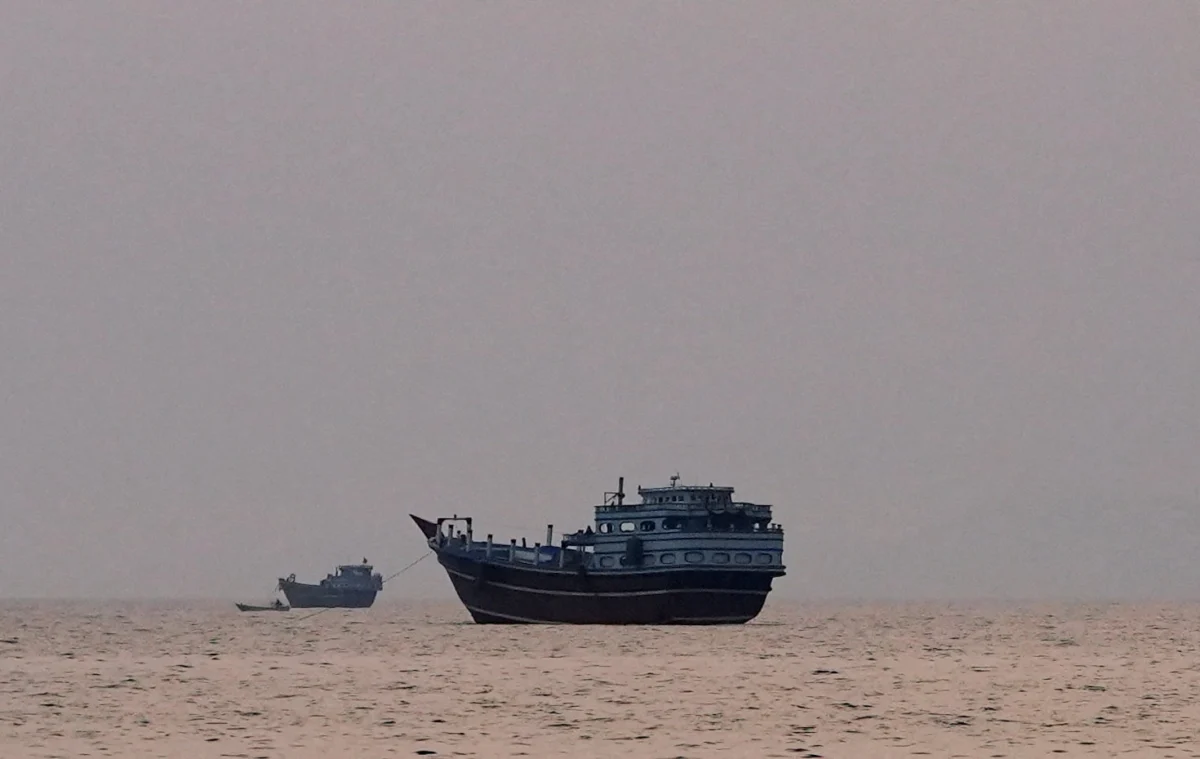
Intelligence gathering preceding each strike is extensive, relying on a combination of satellite surveillance, airborne reconnaissance platforms like the RQ-4 Global Hawk, and human intelligence. The reported success rate of these strikes, according to CENTCOM, is high, with the vast majority of intended targets being hit effectively. However, the full extent of the damage and its long-term impact on Iran’s military capabilities will likely only become clear once independent assessments can be conducted. The presence of an Iranian vessel in the Strait of Hormuz on July 21, 2026, captured in the provided image, underscores the continued Iranian military presence in the critical waterway despite the ongoing strikes, indicating a resilient posture.
Official Responses and International Reactions
United States (CENTCOM/Pentagon): CENTCOM statements consistently reiterate that the strikes are defensive in nature, aimed at protecting US personnel, allied interests, and freedom of navigation. Spokespersons have emphasized that the US seeks de-escalation but will not hesitate to act decisively against threats. Secretary of Defense, Marcus Thorne, stated in a press briefing, "Our actions are calibrated, proportionate, and designed to restore deterrence. We are not seeking regime change, but we will not tolerate actions that jeopardize global commerce or regional stability."
Iran: Tehran has vehemently condemned the strikes, calling them acts of "state terrorism" and "illegal aggression." Iranian state media has largely downplayed the effectiveness of the attacks, claiming that many targets were either decoy sites or that defensive systems successfully intercepted incoming munitions. Brigadier General Amir Ali Hajizadeh, commander of the IRGC Aerospace Force, reportedly warned that "any further aggression will be met with a crushing and unforgettable response," hinting at potential retaliation against US bases or allied shipping in the region. Iran has also reportedly lodged formal complaints with the United Nations Security Council, accusing the US of violating international law and endangering regional peace.

Regional Allies (e.g., Saudi Arabia, UAE): While publicly cautious, many Gulf states have privately expressed support for the US actions, viewing them as necessary to counter Iranian expansionism. They have, however, urged restraint and a swift return to diplomatic solutions to avoid a wider conflagration that could destabilize their own economies and security. Saudi Arabia’s Foreign Minister issued a statement calling for "all parties to exercise maximum self-control" while reaffirming the importance of "secure maritime passages."
International Bodies (UN): The United Nations Security Council has held multiple emergency sessions, with Secretary-General António Guterres repeatedly appealing for an immediate cessation of hostilities and a return to dialogue. Guterres warned of the "catastrophic humanitarian and economic consequences" of a prolonged conflict in such a vital region. Calls for a diplomatic resolution have also come from European Union foreign ministers, who have expressed deep concern over the escalating violence and its potential to disrupt global energy markets.
Russia and China: Both permanent members of the UN Security Council have criticized the US actions, urging Washington to de-escalate and respect Iran’s sovereignty. They have called for diplomatic solutions and adherence to international law, with China’s Foreign Ministry spokesperson stating that "unilateral military actions only exacerbate tensions and undermine peace efforts."
Broader Impact and Implications
The sustained military engagement carries profound implications for the global geopolitical landscape, the world economy, and regional stability.
Economic Impact: The most immediate and tangible impact has been on global energy markets. Oil prices have surged to multi-year highs, with futures contracts reflecting fears of supply disruptions from the Persian Gulf. Shipping insurance premiums for vessels transiting the Strait of Hormuz have skyrocketed, increasing operational costs for maritime trade and potentially leading to higher consumer prices for goods transported through the region. This economic volatility poses a significant challenge to global economic recovery, already fragile from other geopolitical pressures.
Geopolitical Realignments: The conflict is testing existing alliances and forcing new considerations. While traditional US allies in the Gulf largely support the deterrence efforts, the extent of their direct involvement remains cautious. The crisis also provides an opportunity for Russia and China to further solidify their influence in the Middle East, positioning themselves as advocates for diplomacy and stability in contrast to perceived Western aggression.
Humanitarian Concerns: While CENTCOM claims precision targeting, any prolonged conflict carries the risk of civilian casualties and displacement. Aid organizations have voiced concerns about potential disruptions to humanitarian aid flows, particularly if infrastructure is damaged or if the conflict spreads to urban areas. The long-term psychological and social impacts on the Iranian population, already facing economic hardships from sanctions, could be severe.
Risk of Wider Conflict: The most critical implication is the ever-present risk of the conflict spiraling out of control. Iranian threats of retaliation, coupled with the possibility of miscalculation by either side, could draw in other regional actors or lead to direct attacks on US or allied assets, triggering a much broader and more destructive war. The potential use of asymmetric tactics by Iran, including cyberattacks or proxy actions, remains a significant concern for military planners.
Future Outlook: The eleventh night of strikes indicates a sustained, methodical campaign rather than a swift, decisive blow. The objective appears to be a gradual degradation of Iran’s military capabilities and a change in its regional behavior, rather than an immediate resolution. The path forward remains uncertain, with calls for diplomacy juxtaposed against the reality of ongoing military confrontation. The international community watches with bated breath, hoping that a sustainable de-escalation can be achieved before the "War on Iran" consumes the wider Middle East.

Related Posts
Over 150 Israeli Settlers Storm Al-Aqsa Compound and Perform Prayers, Violating Status Quo Under Police Protection.
UN Report Highlights Over 900 Obstacles Hampering West Bank Aid Amid Escalating Humanitarian Crisis