BAE Systems Unveils Project Intuity to Revolutionize Future Air Combat and Drone Swarm Management
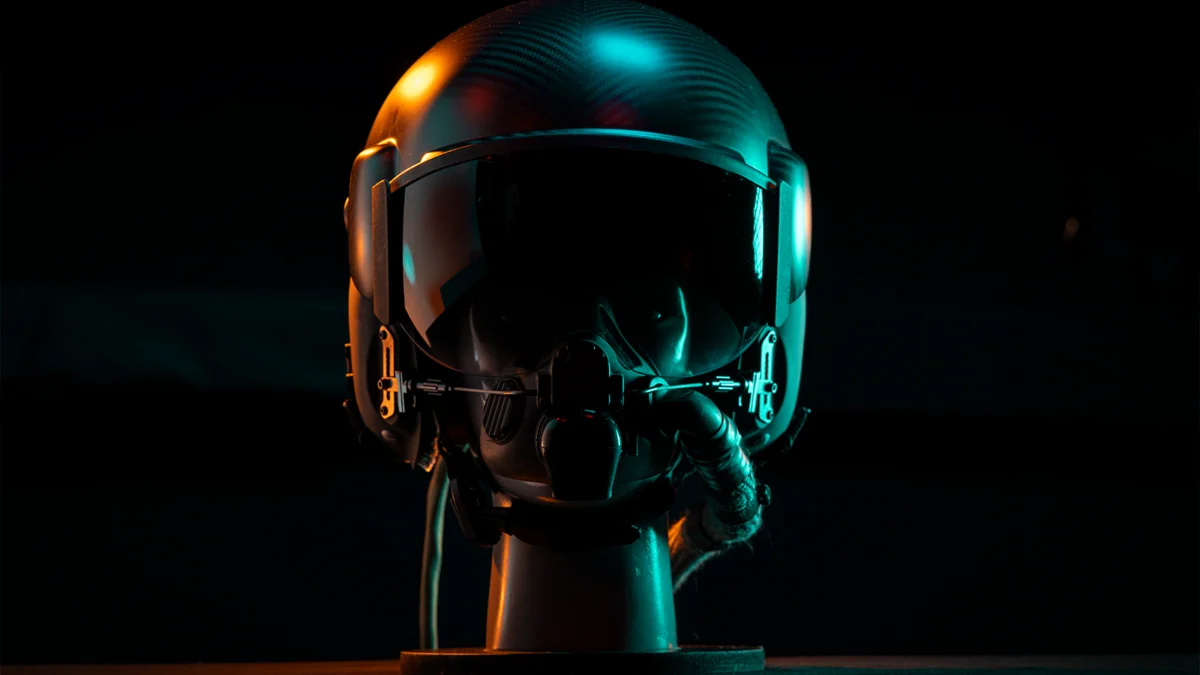
At the prestigious Farnborough International Airshow in London, BAE Systems has introduced a groundbreaking prototype that could fundamentally redefine the role of the modern fighter pilot. As global militaries pivot toward a new era of aerial warfare characterized by autonomous systems and high-density data environments, the defense giant unveiled Project Intuity. This new helmet-mounted display (HMD) system is specifically engineered to address the growing cognitive demands placed on aviators who, in the very near future, will be expected to function not just as pilots, but as airborne mission commanders overseeing complex swarms of unmanned aerial systems (UAS).
The unveiling of Project Intuity comes at a critical juncture in aerospace history. For decades, the primary challenge for a fighter pilot was the mastery of flight dynamics and the tactical deployment of onboard munitions. However, the emergence of "Collaborative Combat Aircraft" (CCA) and "Loyal Wingman" programs has shifted the paradigm. Tomorrow’s battlespace will likely be saturated with information from a myriad of sensors, satellites, and autonomous drones. Project Intuity is BAE Systems’ answer to this "data deluge," providing a technological bridge that allows a single human operator to synthesize and act upon vast quantities of battlefield intelligence in real-time.
The Technical Innovations of Project Intuity
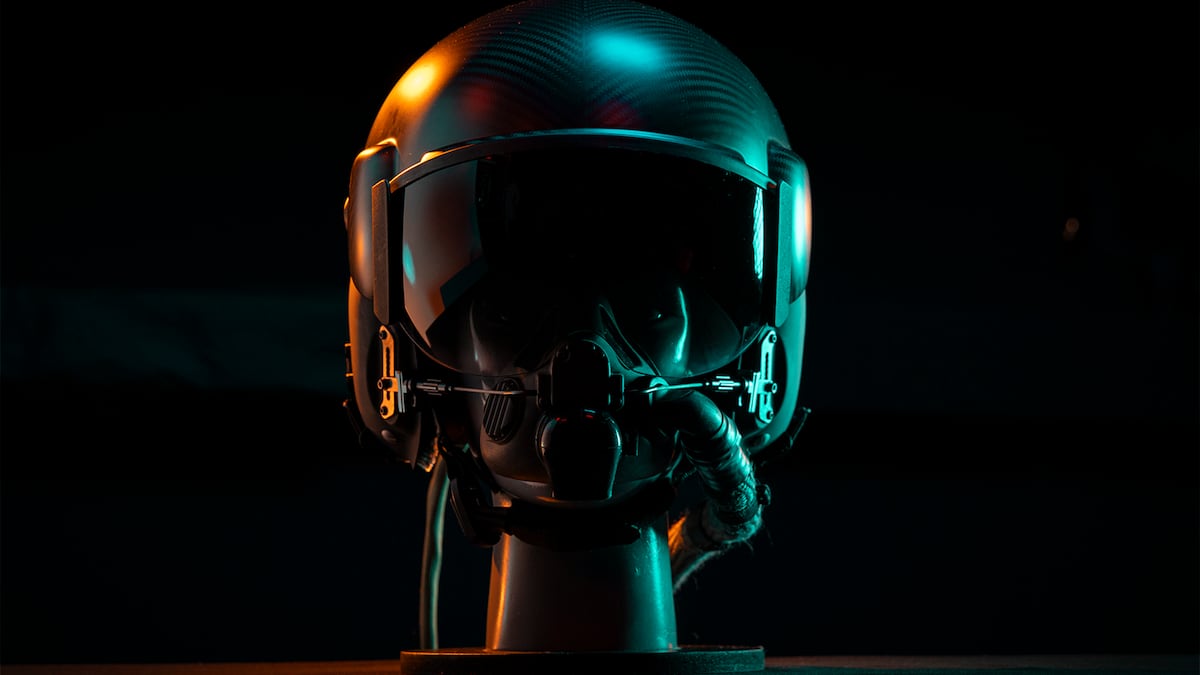
Project Intuity is not merely an incremental update to existing helmet technology; it represents a significant leap in augmented reality (AR) and human-machine interface (HMI) design. According to BAE Systems, the demonstrator features a visor with twice the display area of current-generation helmet-mounted systems. This expanded field of view is coupled with what the company describes as "quad high-definition resolution," a level of visual fidelity designed to ensure that critical mission data is rendered with absolute clarity.
One of the primary goals of the project is to keep the pilot’s eyes "out of the cockpit." In traditional aircraft, pilots must frequently glance down at multi-function displays (MFDs) and instruments to check fuel levels, sensor data, or navigation charts. Project Intuity moves this information directly into the pilot’s natural line of sight. By projecting high-resolution data onto the visor, the system allows the pilot to remain focused on the external environment—a crucial advantage in high-stakes dogfights or complex multi-domain operations.
Beyond visual enhancements, the prototype integrates sophisticated head-tracking technology and 3D audio cueing. The 3D audio system provides directional sound, allowing a pilot to "hear" the location of a threat or a wingman before seeing it, thereby shortening the reaction time within the OODA (Observe, Orient, Decide, Act) loop. Furthermore, the system is built on an open and flexible architecture. This modularity ensures that emerging technologies, such as advanced eye-tracking sensors and next-generation optics, can be integrated into the helmet as they become available, preventing the hardware from becoming obsolete in a rapidly evolving technological landscape.
A Chronology of Human-Machine Teaming
The development of Project Intuity is closely aligned with a series of milestones in human-machine teaming (HMT) that have occurred over the past several years. As the United States and its allies look to counter the capabilities of "near-peer" adversaries like China and Russia, the integration of autonomous drones has moved from experimental concept to a core strategic priority.
The timeline of this evolution highlights the accelerating pace of change:
- February 2022: Defense experts and Air Force officials begin publicly emphasizing that autonomous wingmen will be the "deciding factor" in future conflicts, particularly in the Pacific theater where "mass" and "attritability" are essential.
- Summer 2023: During a series of flight tests, U.S. Air Force pilots successfully demonstrated the ability to control XQ-58A Valkyrie drones while airborne. This exercise proved that human operators could manage autonomous assets without being overwhelmed by the additional workload.
- January 2024: The U.S. Navy announces a significant milestone where F-35 Lightning II pilots used touchscreen tablets to command uncrewed autonomous drones during training exercises. This marked a shift toward simplified, intuitive control interfaces for complex robotic systems.
- July 2024: The U.S. Air Force completes its first-ever live-fire test involving a CCA, specifically the Anduril-made YFQ-44A. This test demonstrated the lethal potential of semi-autonomous drones operating under human oversight.
- Present: BAE Systems unveils Project Intuity at Farnborough, signaling the industry’s readiness to provide the hardware necessary to facilitate these advanced combat tactics.
Managing the Cognitive Load of the Modern Aviator
The central philosophy behind Project Intuity is the management of "cognitive load." As aircraft become more capable, the amount of information available to the pilot increases exponentially. Without effective filtering, a pilot risks becoming "task-saturated," a state where the brain can no longer process new information effectively, leading to errors or delayed decision-making.
Andrew Macklin-Smith, BAE Systems’ product line director for helmet-mounted displays, noted that as allies move toward aircraft that serve as "combat command centers," the demand for information processing will be unprecedented. "Through Project Intuity, we’re addressing that challenge by integrating the technologies to allow pilots to command fleets of drones in the skies," Macklin-Smith stated. "This system will achieve that by filtering and presenting the most important information clearly and within the pilot’s natural field of view."
By utilizing artificial intelligence to prioritize which data points are displayed, the helmet ensures that a pilot is not distracted by peripheral information during a critical engagement. For example, if an incoming missile is detected, the helmet can suppress non-essential navigation data and highlight the threat and suggested evasive maneuvers immediately.
Strategic Implications and the Shift Toward CCA
The broader defense context for Project Intuity is the U.S. Air Force’s massive investment in Collaborative Combat Aircraft (CCA). The service recently requested nearly $1 billion from Congress to begin the procurement of a fleet of at least 1,000 jet-powered, semi-autonomous drones. These drones are intended to fly alongside fifth-generation and sixth-generation fighters, such as the F-35, the F-22, and the future Next Generation Air Dominance (NGAD) platform.
The current national plan suggests a pairing of two CCAs per crewed fighter, though ongoing testing indicates that with the right interface—such as the one proposed by Project Intuity—a single pilot might be capable of commanding much larger swarms. These drones will perform a variety of roles, including reconnaissance, electronic warfare, and acting as "missile trucks" to augment the firepower of the lead aircraft.
Rear Adm. Todd Evans, commander of the Naval Air Warfare Center Aircraft Division, emphasized that modern warfare is demanding more from aviators than ever before. He noted that human-machine teaming milestones provide pilots with the "advanced tactics they need to win future battles." The ability to project a force of drones ahead of a manned aircraft allows for "persistent presence" in contested environments where the risk to human life would otherwise be prohibitively high.
BAE Systems’ Market Position and Global Reach
BAE Systems is already a dominant player in the helmet-mounted display market, with more than 1,000 systems currently in operation across 10 different nations. The company’s Striker II helmet, for instance, is a mainstay for many modern air forces. However, Project Intuity represents a lighter, more capable successor designed for the specific needs of the 2030s and beyond.
The reduction in weight is a critical feature of the new prototype. High-G maneuvers place immense physical strain on a pilot’s neck and spine; any additional weight on the head is magnified during these maneuvers. BAE Systems attributed the lighter profile of the Intuity demonstrator to advancements in microelectronics and the use of novel composite materials. This focus on ergonomics ensures that the pilot remains combat-effective during long-duration missions that require high levels of physical and mental endurance.
While BAE has not yet confirmed if Project Intuity is tied to a specific acquisition program, industry analysts suggest the technology is a natural fit for the Global Combat Air Programme (GCAP). GCAP is a collaborative effort between the United Kingdom, Japan, and Italy to develop a sixth-generation fighter (formerly known as Tempest) to replace the Eurofighter Typhoon. A central pillar of the GCAP vision is the "wearable cockpit," where traditional physical dials and screens are replaced entirely by virtual displays within a pilot’s helmet.
Future Outlook: The Path to Integration
The transition from a prototype like Project Intuity to a flight-certified piece of equipment involves rigorous testing and integration. BAE Systems has indicated that the technologies refined through this demonstrator could be integrated into entirely new helmet systems or offered as upgrades to existing platforms.
As the defense industry moves forward, the success of systems like Project Intuity will depend on their ability to remain "user-centric." The ultimate goal is to create a seamless interface where the drone swarm feels like an extension of the pilot’s own aircraft. If successful, this technology will not only enhance the survivability of pilots in contested airspace but also provide a force-multiplier effect that could define the outcome of future aerial engagements.
The Farnborough reveal serves as a clear signal to global adversaries: the future of air combat will not be fought by isolated aircraft, but by integrated webs of human intelligence and machine autonomy. By placing the controls of a drone fleet literally before a pilot’s eyes, Project Intuity is paving the way for a new era of tactical dominance in the skies.

Related Posts
Pentagon Forges Landmark Seven-Year Agreements with Boeing and RTX to Accelerate Standard Missile-3 Production and Stabilize Defense Supply Chains
Boeing Unveils Ultra Low-Cost Seeker to Enhance Missile Inventory and Combat Cost Challenges in Modern Warfare