ACLU of Massachusetts Launches Comprehensive Legal Toolkit to Combat Secret Police Surveillance Tactics
The American Civil Liberties Union (ACLU) of Massachusetts has officially unveiled a groundbreaking online toolkit designed to empower criminal defense attorneys to systematically uncover the use of invasive surveillance technologies in criminal proceedings. This repository of handcrafted legal motions represents a strategic effort to force transparency upon law enforcement agencies that have increasingly relied on automated, AI-driven, and clandestine tools to build cases—often without the knowledge of the defense or, in some instances, the prosecutors themselves.
As digital forensic tools, biometric identification systems, and data-mining operations become standard features of modern policing, the gap between technological deployment and constitutional oversight has widened significantly. The ACLU’s project seeks to bridge this divide by providing verified defense counsel with the procedural mechanisms necessary to challenge the digital shadows cast over their clients.
The Mechanics of Digital Transparency
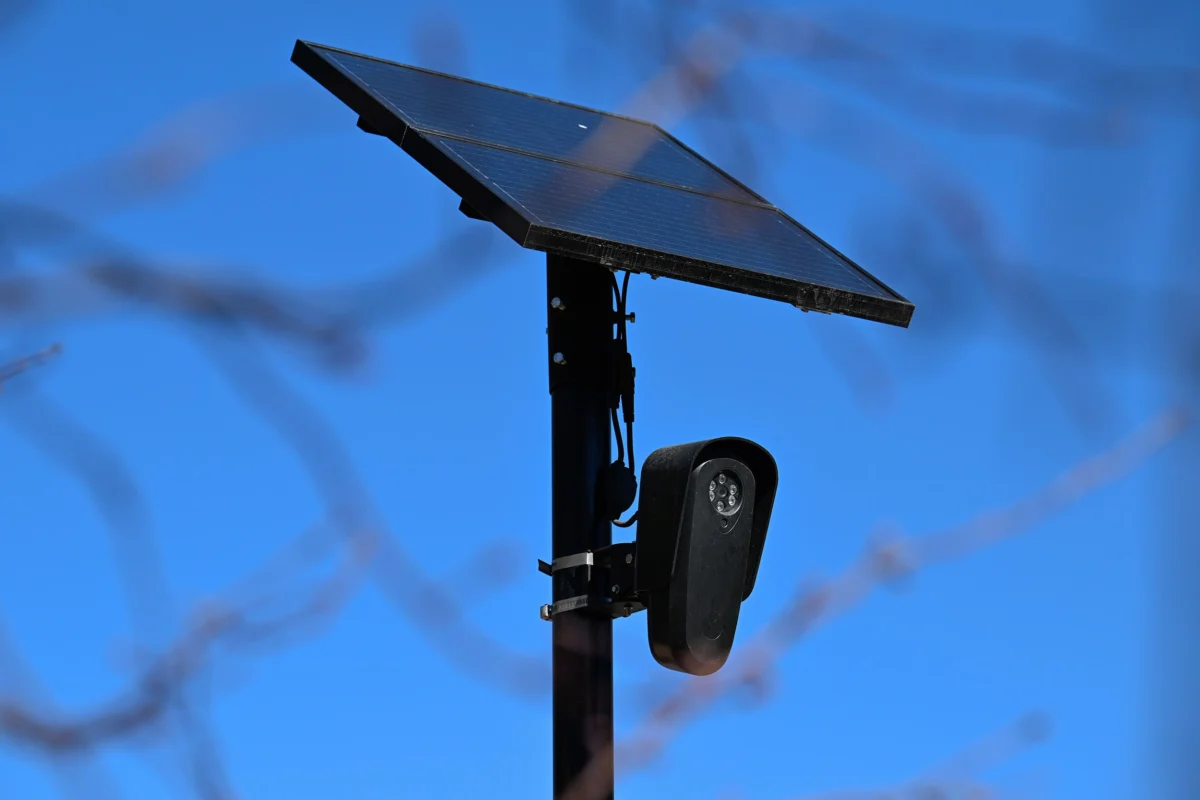
The toolkit functions as a specialized legal armory, containing motions that compel the government to disclose whether specific surveillance technologies were utilized during an investigation. These filings cover a broad spectrum of modern tools, including, but not limited to, cell-site simulators—commonly referred to as "stingrays"—that mimic cell towers to track device locations; license plate reader (LPR) networks like Flock Safety; and gunshot detection systems such as ShotSpotter. Furthermore, the motions address the emergence of AI-generated police reports, forensic software capable of siphoning data from vehicle infotainment systems, and the acquisition of location data from commercial third-party brokers.
Central to these efforts is the foundational principle of Brady v. Maryland (1963), the landmark Supreme Court ruling that mandates prosecutors disclose all exculpatory evidence to the defense. The ACLU argues that when the government uses surveillance tools to identify or track a suspect, that information is material to the case. By withholding the methodology behind a suspect’s identification, law enforcement effectively strips the defense of the ability to challenge the reliability, accuracy, and constitutionality of the evidence.
A Chronology of Surveillance and Secrecy
The development of this toolkit arrives after decades of "surveillance creep," characterized by the rapid adoption of technology followed by years, or even decades, of judicial silence. The timeline of digital privacy in the United States highlights a stark disparity:
- 1990s: Widespread consumer adoption of mobile phones begins, creating a massive trail of digital location data.
- 2007–2015: Baltimore Police utilize cell-site simulators over 4,300 times, often under strict FBI-mandated non-disclosure agreements that effectively prohibited the revelation of the technology’s use in court.
- 2014: The Massachusetts Supreme Judicial Court (SJC) becomes a pioneer in digital privacy, ruling that police must obtain a warrant to track cell phone location records, years ahead of federal mandates.
- 2018: The U.S. Supreme Court finally issues its ruling in Carpenter v. United States, establishing that the government generally needs a warrant to access historical cell-site location information.
- 2020: FBI records reveal that the agency’s restrictive non-disclosure agreements regarding surveillance tech were still in active use, maintaining a "secrecy-first" protocol for years after legal questions were raised.
- 2025: California enacts legislation requiring the preservation of original AI-generated police report drafts, marking a legislative pushback against the "disposable" nature of algorithmic evidence.
This historical context demonstrates that when police utilize proprietary technology, they often operate in a regulatory vacuum. When a defendant is never informed of the technology used to track them, the constitutional right to confront one’s accuser is effectively rendered moot.
Data Preservation and the "Vanishing Evidence" Problem
One of the most insidious challenges identified by the ACLU is the self-deleting nature of modern surveillance data. Many vendors, such as Flock Safety and Axon, have designed their systems to minimize data retention. While privacy advocates typically favor shorter retention periods to prevent the creation of "dragnet" databases, the problem arises when the state intentionally creates a system where evidence—even potentially exculpatory evidence—is destroyed before a defense attorney is even appointed.
The ACLU’s preservation motions are specifically designed to halt this automated destruction. By serving these motions to both government agencies and private vendors, defense attorneys can create a legal hold on data that might otherwise be purged after 30 days. This is particularly critical in cases involving AI tools like Axon’s "Draft One," where the initial, unedited version of a police report is discarded. Because these reports are authored by machines, the "first draft" is essentially the original record of the event. Deleting it effectively hides the algorithmic process and prevents the defense from auditing the AI’s performance or identifying potential hallucinations in the reporting.
Judicial Precedent and the Massachusetts Model
The ACLU of Massachusetts has centered its toolkit on the state’s specific legal landscape, which has proven exceptionally robust in protecting defendant rights. In 2024, the Massachusetts SJC set a national precedent by dismissing drug and firearm charges against a defendant after police failed to disclose the use of fake social media profiles to surveil him. The court’s willingness to enforce discovery rules by barring the refiling of charges serves as a warning to law enforcement that secrecy carries significant legal consequences.
Furthermore, the SJC’s recent ruling allowing defendants to challenge the scientific validity of ShotSpotter—forcing prosecutors to prove the technology’s efficacy in court—signals a shift toward rigorous judicial scrutiny of "black box" algorithms. These rulings provide a blueprint for how attorneys in other jurisdictions might leverage local laws to achieve similar protections.
Broader Implications for the Legal System
The recent Supreme Court ruling regarding "geofence warrants" adds a layer of federal urgency to the ACLU’s initiative. In a 6-3 decision, the Court acknowledged that digital dragnet operations—where police demand data on every phone in a specific area—constitute a search under the Fourth Amendment. However, the ruling left the exact parameters of a "valid" geofence warrant to lower courts. The ACLU’s toolkit provides a strategic template for attorneys to navigate these unsettled waters, ensuring that if such a warrant was used, the defense is prepared to challenge its scope and legality.
Jennifer Herrmann, a staff attorney at the ACLU of Massachusetts and co-author of the toolkit, emphasizes that this is not merely a theoretical exercise. "The motions give attorneys a way to challenge what has already happened in the past," Herrmann notes. By building a record of technological surveillance in trial courts, attorneys can force appellate courts to address the constitutional issues inherent in these tools, eventually leading to more consistent and protective legal standards nationwide.
Analysis of the Surveillance Ecosystem
The implications of this toolkit extend beyond the courtroom. By forcing disclosure, the ACLU is effectively shining a light on the business models of private surveillance vendors. Companies that provide gunshot detection, facial recognition, and license plate tracking often rely on the opacity of their contracts to avoid public and judicial scrutiny. If defense attorneys across the country begin systematically demanding the production of records related to these vendors, it may fundamentally change how police departments procure and utilize such technologies.
However, challenges remain. The reliance on password-protected access for the toolkit ensures that the strategies remain within the hands of legal professionals who can properly navigate the ethical requirements of disclosure. There is also the reality of the "technological lag"—the time it takes for a case to work its way through the appeals process, during which time police may continue to deploy updated versions of surveillance tools.
Ultimately, the ACLU’s initiative is an effort to rebalance the scales of justice in an era of high-tech policing. By turning the procedural burden back onto the state, the organization aims to ensure that the Constitution remains a relevant and potent barrier against government overreach, even when that overreach is masked by the complexity of algorithms and the anonymity of digital tracking. As defense attorneys begin to implement these motions in real-world scenarios, the legal community will be watching to see if this "first-of-its-kind" toolkit can successfully transform the standard of evidence discovery in the 21st century.

Related Posts

The Las Vegas Cybersecurity Summit and the Escalating Threat of Autonomous Digital Exploitation

New York City Council members and privacy advocates launch legislative campaign to ban biometric facial recognition at public entertainment venues