The Philippines Faces a Climate Crisis as Record-Breaking El Niño Threatens Food Security and Disaster Recovery
The Philippines is currently navigating an unprecedented "extreme weather trap" as meteorological forecasts indicate that a powerful El Niño cycle will dominate the region through the remainder of the year and well into 2027. According to Suresanathan Murugesu, the country director of Action Against Hunger in the Philippines, the looming weather patterns do not merely signal a period of prolonged drought; they also heighten the risk of erratic, torrential rainfall and devastating flash floods. This dual-threat scenario arrives at a moment of profound vulnerability for the archipelago, as millions of citizens continue to grapple with the aftermath of a series of natural disasters that have depleted local resources and weakened national infrastructure.
The timing of this climatic shift is particularly precarious. The Philippine government and international humanitarian organizations are still in the midst of recovery efforts following Typhoon Tino, which ravaged coastal communities last year. These challenges are further compounded by significant seismic activity, including a major earthquake in Cebu in September 2025 and a massive 7.8-magnitude earthquake that struck Mindanao only last month. The convergence of these geological and atmospheric events has created a humanitarian landscape defined by "compounded risk," where the impact of each new disaster is magnified by the unresolved damage of the last.
A Meteorological Paradox: The Dual Nature of El Niño in Southeast Asia
While El Niño is traditionally associated with the warming of sea surface temperatures in the central and eastern Pacific Ocean—typically leading to drier conditions in Southeast Asia—the phenomenon’s impact on the Philippines is far from uniform. In this region, El Niño often manifests as a paradox. While the primary concern is the "dry spell" or drought that can last for months, the phenomenon also disrupts traditional monsoon patterns, leading to intense bursts of precipitation. These "extreme rain events" occur because the warmer atmosphere can hold more moisture, which, when released, results in flooding that the parched, hardened earth cannot absorb.
The United Nations has issued global warnings regarding the current cycle, suggesting it could be the most intense El Niño observed in decades. For the Philippines, the peak of this cycle is expected toward the end of the current calendar year. However, the preliminary effects are already being felt across the agricultural sector. Estimates suggest that the weather phenomenon has already caused agricultural losses nearing €30 million (£25.9 million), a figure that is expected to rise sharply as the drought intensifies in the coming months.
Chronology of Compounding Disasters
To understand the severity of the current crisis, it is essential to examine the timeline of events that have brought the Philippines to this juncture. The country’s resilience has been tested by a relentless sequence of events over the past 24 months:
- Late 2024 – Typhoon Tino: A high-intensity tropical cyclone made landfall, causing widespread destruction of housing and critical infrastructure in the northern and central provinces. Recovery from Tino was still in its early stages when the seismic events began.
- September 2025 – Cebu Earthquake: A powerful earthquake struck the Visayas region, centered near Cebu. The quake damaged historical sites, disrupted tourism—a vital economic pillar—and displaced thousands of families who are still living in temporary shelters.
- Recent Month – 7.8-Magnitude Mindanao Earthquake: One of the strongest quakes in recent Philippine history struck the southern island of Mindanao. The seismic event leveled schools, hospitals, and homes, creating an immediate need for emergency food and water supplies.
- Current Period – El Niño Onset: As the country began mobilizing long-term reconstruction funds for Mindanao, the Department of Agriculture reported the first signs of El Niño-induced crop failures, signaling the start of a multi-year climatic struggle.
The Socio-Economic Toll on Agriculture and Livelihoods
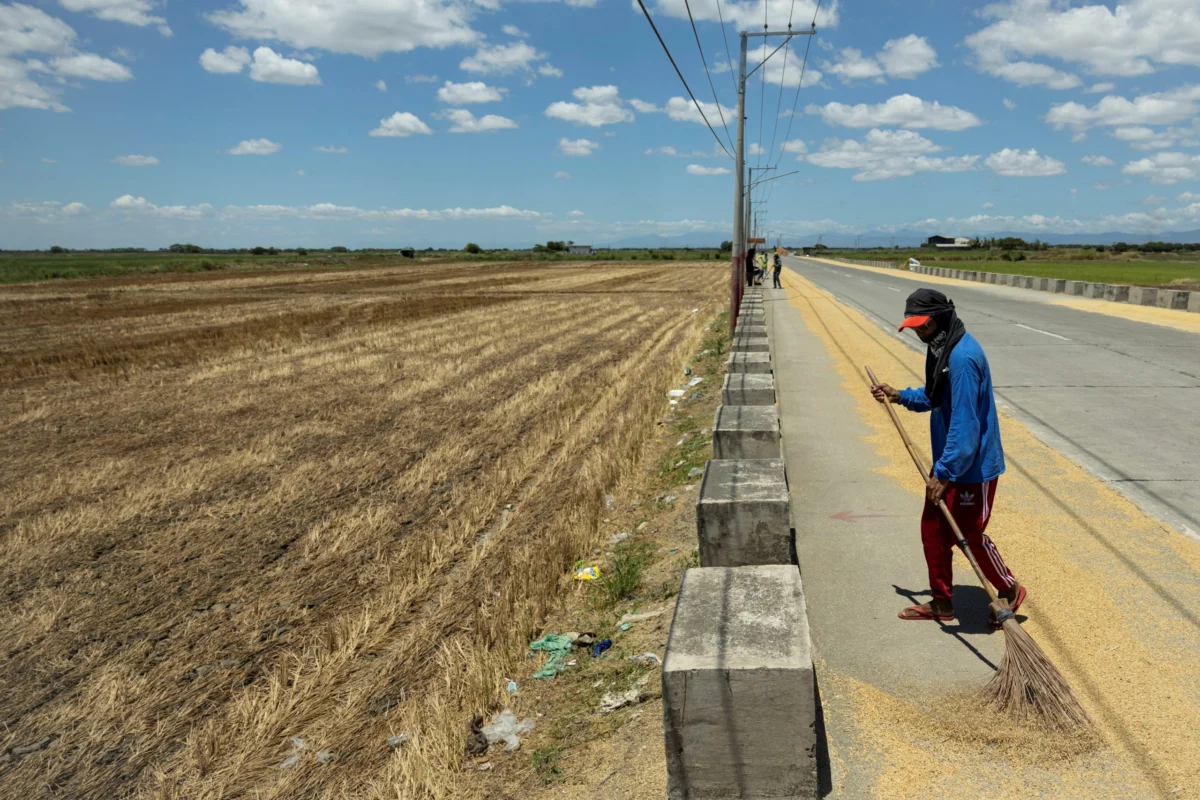
The most immediate and visible victim of the El Niño phenomenon is the Philippine agricultural sector. Approximately 4 million farmers are currently at risk of losing their primary source of income. Rice and corn, the nation’s staple crops, are highly sensitive to changes in water availability. In provinces where irrigation systems are already aging or damaged by recent earthquakes, the lack of rainfall is catastrophic.
The €30 million in losses recorded to date represents only the "early harvest" impact. Economists warn of a ripple effect through the national economy:
- Food Inflation: As domestic production of rice falls, prices in local markets are expected to surge, disproportionately affecting low-income urban families.
- Debt Cycles: Many small-scale farmers rely on credit to purchase seeds and fertilizer. A failed harvest means they cannot repay these loans, leading to a cycle of poverty that can last generations.
- Urban Migration: The loss of rural livelihoods often forces families to migrate to overcrowded metropolitan areas like Manila and Davao, putting additional strain on urban social services.
Suresanathan Murugesu emphasized that the impact on food security is not just a matter of availability, but of accessibility. "When livelihoods are destroyed by drought, families lose the purchasing power to buy the food that is available in the market," he noted in a recent assessment.
Institutional Responses and Humanitarian Intervention
In response to the escalating crisis, the Philippine government, through the Department of Agriculture (DA) and the Department of Social Welfare and Development (DSWD), has activated emergency protocols. These include the distribution of drought-resistant seed varieties and the implementation of "cash-for-work" programs aimed at repairing irrigation canals and community infrastructure.
International organizations, led by Action Against Hunger and the United Nations, are focusing on "anticipatory action." This strategy involves providing aid and resources to vulnerable communities before the peak of the disaster hits, rather than waiting for a formal declaration of famine or emergency. Key components of the current humanitarian response include:
- Water, Sanitation, and Hygiene (WASH): Ensuring that communities have access to clean drinking water as traditional wells run dry.
- Nutritional Monitoring: Implementing community-based programs to screen children for malnutrition, which typically spikes during El Niño years.
- Technical Support: Training farmers in "climate-smart" agricultural techniques to maximize yield under water-stressed conditions.
However, humanitarian leaders warn that funding remains a significant hurdle. With global attention split between various international conflicts and climate disasters, the "silent crisis" of the Philippine El Niño risks being underfunded.
Analysis of Long-Term Implications and Climate Resilience
The current situation in the Philippines serves as a stark case study for the "new normal" of climate change in the Pacific. The transition from 2025 into 2027 is expected to be a period of intense atmospheric instability. The fact that El Niño is now occurring alongside increased seismic activity creates a unique set of challenges for disaster risk reduction and management (DRRM) professionals.
From a policy perspective, the "weather trap" highlights the need for a fundamental shift in how the Philippines approaches infrastructure. Conventional building codes and drainage systems are often designed for historical averages, but the current volatility suggests that "historical averages" are no longer a reliable metric. Future investments must prioritize:
- Decentralized Water Storage: Moving away from a reliance on large dams toward community-level rainwater harvesting and localized reservoirs.
- Seismic-Resilient Agriculture: Developing agricultural infrastructure that can withstand both the tremors of a 7.8-magnitude quake and the stressors of a multi-year drought.
- Enhanced Forecasting: Utilizing satellite data and AI-driven modeling to provide farmers with hyper-local weather predictions, allowing them to adjust planting schedules in real-time.
Conclusion: A Call for Global Solidarity
As the Philippines braces for the strongest El Niño in decades, the international community faces a critical window for intervention. The data suggests that the costs of inaction—measured in both economic loss and human suffering—will far outweigh the investment required for proactive mitigation.
For the 4 million farmers standing on the front lines of this climatic shift, the forecast for 2027 is not just a scientific data point; it is a direct threat to their survival. The "extreme weather trap" is a complex challenge that requires more than just emergency aid; it requires a sustained, multi-year commitment to rebuilding the Philippines’ resilience in an era of unprecedented environmental volatility. The coming months will determine whether the nation can break the cycle of disaster and recovery or if the weight of compounding crises will lead to a protracted humanitarian emergency.

Related Posts
Constitutional Court of South Africa Bars Shell Oil Exploration in Landmark Victory for Environmental and Community Rights

The Battle for Saldanha Bay: South Africa’s Ambitious Ocean Economy Strategy Faces Legal and Environmental Reckoning