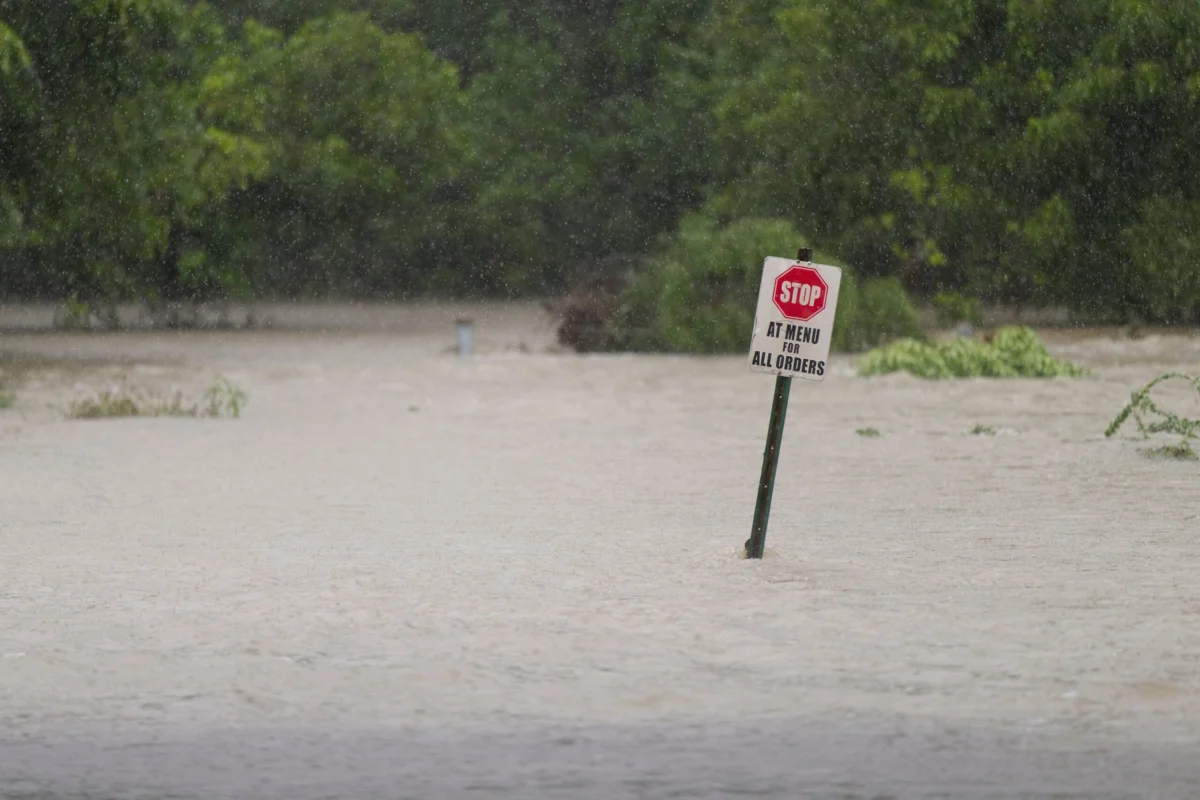
Two Young Men Rescued a Raccoon Amidst Texas Flooding, While the State Grapples with Fatalities and Extensive Rescues
Amidst the relentless downpours that have submerged vast areas of Texas, an unexpected act of compassion unfolded on Lady Bird Lake in Austin. Two young men, Tucker and Owen, found themselves not only navigating the swollen waters on their paddleboards but also becoming unlikely heroes when they rescued a distressed raccoon. What initially appeared to be a dog struggling against the powerful currents turned out to be a small mammal fighting for its life, a poignant counterpoint to the grim reality of widespread flooding across the Lone Star State. The incident, captured on video and quickly circulating online, offers a glimpse of human-animal interaction in a moment of crisis, even as official reports detail significant loss of life and extensive rescue operations.
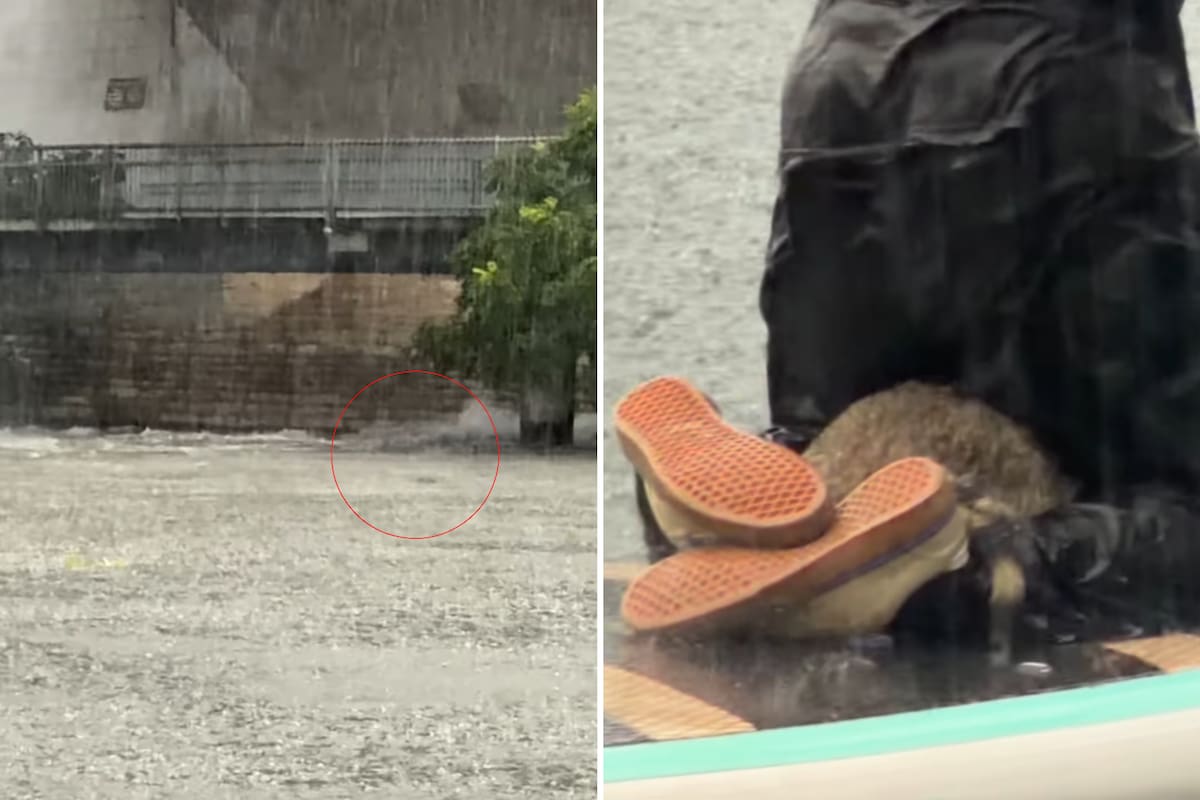
The story of the raccoon’s rescue gained traction through local news outlets, including KXAN, which reported on the event. Tucker and Owen, who were reportedly out on the lake to fish and record content, a regular pastime for them, were paddling near the South Congress bridge when they spotted the animal being swept from a tunnel. Their initial assumption was that a dog had been caught in the floodwaters, a common concern during such severe weather events. However, as they maneuvered closer, their use of camera zoom revealed the true identity of the creature: a raccoon desperately battling the churning water. The visual evidence confirmed that the animal was being carried downstream with alarming speed, its struggle for survival evident.
The Dramatic Rescue: A Paddleboard Save
The gravity of the situation became immediately apparent to the two friends. Recognizing the imminent danger to the raccoon, they altered their course to intercept it. The current was so forceful that the animal was beginning to submerge, prompting Tucker to act decisively. Using his paddleboard’s paddle, he skillfully maneuvered to lift the struggling raccoon out of the water and onto the board. The video footage vividly depicts the raccoon finding a temporary refuge beneath Tucker’s legs as they made their way back to the shore. Remarkably, the animal remained still and seemingly compliant throughout the perilous journey, a testament perhaps to its exhaustion and the perceived safety offered by its rescuers.
Tucker later shared his experience with KXAN, describing the profound impact of the moment. "It felt safe underneath me," he recounted. "I can’t explain what that made me feel. Afterward, we took it to the shore, and it ran off without looking back, without biting or making any sound." This brief but intense encounter highlighted a moment of unexpected connection and empathy amidst a larger disaster. The raccoon’s silent departure, after its ordeal, underscored the wild nature of the creature and its instinct to return to its natural environment once safe.
Broader Impact: Texas Hill Country Under Siege by Floods
While the heartwarming tale of the raccoon rescue captured public attention, it served as a stark reminder of the severe and life-threatening conditions gripping much of Texas. The Texas Hill Country, in particular, has been at the epicenter of a devastating flash flood emergency. As reported by ABC News, the relentless rainfall has led to tragic consequences, with at least two confirmed fatalities. Governor Greg Abbott officially confirmed the deaths, identifying the victims as a woman and a man. The man, tragically, was swept away while inside a mobile home, underscoring the vulnerability of those in less secure housing during such extreme weather.
The scale of the emergency is further emphasized by the extensive rescue efforts underway. Governor Abbott reported that over 230 individuals had been rescued, with approximately 2,350 emergency personnel actively engaged in ongoing operations. The threat of flash floods persisted for three consecutive days in the Texas Hill Country region, a period during which rivers and creeks swelled to dangerous levels with unprecedented speed. This prolonged period of extreme rainfall and flooding has overwhelmed local infrastructure and emergency services, stretching their capacity to the limit.
Timeline of the Crisis and Affected Areas
The severe weather system that triggered these devastating floods began its impact earlier in the week, with initial reports of heavy rainfall and rising water levels emerging on Monday. By Tuesday and Wednesday, the situation had escalated dramatically, leading to widespread evacuations and emergency declarations. The Texas Division of Emergency Management has been coordinating response efforts, working closely with local authorities in affected counties.
Key areas that have experienced significant flooding and have been the focus of rescue operations include:
- San Marcos: This city has been particularly hard-hit, with reports of homes inundated and streets impassable. The San Marcos River crested at record levels, exacerbating the damage.
- Wimberley: Known for its picturesque setting, Wimberley has also suffered extensive damage, with residents forced to evacuate as floodwaters rose rapidly.
- Buda and Kyle: These communities south of Austin have also reported significant flooding, with emergency services working to reach stranded residents.
- Fredericksburg: Located further west in the Hill Country, Fredericksburg has experienced severe flash flooding, impacting roadways and properties.
The chronological progression of the rainfall and subsequent flooding highlights the rapid onset and severity of this weather event. What began as heavy showers quickly transformed into a life-threatening situation, demonstrating the volatile nature of the region’s weather patterns during storm season.
Official Responses and Preparedness
Governor Greg Abbott has been actively involved in managing the state’s response to the crisis. His office has been instrumental in mobilizing state resources, including the National Guard and emergency management agencies, to assist local authorities. The governor’s public statements have focused on conveying the seriousness of the situation, urging residents to heed evacuation orders and remain vigilant. The activation of state resources signifies the severity of the disaster, moving beyond local capacity to require broader governmental intervention.
The National Weather Service (NWS) has played a critical role in issuing warnings and providing crucial meteorological data. The agency has emphasized the erratic nature of the storm system, which has brought exceptionally heavy rainfall to specific areas. The NWS’s advisories have been instrumental in guiding emergency response and informing the public about ongoing risks. Their role extends beyond simple forecasting; it involves providing actionable intelligence to save lives and mitigate damage.
Analysis of the Weather Phenomenon
The atmospheric system responsible for the widespread flooding is described by the National Weather Service as a slow-moving low-pressure system. This type of system is known for its ability to sustain and concentrate rainfall over extended periods, leading to saturated ground and overwhelmed drainage systems. The NWS has indicated that this system, currently located near Texas Big Bend, is expected to gradually shift northwestward. This movement is anticipated to reduce the intensity of storms over the central part of the state over the weekend, offering a glimmer of hope for receding waters.
However, the danger is far from over. The NWS forecast warns that certain areas, particularly in the Texas Big Bend region, could still experience extremely heavy rainfall. This renewed precipitation could exacerbate existing flood conditions, prolonging the recovery efforts and potentially leading to further damage. The persistence of such intense rainfall events in a region already saturated underscores the challenges of managing natural disasters and the need for robust long-term preparedness strategies.
The implications of such extreme weather events extend beyond immediate rescue and recovery. The economic impact on affected communities can be substantial, with damage to infrastructure, homes, and businesses. Furthermore, these events raise important questions about climate change and its potential role in increasing the frequency and intensity of extreme weather phenomena. While direct attribution of any single event to climate change is complex, the growing pattern of severe weather globally suggests a need for continued research and adaptation measures.
The story of the rescued raccoon, while a small human-interest piece, serves as a potent reminder of the interconnectedness of life, even in the face of overwhelming natural forces. It highlights the capacity for empathy and action that can emerge during times of crisis. Simultaneously, the broader narrative of loss, rescue, and ongoing threat in Texas underscores the formidable challenges posed by extreme weather and the critical importance of preparedness, resilience, and swift, coordinated response. As the waters eventually recede, the long road to recovery for the communities impacted by these devastating floods will undoubtedly begin, marked by the resilience of its people and the lessons learned from this challenging period. The state continues to monitor the situation closely, with emergency services remaining on high alert as the atmospheric conditions slowly begin to shift. The experience has undoubtedly reinforced the importance of early warning systems and the vital role of community preparedness in mitigating the impact of such catastrophic weather events.

Related Posts

The Electric Vehicle Battery Health Debate Emerges as Argentina’s EV Market Accelerates

President Donald Trump Confirms Secret Departure from Turkey Amidst Assassination Threat