CIA Director John Ratcliffe Reports Twenty Minute Life Expectancy for Russian Recruits as AI Drones Reshape Ukrainian Battlefield
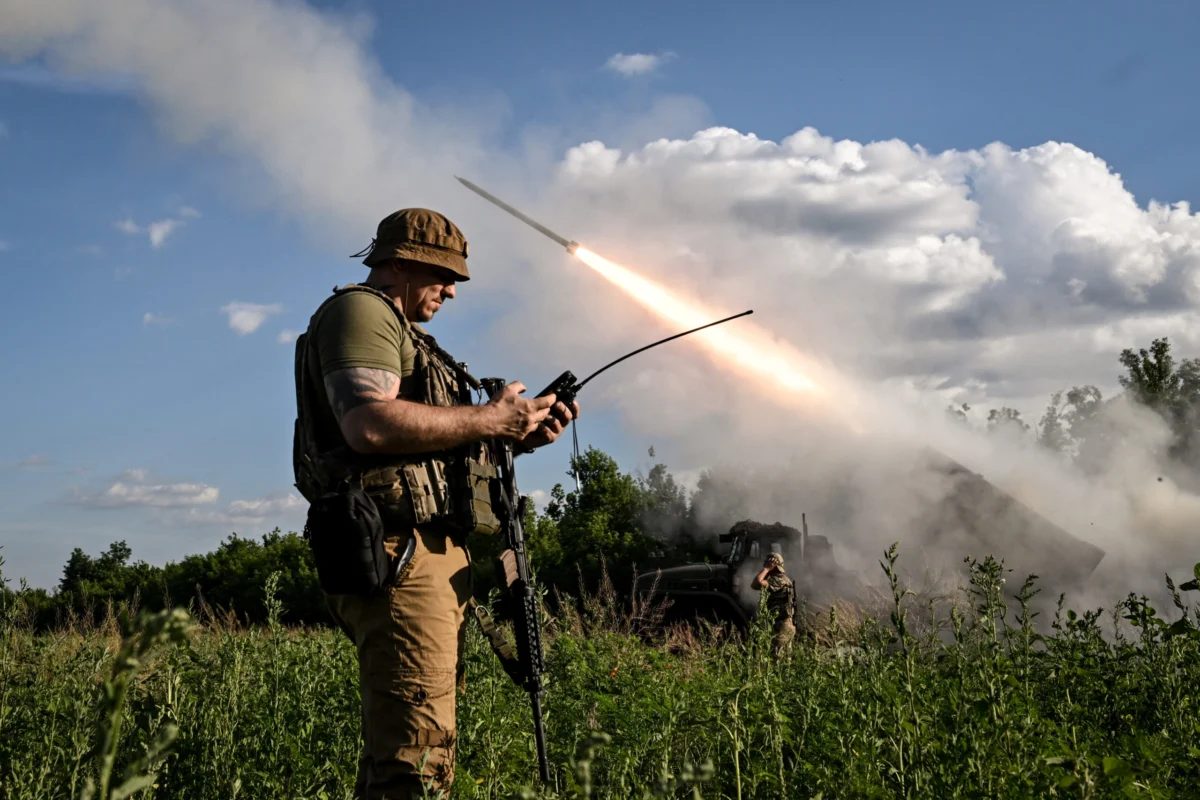
In a stark assessment that underscores the brutal evolution of modern attrition, Central Intelligence Agency (CIA) Director John Ratcliffe confirmed on Wednesday that Russian recruits arriving at the Ukrainian front lines are surviving an average of only 20 to 30 minutes before being killed or wounded. This statement, delivered during the Defense and Innovation Summit in Pennsylvania, marks the first time a high-ranking American intelligence official has provided such specific and harrowing metrics regarding the mortality rates facing Moscow’s forces. The assessment highlights a catastrophic shift in the nature of the conflict, driven primarily by the proliferation of artificial intelligence-integrated weaponry and autonomous systems that have effectively neutralized Russia’s traditional advantages in manpower and heavy armor.
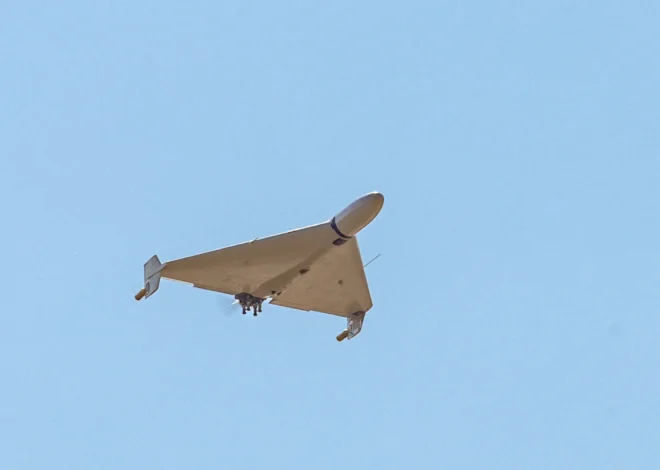
Director Ratcliffe’s remarks align with a growing body of evidence from both intelligence circles and open-source battlefield reporting, suggesting that the war has entered a phase where human waves are being met with near-instantaneous technological responses. According to Ratcliffe, the primary driver behind this precipitous drop in survival rates is the emergence of AI-powered drones, which he described as "specialized, low-cost killing machines." These systems, which have moved beyond simple remote-controlled operation to include autonomous terminal guidance and swarm capabilities, have transformed the contact line into a "dead zone" for unarmored or poorly supported infantry.
The Technological Equalizer: AI and Asymmetric Warfare
The current state of the conflict, as described by Ratcliffe, represents a pivotal moment in military history. For decades, military doctrine prioritized the massing of forces and the use of heavy mechanized units to achieve breakthroughs. However, the Ukrainian theater has demonstrated that an "inferior force," when equipped with superior emerging technologies, can effectively stall and deplete a much larger adversary. Ratcliffe noted that Ukraine’s mastery of drone warfare and asymmetric tactics has served as a "great equalizer," allowing Kyiv to hold off Russian advances despite being outnumbered in conventional terms.
The AI-powered drones mentioned by the CIA Director are not merely reconnaissance tools but integrated strike assets capable of identifying, tracking, and engaging targets without constant human intervention. This technology bypasses traditional electronic warfare (EW) countermeasures that previously plagued earlier drone models. By utilizing edge computing and machine vision, these "killing machines" can navigate toward targets even when communication links are severed, making them lethal in the highly contested electromagnetic environment of the Donbas and southern regions.
A Chronology of Escalation: From Invasion to Attrition
The trajectory of Russian casualties has followed a steep upward curve since the full-scale invasion began in February 2022. In the initial phases of the war, the casualty ratio between Russia and Ukraine hovered between 2-to-1 and 3-to-1—figures that, while high, were consistent with historical norms for an attacking force against a dug-in defender. However, as the war progressed into 2025 and 2026, the introduction of large-scale autonomous systems fundamentally altered the math of the battlefield.
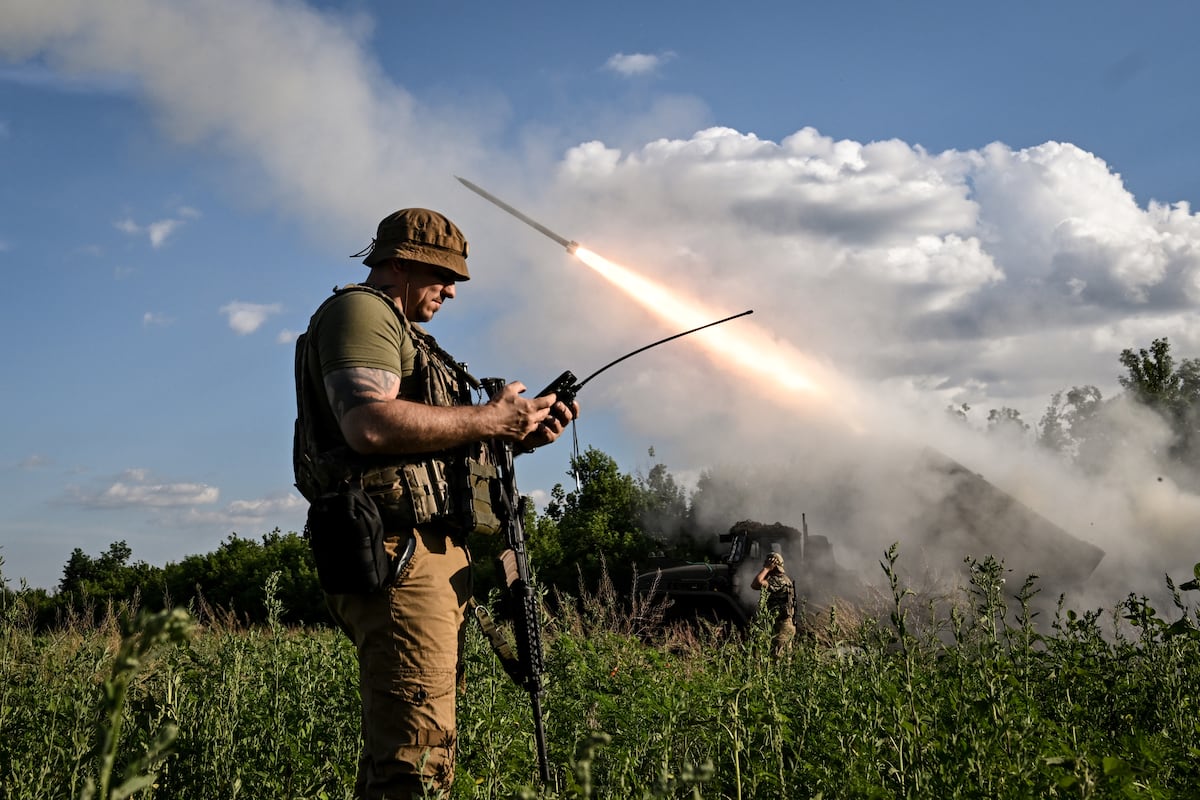
By May 2026, Ukraine’s top general, Oleksandr Syrskyi, informed NATO allies that Russian losses had reached a consistent floor of at least 1,000 soldiers per day. This surge in lethality coincided with the deployment of the "Deep Strike" drone initiatives and the integration of Western-provided AI targeting software into Ukrainian-made munitions. By the first half of 2026, data from the Center for Strategic and International Studies (CSIS) indicated that the Russia-to-Ukraine casualty ratio had ballooned to nearly 8-to-1.
The chronology of this shift is marked by several key technological milestones:
- Late 2024: The mass production of First-Person View (FPV) drones reached a scale where they became the primary tactical weapon for Ukrainian platoons.
- Early 2025: Ukraine began deploying "automated interceptors" designed to hunt Russian reconnaissance drones, blinding Moscow’s artillery.
- Mid-2025: The first successful deployments of AI-directed "drone swarms" occurred, capable of saturating Russian trench lines and eliminating entire squads in minutes.
- Early 2026: Ratcliffe’s reported "20-to-30 minute" survival window becomes the standard for new Russian arrivals in high-intensity sectors like Bakhmut and Avdiivka.
Statistical Analysis of the Human Toll
The data provided by CSIS and echoed by intelligence officials paints a grim picture of the total human cost of the invasion. Since February 2022, it is estimated that more than 2 million soldiers on both sides have been killed or wounded. Of that total, Russia bears a disproportionate 1.4 million casualties. This figure includes as many as 450,000 confirmed deaths, a toll that exceeds the battlefield fatalities suffered by any major global power in a single conflict since the end of World War II.
This level of loss has forced the Kremlin into a cycle of "meat wave" tactics, where poorly trained recruits are sent into the meat grinder to identify Ukrainian firing positions through their own deaths. The 20-to-30 minute survival estimate provided by Ratcliffe suggests that many of these recruits are being eliminated before they can even complete their first tactical maneuver upon reaching the zero line. The psychological impact on the Russian domestic front, though suppressed by state media, is evidenced by the appearance of improvised memorials for fallen fighters in central Moscow and other major cities.
Official Responses and the Global Defense Market
The confirmation of these figures has spurred a flurry of diplomatic and economic activity among Ukraine’s partners. Director Ratcliffe emphasized that the United States must take these lessons seriously to maintain its position in the global marketplace. "The pace of their advance has stopped as Ukraine’s mastery of emerging technologies… is such a great equalizer," Ratcliffe said. He warned that if the U.S. does not lead in the development of these autonomous systems, it risks falling behind in a rapidly changing security environment.
In response to the success of Ukrainian technology, Washington and its European allies are racing to formalize long-term defense partnerships. Just one day prior to Ratcliffe’s speech, the European Union and Ukraine signed a landmark drone-production agreement in Kyiv valued at over $6 billion. This deal is designed to scale up the manufacturing of the very AI-powered systems that have caused the spike in Russian mortality rates.
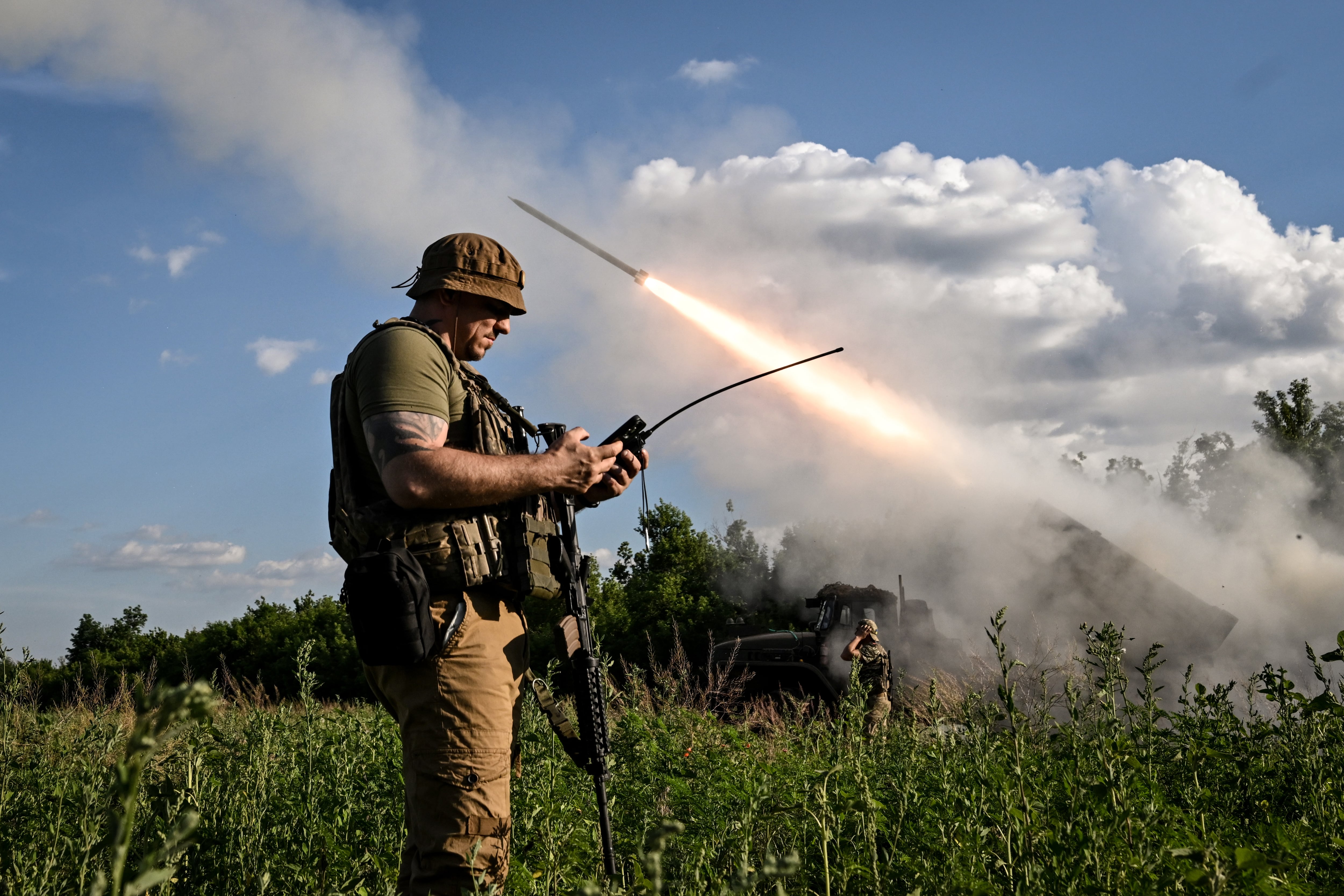
Furthermore, Ukrainian President Volodymyr Zelenskyy recently confirmed that progress is being made on a multi-billion dollar defense package with the United States. These deals are increasingly focused not just on traditional hardware like tanks and jets, but on the software, data links, and autonomous platforms that have proven to be the decisive factor on the modern battlefield.
Strategic Implications and the Future of Warfare
The revelation that a major world power’s infantry can be rendered effectively obsolete in less than half an hour of combat has profound implications for global security. Military analysts are now forced to reckon with the reality that mass mobilization may no longer be a viable strategy against a technologically superior opponent. The "20-minute survival" metric serves as a warning to other nations that rely on sheer numbers to project power.
For the United States, the focus has shifted toward the "mastery of emerging technologies" as the primary metric of military strength. Ratcliffe’s remarks suggest that the Department of Defense is looking at the Ukrainian theater as a laboratory for the future of conflict. The lessons learned—ranging from the importance of decentralized drone manufacturing to the necessity of AI-resistant communication networks—are expected to reshape U.S. procurement and training for decades to come.
As the war continues into its fifth year, the sustainability of Russia’s strategy remains in question. While Moscow has shown a historical tolerance for high casualties, the current rate of loss is unprecedented in the modern era. With the casualty ratio reaching 8-to-1 and survival times measured in minutes, the pressure on the Russian military hierarchy to find a technological or tactical countermeasure is immense. However, with Ukraine’s defense industry now backed by billions in Western investment and real-world combat data, the "technological equalizer" appears to have created a stalemate that Moscow cannot break through conventional means.
The conflict in Ukraine has transitioned from a war of territorial gain to a war of technological attrition. As Director Ratcliffe concluded, the ability to lead in these innovations is no longer just an advantage—it is a requirement for survival in the global marketplace of the 21st century. The 20-minute lifespan of a recruit on the front lines is a haunting testament to that new reality.

Related Posts
Pentagon Forges Landmark Seven-Year Agreements with Boeing and RTX to Accelerate Standard Missile-3 Production and Stabilize Defense Supply Chains
Boeing Unveils Ultra Low-Cost Seeker to Enhance Missile Inventory and Combat Cost Challenges in Modern Warfare