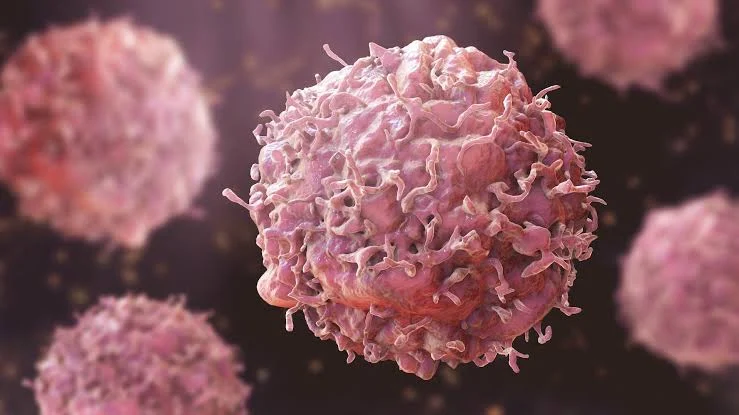
Kano Cancer Treatment Centre CEO Urges Vigilance Against Sarcoma as Rare Cancer Awareness Month Commences
The Chief Executive Officer of the Kano Cancer Treatment Centre, Dr. Nafisa Abdu, has issued a formal call to action for Nigerians to remain vigilant regarding persistent physical abnormalities, warning that early intervention is the only definitive pathway to mitigating the lethal progression of sarcoma. In a statement released this Thursday to commemorate Sarcoma Awareness Month, Dr. Abdu highlighted the critical need for public education regarding a disease often categorized as one of the world’s “forgotten cancers” due to its rarity and the diagnostic challenges it presents.
Defining the Threat: What is Sarcoma?
Sarcoma represents a complex and diverse group of rare cancers that originate in the body’s mesenchymal tissues. Unlike more common carcinomas—which develop in epithelial cells like those found in the skin or lining of internal organs—sarcomas emerge from the connective tissues that support, surround, and protect organs. This includes a wide array of structural components, such as muscles, bones, fat, blood vessels, tendons, cartilage, and nerves.
Because these tissues are distributed throughout the entire body, sarcomas can manifest in virtually any location. They are broadly categorized into two main types: bone sarcomas and soft tissue sarcomas. While soft tissue sarcomas are more prevalent, particularly in adults, bone sarcomas often present unique challenges in pediatric and adolescent oncology. The insidious nature of the disease lies in its ability to mimic benign conditions, such as sports injuries, lipomas, or general inflammation, which frequently leads to significant diagnostic delays.
The Critical Warning Signs
Dr. Abdu’s advisory specifically targets the symptoms that patients and primary care providers often overlook. She emphasized that individuals should seek immediate medical evaluation at the nearest qualified healthcare facility if they notice any of the following:
- Persistent Lumps: Any palpable mass that continues to grow or does not resolve after several weeks.
- Significant Size: Any lump measuring five centimeters or larger, which is often considered a red flag by oncological standards.
- Unexplained Swelling: Particularly if it occurs in a limb or around a joint without a history of trauma.
- Prolonged Bone Pain: Chronic, localized pain in a specific bone, especially if the pain worsens at night or interferes with daily mobility.
Dr. Abdu stressed that these symptoms, while not always indicative of malignancy, require high-resolution imaging and, in many cases, a biopsy to rule out sarcomatous growth.
Contextualizing Sarcoma Awareness Month
July serves as the globally recognized Sarcoma Awareness Month, a period dedicated to shedding light on a disease that receives significantly less media attention and research funding compared to breast, prostate, or lung cancers. The "forgotten" status of sarcoma stems from its relative rarity—it accounts for approximately 1% of all adult cancer diagnoses and about 15% of pediatric cancers.
This scarcity creates a unique set of challenges. Because individual clinicians may see only a handful of sarcoma cases throughout their entire careers, the "index of suspicion"—the likelihood that a doctor will consider sarcoma as a diagnosis—is often low. This results in patients cycling through various specialists, such as orthopedists or physical therapists, before a definitive diagnosis is reached. The goal of this month is to bridge that awareness gap, ensuring that both the public and primary healthcare providers recognize the "must-not-miss" nature of these symptoms.
The Multidisciplinary Imperative
Effective treatment for sarcoma is not the domain of a single specialist. Dr. Abdu highlighted that the Kano Cancer Treatment Centre and similar global institutions employ a multidisciplinary team approach (MDT). This strategy is essential because of the anatomical complexity of the tumors and the potential for aggressive local recurrence or metastasis, particularly to the lungs.
An effective MDT for sarcoma includes:
- Surgical Oncologists: Specifically trained in limb-salvage surgery or complex resections.
- Medical Oncologists: Responsible for systemic therapies, including advanced chemotherapy protocols.
- Radiation Oncologists: Essential for pre-operative tumor shrinking or post-operative site control.
- Radiologists and Pathologists: Who specialize in identifying the rare genetic mutations associated with specific sarcoma subtypes.
- Oncology Nurses and Physiotherapists: Who ensure patient comfort and long-term functional recovery.
This collaborative model is the standard of care, as it ensures that surgery, radiation, and systemic therapy are sequenced correctly to maximize the chances of curative outcomes.
Global Trends and Local Implications
The incidence of sarcoma is not strictly tied to lifestyle factors like smoking or diet, which differentiates it from many other cancers. While some rare genetic syndromes (such as Li-Fraumeni syndrome) and exposure to certain chemicals or high-dose radiation are known risk factors, the majority of sarcoma cases are sporadic.
Data from the American Cancer Society and global cancer registries suggest that as diagnostic technology improves, the reported incidence of sarcoma is rising, not necessarily because the disease is becoming more common, but because it is being captured more accurately. In the Nigerian context, the challenge is twofold: access to specialized diagnostic equipment (such as MRI and advanced pathology labs) and the scarcity of specialized sarcoma surgeons.
Dr. Abdu’s statement underscores the importance of the Kano Cancer Treatment Centre’s role in bridging this gap. By advocating for early detection, the center aims to shift the diagnosis from late-stage discovery—where treatment options are limited and prognosis is poor—to early-stage intervention, where limb-sparing surgery and high cure rates are possible.
Implications for the Healthcare System
The call to action issued by the Kano Cancer Treatment Centre has significant implications for Nigeria’s broader healthcare strategy. If the public becomes more proactive in seeking care, the primary healthcare system must be prepared to respond. This requires:
- Capacity Building: Training primary healthcare workers to differentiate between a simple cyst and a potential sarcoma.
- Referral Pathways: Streamlining the process from a primary clinic to a tertiary oncology center like the one in Kano.
- Public Awareness Campaigns: Utilizing media, community leaders, and digital platforms to disseminate the list of warning signs provided by Dr. Abdu.
The economic and social burden of late-stage cancer treatment in Nigeria is immense. By promoting early detection, the center is not only saving lives but also reducing the long-term financial burden on families and the state, as early-stage treatment is generally more cost-effective and carries a higher probability of returning the patient to a productive life.
Conclusion: A Commitment to Specialized Care
As Sarcoma Awareness Month progresses, the message from the Kano Cancer Treatment Centre is one of cautious optimism. While the disease remains a formidable opponent, the combination of increased public awareness, high clinical suspicion by medical professionals, and the integration of multidisciplinary care teams offers a pathway to improved patient outcomes.
Dr. Abdu concluded her statement by reiterating the institution’s unwavering commitment to the fight against cancer. "No cancer should be forgotten," she stated, emphasizing that the center continues to invest in advanced diagnostic tools and patient-centered care strategies. For the people of Kano and the wider Nigerian community, this awareness drive serves as a vital reminder: the key to surviving rare cancers often lies in the willingness to acknowledge early warning signs and the courage to seek expert intervention without delay. The road to survival begins with the awareness that a persistent lump is never a condition to be ignored.