Nepal Suspends Legal Gender Recognition Progress Undermining Human Rights for Transgender Citizens
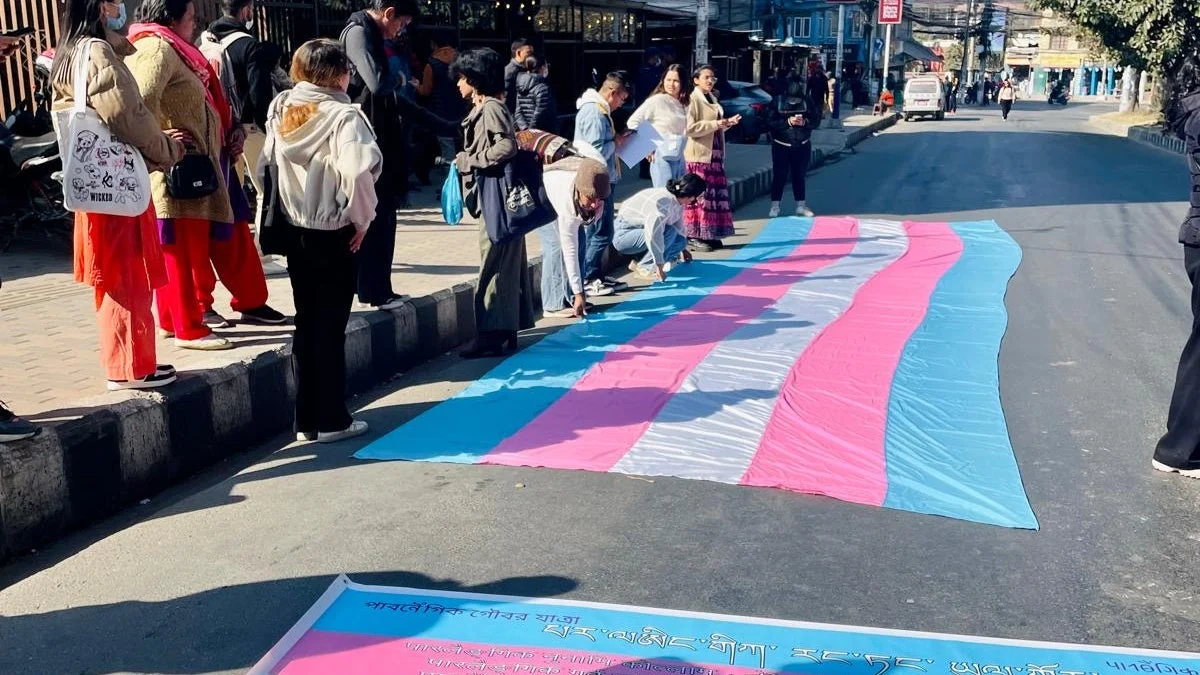
Authorities in Nepal have abruptly ceased the processing of applications for transgender individuals seeking to update their legal gender on identity documents, a move that signals a significant regression for a nation once considered a global pioneer in LGBTQ+ rights. Human Rights Watch (HRW) reported today that this suspension not only stalls years of legislative and judicial progress but also directly undermines the fundamental right to recognition before the law. By halting these administrative processes, the Ministry of Home Affairs has effectively left thousands of transgender citizens in a state of legal limbo, exposing them to heightened discrimination, economic instability, and physical risk.
The Reversal of a Landmark Legacy
For nearly two decades, Nepal was celebrated as a regional leader in the protection of sexual and gender minorities. This reputation was largely built upon a landmark 2007 Supreme Court ruling, Sunil Babu Pant and Others v. Nepal Government, which mandated that the state recognize transgender individuals based on self-identification. This ruling was revolutionary, predating similar legal shifts in many Western democracies and establishing Nepal as a touchpoint for gender identity rights worldwide.
However, the implementation of this jurisprudence has been inconsistent. While the court was clear in its intent, the national government failed to codify a standardized, rights-based administrative process. This lack of clear policy left the application process to the discretion of local bureaucrats and Chief District Officers (CDOs), resulting in a "postal code lottery" where a trans person’s rights depended entirely on the specific official they encountered. HRW’s recent investigations reveal that this bureaucratic confusion has now solidified into an official, albeit unannounced, moratorium on gender recognition.
A Chronology of Progress and Stagnation
To understand the gravity of the current suspension, it is necessary to examine the timeline of gender recognition in Nepal:
- 2007: The Supreme Court issues a directive to the government to ensure equal rights for LGBT people and to issue identity documents reflecting self-identified gender.
- 2011: Nepal becomes the first country to include a "third gender" category in its federal census.
- 2012: Authorities begin issuing citizenship certificates with a "third gender" or "O" (Other) marker, though the process remains ad hoc.
- 2015: Nepal’s new Constitution is adopted, becoming the world’s tenth to include specific protections for LGBT people. The government also begins issuing "third gender" passports.
- 2019-2023: Discussions regarding amendments to the Citizenship Act introduce the concept of "medical proof," sparking fears of medicalization.
- 2023: The Supreme Court rules in Pokhrel v. Nepal, clarifying that gender identity is not limited to the "third gender" category and that individuals have the right to be recognized as male or female.
- Early 2025: Advocacy from "anti-gender" groups intensifies, leading to administrative delays.
- Late 2025 – Early 2026: The Ministry of Home Affairs (MOHA) officially pauses all pending applications, including those backed by court orders.
The Rise of Harmful Medicalization
Despite the 2007 ruling’s emphasis on self-identification, HRW has documented a "creeping medicalization" within the Nepali civil service. In recent years, officials have increasingly demanded medical certificates as a prerequisite for changing gender markers. In many cases, these demands escalate to requiring proof of genital surgery—a procedure that is not required by Nepali law and is often inaccessible or unwanted by the applicants.
This unofficial requirement forces transgender individuals to undergo invasive, humiliating physical examinations. HRW’s 2024 report, "We Have to Beg So Many People," detailed accounts of individuals subjected to exams at facilities like Bir Hospital in Kathmandu. Such practices violate international human rights standards regarding bodily autonomy and privacy. Furthermore, the World Professional Association for Transgender Health (WPATH) has explicitly stated that medical requirements should not act as barriers to legal gender recognition, as they can cause profound psychological and physical harm.
Human Cost: Stories from the Legal Limbo
The suspension of legal recognition has immediate and devastating consequences for the daily lives of transgender Nepalis. HRW interviewed 11 individuals in December 2025, many of whom have seen their lives put on hold by the Ministry of Home Affairs.
Rashima K., a 31-year-old entrepreneur in Kathmandu, has been attempting to update her documents since 2022. Despite having a medical certificate, her application was denied by a Chief District Officer who claimed the matter required a court decision. The delay has crippled her business; because her citizenship document lists her as male, customs officials have accused her of fraud during the importation of materials. She has been forced to register her business in her brother’s name to survive. "It works because I am lucky to have a supportive sibling," she told HRW. "Not everyone has that."
Aneesh L., a trans woman raising a child, faced similar resistance despite having undergone gender-affirming surgery years ago. When she applied to update her documents in 2023, she was told the process was "paused" because the ministry was investigating claims that trans women are "biological males." Aneesh now lives in fear that her son’s school or her landlord will discover the discrepancy in her documents, leading to eviction or social ostracization.
Ratika T., 30, successfully obtained a district court ruling in June 2025 ordering the government to recognize her as female. However, the Ministry of Home Affairs has ignored the court’s mandate, citing the nationwide pause. Without updated documents, Ratika remains unemployed, as she is consistently rejected after the interview stage when she must present her male-coded identification.
The Influence of "Anti-Gender" Ideology
The current policy shift appears to be a direct response to a burgeoning "anti-gender" movement within Nepal. This movement, which echoes global trends seen in Europe and the Americas, often utilizes rhetoric that labels transgender rights as a "foreign ideology" or a threat to traditional family structures.
In early 2024, letters from non-governmental organizations to the Ministry of Home Affairs expressed concern over trans individuals being recognized as male or female, rather than just "other." These groups claimed such recognition created "confusion" among authorities. By July 2025, some media outlets began accusing trans rights activists of being "foreign agents" causing social "chaos."
Human Rights Watch warns that by entertaining these arguments, the Nepali government is disregarding its own constitutional obligations and the specialized expertise of the Yogyakarta Principles. The term "gender ideology" is often a shorthand for attacking a wide range of rights, including reproductive freedom and sex-stereotyping protections. If the government continues to prioritize these discriminatory viewpoints over established law, it risks dismantling the inclusive framework that once made Nepal a global leader.
Legal Obligations and International Standards
Nepal is a signatory to several international human rights treaties that mandate the recognition of an individual’s gender identity. The Yogyakarta Principles, which were co-authored by Nepali activist Sunil Babu Pant, clarify that self-defined gender identity is integral to personal autonomy and dignity. The principles state that while medical transition may be a part of an individual’s journey, legal recognition must be accessible regardless of medical status.
The Nepali Supreme Court has consistently upheld these principles. In the 2023 Pokhrel case, the court noted that the term "third gender" should not be a catch-all that diminishes the specific identities of trans men and women. The court recognized that as terminology evolves, the law must remain flexible enough to protect the dignity of all citizens. The current refusal of the Ministry of Home Affairs to process applications is, therefore, not only a violation of human rights but a direct defiance of the nation’s highest judicial body.
Broader Implications and Call to Action
The suspension of gender recognition has a chilling effect on the broader LGBTQ+ community in South Asia. As other nations, including India and Pakistan, have looked to Nepal as a model for legal reform, this regression could embolden similar "anti-gender" movements across the region.
Human Rights Watch has called upon the new Prime Minister, Balen Shah, to take immediate action. The Prime Minister has been urged to direct the Ministry of Home Affairs to resume the processing of all pending applications and to formalize a clear, rights-based policy that aligns with the 2007 and 2023 Supreme Court rulings.
"Trans people in Nepal are being abandoned by authorities who appear to be listening to anti-gender ideology talking points," said Alex Müller, LGBT Rights Director at Human Rights Watch. "The government should not allow disingenuous attacks to derail its obligations under international law. Recognition before the law is not a privilege to be granted or withheld at the whim of bureaucrats; it is a fundamental human right."
As the international community watches, the Nepali government faces a critical choice: it can either uphold its legacy as a champion of human rights or allow a new wave of prejudice to erase decades of hard-won progress. For citizens like Rashima, Aneesh, and Ratika, the outcome of this policy shift is not a matter of political debate—it is a matter of survival.

Related Posts

Human Rights Watch Calls for Investigation into Death of Detainee Following Removal from Najaf Hospital by Iraqi Drug Police
Human Rights Watch Urges UN Security Council to Extend Lebanon Peacekeeping Mission Amid Escalating Conflict and Humanitarian Crisis