Ukraine Deploys Air Defense Specialists to Middle East to Counter Iranian Drone Threats and Forge Strategic Security Alliances
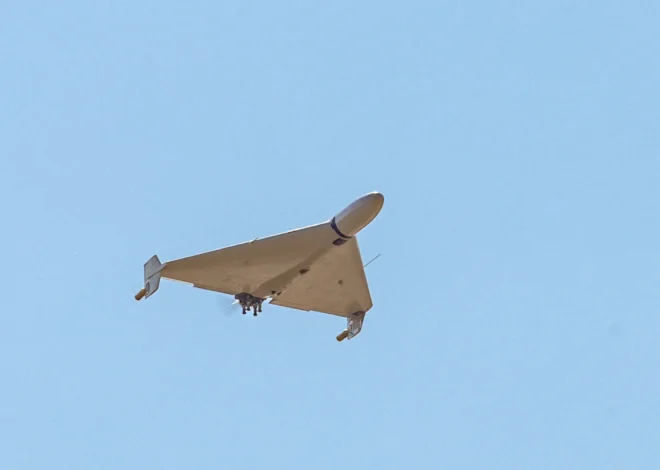
The government of Ukraine has officially confirmed the deployment of specialist air defense teams to five Middle Eastern nations, marking a significant pivot in Kyiv’s role from a recipient of international security assistance to a proactive exporter of high-tech military expertise. President Volodymyr Zelenskyy announced on Friday that 228 Ukrainian specialists have been stationed across the United Arab Emirates, Saudi Arabia, Qatar, Kuwait, and Jordan. These personnel are tasked with advising local forces on countering waves of Iranian-manufactured Shahed drones, a weapon system that has become a defining feature of modern asymmetric warfare both in Eastern Europe and the Persian Gulf.
The deployment comes at a critical juncture for the Middle East, as regional powers grapple with escalating aerial threats amid a widening conflict involving Iran. While these Gulf states possess some of the world’s most advanced Western-made air defense systems, including the U.S. Patriot and THAAD platforms, the economic and logistical burden of using multi-million dollar interceptor missiles against "kamikaze" drones costing less than $50,000 has created a strategic vulnerability. Ukraine, which has faced nearly 60,000 such drone attacks since the Russian invasion began in 2022, is now leveraging its unique operational experience to fill this tactical gap.
Strategic Objectives and the Nature of the Mission
According to President Zelenskyy, the Ukrainian teams are not participating in direct combat operations but are instead focused on technical integration, tactical training, and the implementation of cost-effective interception strategies. Speaking via a secure messaging platform to journalists, Zelenskyy emphasized that while local air defense units in the Middle East are highly capable of handling ballistic missile threats, the specific challenge of low-altitude, slow-moving loitering munitions requires a different set of skills and technologies.
"I believe no one has experience comparable to ours," Zelenskyy stated, highlighting the four years of intensive drone warfare Ukraine has endured. "We are working with the Middle East—with leaders, at the technical level, and with ministries of defense. In general, we are preparing serious arrangements and agreements."
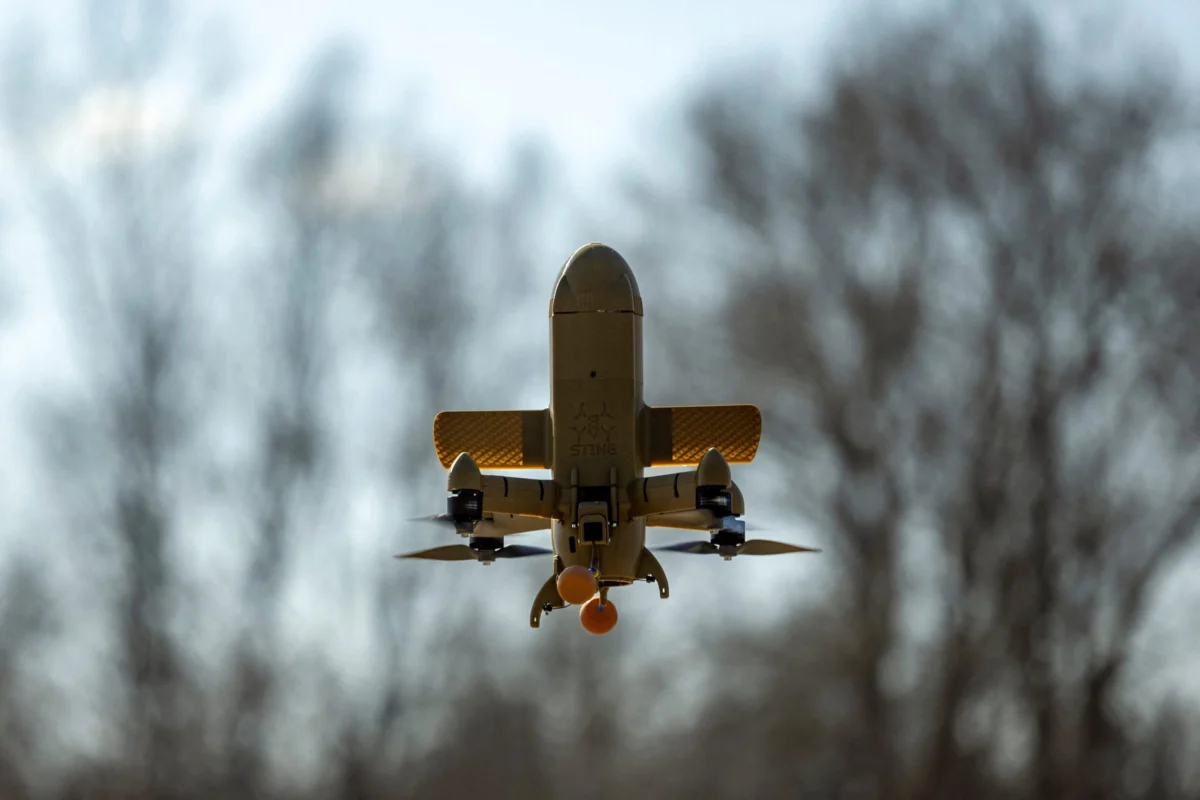
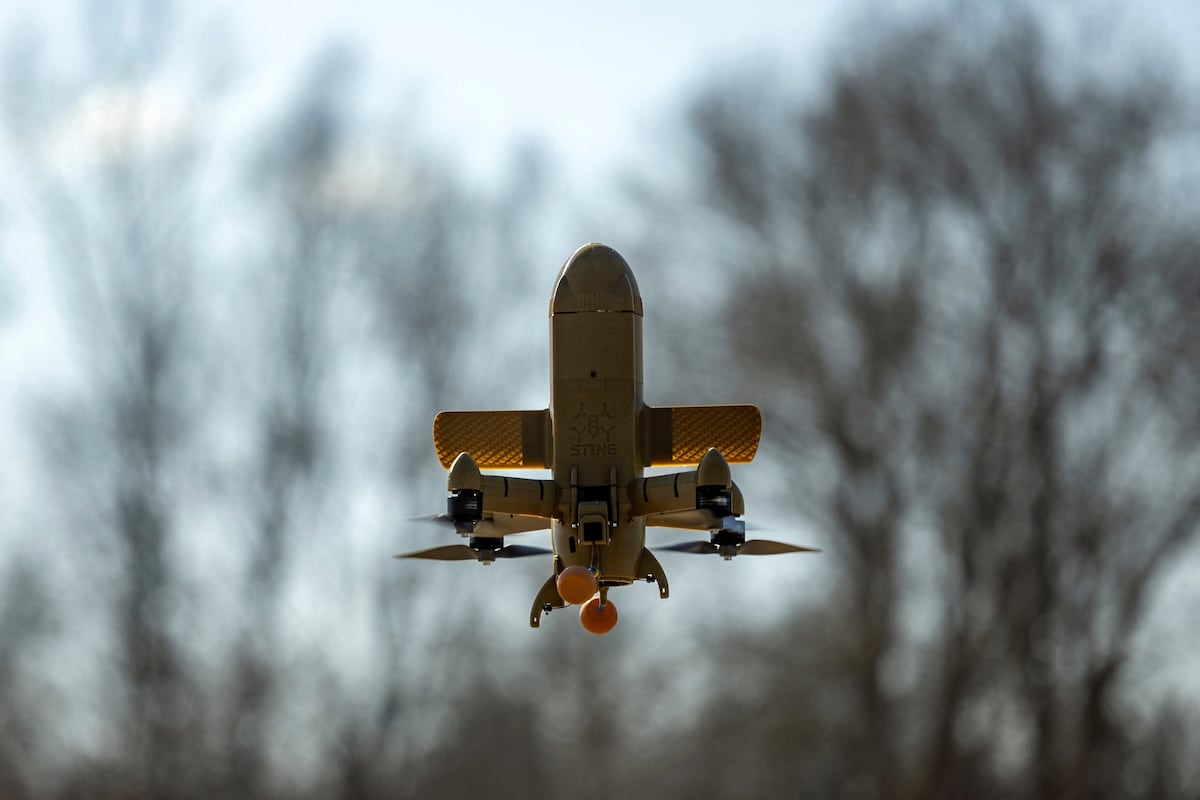
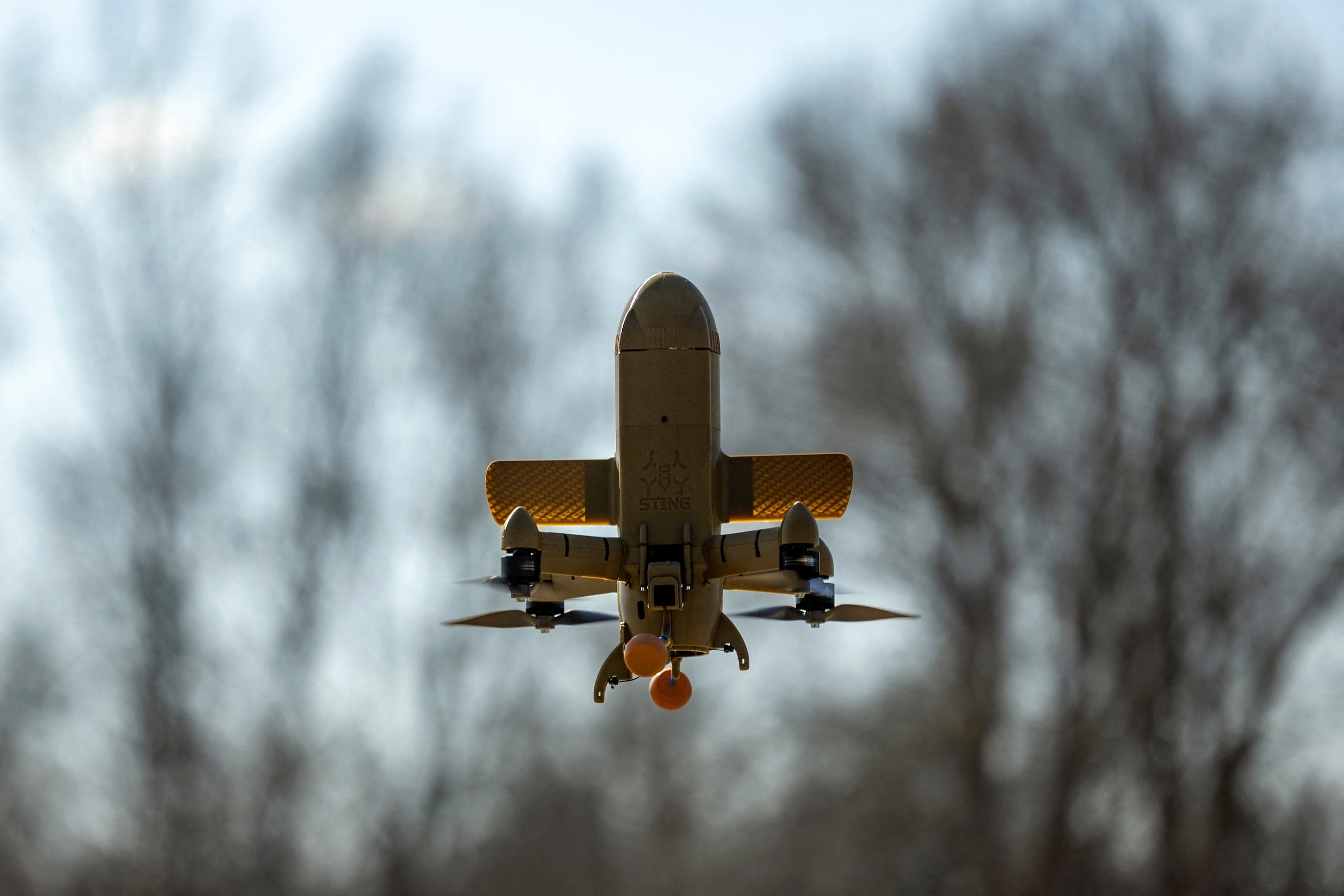
The mission is being overseen by Defense Secretary Rustem Umerov, who concluded a whirlwind tour of the five host nations this week. Umerov indicated that the primary goal is to establish "long-term security cooperation" that extends beyond immediate threat mitigation. The Ukrainian specialists are reportedly introducing indigenous technologies, such as the "Sting" interceptor drone developed by the Wild Hornets collective, which offers a reusable and inexpensive alternative to traditional missile-based defense.
The Evolution of the Drone Threat: A Chronology of Innovation
The current deployment is the culmination of a rapid technological evolution that began with the first large-scale use of Iranian Shahed-131 and 136 drones by Russian forces in late 2022. To understand the value of Ukrainian expertise, it is necessary to examine the timeline of this conflict:
- September 2022: Russia begins deploying Iranian-made Shahed drones to target Ukrainian energy infrastructure. Kyiv is forced to use expensive S-300 and Patriot missiles to defend its cities.
- Early 2023: Ukraine develops "Mobile Fire Groups"—units equipped with heavy machine guns, thermal imaging, and searchlights mounted on pickup trucks—to down drones at a fraction of the cost of missiles.
- 2024: Ukraine integrates Artificial Intelligence (AI) into its electronic warfare (EW) suites, allowing for the automated detection and jamming of drone frequencies. Russia begins domestic production of Shaheds under license in Tatarstan.
- 2025: Ukrainian startups like Wild Hornets and various state-run enterprises perfect "interceptor drones"—FPV (First Person View) quadcopters designed to ram or shoot down enemy loitering munitions in mid-air.
- March 2026: The Pentagon announces interest in purchasing 1,000 Ukrainian interceptor drones, and Kyiv officially begins exporting its "counter-Shahed" doctrine to the Middle East.
This chronology illustrates how Ukraine transformed a devastating threat into a specialized industry. By early 2026, Moscow had launched approximately 60,000 Shahed-style systems at Ukrainian targets. This unprecedented volume of fire allowed Ukrainian engineers to collect a massive dataset on drone flight patterns, heat signatures, and frequency vulnerabilities, which is now being shared with Middle Eastern partners.
Economic and Technical Data: The Interceptor Gap
The primary driver for Middle Eastern interest in Ukrainian expertise is the stark disparity in the cost of engagement. Military analysts have long warned of the "interceptor gap," where the cost of defense exceeds the cost of offense to a degree that becomes unsustainable during a prolonged war of attrition.
According to data from the International Institute for Strategic Studies (IISS), a single Iranian Shahed-136 costs between $20,000 and $50,000 to produce. In contrast, a single interceptor missile for the MIM-104 Patriot system can cost between $2 million and $4 million. For Gulf nations protecting sprawling oil refineries and desalination plants, the prospect of facing "swarms" of hundreds of drones makes traditional missile defense economically unfeasible.
Ukraine’s solution involves a multi-layered approach:
- Acoustic and Electronic Sensors: Low-cost sensor networks that detect the distinct "lawnmower" sound of Shahed engines.
- Interceptor Drones: Systems like the "Sting" can loiter in the air and intercept incoming drones for less than $5,000 per engagement.
- Localized Jamming: Precision electronic warfare that severs the GPS and control links of the drones without disrupting civilian communications.
By deploying 228 specialists, Kyiv is effectively providing a "turn-key" solution for drone defense that integrates these layers into the existing high-altitude defenses of the UAE and Saudi Arabia.
Diplomatic Friction and the U.S. Factor
The deployment has not been without political controversy, particularly regarding Ukraine’s relationship with the United States. President Zelenskyy revealed that Ukrainian specialists have been dispatched to a U.S. military base in Jordan, a move that suggests deep tactical integration with Western forces in the region. However, the political climate in Washington remains complicated.
U.S. President Donald Trump, who has maintained a skeptical stance toward continued high-level military aid to Ukraine, has publicly denied that the United States requires Kyiv’s assistance in drone interception. Despite this, technical teams from both nations are scheduled to meet in the U.S. this weekend to discuss a wide-ranging drone-cooperation deal.
Kyiv is reportedly seeking a $50 billion "prosperity plan" from Washington. Under this proposal, Ukraine would share its cutting-edge battlefield AI and drone technologies—proven in the world’s most intense electronic warfare environment—in exchange for long-term U.S. investment and post-war security guarantees. Zelenskyy noted that this package would include not only aerial systems but also the naval drones that have successfully neutralized much of Russia’s Black Sea Fleet.
Broader Implications for Global Security
The presence of Ukrainian military advisors in the Middle East signals a fundamental shift in the global arms market. For decades, the flow of military expertise moved from West to East. Now, a nation in the midst of a defensive war is exporting tactical innovations to some of the wealthiest militaries on Earth.
Beyond the Middle East, Ukraine has already established joint drone production ventures with several European nations, including Germany, Britain, Denmark, the Netherlands, and Norway. These partnerships are not merely about manufacturing hardware; they are about the rapid iteration of software. In March 2026, Ukraine took the unprecedented step of opening its battlefield AI data to all allies, a move described as a "world-first" in military transparency.
"It is important that Ukraine’s global significance in ensuring security and the quality of Ukrainian security expertise in safeguarding lives are recognized by all partners," Zelenskyy wrote on his Telegram channel.
Analysis: Ukraine as a Security Hub
Industry experts suggest that Ukraine is positioning itself to be the "Silicon Valley of Defense." By helping Gulf states defend against Iranian drones, Kyiv is securing several strategic objectives:
- Revenue Generation: The "money and technology" Zelenskyy requested in return for these deployments will be vital for Ukraine’s domestic defense industry and post-war reconstruction.
- Geopolitical Leverage: By becoming an essential security partner for the UAE and Saudi Arabia, Ukraine diversifies its diplomatic support base beyond the NATO alliance.
- Intelligence Gathering: Observing Iranian drone tactics in the Middle East provides Ukrainian specialists with additional data to refine their own defenses at home.
The success of these specialist teams in the Middle East will likely determine the future of Ukrainian military exports. If the Ukrainian-led drone defense measures prove effective in protecting Gulf infrastructure, it could lead to a permanent shift in how mid-tier and regional powers approach air defense.
As the weekend talks in Washington approach, the world will be watching to see if the "Ukrainian model" of low-cost, high-tech defense becomes the new international standard. For now, the 228 specialists in the Middle East represent the vanguard of a new era in which the lessons learned in the trenches of Eastern Europe are applied to secure the energy corridors and cities of the global south.

Related Posts
Pentagon Forges Landmark Seven-Year Agreements with Boeing and RTX to Accelerate Standard Missile-3 Production and Stabilize Defense Supply Chains
Boeing Unveils Ultra Low-Cost Seeker to Enhance Missile Inventory and Combat Cost Challenges in Modern Warfare