In Casa Rosada, they claim to know who filmed Adorni before he took the private flight.
While the judiciary seeks information to identify the perpetrator of the video showing Chief of Staff Manuel Adorni en route to the private plane that took him to Punta del Este during the recent carnival holiday, sources within Casa Rosada assert they know who filmed him. According to a significant voice from Balcarce 50, the individual in question is a woman described as a "union delegate," a "permanent employee," and a "communist," a characterization that links her to a segment of the local left-wing political spectrum. This development comes amidst ongoing investigations into the circumstances surrounding Adorni’s private travel, which has drawn public scrutiny and prompted official inquiries.
The controversy surrounding Adorni’s use of private aviation has sparked a broader conversation about transparency and accountability within the current administration. The revelation that Casa Rosada believes it has identified the individual responsible for the filming adds another layer to the unfolding narrative, suggesting potential internal political dynamics at play. The description of the alleged filmer as a union delegate and self-identified communist hints at potential ideological motivations or internal dissent.
The Adorni Travel Controversy: A Timeline of Events and Scrutiny
The incident gained public attention following the publication of a video showing Manuel Adorni boarding a private aircraft. This footage immediately raised questions about the nature of the travel, its purpose, and who bore the cost. The timing of the trip, during a national holiday, further fueled public interest and criticism, particularly given the government’s austerity messaging.

Key developments include:
- The Video’s Emergence: The circulation of the video triggered widespread discussion and concern among the public and political opposition.
- Official Investigations: Judicial authorities have initiated investigations to ascertain the source of the video and the details surrounding Adorni’s travel. This includes inquiries into the financing of the private flight.
- Casa Rosada’s Stance: Government officials, while not publicly naming the individual, have indicated they possess knowledge of the filmer’s identity, suggesting an internal assessment of the situation.
- Scrutiny of Adorni’s Wife’s Presence: Further complicating matters, the presence of Adorni’s wife, Bettina Angeletti, on a government trip to New York aboard the presidential plane, sparked additional controversy. This event led to questions about the appropriateness of family members accompanying officials on official business.
- Confirmation of Private Flight: The confirmation that Adorni, his wife, and children traveled to Punta del Este on a private jet has been a central point of contention. Judicial findings indicate that the outbound leg of this journey was financed by Imhouse SA, a company owned by journalist Marcelo Grandio, who is reportedly an acquaintance of Adorni and has hosted him on his television programs.
The allegations and subsequent investigations have placed significant pressure on Adorni’s position as Chief of Staff. Despite these challenges, President Javier Milei has publicly reaffirmed his confidence in Adorni.

Economic Headwinds: Argentina’s Risk Premium and Global Factors
In parallel to the political controversies, Argentina’s economic indicators continue to be a focal point of concern. The country’s risk premium has climbed back above 600 basis points, a development linked to global economic uncertainties and geopolitical tensions. The ongoing conflict in the Middle East and the potential for rising international inflation are casting a shadow over market expectations, particularly concerning the U.S. Federal Reserve’s monetary policy.
The risk premium, an indicator of the perceived risk of investing in a country’s debt, is closely watched by investors as a measure of economic stability and creditworthiness. An increase in this metric suggests that investors are demanding higher returns to compensate for the perceived higher risk of holding Argentine assets.

Key economic points:
- Rising Risk Premium: Argentina’s risk premium, as measured by the JP Morgan index, has surpassed 600 basis points, reaching its highest level since December of the previous year.
- Global Influences: The war in the Middle East and its potential impact on global inflation are cited as significant factors contributing to this rise.
- Federal Reserve Policy: Market participants are anticipating that the U.S. Federal Reserve may not implement further interest rate cuts this year, a factor that can influence capital flows and emerging market debt.
- Impact on Argentina: The combination of these global and domestic factors creates a challenging environment for Argentina, potentially impacting its ability to attract foreign investment and finance its debt.
Political Endorsements and Criticisms: A Divided Landscape
Within the political arena, figures from across the spectrum have been voicing their opinions on the current administration’s policies and actions. Elisa Carrió, a prominent opposition leader, has offered praise for some of Minister Federico Sturzenegger’s recent deregulation measures, specifically the elimination of restrictions on pharmaceutical patents. This endorsement, despite past criticisms of the Milei administration, highlights a nuanced approach to evaluating government initiatives.

Key political developments:
- Carrió’s Praise for Sturzenegger: Elisa Carrió lauded Minister Sturzenegger’s decision to deregulate pharmaceutical patents, viewing it as a significant step forward for the country. This move is seen as a measure to facilitate the import of medicines and break down protectionist barriers for national laboratories.
- Fiscal Deficit and Revenue: The Ministry of Economy has reportedly instructed a halt to payments until April, signaling concerns about March’s revenue collection. This indicates that the economy is not yet showing robust signs of recovery, posing a challenge for the government’s fiscal management.
- Case $LIBRA Investigation: Prosecutor Eduardo Taiano has defended his handling of the $LIBRA case, asserting that recent developments, including revelations about President Javier Milei’s contacts with Mauricio Novelli, a figure involved in the cryptocurrency’s launch, are a result of his diligent investigation. This defense comes amid criticism regarding alleged delays and leaks in the case.
- AFA Headquarters Searched: Judicial authorities ordered raids on the Argentine Football Association (AFA) headquarters in Buenos Aires and Ezeiza as part of an investigation into a property in Pilar allegedly acquired by AFA treasurer Pablo Toviggino. The probe is reportedly focused on information from TourProdEnter, a company that collected AFA’s international commercial revenue.
- Iran Condemns Milei’s Statements: Following President Javier Milei’s declaration of himself as the "most Zionist president in the world" and labeling Iran as the "enemy," the Iranian government issued a statement condemning his "insulting, hostile, and anti-Iranian" remarks, suggesting they were an attempt to distract from Argentina’s economic failures.
- Central Bank Reserves Decline: Despite making its largest single-day purchase of reserves in March, the Central Bank’s total international reserves continue to fall, experiencing a significant decline in the month and year-to-date. This situation underscores the ongoing challenge of rebuilding foreign currency holdings.
- Economic Turbulence and Social Discontent: The administration of Javier Milei is facing a period of significant turbulence, marked by economic complexities, alleged corruption scandals, political conflicts, and a discernible shift in public sentiment. This is a departure from the relative calm experienced earlier in the year.
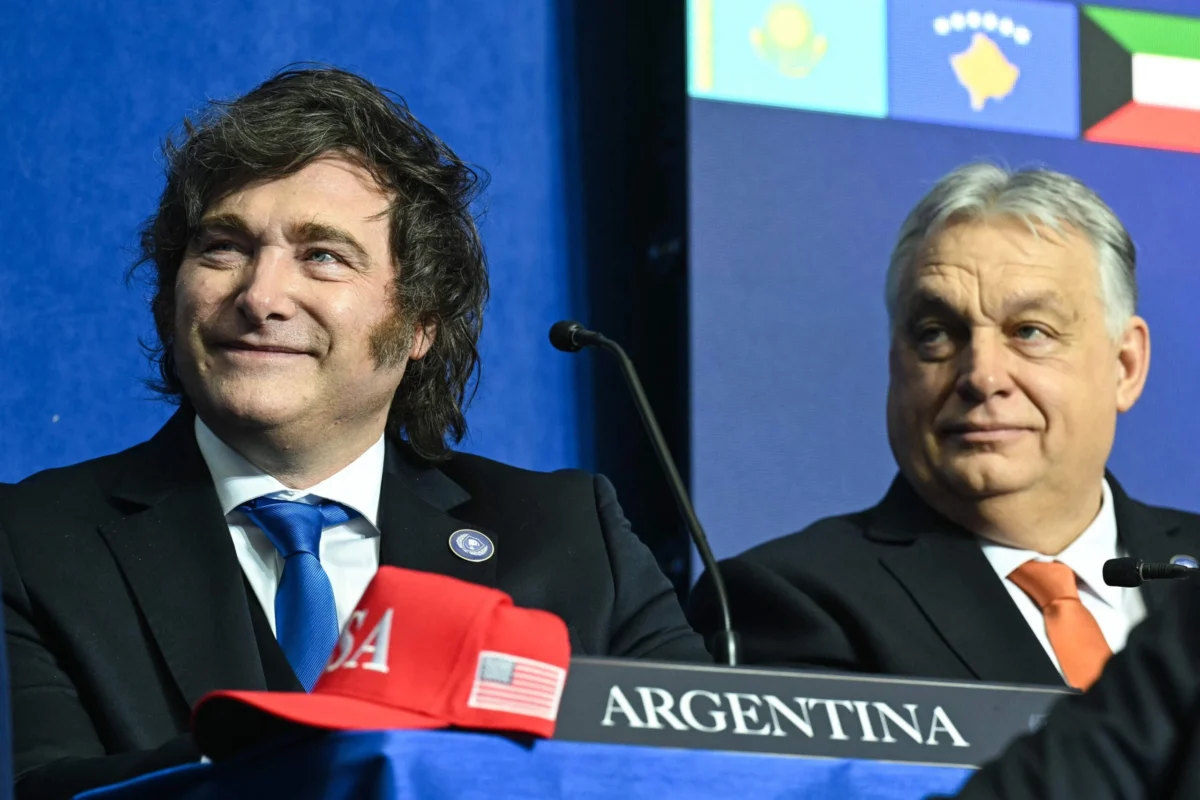
- Milei’s Agenda in Hungary: President Javier Milei is scheduled to visit Budapest to attend a Conservative Political Action Conference (CPAC) summit and meet with Hungarian Prime Minister Viktor Orbán, a key international ally. This visit marks Milei’s participation in another prominent conservative gathering.
- Adorni’s Flights Under Scrutiny: The judicial investigation into Manuel Adorni’s private flights to Punta del Este has revealed that the outbound journey was invoiced to Imhouse, a production company linked to public television, and the return flight was part of a package billed to a third party identified as Agustín Issin Hansen, residing in Uruguay.
- Milei Reaffirms Adorni: President Javier Milei publicly supported Chief of Staff Manuel Adorni amidst reports suggesting his potential removal, criticizing the media for what he termed "lying" and "always against the government."
- Caputo’s Fiscal Strategy: Minister of Economy Luis Caputo appears to be prioritizing control over government finances, as evidenced by the reported halt on payments until April. This strategy suggests that March’s revenue collection is insufficient to meet immediate obligations, highlighting the administration’s focus on fiscal consolidation.
- Villaverde’s Removal: Lorena Villaverde, a national deputy for La Libertad Avanza, has been removed from her key position as head of the Chamber of Deputies’ Energy and Fuels Committee. This move is interpreted as an indication that the "karinismo" faction within the party does not intend to grant her significant leadership roles.
- Official Gazette Announcements: The official gazette has featured various governmental decrees and announcements, reflecting ongoing administrative activities and policy implementations.
- Jaldo Receives Milei: Governor Osvaldo Jaldo of Tucumán welcomed President Javier Milei to the province, reaffirming a commitment to collaborative work and dialogue. This meeting occurred amidst political tensions between Jaldo and provincial libertarian leader Lisandro Catalán.
- Adorni’s Wife Purchases Property: Bettina Angeletti, Manuel Adorni’s wife, registered ownership of a house in the Indio Cua Golf Club country club in Exaltación de la Cruz in November 2024. This property was previously highlighted in a criminal complaint filed by Deputy Marcela Pagano.
- Declassification of Dictatorship Documents: The State Intelligence Secretariat (SIDE) has initiated the declassification of historical documents from the 1973-1983 period, in accordance with President Milei’s directives. This initiative aims to provide greater transparency and public access to information concerning the last military dictatorship.
- Milei’s Visit to Tucumán: President Javier Milei’s visit to Tucumán was marked by political friction between provincial libertarian leader Lisandro Catalán and Governor Osvaldo Jaldo. This situation highlights the complex political alliances and potential conflicts within the governing coalition.
- Pagano Faces Judicial Setback: Deputy Marcela Pagano and her partner, lawyer Franco Bindi, have experienced a judicial setback. The Federal Court of Cassation denied their extraordinary appeal against a ruling that rejected their request to present themselves as defendants and access the case file related to clandestine recordings that initiated the investigation into the National Disability Agency (Andis).
- Milei Denounces "Media Carnage": In Tucumán, President Javier Milei characterized the media coverage of his administration as a "media carnage" and reiterated his criticism of businessmen and opposition figures. He also discussed the potential for increased inflation due to the Middle East conflict, while promising a reduction to zero by August.
Broader Implications and Future Outlook
The confluence of these events—political controversies, economic challenges, and international relations—paints a complex picture of Argentina’s current situation. The scrutiny over official travel and the allegations of corruption underscore the public’s demand for transparency and accountability. The economic indicators, particularly the rising risk premium, suggest that investor confidence remains fragile, contingent on the government’s ability to implement sustainable fiscal and economic policies.

The administration’s approach to international relations, as exemplified by President Milei’s strong stances on issues like the conflict with Iran, also shapes Argentina’s global standing. While such pronouncements may resonate with certain segments of the electorate and international allies, they also carry diplomatic implications and can lead to international repercussions.
As the government navigates these multifaceted challenges, its ability to manage public perception, address economic headwinds, and maintain political stability will be crucial for its long-term success. The ongoing investigations and political maneuvering suggest that the coming months will continue to be a period of intense scrutiny and potential shifts in Argentina’s political and economic landscape. The administration’s commitment to its reform agenda, balanced against the need for transparency and broad-based support, will ultimately determine its trajectory.

Related Posts

The Electric Vehicle Battery Health Debate Emerges as Argentina’s EV Market Accelerates
President Donald Trump Confirms Secret Departure from Turkey Amidst Assassination Threat