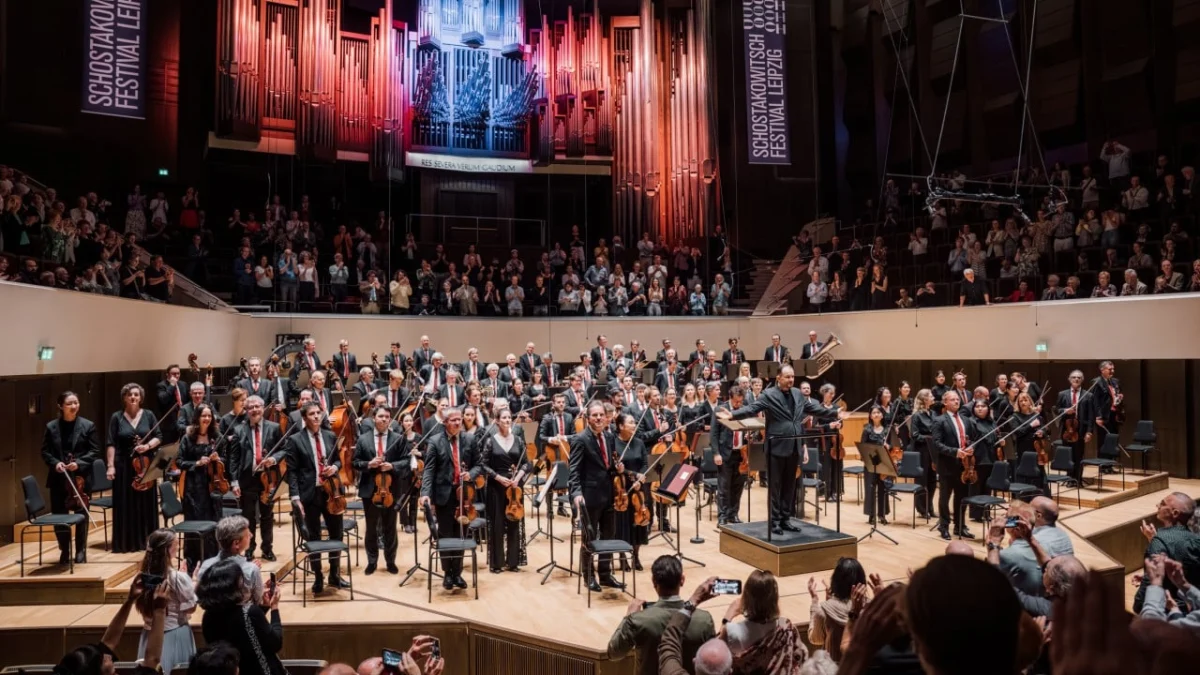
The Gewandhausorchester Leipzig: A Legacy of Musical Innovation Arrives in Hong Kong
For centuries, Leipzig has stood as a beacon of musical excellence, a city where the echoes of genius have resonated through its cobblestone streets and grand concert halls. This rich heritage, deeply intertwined with the very fabric of civic life, is embodied by the Gewandhausorchester Leipzig, the world’s oldest continuously operating civic orchestra. When this venerable institution arrives in Hong Kong this June, it carries with it nearly three centuries of unbroken musical tradition, a testament to its enduring commitment to artistic innovation and cultural stewardship.
The orchestra’s roots trace back to 1479, when the Leipzig City Council established a municipal ensemble of "artistic pipers" (Kunstpfeifer), embedding professional music within the city’s religious and secular ceremonies. This early commitment to organized musical performance laid the groundwork for the orchestra as it exists today, which officially took shape in 1743. It was then that a society of discerning Leipzig citizens founded "Das Große Konzert," an ensemble that dared to forge a new path in an era where orchestral music was largely confined to aristocratic courts and ecclesiastical institutions, reliant on patronage rather than public engagement.
Leipzig, a thriving center of trade and scholarship, embraced a different model. Its burgeoning middle class, comprising prosperous merchants and intellectuals, saw concerts not as a luxury but as an integral part of civic identity. This vision culminated in 1781 with the relocation of performances to a dedicated hall within the city’s prominent textile trading house, the Gewandhaus – meaning "garment or robe." It was from this iconic venue that the orchestra gradually earned its distinguished name: the Gewandhausorchester.
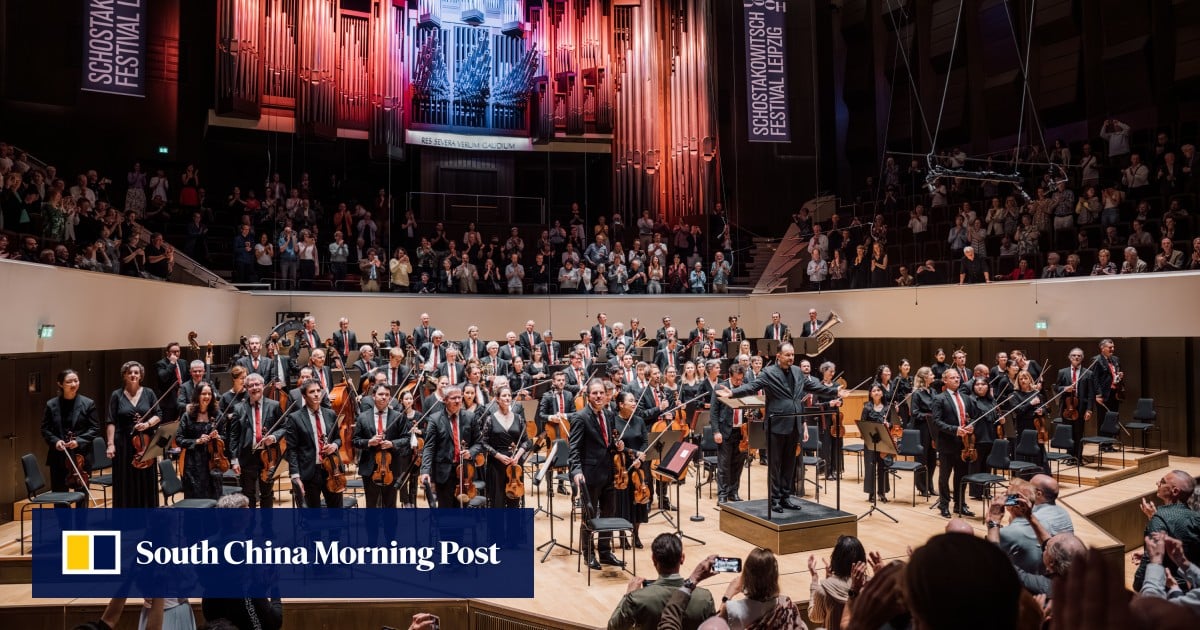
The orchestra’s genesis in 1743 predates the birth of musical titans like Mozart and places it at the dawn of Joseph Haydn’s illustrious career. At this time, the symphony was still in its formative stages, evolving from its functional roles in court, church, and theatre. The Gewandhausorchester grew in tandem with this transformation, not merely inheriting a pre-defined canon of masterpieces but actively participating in the shaping of the repertoire that would come to define the modern concert experience.
A Chronicle of Musical Milestones
The Gewandhausorchester’s nearly 300-year history is a tapestry woven with significant premieres and enduring artistic partnerships. Its commitment to commissioning and performing new works has been a constant, fostering the careers of many celebrated composers and enriching the global musical landscape.
- 1743: Foundation of "Das Große Konzert," the precursor to the Gewandhausorchester, by a society of Leipzig citizens.
- 1781: Performances move to the Gewandhaus, the city’s textile trading house, marking a pivotal moment in the orchestra’s identity and public engagement.
- 1811: The Gewandhausorchester gives the first public performance of Beethoven’s Piano Concerto No. 5 in E-flat, widely known as the "Emperor" Concerto. This premiere underscores the orchestra’s role in championing significant new works.
- 1835: Felix Mendelssohn is appointed Music Director at the young age of 26. His tenure is characterized by rigorous rehearsal standards and a profound impact on the evolution of modern conducting.
- 1841: The Gewandhausorchester gives the world premiere of Robert Schumann’s Symphony No. 1 in B-flat, the "Spring" Symphony, under the baton of Felix Mendelssohn, highlighting the orchestra’s support for contemporary composers.
- 1920s-1930s: Under the direction of Artur Nikisch and later Karl Böhm, the orchestra continues to solidify its international reputation through acclaimed performances and recordings.
- 1960-1970s: Kurt Masur leads the Gewandhausorchester, fostering a period of artistic renewal and international touring, further cementing its status as a leading global ensemble.
- 2017: Andris Nelsons assumes the role of Gewandhauskapellmeister, continuing the esteemed lineage of conductors and leading the orchestra into a new era of artistic exploration.
The Hong Kong Engagement: A Curated Journey Through Musical Evolution
The programs presented by the Gewandhausorchester at the Hong Kong Cultural Centre Concert Hall on June 2 and 3, 2026, offer a profound reflection of its historical trajectory and artistic vision. Under the distinguished leadership of its Music Director, Andris Nelsons, the orchestra will perform a selection of works that not only represent cornerstones of the Western classical repertoire but also carry direct connections to the Gewandhaus’s own history.
The first concert opens with Ludwig van Beethoven’s monumental Piano Concerto No. 5 in E-flat, known to English-speaking audiences as the "Emperor" Concerto. This work, a grand statement of heroic optimism and expanded musical scope, was premiered by the Gewandhausorchester in 1811. The choice of this piece is deliberate, highlighting the orchestra’s pioneering role in introducing seminal works to the public. The irony of its popular nickname, coined by a London publisher and never used by Beethoven himself, serves as a subtle reminder of the composer’s personal struggles with hearing loss, which by then had silenced his own virtuoso piano performances. The concerto’s ambitious scale and the redefined dialogue between soloist and orchestra marked a significant leap in the genre, a development the Gewandhausorchester was instrumental in presenting to the world.
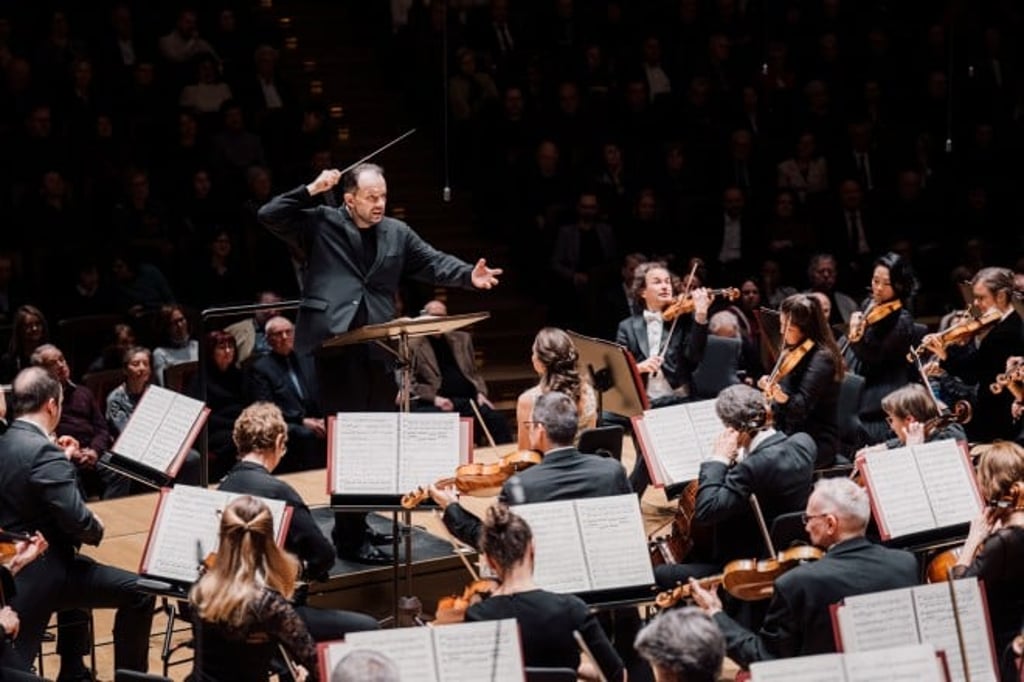
The second half of the inaugural concert features Robert Schumann’s Symphony No. 1 in B-flat, the "Spring" Symphony. This work holds a special place in the orchestra’s annals, having received its world premiere in 1841 under the baton of Felix Mendelssohn, then Music Director of the Gewandhausorchester. Mendelssohn’s tenure (1835-1847) was a golden age for the orchestra. Appointed at the remarkably young age of 26, he elevated its artistic standards through meticulous rehearsal techniques, significantly influencing the development of modern conducting practices. His supportive relationship with Robert Schumann was crucial; encouraged by his wife, Clara Schumann, a formidable pianist in her own right, Schumann turned his creative focus to orchestral composition. The Gewandhaus, with Mendelssohn at its helm, provided the ideal platform for the First Symphony’s authoritative debut, a testament to the orchestra’s role in nurturing new artistic voices.
A Deeper Dive into the Second Concert’s Repertoire
The second evening’s program broadens the historical and emotional scope, delving into the lush romanticism of Rachmaninoff and the profound depths of Shostakovich.
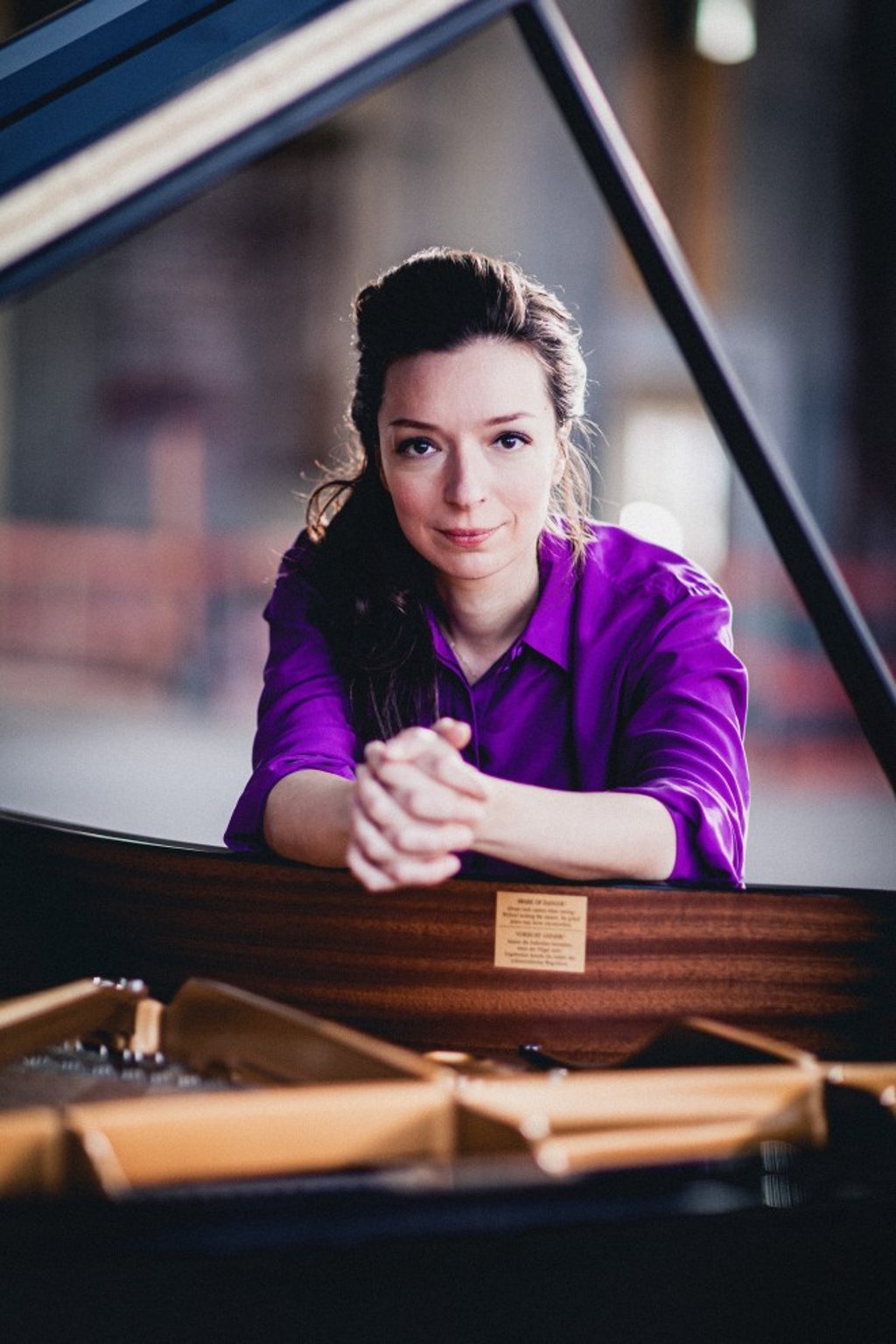
Sergei Rachmaninoff’s Piano Concerto No. 2 in C minor is a perennial favorite, its soaring melodies instantly recognizable and deeply affecting. Composed in the wake of a debilitating period of depression and creative block, this concerto represents a profound personal and artistic rebirth for the composer. Its sweeping climaxes, imbued with both profound vulnerability and unyielding resilience, have captivated audiences for generations. The performance will feature pianist Yulianna Avdeeva, whose affinity for Russian repertoire lends her particular authority in this beloved work. The concerto’s emotional directness, from its resonant opening chords to its richly lyrical passages, continues to draw listeners into its powerful narrative.
The program then transitions to Dmitri Shostakovich’s Symphony No. 10 in E minor. Completed in 1953, in the tense and uncertain atmosphere following the death of Joseph Stalin, this symphony is a vast and searching work. It navigates a complex emotional landscape, moving from brooding tension and profound introspection to a hard-won assertion of the composer’s indomitable spirit and artistic integrity. The choice of this symphony allows for a powerful demonstration of the Gewandhausorchester’s interpretive prowess under Nelsons, whose award-winning recordings of Shostakovich’s complete symphonies with the Boston Symphony Orchestra attest to his deep understanding and command of this challenging repertoire.
Andris Nelsons: A Conductor in a Storied Lineage
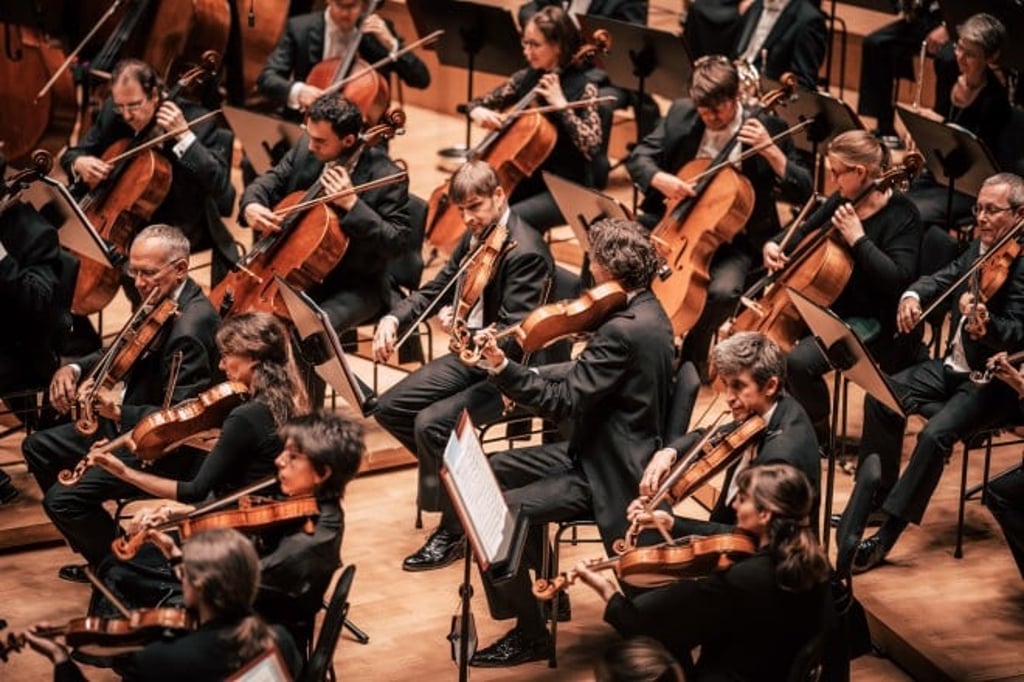
Andris Nelsons’ position as Gewandhauskapellmeister places him in a direct line of succession from legendary conductors who have shaped the orchestra’s identity. His predecessors, including Mendelssohn, Artur Nikisch, and Kurt Masur, have all contributed to the orchestra’s distinct sound and interpretive traditions. Nelsons, with his visionary leadership and deep commitment to the symphonic repertoire, is continuing this legacy with vigor and artistic integrity. His celebrated Shostakovich cycle, in particular, provides a compelling prelude to the orchestra’s performance of the Tenth Symphony in Hong Kong, promising an interpretation of immense power and insight.
Broader Impact and Implications
The Gewandhausorchester Leipzig’s visit to Hong Kong is more than just a series of concerts; it is an opportunity for audiences to connect with a living history of musical innovation. The orchestra’s programs meticulously trace the evolution of the concerto and the symphony, from Beethoven’s groundbreaking expansion of form, through Schumann’s deeply personal romanticism, to Rachmaninoff’s expressive lyricism and Shostakovich’s 20th-century introspection.
The orchestra’s direct involvement in the premieres of works by Beethoven and Schumann, and its sustained dedication to reinterpreting and championing masterpieces by Rachmaninoff and Shostakovich, underscore its unique position in the global musical narrative. This engagement serves as a powerful reminder of the enduring impact of civic patronage and the vital role that established institutions play in preserving, nurturing, and disseminating artistic heritage.
For Hong Kong, the arrival of the Gewandhausorchester is a significant cultural event, offering an unparalleled opportunity to experience a world-class ensemble at the zenith of its artistic powers. It represents a moment where the city becomes an active participant in a long and ongoing story of musical achievement, a story that began in Leipzig and continues to resonate across continents, inspiring and enriching audiences worldwide. The discipline, architectural clarity, and profound musicality that the Gewandhausorchester brings to the vast canvases of composers like Shostakovich exemplify the enduring power of music to transcend time and place.
This visit is poised to further enrich Hong Kong’s vibrant cultural landscape, fostering a deeper appreciation for the historical evolution of orchestral music and the profound human stories embedded within its greatest works. The Gewandhausorchester Leipzig’s presence signifies a dialogue between past and present, a celebration of artistic continuity, and an affirmation of music’s universal language.