Hong Kong Baby Bonus Scheme Sees Low Uptake as Government Funds Remain Largely Untapped
Hong Kong, a city renowned for its high cost of living and demanding professional environment, is grappling with a significant underutilization of its ambitious baby bonus scheme, a flagship initiative designed to encourage childbirth. As of February, a mere HK$1.31 billion, or 57.5 per cent, of the HK$2.28 billion allocated for the three-year program has been disbursed. With the scheme set to conclude in October, concerns are mounting over its effectiveness and the underlying societal factors contributing to its low uptake.
Declining Birth Rates and Underwhelming Financial Incentives
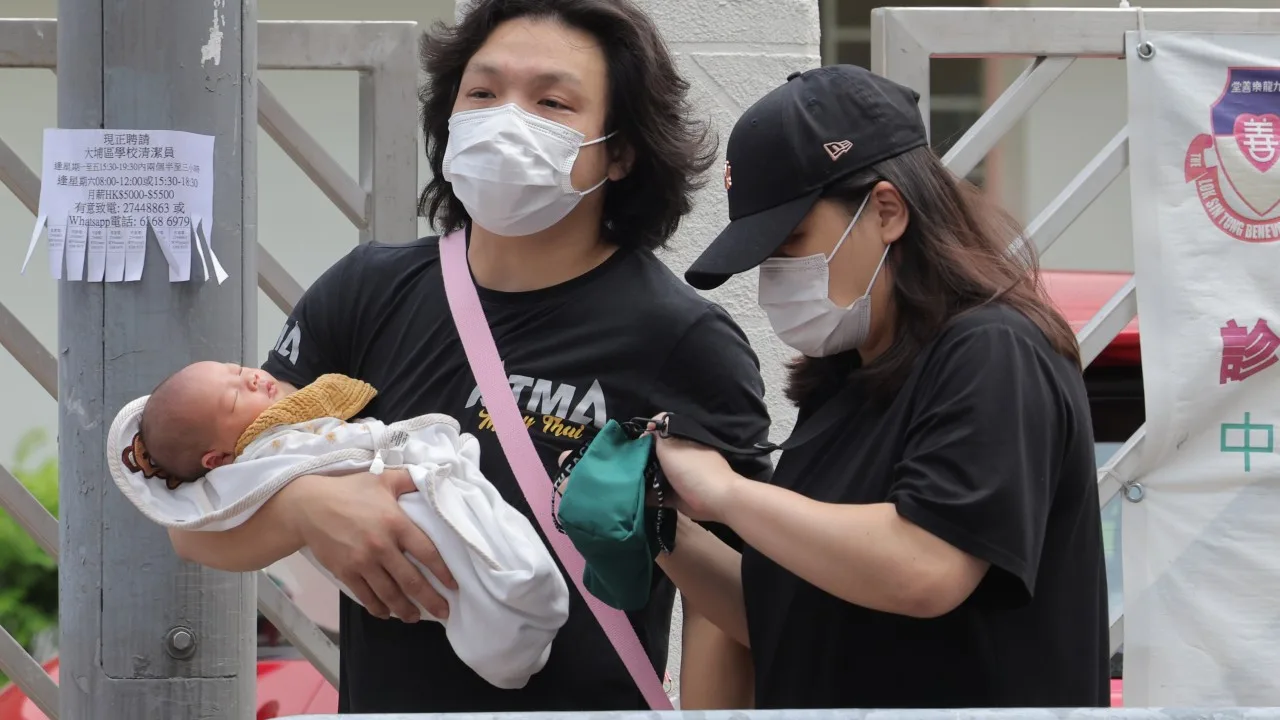
The statistics paint a stark picture of a city facing a demographic challenge. Government figures reveal a concerning 20 per cent drop in registered births in Hong Kong during the first two months of this year compared to the same period in 2025. This decline, occurring against the backdrop of a substantial financial incentive designed to combat it, raises critical questions about the scheme’s impact and the broader societal attitudes towards parenthood in Hong Kong.
The baby bonus scheme, launched in October 2023, offers a one-off payment of HK$20,000 to eligible parents for each newborn. To qualify, the baby must be born in Hong Kong, and at least one parent must be a permanent resident at the time of application. This initiative was part of a broader government strategy to address Hong Kong’s persistently low fertility rate, which has been a subject of concern for policymakers for years.
A Look at the Numbers: Disbursed Funds and Unclaimed Potential
The total allocation for the three-year scheme stands at HK$2.28 billion, a significant sum intended to provide a tangible financial boost to families. However, the data from the Labour and Welfare Bureau indicates that a substantial portion of these funds remains unclaimed. As of February, only HK$1.31 billion has been distributed, leaving HK$970 million, or 42.5 per cent, of the allocated budget potentially unspent. This leaves approximately six months for families to claim the remaining benefits before the scheme’s expiration in October.
The low disbursement rate is particularly noteworthy given the significant financial support offered. While HK$20,000 can be a welcome sum for many families, particularly in a city where the cost of raising a child is notoriously high, its efficacy in influencing major life decisions like having children appears to be limited. This suggests that the financial incentive, while substantial, may not be the sole or even the primary determinant for prospective parents in Hong Kong.
Societal Shifts and the Perception of Parenthood
Experts and community leaders have begun to offer insights into the potential reasons behind the scheme’s underwhelming performance. A prominent youth group leader, speaking anonymously due to the sensitive nature of the topic, attributed the declining birth rate and the low uptake of the baby bonus to a growing perception among young people that parenthood is associated with immense stress and sacrifice, rather than joy and fulfillment.
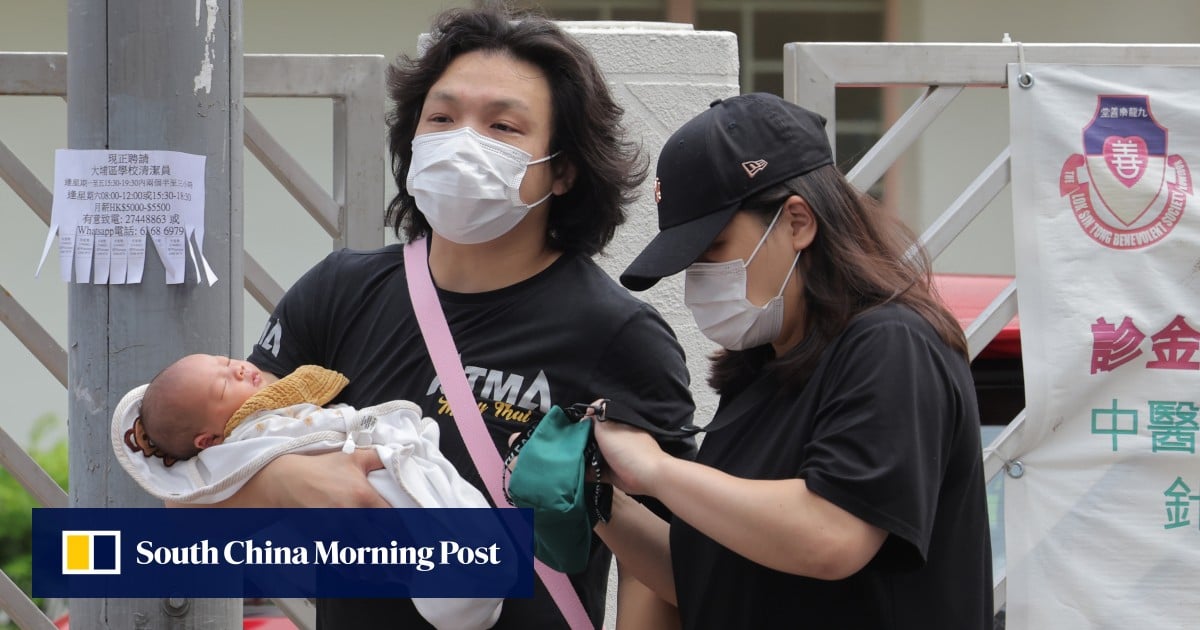
This perspective is not unique to Hong Kong and reflects a global trend observed in many developed economies where economic pressures, career aspirations, and evolving societal values often lead individuals to delay or forgo parenthood. In Hong Kong, the intense competition for academic and professional success, coupled with the exorbitant cost of housing and education, creates a challenging environment for raising children. For many young couples, the prospect of adding the financial and emotional burden of a new child, even with a bonus, may feel overwhelming.
The Scheme’s Timeline: A Race Against Time
The baby bonus scheme was implemented with a clear three-year timeframe, from October 2023 to October 2026. This period was designed to provide a consistent incentive for families considering having children. However, the slow disbursement of funds suggests that the scheme’s impact has not been as immediate or widespread as anticipated.
- October 2023: The baby bonus scheme officially launches, offering HK$20,000 to eligible parents of newborns.
- October 2023 – February 2026: During this period, the scheme sees applications and disbursements, but at a pace that indicates significant underutilization of the allocated funds.
- February 2026: Government figures reveal that only 57.5 per cent of the HK$2.28 billion budget has been disbursed. The registered birth rate in the first two months of the year shows a 20 per cent decline compared to the previous year.
- October 2026: The scheme is set to conclude, leaving a substantial portion of the allocated funds potentially unclaimed.
The approaching deadline adds an element of urgency for any families who may still be considering applying for the bonus. However, for those who have already made decisions about family planning, the scheme’s end date may have little bearing on their choices.
Broader Context: Hong Kong’s Demographic Challenges
The low uptake of the baby bonus scheme is symptomatic of a larger demographic crisis facing Hong Kong. The city has one of the lowest fertility rates globally, with the average number of children per woman hovering well below the replacement level of 2.1. This trend has been driven by a confluence of factors, including:
- High Cost of Living: The astronomical cost of housing, education, and daily necessities places a significant financial strain on families.
- Career Demands: Hong Kong’s highly competitive professional landscape often requires long working hours, leaving little time or energy for family life.
- Changing Social Norms: There is a growing emphasis on individual career development and personal aspirations, with some individuals opting for child-free lifestyles.
- Limited Family Support: Compared to some other Asian cultures, extended family support systems for childcare can be less prevalent in Hong Kong.
Government initiatives, including the baby bonus, are attempts to counteract these deep-seated societal trends. However, the data suggests that financial incentives alone may not be sufficient to alter these complex demographic patterns.
Potential Implications and Future Considerations
The underutilization of the baby bonus scheme raises several important questions for policymakers:
- Effectiveness of Financial Incentives: The scheme’s performance prompts a re-evaluation of the role of financial incentives in influencing fertility decisions. Are the amounts offered sufficient? Are there more effective ways to channel financial support?
- Addressing Root Causes: The low uptake underscores the need to address the underlying societal and economic factors contributing to low birth rates. This could include policies aimed at making housing more affordable, improving work-life balance, and enhancing childcare support.
- Long-Term Demographic Strategy: The government may need to consider a more comprehensive and long-term strategy to address Hong Kong’s demographic challenges, moving beyond short-term financial incentives.
- Public Perception and Communication: There may be a need for improved public awareness campaigns to ensure that eligible families are fully informed about the scheme and its benefits. However, given the low disbursement, the issue is likely more about the scheme’s appeal than awareness.
The HK$2.28 billion allocated for the baby bonus scheme represents a significant investment in Hong Kong’s future population. The fact that nearly half of this amount is likely to remain unspent by the scheme’s conclusion is a clear indication that the current approach may not be resonating with the target demographic. As Hong Kong continues to grapple with its low birth rate, policymakers will need to analyze the lessons learned from this initiative and explore more holistic and impactful solutions to encourage family growth in the city. The experiences of the baby bonus scheme offer a valuable, albeit concerning, case study in the complexities of demographic policy in a rapidly evolving urban environment.