Netanyahu Reveals Trump’s Optimism for Iran Deal, Citing Military Achievements Amidst Ongoing Conflict
Israeli Prime Minister Benjamin Netanyahu announced on Monday, March 23, 2026, that he had engaged in a crucial conversation with US President Donald Trump, who expressed a belief in the potential for a significant deal with Iran. Netanyahu elaborated in a video statement released by his office, stating that President Trump perceived an opportunity to "leverage the mighty achievements obtained by the IDF (Israel Defence Forces) and the US military" to achieve the war’s objectives through a negotiated settlement. This prospective deal, according to Netanyahu, would be crafted to "preserve our vital interests." The revelation comes amidst an ongoing, intensified conflict broadly referred to as the "War on Iran," which has gripped the Middle East and triggered widespread regional instability, including a growing humanitarian crisis exemplified by the displacement of populations across neighboring states like Lebanon.
The Prime Minister’s declaration signals a potentially pivotal moment in a conflict that has seen a dramatic escalation of tensions and military engagements over the past months. The notion of pursuing a diplomatic resolution, even as active hostilities continue, introduces a complex dynamic into a geopolitical landscape already fraught with challenges. For an administration under President Trump, known for its "maximum pressure" campaign against Tehran and its withdrawal from the 2015 Joint Comprehensive Plan of Action (JCPOA), this willingness to consider a "deal" represents a nuanced shift, suggesting that the current military campaign is seen not merely as an end in itself but as a strategic lever for future negotiations.
The Shifting Sands of Diplomacy Amidst Conflict
The concept of a deal emerging directly from the crucible of military conflict is not unprecedented in international relations, yet it carries immense risks and complexities. Netanyahu’s specific emphasis on leveraging "mighty achievements" underscores the strategic rationale behind such a move. From the Israeli and American perspectives, the ongoing military operations are presumably designed to weaken Iran’s military capabilities, diminish its regional influence, and dismantle its nuclear infrastructure to a point where Tehran would be compelled to negotiate on terms favorable to the coalition. The implied success of these operations, while not detailed in Netanyahu’s brief statement, forms the bedrock of this diplomatic optimism.
President Trump’s past dealings with Iran were characterized by a firm stance, prioritizing unilateral pressure over multilateral engagement. The withdrawal from the JCPOA in 2018 and the subsequent imposition of stringent sanctions were cornerstones of this policy. Therefore, any new "deal" would inherently need to surpass the perceived shortcomings of the JCPOA in addressing issues such as Iran’s ballistic missile program, its regional proxy network, and the duration of its nuclear restrictions. Netanyahu’s insistence on preserving "vital interests" reflects Israel’s long-standing security concerns, particularly regarding Iran’s nuclear ambitions and the threats posed by groups like Hezbollah in Lebanon and other Iranian-backed militias in Syria and Iraq.
A Conflict’s Genesis: The ‘War on Iran’ Timeline
The current "War on Iran" did not erupt overnight but is the culmination of decades of escalating tensions, proxy conflicts, and strategic rivalries. Understanding the context requires a brief look at the trajectory that led to open hostilities.
Pre-Conflict Tensions (2018-2025)
Following the US withdrawal from the JCPOA in May 2018, the relationship between Washington and Tehran rapidly deteriorated. The Trump administration reimposed and expanded sanctions, aiming to cripple Iran’s economy and force it back to the negotiating table for a "better deal." This period was marked by:
- Economic Warfare: Severe sanctions targeting Iran’s oil exports, banking sector, and key industries.
- Shadow War: Escalating incidents in the Persian Gulf, including attacks on oil tankers, drone shoot-downs, and seizures of vessels.
- Proxy Engagements: Continued support for various non-state actors by both Iran and its adversaries, leading to conflicts in Yemen, Syria, Iraq, and Lebanon.
- Cyber Warfare: Increased cyberattacks attributed to both sides targeting critical infrastructure.
- Nuclear Escalation: Iran gradually breached the limits set by the JCPOA in response to US sanctions, increasing uranium enrichment levels and expanding its centrifuge capacity, raising alarms about its "breakout time" to develop a nuclear weapon.
By late 2024 and early 2025, a series of particularly aggressive actions, including an alleged sophisticated cyberattack on Israeli infrastructure attributed to Iran and a significant escalation of missile and drone attacks from Iranian proxies against US interests in Iraq and Saudi Arabia, brought the region to the brink. Diplomatic efforts, though intermittent, consistently failed to bridge the widening chasm of mistrust and opposing strategic objectives.
Escalation to Open Conflict (Late 2025/Early 2026)
The precise trigger for the transition from a "shadow war" to an overt "War on Iran" is believed to have occurred in late 2025. Unconfirmed reports and intelligence leaks from that period suggested that Iran had significantly advanced its uranium enrichment capabilities, possibly reaching levels considered weapon-grade, and had begun deploying new, more advanced ballistic missile systems within its borders and to proxy groups.
This development, perceived as an existential threat by Israel and a direct challenge to global non-proliferation efforts by the United States, led to a coordinated military response. In early January 2026, a series of precision airstrikes, widely attributed to the US and Israel, targeted suspected Iranian nuclear facilities, missile production sites, and command-and-control centers. These initial strikes were followed by Iranian retaliatory measures, including ballistic missile launches against US military bases in the region and increased attacks by proxy forces, marking the official commencement of open hostilities. The conflict quickly expanded, drawing in naval assets in the Persian Gulf and intensifying air campaigns across Iran, Iraq, and Syria.
Military Achievements and Their Impact (March 2026)
As of March 2026, the combined military efforts of the US and IDF have reportedly achieved significant strategic gains. While specific details remain classified, analysis from defense experts suggests these achievements include:

- Air Superiority: Establishment of overwhelming air superiority over key operational zones, enabling sustained precision strikes.
- Degradation of Nuclear Infrastructure: Extensive damage to known and suspected Iranian nuclear enrichment and reprocessing facilities, setting back any potential weaponization program by several years.
- Disruption of Missile Capabilities: Destruction of a substantial portion of Iran’s ballistic and cruise missile arsenals, including launch sites and manufacturing facilities, significantly reducing its offensive strike capabilities.
- Weakening of Proxy Networks: Coordinated operations to degrade the command, control, and logistical capabilities of Iranian-backed groups in Iraq, Syria, and Lebanon, limiting their ability to launch cross-border attacks.
- Naval Blockade and Interdiction: Enhanced naval presence in strategic waterways, impacting Iran’s ability to resupply its forces and project power regionally.
- Cyber Offensive: Sustained cyber operations targeting Iranian military networks and critical infrastructure, further hindering its response capabilities.
These "mighty achievements," as described by Netanyahu, have presumably created a tactical advantage that the US and Israel now seek to translate into a lasting diplomatic solution, aiming to achieve through negotiation what might otherwise require a prolonged and costly military campaign.
Regional Reverberations: The Humanitarian Toll
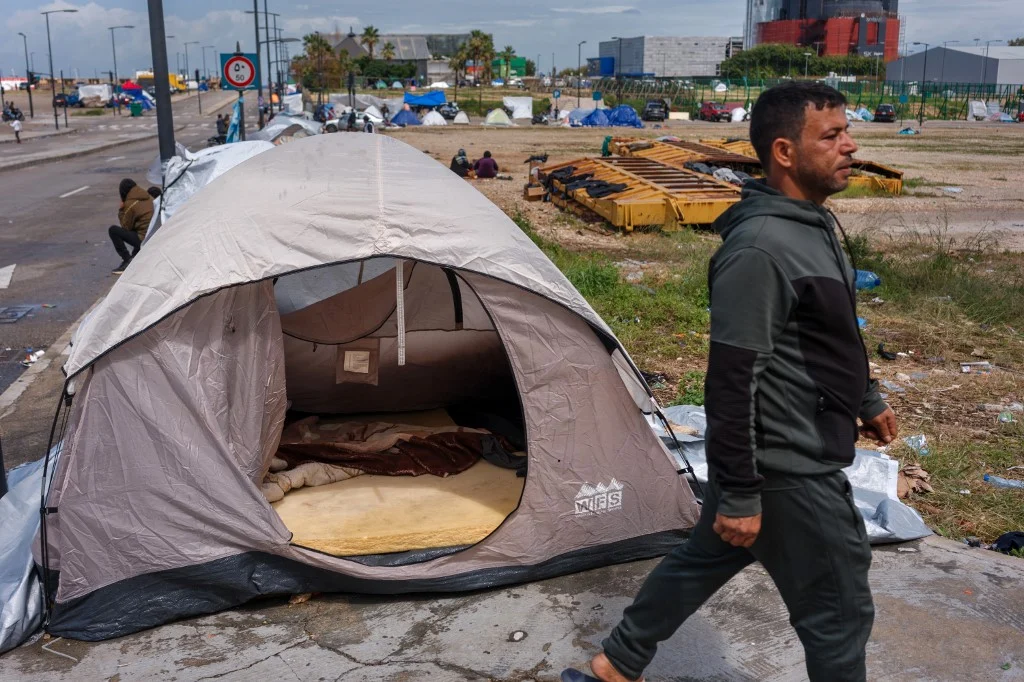
The human cost of the "War on Iran" has been severe and widespread, extending far beyond the immediate conflict zones. The image of a displaced man walking past an unofficial camp along Beirut’s seafront on March 20, 2026, serves as a poignant reminder of the conflict’s regional spillover and its devastating humanitarian consequences. Lebanon, already grappling with profound economic and political crises, has become a reluctant host to thousands displaced by the fighting, particularly from Syria and Iraq, where Iranian-backed militias and counter-operations have intensified.
Across the broader Middle East, millions have been affected. Reports from the United Nations High Commissioner for Refugees (UNHCR) and other humanitarian organizations indicate a dramatic surge in internal displacement within Iraq and Syria, as well as a new wave of refugees seeking shelter in neighboring countries. Infrastructure damage, particularly in areas targeted by air strikes or ground engagements, has crippled essential services, exacerbating existing challenges related to food security, water access, and healthcare. Humanitarian aid agencies face immense challenges in delivering assistance due to ongoing hostilities, damaged supply routes, and significant funding shortfalls. Calls for international intervention to protect civilians and facilitate humanitarian access have grown louder, highlighting the urgent need for de-escalation and a political resolution.
The Framework of a Potential Deal: ‘Vital Interests’ Defined
Any "deal" emerging from the current conflict would necessitate a comprehensive framework addressing the core security concerns of all parties involved. Netanyahu’s emphasis on "vital interests" offers a glimpse into the non-negotiable demands from the Israeli and US perspectives.
Israeli Interests
For Israel, a deal with Iran must definitively address:
- Nuclear Disarmament: A verifiable and irreversible end to Iran’s nuclear weapons program, including the dismantling of enrichment facilities, strict international inspections, and a commitment to peaceful nuclear energy only.
- Curbing Ballistic Missile Program: Limitations on Iran’s development and deployment of long-range ballistic missiles capable of carrying conventional or unconventional warheads.
- Dismantling Proxy Networks: A verifiable commitment from Iran to cease support for and disarm its proxy groups, including Hezbollah in Lebanon, various militias in Iraq and Syria, and the Houthis in Yemen, which pose direct threats to Israeli security.
- Regional Security Guarantees: Mechanisms to ensure Iran’s adherence to international norms and refrain from destabilizing actions in the region.
US Interests
The United States’ "vital interests" in a deal would largely align with Israel’s but also encompass broader strategic objectives:
- Non-Proliferation: Preventing nuclear proliferation in the Middle East, a cornerstone of US foreign policy.
- Freedom of Navigation: Ensuring the free flow of commerce through critical waterways like the Strait of Hormuz.
- Counter-Terrorism: Disrupting and dismantling terrorist networks, including those supported by Iran.
- Regional Stability: Fostering a more stable and secure Middle East, reducing the likelihood of future conflicts.
- Protecting Allies: Upholding security commitments to regional partners like Saudi Arabia and the UAE.
Iranian Perspectives (Inferred)
While no official Iranian statement regarding a potential deal has been made public in this context, past declarations and geopolitical analysis suggest that Tehran would likely seek:
- Sanctions Relief: A complete lifting of all international sanctions, allowing for economic recovery and integration into the global financial system.
- Security Guarantees: Assurances against future military interventions or regime change efforts.
- Recognition of Regional Influence: An acknowledgment of its role and interests in regional affairs.
- Cessation of Military Actions: An end to all US and Israeli military operations against Iranian targets.
International Reactions and Diplomatic Hurdles
The news of a potential deal, even speculative, would send ripples across the international community, eliciting a range of reactions and highlighting significant diplomatic hurdles.
- US Officials: While President Trump’s stance has been conveyed by Netanyahu, formal statements from the US State Department and Pentagon would likely reiterate the US commitment to non-proliferation and regional security, emphasizing that any deal must be comprehensive and verifiable. There would likely be an emphasis on the "strength through peace" narrative, suggesting that military pressure has created the conditions for diplomacy.
- Iranian Response: Tehran’s initial reaction would likely be cautious, possibly denunciatory of any deal framed as a capitulation. Iranian officials might insist on the immediate cessation of hostilities and the unconditional lifting of all sanctions as preconditions for any meaningful talks, while also emphasizing their own resilience and military capabilities.
- Regional Allies/Adversaries: Sunni Arab states, particularly Saudi Arabia and the UAE, would eye any potential deal with a mix of hope and skepticism. They would seek assurances that their security concerns regarding Iran’s regional behavior and missile program are adequately addressed. Turkey, a growing regional player, would also have its own strategic interests to protect, particularly concerning Syria and Iraq.
- Global Powers (Russia, China, EU): Russia and China, both permanent members of the UN Security Council, would likely welcome any diplomatic initiative that could de-escalate the conflict, potentially positioning themselves as mediators. The European Union, a strong proponent of the original JCPOA, would also support a diplomatic path but would likely push for a return to multilateral engagement and a deal that prioritizes long-term stability over short-term gains.
- International Bodies: The United Nations and other international organizations would undoubtedly call for an immediate ceasefire, humanitarian access, and robust diplomatic engagement to achieve a lasting peace.
The Road Ahead: Challenges and Prospects for Peace
The path to a comprehensive deal, even with perceived military "achievements," is fraught with immense challenges. Negotiating during active conflict is inherently difficult, as trust is at an all-time low, and military incidents can easily derail fragile diplomatic efforts. Hardliners on all sides, both within the Iranian establishment and among Israeli and US political factions, could act as spoilers, resisting any concessions.
Moreover, the terms of any new agreement would need to be meticulously crafted to avoid the pitfalls of previous accords, ensuring robust verification mechanisms and addressing the full spectrum of Iranian activities deemed destabilizing. The role of regional powers in such a negotiation would also be critical, as their buy-in is essential for any long-term stability.
Despite these hurdles, the prospect of a deal offers a glimmer of hope for an end to a conflict that has already inflicted immense suffering and instability. If successful, such an agreement could redefine the geopolitical landscape of the Middle East, potentially ushering in an era of cautious coexistence, albeit one shaped by the stark realities of the "War on Iran" and its profound impact on the region. The coming weeks and months will reveal whether President Trump’s optimism, as conveyed by Prime Minister Netanyahu, can translate into tangible diplomatic progress and a lasting peace.

Related Posts
Over 150 Israeli Settlers Storm Al-Aqsa Compound and Perform Prayers, Violating Status Quo Under Police Protection.
UN Report Highlights Over 900 Obstacles Hampering West Bank Aid Amid Escalating Humanitarian Crisis