Raymond Chong Found Guilty of Publishing Seditious Facebook Posts Critical of Authorities
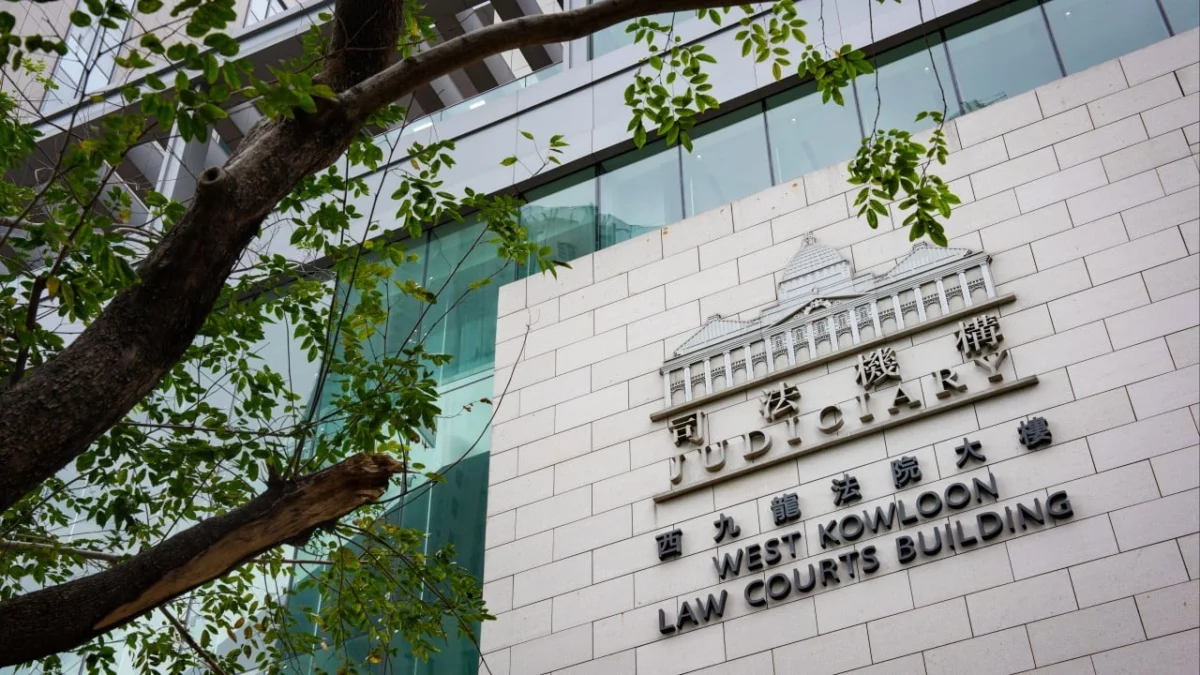
Former salesman Raymond Chong Wai-man, 61, has pleaded guilty at West Kowloon Court to the serious charge of knowingly publishing 53 seditious Facebook posts. These posts, disseminated between March 26, 2024, and November 29 of the same year, were found to denigrate both the central and local authorities. The conviction marks a significant development in the ongoing enforcement of national security legislation in Hong Kong, highlighting the perceived sensitivity of online discourse concerning governance.
Background of the Allegations
The prosecution’s case centers on a series of online statements made by Chong, which are alleged to have incited hatred, contempt, or disaffection towards the Hong Kong government and the People’s Republic of China’s central authorities. The specific content of these posts, as detailed in court documents, reportedly stemmed from Chong’s reactions to significant events and broader political commentary.
One particularly contentious post referenced the devastating inferno that engulfed the Wang Fuk Court residential complex in Tai Po. This fire, which raged for an unprecedented 43 hours from November 26, 2024, tragically claimed the lives of 168 people, making it the deadliest fire in Hong Kong’s modern history since 1948. Chong’s commentary on this tragedy, as presented by the prosecution, suggested a link between the fire and potential political resistance, drawing parallels to past large-scale protests.
Content of Seditious Posts
According to court summaries, Chong’s Facebook posts contained commentary that was interpreted as undermining public trust and respect for the established governing bodies. One excerpt highlighted by the prosecution read: "If this fire triggered another political resistance campaign similar in scale to the anti-extradition bill movement, the Communist Party will definitely not dare carry out a massacre like last time." This statement, prosecutors argued, was designed to provoke a negative emotional response and foster distrust towards the authorities’ handling of public order and potential future dissent. The reference to the "anti-extradition bill movement" alludes to the widespread protests that rocked Hong Kong in 2019, a period marked by significant civil unrest and subsequent legislative and political changes in the territory.
Further allegations included posts that appeared to target specific leaders. Chong is accused of referring to Chinese President Xi Jinping by a portmanteau, "Xi Jindong," seemingly blending the President’s name with that of China’s founder, Mao Zedong. This was reportedly accompanied by assertions that Xi had lost his grip on power. The posts also allegedly suggested that then-US President Donald Trump could potentially impose punitive measures on the central government should Beijing suppress another large-scale protest in Hong Kong. The prosecution contended that these remarks were not mere expressions of opinion but were crafted to incite disaffection and diminish the perceived legitimacy and authority of both the Chinese Communist Party and the Hong Kong government.
Legal Framework and Precedent
The charge of sedition falls under Hong Kong’s colonial-era Crimes Ordinance. While previously considered a lesser offense, its application has gained renewed prominence following the implementation of the National Security Law (NSL) in 2020. The NSL itself proscribes acts of secession, subversion, terrorism, and collusion with foreign forces. While Chong was charged under the Crimes Ordinance, the broader context of national security concerns and the heightened scrutiny of public discourse significantly influence how such cases are prosecuted and perceived.
Historically, sedition charges have been used to prosecute speech deemed to incite rebellion or disaffection against the government. The legal definition of sedition typically involves words, either spoken or written, or visible representations, that have a tendency to:
- Bring into hatred or contempt, or to excite disaffection against the government of Hong Kong;
- Excite disaffection against the administration of justice in Hong Kong;
- Promote feelings of ill-will and hostility between different classes of the population of Hong Kong;
- Inciting or bringing into hatred or contempt the judiciary or any element of the administration of justice.
The current case underscores the judiciary’s role in interpreting the boundaries of free speech within the legal framework of Hong Kong, particularly when statements are perceived to challenge the authority and stability of the government.
Judicial Proceedings and Sentencing
Raymond Chong’s guilty plea at West Kowloon Court signifies an acknowledgment of the charges brought against him. The court, in its proceedings, would have considered the nature and impact of the seditious publications. The guilty plea itself is often taken into account during sentencing, potentially leading to a reduction in the potential jail term.
The court ultimately handed down an 18-month prison sentence. However, in recognition of Chong’s early guilty plea, six months were deducted from the initial sentence. This reduction reflects a common practice in judicial systems where an early admission of guilt can be seen as a sign of remorse and a desire to expedite the legal process, thereby saving judicial resources. The decision to impose a custodial sentence highlights the seriousness with which the court views seditious offenses.
Broader Implications and Public Reaction
The conviction of Raymond Chong is likely to be viewed by various segments of Hong Kong society and the international community through different lenses. For proponents of stricter national security measures, it reinforces the government’s commitment to maintaining order and deterring speech deemed harmful to societal stability. They might argue that such prosecutions are necessary to prevent the erosion of public trust and to safeguard national interests.
Conversely, civil liberties advocates and international observers may express concerns about the potential chilling effect on freedom of expression. The broad interpretation of sedition and the increasing number of prosecutions under national security-related laws have led to debates about the balance between security and fundamental rights. Critics may point to the subjective nature of what constitutes "hatred, contempt, or disaffection," raising questions about the scope of permissible public discourse.
The case also serves as a stark reminder of the evolving political landscape in Hong Kong. The period between 2024 and 2025, during which the posts were allegedly published, was marked by a continued emphasis on national security following the implementation of the NSL. This has led to a re-evaluation of public expression, with individuals and organizations becoming more cautious about the language they use, particularly concerning political matters and criticism of authorities.
The reliance on social media platforms like Facebook as a conduit for seditious content underscores the challenges authorities face in monitoring and regulating online speech. The global nature of the internet means that such content can potentially reach a wide audience, leading to concerns about its impact on public opinion and social cohesion.
While Chong’s case is an individual instance, it is part of a larger trend of legal actions related to national security and public order in Hong Kong. The outcomes of such cases often have ripple effects, influencing public behavior and shaping the broader discourse on governance and individual freedoms within the territory. The court’s decision and the sentence imposed will undoubtedly be scrutinized as further evidence of the application of Hong Kong’s legal framework in the contemporary political climate. The long-term implications for freedom of speech and the rule of law in Hong Kong will continue to be a subject of significant observation and discussion.